

Have you ever watched your dog licking its paws or rubbing its face and wondered, “Do dogs groom themselves like we do?” You might think your furry friend keeps clean all on their own, but the truth is more interesting than you realize. Understanding how dogs take care of their hygiene can help you keep your pet healthier and happier.
Keep reading to discover what grooming habits your dog really has—and what you can do to support them.
Self-grooming In Dogs
Dogs use self-grooming to stay clean and healthy. This natural behavior helps them remove dirt, loose hair, and parasites. Self-grooming also comforts dogs and reduces stress. Understanding how dogs groom themselves can help pet owners care for their pets better.
How Dogs Clean Themselves
Dogs use their tongues to lick their fur. This action removes dirt and spreads natural oils. The oils keep their coat shiny and soft. Dogs also use their teeth to nibble at tangled fur or itchy spots. Sometimes, dogs scratch with their paws to reach difficult areas. These simple actions keep their skin and fur in good condition.
Common Grooming Behaviors
Dogs often lick their paws after walking outside. This cleans away mud and debris. They may lick their face and ears to remove dirt. Rolling on the ground or rubbing against objects also helps with grooming. Some dogs chew their fur if it feels itchy. These behaviors are normal and show how dogs maintain cleanliness.
Limits Of Canine Grooming
Dogs clean themselves by licking and biting their fur. This natural grooming helps remove dirt and loose hair. It also soothes itchy spots. Yet, dogs cannot clean every part of their body well. Some areas stay hard to reach. This limits their grooming ability.
Dogs may miss dirt, tangles, or pests in hidden spots. Over time, poor grooming can cause skin problems. Owners need to help maintain their dog’s hygiene. Understanding these limits is important for pet care.
Areas Dogs Can’t Reach
Dogs can’t reach certain body parts easily. Their backs, especially between the shoulder blades, are tough to clean. The top of the head and around the ears also pose challenges. Dogs struggle to groom under their collars or harnesses. These areas often stay dirty or tangled. Regular brushing by owners is needed to keep these spots clean and healthy.
When Grooming Becomes Inadequate
Self-grooming alone may not remove all dirt or pests. Fleas and ticks hide in hard-to-reach places. Dogs with thick or long fur may develop mats and tangles. Without regular brushing, skin infections can start. Grooming is also important for nail care. Overgrown nails cause pain and walking problems. Owners should watch for signs of poor grooming and act quickly.
Why Dogs Groom Themselves
Dogs groom themselves for several important reasons. Grooming is not just about looking clean. It helps dogs stay healthy and comfortable. This natural habit plays a key role in their daily life and well-being.
Instinctual Reasons
Grooming is an instinct for dogs. It is a behavior passed down from wild ancestors. Cleaning their fur removes dirt and parasites. It also helps dogs control their scent. This can protect them from predators or rivals. Grooming also reduces stress and anxiety. Dogs feel calmer after licking or scratching themselves.
Health Benefits
Self-grooming helps dogs avoid infections. Removing dirt and dead skin stops bacteria from growing. It also keeps their coat shiny and healthy. Grooming spreads natural oils on their skin. These oils protect against dryness and irritation. Dogs also use grooming to check for injuries. They lick wounds to help healing and reduce pain.
Signs Grooming Issues
Dogs usually keep themselves clean by licking and scratching. But sometimes, these actions can show a problem. Signs of grooming issues are important to notice early. They can tell you if your dog needs help or care. Watch your dog closely for unusual habits or skin changes. These signs help you protect your dog’s health and comfort.
Excessive Licking And Scratching
Dogs lick and scratch to clean or relieve itching. But too much licking or scratching can cause harm. It can lead to sores, hair loss, or infections. Constant licking may mean allergies or pain. Scratching often shows irritation or a skin problem. Notice if your dog focuses on one area a lot. This behavior usually signals discomfort or a deeper issue.
Skin Problems And Parasites
Skin issues often appear with grooming problems. Look for redness, bumps, or dry patches on the skin. Parasites like fleas and ticks cause itching and irritation. Flea bites create small red spots and hair loss. Ticks attach and feed on blood, causing swelling. These parasites spread diseases and pain. Early detection helps keep your dog healthy and happy.
Owner’s Role In Grooming
Dogs clean themselves to some extent, but they still need help. Owners play a big role in keeping dogs clean and healthy. Grooming is more than just looks. It protects the dog’s skin and fur from problems. Regular care also helps catch health issues early. Simple grooming tasks can build a strong bond between owner and pet.
Regular Brushing Tips
Brushing removes dirt and loose hair. It stops mats and tangles from forming. Use a brush made for your dog’s coat type. Brush gently to avoid hurting the skin. Short-haired dogs need brushing once a week. Long-haired dogs may need daily brushing. Check for fleas, ticks, or skin problems during brushing.
Bathing Frequency
Bathing keeps dogs smelling fresh and clean. Too many baths can dry out the skin. Most dogs need a bath every one to three months. Use a shampoo made for dogs only. Rinse well to avoid skin irritation. Pay attention to the face, paws, and under the tail. Dry the dog thoroughly after the bath to prevent chills.
Professional Grooming
Some dogs need a groomer’s help for haircuts and nail trims. Groomers can handle tricky tasks safely. They know how to clean ears and trim nails properly. Regular visits keep your dog comfortable and neat. Find a groomer who treats dogs kindly. Schedule appointments based on your dog’s breed and needs.
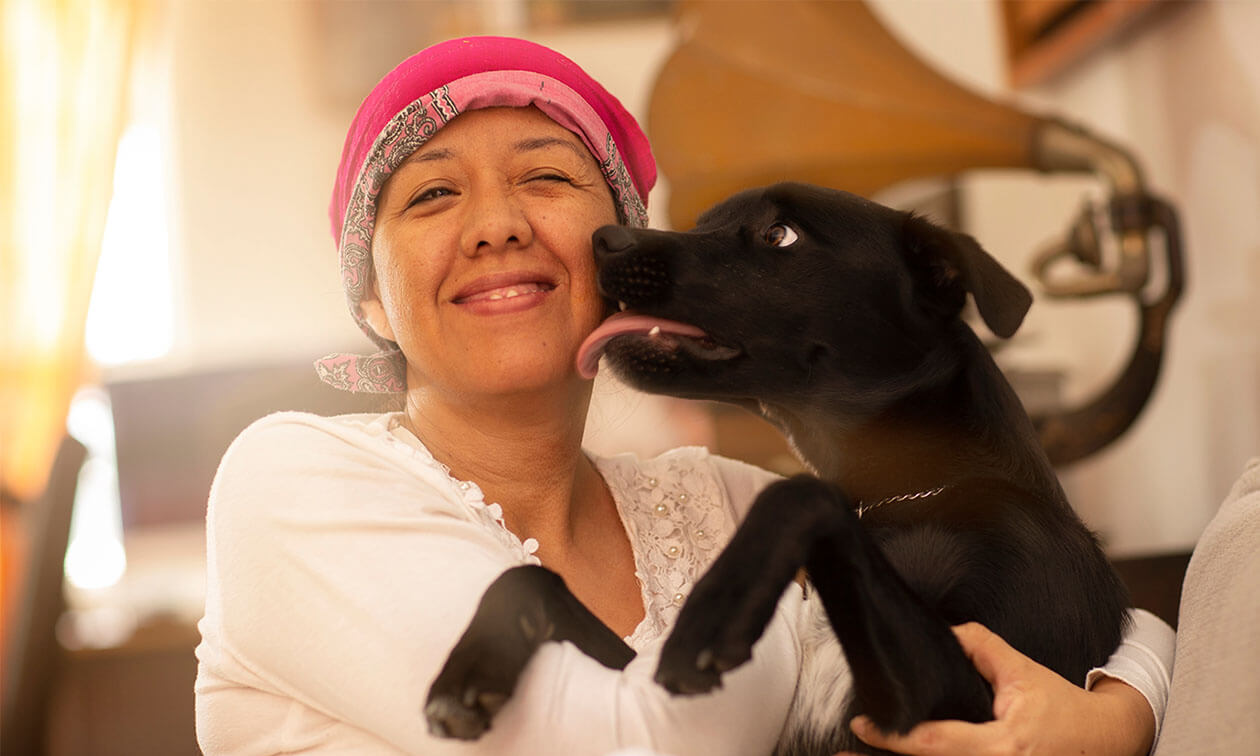
Credit: www.zoetispetcare.com
Breed Differences In Grooming Needs
Dogs clean themselves by licking their fur. Yet, grooming needs vary by breed. Some dogs need less care, while others need more attention.
Understanding these differences helps keep dogs healthy and comfortable. Grooming suits their coat type and skin sensitivity.
Short-haired Vs. Long-haired Dogs
Short-haired dogs usually need less brushing. Their fur sheds naturally and stays cleaner. Bathing every few months often works well.
Long-haired dogs need daily brushing to avoid mats and tangles. Their fur traps dirt and debris easily. Regular trims help keep their coat neat and healthy.
Long-haired breeds may also need more frequent baths. This keeps their skin fresh and fur soft.
Special Care For Sensitive Breeds
Some breeds have sensitive skin or allergies. Grooming products must be gentle and hypoallergenic. Harsh shampoos can cause itching and irritation.
Breeds like Bulldogs and Pugs need cleaning in skin folds. These areas can trap dirt and moisture, causing infections.
Regular checks and cleaning prevent skin problems in sensitive breeds. Grooming helps them stay healthy and happy.
Myths About Dog Grooming
Many people believe common myths about dog grooming. These myths can lead to poor care and unhappy pets. Understanding the truth helps owners give their dogs the best care.
Dogs Don’t Need Baths
Some think dogs never need baths. Dogs can get dirty and smelly just like people. Bathing removes dirt, germs, and bad smells. It also helps keep their skin healthy. Regular baths prevent skin problems and infections. Skipping baths can cause discomfort for your dog.
Self-grooming Replaces Owner Care
Dogs lick themselves to stay clean. This is called self-grooming. It helps remove dirt and loose fur. But self-grooming does not clean deep dirt or remove all germs. Dogs cannot trim their nails or clean their ears alone. Owner care is needed for full grooming. Brushing, bathing, and nail trimming keep dogs healthy and happy.

Credit: www.youtube.com

Credit: www.poochandmutt.co.uk
Frequently Asked Questions
Do Dogs Naturally Groom Themselves?
Yes, dogs groom themselves by licking their fur and paws. This helps keep them clean and remove dirt or parasites naturally.
How Often Do Dogs Groom Themselves Daily?
Dogs groom themselves several times a day. Frequency depends on breed, health, and environment, with some dogs grooming more than others.
Can Dogs Fully Clean Themselves Without Human Help?
Dogs can clean much of their coat but may need human help for deep cleaning or removing stubborn dirt.
Why Do Dogs Lick Their Paws When Grooming?
Dogs lick their paws to clean dirt and soothe irritation. It’s a natural grooming habit to maintain paw health.
Conclusion
Dogs do groom themselves to some degree. They lick their fur to clean dirt and soothe skin. Yet, they cannot reach every spot. Owners should help by brushing and bathing dogs regularly. Grooming also helps check for ticks or skin problems.
Keeping your dog clean supports their health and comfort. Remember, good grooming is part of good care. It strengthens the bond between you and your pet. Simple steps make a big difference in your dog’s happiness.


