

Want to become a dog groomer but have no experience? You’re not alone.
Many people dream of turning their love for dogs into a rewarding career, but don’t know where to start. The good news is, you don’t need years of training or fancy certificates to begin. You’ll discover simple, practical steps that anyone can take to build skills, gain confidence, and start working with furry friends quickly.
Keep reading, because your path to becoming a successful dog groomer begins here.
Skills Needed For Dog Grooming
Becoming a dog groomer requires more than just love for animals. Certain skills help you provide the best care and grooming services. These skills ensure the dog feels comfortable and looks its best. Learning these basics helps you start your career confidently.
Basic Animal Care
Understanding animal behavior is important. Dogs get nervous or scared during grooming. Knowing how to calm them makes the process easier. Basic care includes feeding, bathing, and handling pets gently. Recognizing signs of stress or illness is vital for safety. This skill protects both you and the dog.
Grooming Techniques
Learning different grooming styles is essential. Dogs have different coat types and needs. You must know how to brush, trim, and bathe properly. Using the right tools avoids hurting the dog. Good grooming also keeps the dog clean and healthy. Practice helps improve your speed and accuracy.
Safety Practices
Safety is key in dog grooming. Dogs can bite or scratch when scared. You must learn how to handle dogs safely. Keeping grooming tools clean prevents infections. Knowing first aid for pets can save lives. Safe practices protect you and the animals you groom.
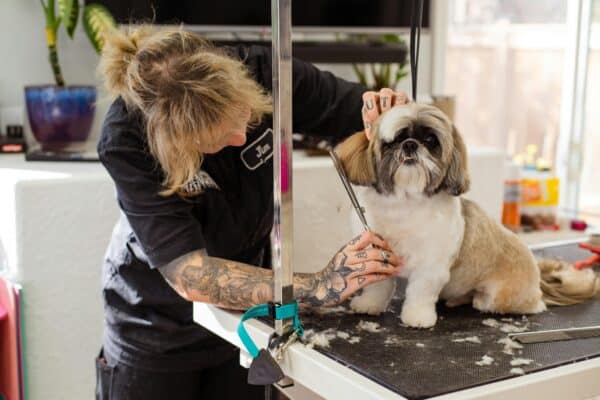
Credit: www.theacademyofpetcareers.com
Starting Without Experience
Starting a career as a dog groomer without experience can feel hard. Many wonder where to begin or how to gain skills. The good news: many paths lead to becoming a skilled groomer. Hands-on work, learning from others, and studying online all help build your confidence and ability.
Each step grows your knowledge and makes you ready for the job. Patience and effort are key. Here are some ways to start without experience.
Volunteering Opportunities
Volunteering at animal shelters or pet rescues offers real experience. You help care for dogs and see grooming tasks up close. This work builds your skills without pressure. Volunteers often assist with bathing, brushing, and nail trimming. Shelters welcome eager helpers. You meet animals of all breeds and sizes. This variety teaches you how to handle different dogs. Volunteering also shows future employers your interest and dedication.
Apprenticeships And Internships
Many groomers offer apprenticeships or internships. These let you learn directly from experts. You watch and help in daily grooming routines. This hands-on training is valuable. It improves your technique and speed. Apprenticeships often last weeks or months. You gain practical skills and tips not found in books. These positions may be unpaid or low paid. The experience you gain prepares you for paid work later. Building relationships with professionals can open future job doors.
Learning From Online Resources
Online videos and tutorials teach grooming basics. Many free and paid courses cover tools, styles, and safety. Study at your own pace and practice on pets or stuffed animals. Reading blogs and guides helps too. These resources explain grooming terms and techniques clearly. Some platforms offer certification after course completion. While not a full substitute for hands-on work, online learning supports your growth. Use it to build a strong foundation before or during practical training.
Training And Certification
Training and certification are the first steps to becoming a skilled dog groomer. They teach the basics and help build confidence. Proper training also shows pet owners you care about their dogs’ safety and comfort.
Many courses offer hands-on practice with real dogs. This experience is vital. Certification proves your knowledge and skills to employers and clients alike.
Finding The Right Courses
Choose courses that cover grooming tools, safety, and dog behavior. Check if experienced groomers or vets teach them. Read reviews to know about course quality. Look for classes that offer practice time on different dog breeds. This helps you handle all kinds of dogs.
Certification Benefits
Certification gives you a professional edge in the dog grooming field. It builds trust with pet owners and employers. Certified groomers often earn higher pay. It also opens doors to better jobs or starting your own business. Certification shows you meet industry standards and care about your work.
Online Vs In-person Training
Online courses offer flexibility to study at your own pace. They are good for learning theory and watching demos. In-person training gives hands-on experience with dogs and tools. You get direct feedback from instructors. Combining both types can give a complete learning experience. Choose based on your schedule and learning style.

Credit: petstylistacademy.com.au
Building Your Portfolio
Building your portfolio is an important step to become a dog groomer without experience. It shows your skills and helps attract clients. A strong portfolio proves you can care for dogs well and handle grooming tasks.
Start small and work your way up. Practice and document your work. Collect feedback from pet owners. This will build trust and show your progress as a groomer.
Practice On Friends’ Pets
Ask friends or family if you can groom their dogs. This is a good way to gain hands-on experience. Each pet has different needs. Practice different cuts and styles. Learn how to handle nervous or shy dogs. This practice builds your confidence and skills.
Documenting Your Work
Take clear photos before and after grooming. Good pictures show your attention to detail. Create a simple portfolio with these photos. Add notes about what you did for each dog. Update your portfolio regularly as you improve. This helps potential clients see your work quality.
Gathering Client Testimonials
Ask pet owners for feedback after grooming their dogs. Positive comments build your reputation. Testimonials help new clients trust you. Keep a list of reviews and share them on your portfolio or social media. Honest feedback shows you care about customer satisfaction.
Starting Your Career
Starting your career as a dog groomer can feel challenging without experience. The good news is, many have begun with little knowledge and grew their skills step by step. You can learn on the job and build a client base over time. This section guides you through practical ways to begin your dog grooming journey.
Finding Entry-level Jobs
Look for pet salons that offer trainee positions. These jobs let you watch and learn from skilled groomers. Some places hire assistants to help with cleaning and handling pets. This work builds your confidence and grooming knowledge. Be patient. Every task teaches something useful. Apply to multiple salons to increase your chances.
Setting Up A Home Grooming Business
Start small by offering grooming at home. Create a clean, safe space with basic tools. Practice on friends’ or family pets first. This helps you gain experience and trust. Keep the area tidy and calm for the dogs. Home grooming saves money on rent. It also gives you flexible hours. Make sure to check local rules for home businesses.
Marketing Yourself Effectively
Tell friends and neighbors about your grooming skills. Word of mouth is powerful in pet care. Use social media to share photos of your work. Post before and after pictures to show results. Join local pet groups online to meet potential clients. Offer discounts for first-time customers. Always ask happy clients for reviews. Positive feedback builds your reputation fast.
Tools And Equipment
Starting a career as a dog groomer needs the right tools and equipment. These tools help you work safely and efficiently. Having the proper gear makes grooming easier and more professional. Knowing about each tool will prepare you well.
Essential Grooming Tools
Basic tools include brushes, combs, and scissors. Brushes remove loose hair and dirt. Combs help with tangles and mats. Scissors trim hair and shape coats. Clippers cut hair quickly and evenly. Nail clippers keep a dog’s paws healthy. A grooming table keeps dogs steady and safe.
Choosing Quality Products
Buy tools that last long and work well. Cheap tools can break or hurt the dog. Pick products made for dogs, not humans. Look for sharp blades and strong handles. Choose brushes that fit different coat types. Good quality products improve your grooming results.
Maintaining Your Equipment
Clean tools after each use to stop infections. Use disinfectant sprays for clippers and scissors. Sharpen blades regularly for smooth cutting. Store tools in a dry, safe place. Proper care extends tool life and keeps dogs safe. Regular maintenance saves money over time.
Handling Different Dog Breeds
Handling different dog breeds is a key skill for any dog groomer. Each breed has unique needs. Knowing these helps provide the best care. It also ensures dogs stay comfortable during grooming sessions.
Coat Types And Grooming Needs
Dogs have many coat types. Some have short, smooth fur. Others have long, curly hair. Some breeds have thick undercoats. Each coat type needs special tools and techniques. For example, thick coats need thorough brushing. Curly coats need gentle detangling. Understanding coat types prevents skin problems and matting.
Behavioral Considerations
Different breeds behave differently during grooming. Some stay calm and relaxed. Others feel nervous or scared. Some breeds may try to bite or run. Knowing breed behavior helps manage these reactions. It keeps both the dog and groomer safe. Calm handling creates a better grooming experience.
Customized Grooming Plans
Every dog needs a grooming plan made just for them. Plans depend on coat, age, and health. Also, the dog’s behavior matters. Some dogs need frequent baths and trims. Others need special care for sensitive skin. Tailoring each plan improves the dog’s comfort and look. It shows professionalism and care in your work.

Credit: petstylistacademy.com.au
Dealing With Challenges
Starting as a dog groomer without experience brings many challenges. You will face different dogs and unexpected situations. Learning how to handle these challenges is key to building your skills and confidence. This section covers ways to manage difficult dogs, handle grooming accidents, and keep your stress under control.
Managing Difficult Dogs
Some dogs may be nervous or scared during grooming. Stay calm and speak softly. Use slow, gentle movements to avoid startling them. Watch their body language to understand how they feel. Offer breaks if the dog seems stressed. Patience helps build trust and makes grooming easier. Practice with different dogs to gain experience.
Handling Grooming Accidents
Accidents can happen, especially for beginners. Cuts or scratches may occur while trimming nails or fur. Keep a first aid kit nearby. Clean wounds quickly and apply antiseptic. Learn basic first aid for pets to react fast. Tell the dog owner about any accidents honestly. Use accidents as lessons to improve your technique.
Stress Management
Grooming can be stressful for new groomers. Take deep breaths and stay focused on the task. Break your work into small steps to avoid feeling overwhelmed. Take short breaks during long sessions. Talk to other groomers for advice and support. Remember, practice reduces stress and builds skill over time.
Frequently Asked Questions
What Skills Do I Need To Start Dog Grooming?
Basic animal handling, patience, and attention to detail are essential. Good communication and a love for dogs also help beginners succeed.
Can I Become A Dog Groomer Without Formal Training?
Yes, many start by apprenticing with experienced groomers. Online courses and hands-on practice can build skills effectively.
How Long Does It Take To Learn Dog Grooming?
Learning basic grooming skills may take a few weeks to months. Mastery requires ongoing practice and experience with different dog breeds.
What Tools Are Necessary For Beginner Dog Groomers?
Essential tools include clippers, scissors, brushes, nail trimmers, and shampoos. Quality tools improve efficiency and grooming results.
Conclusion
Becoming a dog groomer without experience is possible. Start with learning basic grooming skills step by step. Practice on friends’ or family pets to gain confidence. Take online courses or attend local workshops if you can. Building a good reputation takes time and effort.
Stay patient and keep improving your skills daily. Love for dogs helps you succeed in this job. This career can bring joy and satisfaction. Begin today, and watch your skills grow with each pet groomed.


