If you’ve just brought a new puppy home, you know how important it is to create a safe and comfortable space for them. Crate training can be a game-changer for both you and your puppy, but it’s not always easy to get it right.
What if you could make this process simple and stress-free? You’ll discover the best crate training tips that will help your puppy feel secure and happy, while making your life easier. Keep reading to unlock the secrets to successful crate training that every puppy owner should know.
Choosing The Right Crate
Choosing the right crate is the first step in successful crate training. The right crate offers a safe space for your puppy. It helps your puppy feel secure and comfortable. Selecting a crate that fits your puppy’s needs improves training results.
Size Matters
The crate must be large enough for your puppy to stand, turn, and lie down. Too small a crate causes discomfort and stress. Too big a crate may encourage your puppy to use one corner as a bathroom. Measure your puppy’s length and height before buying. Choose a crate size that fits your puppy’s size now and as it grows.
Material Options
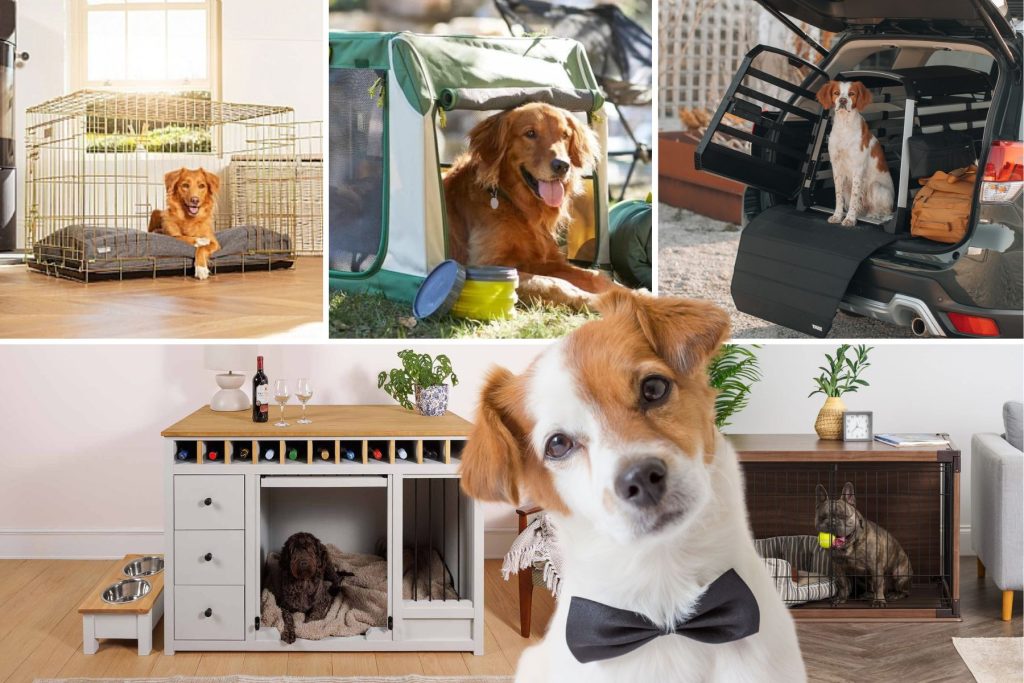
Crates come in plastic, metal, and fabric. Plastic crates are solid and cozy. They block distractions and offer privacy. Metal crates are sturdy and well-ventilated. They allow your puppy to see surroundings. Fabric crates are lightweight and portable. They suit calm puppies but may not last with chewers.
Safety Features
Look for crates with secure locks that prevent escapes. Rounded edges avoid injuries. Proper ventilation keeps air fresh inside. Avoid crates with sharp parts or toxic paints. A safe crate protects your puppy and gives peace of mind.
Introducing The Crate
Introducing a crate to your puppy is an important first step in crate training. It helps your puppy feel safe and comfortable. A good start makes the whole process easier for both of you. Take time and be patient. The crate should become a happy place for your puppy.
Making It Inviting
Place soft bedding inside the crate. Add a favorite toy or two. Keep the crate in a quiet, cozy spot. Avoid dark or cold places. Let your puppy explore the crate on their own. Do not force them inside. The crate should feel like a small, safe den.
Positive Associations
Use treats to encourage your puppy to enter the crate. Praise them gently each time they go inside. Feed meals near or inside the crate. This helps your puppy connect the crate with good things. Avoid using the crate as punishment. Keep all experiences positive and calm.
Gradual Exposure
Start with short crate sessions. Close the door for a few seconds only. Slowly increase the time your puppy stays inside. Stay nearby at first to provide comfort. Leave the room only after your puppy is calm. Repeat daily to build trust and security.
Establishing A Routine
Creating a routine is key to successful crate training for puppies. Puppies feel safe and calm when they know what to expect. A steady schedule helps them learn crate habits quickly. It also reduces anxiety and accidents.
Start by making crate time part of daily life. Keep activities regular. This helps your puppy adjust and enjoy the crate as a cozy space.
Consistent Timing
Set specific times for crate sessions every day. Use the crate at similar hours for naps and night sleep. Puppies thrive on predictability. Consistent timing builds trust and comfort. Avoid random crate periods to prevent stress.
Feeding In The Crate
Feed your puppy meals inside the crate. This creates a positive link to the space. Use the crate only for good things like eating and resting. Feeding inside the crate helps your puppy see it as a safe zone.
Scheduled Breaks
Plan regular breaks outside the crate for play and bathroom. Puppies need frequent chances to relieve themselves. Short breaks keep them happy and prevent accidents. A set break schedule teaches your puppy patience and control.

Credit: www.hillspet.com
Handling Resistance
Handling resistance during crate training is common. Puppies may feel scared or confused. They might cry, bark, or try to escape. Patience and gentle methods help ease their fears. Understanding their feelings builds trust and makes training smoother.
Calming Techniques
Speak softly to your puppy inside the crate. Use a calm and steady voice. Gentle petting can help soothe nerves. Play soft music or white noise nearby. These sounds create a peaceful environment. Avoid sudden movements or loud noises. Give your puppy time to relax.
Avoiding Punishment
Never punish your puppy for crate resistance. Punishment increases fear and stress. It makes your puppy dislike the crate more. Focus on positive actions instead. Reward calm behavior with praise or treats. Patience helps your puppy feel safe. Build a happy connection with the crate.
Using Treats And Toys
Offer tasty treats inside the crate. Treats make the crate a positive place. Use favorite toys to encourage entry. Toys keep your puppy busy and calm. Rotate toys to keep interest high. Reward small steps toward crate comfort. Celebrate every little success with joy.
Nighttime Crate Training
Nighttime crate training helps your puppy feel safe and calm during sleep. It builds good habits and prevents accidents. A well-trained puppy sleeps through the night and wakes refreshed.
Comfort And Security
Make the crate cozy with soft bedding. Use blankets your puppy likes. Place a favorite toy inside to ease anxiety. Keep the crate in a quiet spot. This creates a safe, warm place your puppy trusts.
Managing Bathroom Needs
Take your puppy outside before bed. Limit water intake an hour before sleeping. Puppies have small bladders and need bathroom breaks. Set an alarm for a midnight potty trip if needed. Regular schedules reduce accidents and stress.
Soothing Nighttime Habits
Use a calm voice when placing your puppy in the crate. Avoid loud noises or sudden movements. A gentle pat or soft words help your puppy relax. Stay close at first, then slowly increase distance. This builds trust and quiet nights.
Credit: www.thepetcarpenter.co.uk
Crate Training Mistakes To Avoid
Crate training a puppy can be very helpful. It gives your dog a safe place. It also helps with house training. But many dog owners make mistakes. These errors can cause stress for your puppy. They can also slow down training progress. Avoiding common crate training mistakes makes the process easier and happier for your puppy.
Overusing The Crate
The crate is not a prison. Using it too long can harm your puppy’s well-being. Puppies need time to play, explore, and socialize. Keep crate time short at first. Gradually increase as your puppy gets used to it. Never leave your puppy in the crate for many hours straight.
Ignoring Signs Of Stress
Puppies show stress in many ways. Whining, barking, or scratching are signs. Your puppy may also try to escape. Pay attention to these signals. Ignoring stress makes your puppy afraid of the crate. Take breaks. Offer comfort. Make the crate a positive place.
Skipping Training Steps
Crate training needs patience and steps. Do not rush your puppy inside. Start by letting your puppy explore the crate. Use treats and toys to create good feelings. Train in short sessions. Skipping steps can cause fear or anxiety. Follow a slow, steady plan for success.
Benefits Of Crate Training
Crate training offers many benefits for both puppies and their owners. It creates a safe, calm space for your puppy to rest. This method helps build good habits and makes daily routines easier. Puppies learn boundaries and feel secure in their new home.
Safety And Security
A crate keeps your puppy safe from household dangers. It prevents chewing on wires or harmful items. The crate becomes your puppy’s personal den, giving comfort and peace. Puppies feel less stressed in a small, quiet space.
Housebreaking Aid
Crate training helps with potty training. Puppies avoid soiling their sleeping area. This encourages them to hold their bladder longer. It teaches puppies to ask to go outside. The crate helps establish a regular bathroom schedule.
Travel And Vet Visits
Crates make travel less stressful for puppies. They provide a familiar place during car rides. At the vet, the crate offers a safe retreat. Puppies feel calmer in a small, enclosed space. This reduces anxiety and helps them stay relaxed.

Credit: www.hillspet.com
Frequently Asked Questions
How Long Should Crate Training Sessions Last For Puppies?
Start with short sessions of 10-15 minutes. Gradually increase duration as your puppy adapts. Avoid long initial sessions to prevent anxiety and discomfort.
When Is The Best Age To Start Crate Training?
Begin crate training as early as 8 weeks old. Early training helps puppies feel secure and learn good habits faster.
What Are Key Tips For Successful Crate Training?
Use positive reinforcement, keep the crate comfortable, and be consistent. Avoid using the crate for punishment to build trust.
How Can I Make The Crate Comfortable For My Puppy?
Add soft bedding, toys, and water. Ensure proper ventilation and a quiet location for a cozy environment.
Conclusion
Crate training helps puppies feel safe and secure. Be patient and consistent every day. Use treats and praise to encourage good behavior. Keep the crate comfortable with soft bedding inside. Avoid forcing your puppy to stay too long. Gradually increase crate time as trust grows.
This method builds a strong bond with your dog. Remember, gentle care leads to happy, well-trained puppies. Stay calm, and enjoy the training journey together.