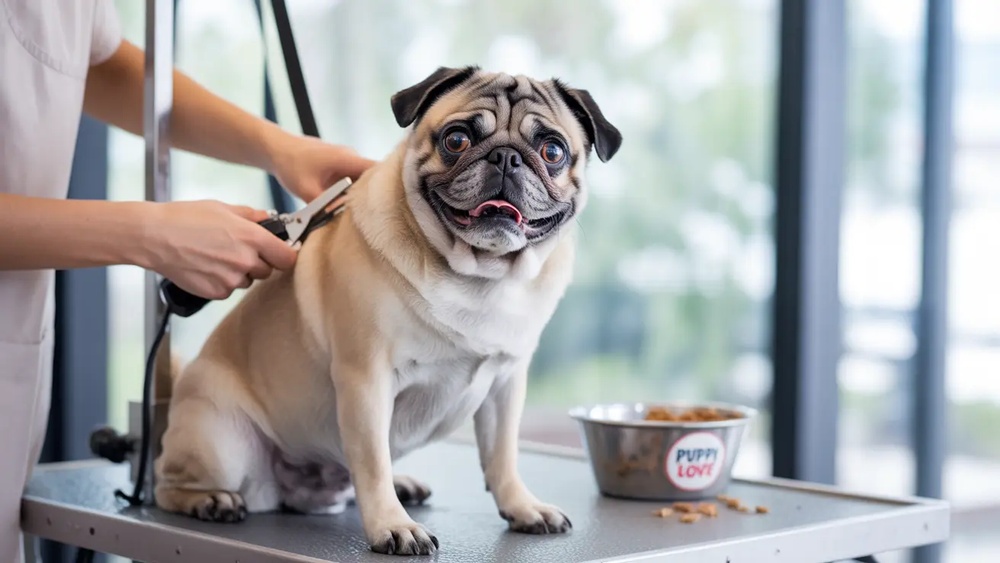
If you have a Pekingese dog, you know how special and charming they are. But keeping their beautiful coat clean and healthy can be tricky if you don’t know the right grooming steps.
You might wonder how often to brush them, what tools to use, or how to handle those delicate areas without stress. This guide will walk you through simple, effective ways to groom your Pekingese so they look and feel their best.
By the end, you’ll feel confident and ready to make grooming a fun, bonding time for both you and your furry friend. Keep reading to discover the secrets to a happy, well-groomed Pekingese!
Pekingese Coat Characteristics
The Pekingese dog has a unique coat that stands out. Its fur needs special care to stay healthy and beautiful. Understanding the coat helps with proper grooming.
Fur Texture And Length
The Pekingese has a long, flowing double coat. The outer fur is straight and harsh to touch. The undercoat is thick, soft, and dense. This combination keeps the dog warm and protected. The fur grows especially long around the neck and chest. This forms a mane, which is a key feature. The coat requires regular brushing to stop mats and tangles. Groomers must be gentle but thorough.
Common Coat Colors
Pekingese dogs come in many colors. Some common ones include gold, cream, and white. Black and tan, sable, and brindle are also popular. Some dogs have patches or mixed colors. Each color looks beautiful and unique. Coat color does not affect grooming needs. It is important to keep the coat clean to show off its color.
Essential Grooming Tools
Grooming a Pekingese dog needs the right tools. These tools help keep the coat clean and healthy. Using proper grooming tools makes the process easier and more comfortable for your dog. Each tool has a special job. Knowing which tools to use helps you care for your Pekingese well.
Brushes And Combs
Brushes and combs remove dirt and loose hair. A slicker brush works well for thick fur. It untangles knots gently without hurting the skin. A metal comb helps find small mats and tangles. Use it after brushing to smooth the coat. Regular brushing stops mats from forming.
Clippers And Scissors
Clippers trim long hair around the paws and belly. Use clippers with quiet motors to avoid scaring your dog. Scissors help shape the fur around the face and ears. Rounded-tip scissors keep your dog safe during trimming. Cut carefully to keep a neat look.
Shampoos And Conditioners
Choose shampoos made for dogs with sensitive skin. They clean the coat without causing dryness or irritation. Conditioners soften the fur and make brushing easier. Use a gentle conditioner after shampooing. It keeps the coat smooth and shiny.
Preparing Your Pekingese
Preparing your Pekingese for grooming is a key step to keep their coat healthy. This small dog has thick fur that needs gentle care. Taking time to prepare helps avoid discomfort during grooming sessions. It also makes the process smoother and faster for both you and your dog.
Brushing Before Bathing
Start by brushing your Pekingese’s coat gently. Use a soft-bristle brush or a comb made for dogs. This removes loose hair and dirt from the fur. Brushing before a bath helps prevent mats from getting tighter when wet. It also spreads natural oils across the coat, keeping it shiny and soft.
Checking For Mats And Tangles
Look closely for any mats or tangles in the fur. These knots can cause pain if left untreated. Use your fingers or a detangling spray to loosen them carefully. Work slowly and be patient to avoid hurting your dog. Removing mats early prevents skin problems and keeps grooming safe.

Credit: www.fourpawsgroomschool.co.uk
Bathing Techniques
Bathing a Pekingese requires gentle care and the right approach. Their thick coat needs special attention during baths. Proper bathing keeps their fur clean, healthy, and shiny. It also prevents skin problems and matting.
Choosing The Right Shampoo
Pick a shampoo made for dogs, not humans. Human shampoo can irritate their skin. Choose a shampoo for sensitive skin to avoid dryness. Look for formulas that clean well but are gentle. Avoid shampoos with harsh chemicals or strong fragrances.
Proper Bathing Steps
Start by brushing your Pekingese to remove loose fur. Use lukewarm water to wet the coat completely. Apply shampoo evenly, avoiding the eyes and inside ears. Massage the shampoo gently into the fur and skin. Rinse thoroughly to remove all shampoo. Any leftover shampoo can cause itching or irritation.
Drying Tips
Use a soft towel to pat your dog dry carefully. Avoid rubbing hard to prevent tangling the fur. You can use a blow dryer on the lowest, coolest setting. Keep the dryer moving to avoid overheating any spot. Make sure your Pekingese is fully dry to prevent skin issues.
Brushing And Detangling
Brushing and detangling a Pekingese dog is a key part of grooming. Their long, thick fur needs regular care to stay healthy. Without brushing, their coat can get messy and uncomfortable. This section explains how to brush your Pekingese daily and how to handle mats safely.
Daily Brushing Routine
Brush your Pekingese every day to keep their coat smooth. Use a soft-bristle brush for gentle care. Start at the head and move toward the tail. Brush in the direction of hair growth. Pay special attention to the chest, legs, and behind the ears. These areas tangle easily. Brushing removes dirt and loose hair. It also helps prevent painful mats from forming.
Handling Mats Safely
Mats happen when hair gets tangled and tight. Do not pull hard. Pulling hurts your dog and can damage the fur. Use a wide-tooth comb to loosen mats gently. Hold the mat close to the skin to reduce pain. Work on small sections at a time. If mats are very tight, use a detangling spray made for dogs. For large mats, visit a professional groomer. Regular brushing helps stop mats from growing.

Credit: www.youtube.com
Trimming And Shaping
Trimming and shaping your Pekingese is important to keep them neat and comfortable. Their thick coat can grow long and tangled without regular care. Proper trimming helps prevent mats and keeps your dog looking tidy.
Focus on delicate areas like the face and feet, where hair can cause discomfort. Also, manage the overall coat length to maintain a clean appearance. Use sharp tools and trim carefully to avoid cuts.
Clipping Around The Face And Feet
Trim hair around the eyes gently to stop irritation. Use small scissors or clippers with care. Keep the hair short near the feet to avoid dirt buildup. This helps your dog walk easily and keeps paws clean. Be patient and calm to keep your Pekingese relaxed during clipping.
Maintaining The Coat Length
Keep the coat at a manageable length to reduce tangles. Use thinning shears to shape the fur without cutting too much. Regular trims every six to eight weeks help maintain the coat. Avoid cutting too close to the skin to protect your dog’s natural insulation.
Ear And Eye Care
Taking care of your Pekingese’s ears and eyes is key for their health. These areas can get dirty or infected if not cleaned regularly. Clean ears and clear eyes help your dog feel comfortable and stay happy.
Cleaning Ears Safely
Check your dog’s ears once a week for dirt and wax buildup. Use a cotton ball dampened with a vet-approved ear cleaner. Gently wipe the outer ear only. Avoid pushing anything deep inside the ear canal. Too much moisture can cause infections. Let your dog shake its head to remove extra liquid. Stop if your dog shows pain or redness. Consult your vet if you see swelling or bad smell.
Managing Tear Stains
Pekingese dogs often have tear stains under their eyes. These stains look like reddish-brown marks on the fur. Clean the area daily using a soft cloth soaked in warm water. Gently wipe from the inside corner of the eye outward. Avoid harsh chemicals or soaps near the eyes. Keep hair trimmed around the eyes to reduce irritation. Tear stains can come from blocked tear ducts or allergies. Visit your vet if stains worsen or your dog seems uncomfortable.

Credit: www.youtube.com
Nail Care Basics
Nail care is an important part of grooming your Pekingese dog. Healthy nails keep your dog comfortable and prevent injuries. Regular trimming helps avoid problems caused by overgrown nails. It also protects your floors and furniture from scratches. Understanding the basics of nail care ensures your Pekingese stays happy and healthy.
Trimming Nails Correctly
Use sharp dog nail clippers designed for small breeds. Hold your dog’s paw firmly but gently. Cut only the tip of the nail. Avoid the quick, the pink part inside the nail. Cutting the quick causes pain and bleeding. Trim nails in a well-lit area for better visibility. Take your time and trim small amounts. Reward your dog with praise or treats after trimming.
Signs Of Overgrown Nails
Long nails may cause your dog to walk awkwardly. You might hear nails clicking on hard floors. Overgrown nails can curl and grow into the paw pads. This can cause pain and infections. Watch for limping or reluctance to walk. These signs show your dog needs a nail trim soon. Regular checks help catch nail problems early.
Maintaining Coat Health
Maintaining the coat health of a Pekingese dog is important for its comfort and appearance. This breed has a thick, long coat that needs special care. A healthy coat shows the dog is well cared for and free from skin problems. Good grooming habits help keep the coat shiny and soft.
Regular brushing removes dirt and loose hair. It also prevents tangles and mats that can hurt the skin. Besides grooming, other factors like diet and health affect the coat’s condition. Proper care makes your Pekingese look its best every day.
Nutrition For A Shiny Coat
Good nutrition helps the coat stay shiny and strong. Feed your Pekingese high-quality dog food rich in omega-3 and omega-6 fatty acids. These fats support skin health and reduce dryness. Protein is also important for hair growth and repair. Fresh water keeps the skin hydrated and healthy. Avoid foods with fillers or artificial ingredients. A balanced diet improves the coat’s texture and shine over time.
Regular Vet Checkups
Regular vet visits help catch skin or coat problems early. Your vet can check for allergies, parasites, or infections. These issues often cause itching, hair loss, or dull fur. Early treatment prevents serious damage and keeps the coat healthy. The vet may suggest supplements or special shampoos. Consistent vet care supports your dog’s overall well-being and coat condition.
Frequently Asked Questions
How Often Should I Groom A Pekingese Dog?
Pekingese dogs need grooming at least once a week. Regular brushing prevents matting and removes loose fur. Frequent grooming keeps their coat healthy and shiny.
What Tools Are Best For Grooming A Pekingese?
Use a slicker brush, metal comb, and grooming scissors. These tools help detangle, trim, and maintain the thick coat effectively. Proper tools reduce discomfort during grooming sessions.
How Do I Safely Trim A Pekingese’s Fur?
Trim slowly and use blunt-tipped scissors. Focus on paws, sanitary areas, and around the face. Regular trims prevent mats and keep your dog comfortable.
Can I Bathe My Pekingese Regularly?
Yes, bathe your Pekingese every 3 to 4 weeks. Use dog-specific shampoos to protect their skin. Avoid overbathing to prevent dryness and irritation.
Conclusion
Grooming a Pekingese dog keeps them healthy and happy. Regular brushing stops mats and tangles from forming. Bathing with gentle shampoo helps maintain their soft coat. Don’t forget to trim nails and clean ears often. A calm, patient approach makes grooming easier for your pet.
Small steps each day build a strong grooming routine. Enjoy the time spent caring for your furry friend. A well-groomed Pekingese shows love and attention. Keep these tips in mind for a beautiful, healthy dog.