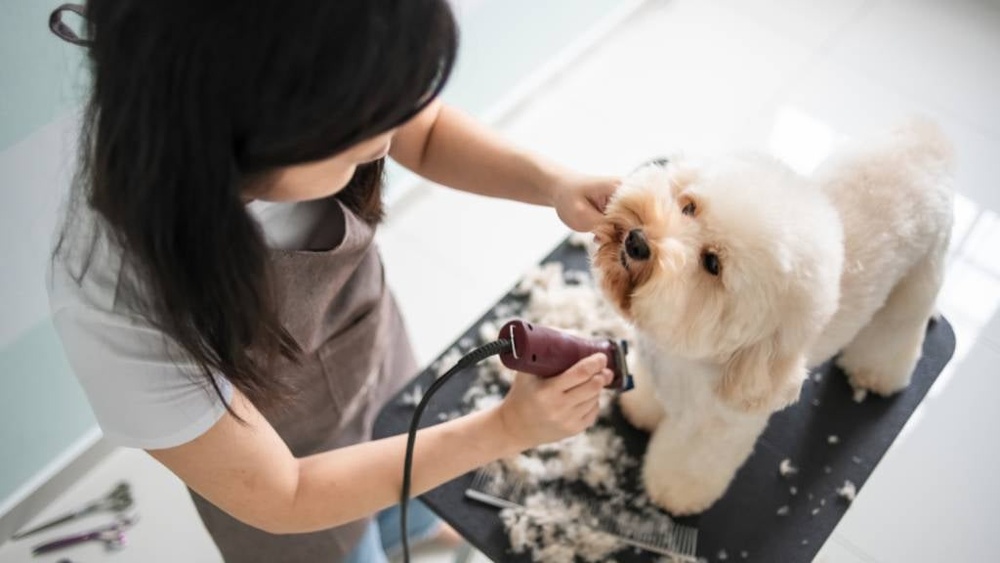
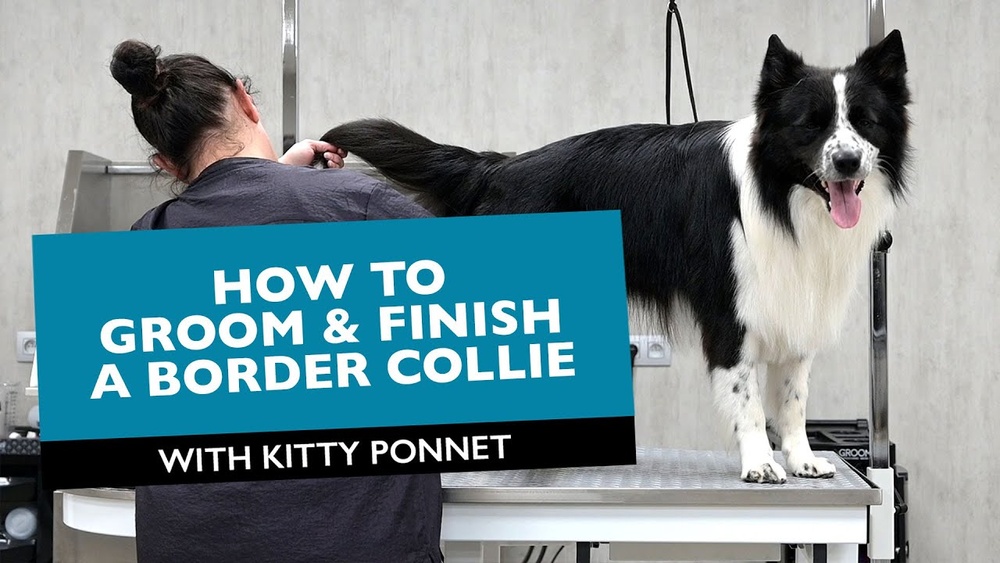
Are you wondering if you can groom your own dog at home? You’re not alone.
Many dog owners want to save money and build a stronger bond with their furry friend by handling grooming themselves. But is it really that simple? Before you grab the clippers or brush, it’s important to know what’s involved and how to keep your dog safe and comfortable.
You’ll discover everything you need to decide if DIY grooming is right for you—and how to do it the right way. Keep reading to learn the secrets that can make grooming your dog a positive experience for both of you.

Credit: www.dogcollectiveco.com.au
Benefits Of Diy Grooming
Grooming your dog at home offers many benefits. It saves money and time. You can build a strong bond with your pet. Plus, it fits your schedule better than salon visits. DIY grooming helps keep your dog clean and happy. It also lets you check their health closely.
Cost Savings
Professional grooming can be expensive. Doing it yourself cuts these costs. Buying basic tools is a one-time expense. You can groom your dog whenever needed. This avoids frequent visits to the groomer. Saving money means more for other pet needs.
Bonding With Your Dog
Grooming is a quiet, calm time together. It helps your dog trust you more. You learn your dog’s likes and dislikes. Touching and brushing builds comfort and love. Grooming can reduce stress for your dog. It becomes a pleasant routine for both.
Convenience And Flexibility
You choose when and where to groom your dog. No need to wait for appointments. Grooming at home fits your daily routine. You can stop if your dog feels tired. This makes grooming less stressful. You control the pace and environment fully.
Credit: www.newsweek.com
Essential Grooming Tools
Grooming your dog at home can be a rewarding experience. Having the right tools makes the job easier and safer. Each tool serves a special purpose to keep your dog clean and comfortable. Understanding these essential grooming tools helps you care for your pet properly.
Brushes And Combs
Brushes and combs remove loose hair and dirt from your dog’s coat. They prevent mats and tangles that can cause pain. Choose a brush based on your dog’s hair type. Slicker brushes work well for long or curly fur. A metal comb helps find and remove small knots. Regular brushing keeps your dog’s skin healthy and shiny.
Clippers And Scissors
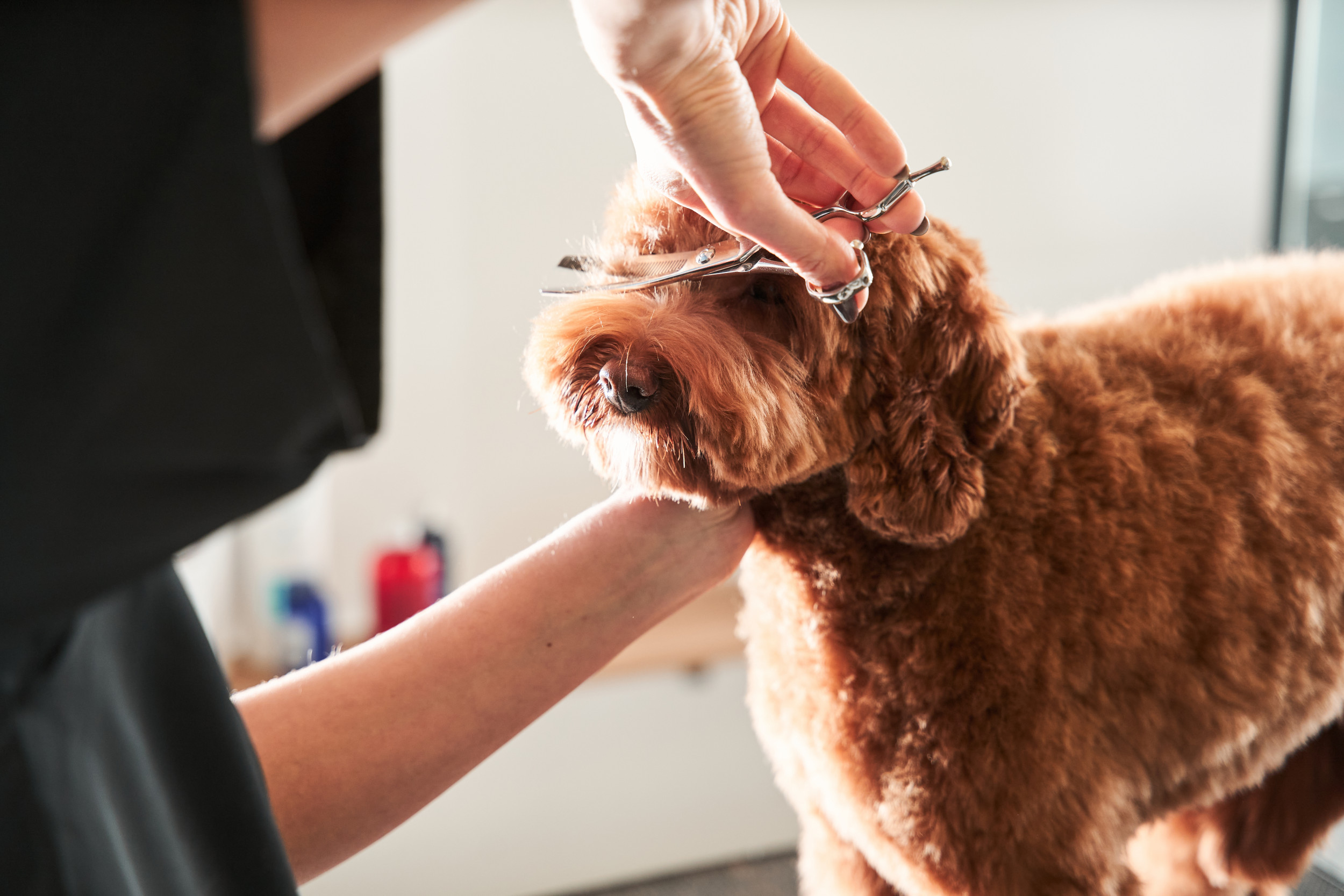
Clippers help trim your dog’s fur quickly and evenly. Use clippers with different blade sizes for various lengths. Scissors are good for delicate areas like around the face or paws. Always use sharp scissors for a clean cut. Take extra care to avoid cutting the skin. Clippers and scissors together keep your dog looking neat.
Nail Trimmers
Proper nail care is important for your dog’s comfort and health. Nail trimmers come in different styles, such as guillotine or scissor types. Trim nails carefully to avoid hitting the quick, which causes pain. Short nails prevent injuries and improve walking. Regular trimming keeps nails at a safe length.
Shampoos And Conditioners
Choose shampoos made for dogs to protect their skin. Human shampoos can irritate or dry out your dog’s coat. Conditioners soften fur and make brushing easier. Some shampoos target specific issues like fleas or dry skin. Bathing with the right products keeps your dog clean and healthy.
Preparing Your Dog For Grooming
Grooming your dog at home needs good preparation. It helps your dog feel safe and relaxed. This makes the grooming process easier and more pleasant for both of you.
Start by setting up a quiet place. Gather all the tools you need before you begin. A calm start helps your dog stay comfortable through the grooming.
Creating A Calm Environment
Choose a quiet room with no distractions. Turn off loud noises like TVs or radios. Use soft lighting to keep the space gentle on your dog’s eyes.
Speak softly and move slowly around your dog. This shows them you are calm and safe. Keep your tools nearby so you do not leave your dog alone.
Brushing Before Bathing
Brush your dog’s coat before the bath. This removes loose hair and tangles. It also helps dirt come off easier during the bath.
Use a brush that suits your dog’s fur type. Be gentle and patient, especially on knots. This step makes bathing faster and less stressful.
Handling Anxious Dogs
Some dogs feel scared during grooming. Notice signs like shaking or hiding. Give them breaks and use calm words to soothe them.
Try short sessions to build trust over time. Reward your dog with treats for good behavior. This helps them feel safe and willing to groom again.
Safe Bathing Techniques
Bathing your dog at home can be safe and pleasant. Knowing the right steps helps keep your dog calm and clean. Follow simple techniques to avoid stress or injury during bath time.
Choosing The Right Water Temperature
Use lukewarm water for your dog’s bath. Water too hot can burn their skin. Cold water may cause discomfort or shock. Test water on your wrist before starting. Keep the temperature steady throughout the bath.
Proper Shampoo Application
Pick a shampoo made for dogs only. Human shampoos can harm their skin. Wet your dog’s coat fully before applying shampoo. Use a small amount and lather gently. Avoid shampoo near eyes, ears, and mouth. Rinse thoroughly to remove all soap.
Drying Methods
Pat your dog dry with a soft towel after the bath. Avoid rubbing hard to prevent tangling fur. Use a hairdryer on the lowest heat if your dog allows. Keep the dryer moving and far from the skin. Make sure your dog is completely dry to stop chills.
Trimming And Clipping Tips
Trimming and clipping your dog at home can save money and build trust. It needs patience and the right tools. Safety is key. Follow simple tips to keep your dog calm and neat.
Selecting The Right Clipper Blades
Choose clipper blades based on your dog’s coat type. Fine blades work best for thin hair. Thick or curly coats need wider blades. Always check blade sharpness to avoid pulling hair. Use blades that suit your dog’s grooming needs.
Avoiding Sensitive Areas
Some areas are delicate, like ears, paws, and belly. Use extra care when trimming there. Move slowly and gently to avoid cuts. Keep the clipper blade cool to prevent burns. Stop if your dog shows signs of discomfort.
Maintaining Even Cuts
Trim in the direction of hair growth for smooth results. Use long, steady strokes to avoid patchiness. Frequently check your work in natural light. Blend edges carefully to create a natural look. Take breaks to keep your dog relaxed and safe.

Credit: www.reddit.com
Nail Care Best Practices
Proper nail care keeps your dog’s paws healthy and comfortable. Regular trimming stops nails from growing too long. Long nails can cause pain and walking problems. Following best practices makes grooming safer and easier for both of you.
Identifying The Quick
The quick is the pink part inside a dog’s nail. It has blood vessels and nerves. Cutting the quick causes bleeding and pain. In dogs with light nails, the quick is easy to see. For dark nails, trim little by little. Stop trimming if you see a black dot in the center.
Using The Right Tools
Use sharp nail clippers made for dogs. Avoid human nail clippers as they can crush the nail. A nail file or grinder smooths rough edges after clipping. Keep tools clean and sharp to prevent splitting. Replace old or dull tools regularly.
Preventing Nail Injuries
Trim nails in a calm, well-lit area. Hold your dog’s paw firmly but gently. Trim small amounts at a time to avoid cutting the quick. Praise your dog to keep it relaxed. Stop if your dog struggles or shows pain. Have styptic powder ready to stop bleeding in emergencies.
Common Grooming Mistakes To Avoid
Grooming your dog at home can save money and build a strong bond. Yet, mistakes during grooming cause problems. Understanding these common errors helps keep your dog healthy and happy. Avoid these to make grooming safe and effective.
Overcutting Fur
Cutting too much fur weakens your dog’s natural protection. Dogs need their coat for warmth and skin protection. Overcutting can cause sunburn and skin irritation. Trim only what is necessary and follow breed-specific guidelines.
Neglecting Regular Maintenance
Skipping grooming sessions leads to tangled fur and skin issues. Regular brushing and trimming prevent mats and discomfort. Check ears, nails, and teeth often. Small, consistent care keeps your dog clean and healthy.
Ignoring Behavioral Signs
Your dog shows when grooming is uncomfortable or painful. Watch for signs like pulling away, growling, or trembling. Stop if your dog is stressed. Use gentle tools and take breaks. Respect your dog’s limits for a better experience.
When To Seek Professional Grooming
Knowing when to choose professional grooming can protect your dog’s health and comfort. Some grooming tasks require special skills and tools. Recognizing these situations helps avoid accidents and stress for your pet.
Complex Coat Types
Dogs with thick, curly, or long coats need expert care. Mats and tangles can hurt your dog’s skin. Professionals know how to handle these coats without causing pain. They use the right tools to keep the coat healthy and clean.
Health Concerns
Dogs with skin problems, wounds, or infections need careful grooming. A professional groomer can spot health issues early. They avoid irritating sensitive areas and help with gentle cleaning. Grooming can be risky if your dog has health problems.
Lack Of Proper Equipment
Home grooming needs good tools for safety and quality. Without sharp clippers, good brushes, or nail trimmers, grooming is hard. Professionals have the right equipment to do the job well. Poor tools can hurt your dog or cause bad results.
Frequently Asked Questions
Can I Safely Groom My Own Dog At Home?
Yes, you can safely groom your dog at home with proper tools and techniques. Always use dog-specific grooming products and be gentle. Regular grooming prevents matting and skin issues. If unsure, consult a professional groomer for guidance.
What Tools Do I Need To Groom My Dog?
Basic tools include a slicker brush, comb, dog shampoo, nail clippers, and scissors. Choose tools based on your dog’s coat type. Proper tools make grooming easier and safer for your dog’s comfort.
How Often Should I Groom My Dog Myself?
Grooming frequency depends on your dog’s breed and coat type. Most dogs benefit from grooming every 4 to 6 weeks. Regular brushing can be done weekly to prevent tangles and shedding.
Can Grooming Reduce My Dog’s Shedding?
Yes, regular grooming helps reduce shedding by removing loose fur. Brushing stimulates skin oils and improves coat health. Grooming also prevents mats that trap dead hair, making your home cleaner.
Conclusion
Grooming your own dog can save money and build trust. It needs patience and the right tools. Watch your dog’s comfort and stop if they get stressed. Some grooming tasks are easy, while others need a pro’s touch. Regular care keeps your dog healthy and happy.
You know your pet best—start slow and learn as you go. Grooming at home can be a bonding time for both of you. Keep it simple, safe, and gentle. Your dog will thank you with a wagging tail.