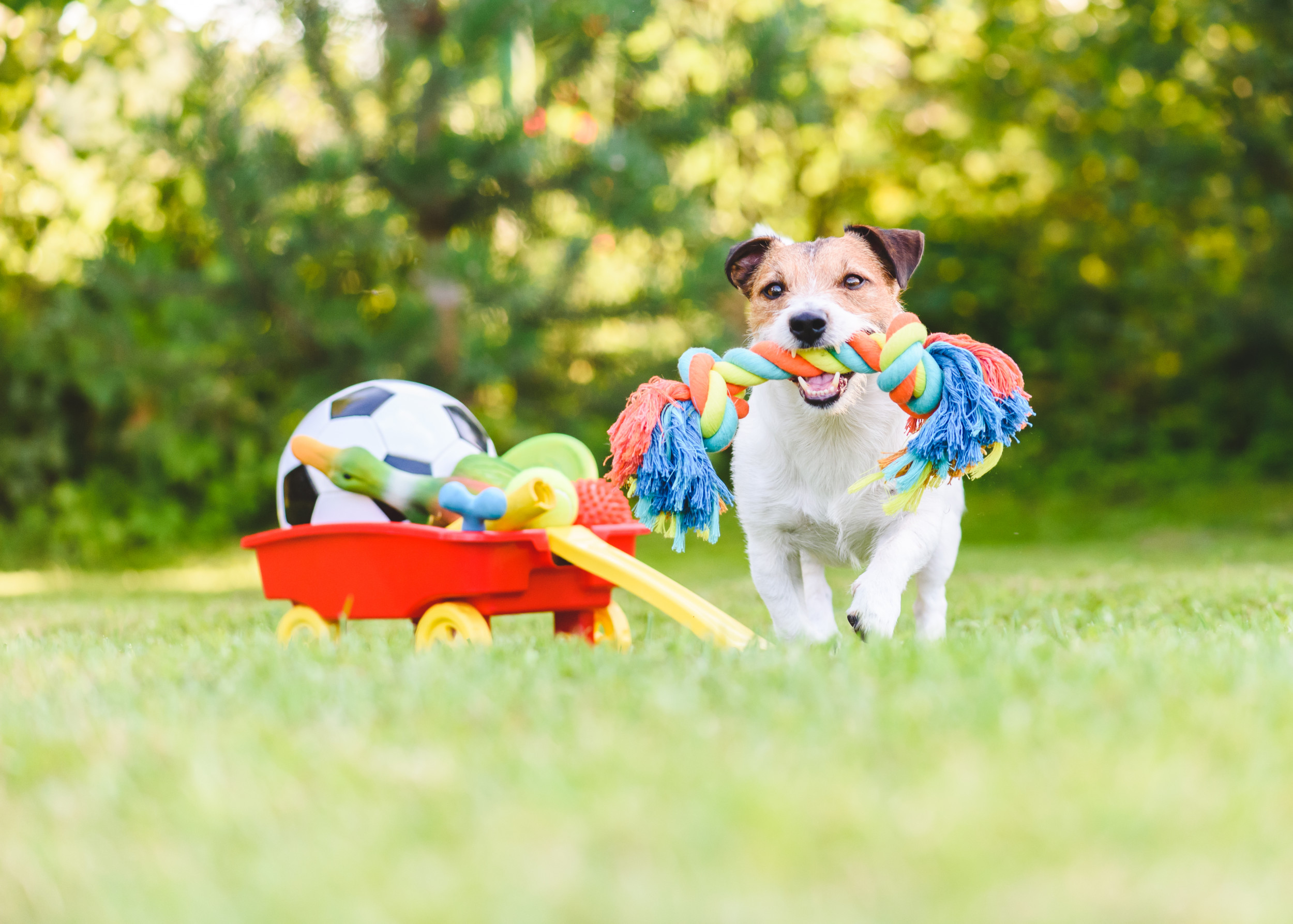
Have you ever wondered how many toys your dog really needs? It’s easy to think more toys mean more fun, but that’s not always true.
Too many toys can overwhelm your furry friend, while too few might leave them bored. Finding the right balance can boost your dog’s happiness and keep your home tidy. You’ll discover the perfect number of toys to keep your dog engaged, happy, and healthy.
Keep reading to find out what works best for your best friend.
Benefits Of Toys For Dogs
Toys bring many benefits to dogs. They help keep dogs happy and healthy. Dogs need toys to stay active and sharp. Toys also help stop bad habits. Giving your dog the right toys improves life quality.
Physical Exercise
Toys encourage dogs to move and play. Running, jumping, and chewing burn energy. Exercise helps keep muscles strong and joints healthy. Active dogs are less likely to gain weight. Toys make exercise fun and easy for dogs.
Mental Stimulation
Toys challenge a dog’s brain. Puzzle toys make dogs think to get treats. New toys keep dogs curious and interested. Mental activity lowers stress and boredom in dogs. Smart dogs are happier and less anxious.
Behavioral Improvement
Toys help reduce destructive behavior. Dogs with toys chew less on furniture. Toys provide a positive way to relieve stress. Playing with toys can improve focus and calmness. Proper toys guide dogs to good habits.
Factors Influencing Toy Quantity
Deciding how many toys a dog should have depends on several important factors. Each dog is unique. Their size, breed, age, activity level, and chewing habits all affect how many toys they need. Understanding these factors helps provide the right amount of toys for your pet’s happiness and health.
Dog’s Size And Breed
Small dogs need fewer toys than large dogs. Large dogs often enjoy bigger, tougher toys. Some breeds like retrievers enjoy fetch toys. Others, like terriers, prefer chew toys. Breed traits guide what kinds and how many toys to offer.
Age And Activity Level
Puppies need many toys to explore and learn. Adult dogs need toys that match their energy. Older dogs may prefer soft, gentle toys. Active dogs require more toys to stay busy and avoid boredom.
Chewing Habits
Strong chewers need durable toys. They may need more toys to replace worn-out ones. Gentle chewers can enjoy soft toys and puzzles. Knowing chewing habits helps choose the right number and type of toys.
Types Of Toys To Include
Choosing the right toys keeps dogs happy and healthy. Different types of toys meet their various needs. Toys can help with chewing, playing, learning, and exercise.
Offering a mix of toys helps your dog stay active and entertained. It also prevents boredom and destructive behavior.
Chew Toys
Chew toys satisfy your dog’s natural urge to chew. They protect your furniture and shoes from damage. Chew toys also keep teeth strong and clean. Look for durable materials that match your dog’s chewing style.
Interactive Toys
Interactive toys engage your dog’s mind and body. These toys require your dog to move or think to get a reward. They build focus and reduce anxiety. Examples include toys that squeak or move when touched.
Fetch Toys
Fetch toys encourage exercise and bonding. Balls and frisbees are popular fetch toys. They are simple and fun for dogs who love to run. Choose toys that are easy to throw and safe to catch.
Puzzle Toys
Puzzle toys challenge your dog to solve problems. These toys hide treats or kibble inside compartments. Dogs use their nose and paws to find the reward. Puzzle toys improve thinking skills and slow down eating.
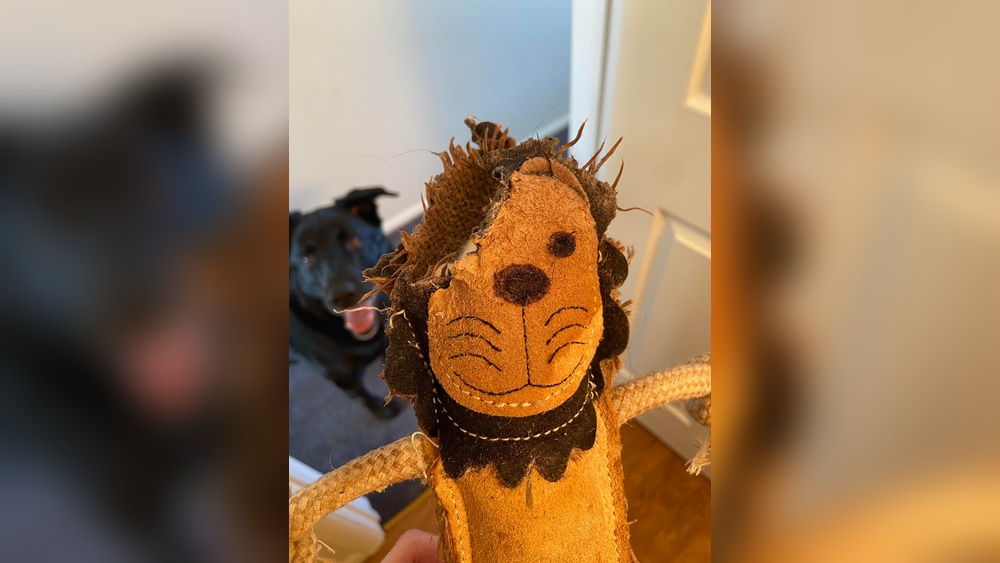
Credit: www.newsweek.com
Ideal Number Of Toys For Dogs
Choosing the right number of toys for your dog is important. Too many toys can overwhelm them. Too few can lead to boredom. Dogs need variety to stay happy and healthy. The ideal number depends on their size and age. This section explains how many toys suit different dogs best.
Small Dogs
Small dogs do well with three to five toys. They enjoy soft toys and small chew toys. Toys should fit their mouths easily. Rotate toys weekly to keep interest. Avoid too many toys that clutter their space.
Medium And Large Dogs
Medium and large dogs need five to seven toys. They like durable toys that can handle chewing. Balls, ropes, and tough chew toys work well. Rotate toys often to prevent boredom. Keep some toys for active play and some for chewing.
Puppies Vs Adult Dogs
Puppies need more toys, around six to eight. They explore with their mouths and need teething relief. Soft chew toys and teething rings help. Adult dogs need fewer toys, about four to six. Their play is calmer and less intense. Rotate toys to keep all dogs engaged and happy.
Rotating Toys For Freshness
Rotating toys keeps your dog interested and happy. Dogs can get bored if they see the same toy every day. Changing toys often makes playtime feel new and fun. This simple habit helps your dog stay active and engaged. It also keeps toys cleaner and lasts longer.
Why Rotate Toys
Dogs enjoy variety just like people. New toys excite their senses and curiosity. Rotating toys stops your dog from losing interest. It prevents chewing on household items out of boredom. Rotating also reduces wear and tear on toys. Your dog will treat toys like special treasures.
How To Rotate Effectively
Start by dividing toys into small groups. Keep some toys away for a few days. Then swap the hidden toys with the ones your dog uses. Watch your dog’s reaction to find favorites. Clean toys before putting them away to keep them fresh. Rotate toys every few days to keep playtime exciting.

Credit: www.amazon.com
Safety Tips For Dog Toys
Choosing the right toys for your dog is not just about fun. Safety matters a lot. Unsafe toys can hurt your dog or cause choking. Follow these tips to keep your pet safe and happy with their toys.
Material Safety
Pick toys made from safe, non-toxic materials. Avoid toys with harmful chemicals or sharp edges. Rubber, nylon, and strong fabric are good options. Check labels to ensure the materials are pet-safe.
Regular Inspection
Check your dog’s toys often for damage. Look for cracks, tears, or loose parts. Throw away broken toys right away. Damaged toys can cause choking or stomach problems.
Proper Size Selection
Choose toys that fit your dog’s size and breed. Small toys can be swallowed by large dogs. Large toys can be hard for small dogs to play with. A good fit prevents choking and makes play safer.
Signs Your Dog Needs More Toys
Dogs need toys to stay happy and healthy. Toys help them use their energy and keep their minds busy. Sometimes, dogs show signs when they need more toys. Watching your dog’s behavior can tell you if it’s time to add new toys.
Boredom Indicators
Your dog may look restless or pace around the house. It might stare at you or the walls without interest. Bored dogs often seem sad or tired. They may yawn a lot or sleep more than usual.
Destructive Behavior
Chewing furniture or shoes can mean your dog needs toys. Dogs might dig in the yard or tear up cushions. This behavior shows they want to play or use their energy. New toys can help stop this damage.
Lack Of Engagement
Your dog may ignore old toys or not play at all. It might look away when you try to play. A dog that lacks interest needs fresh toys to stay active. New toys bring excitement and mental challenge.

Credit: www.psychologytoday.com
Frequently Asked Questions
How Many Toys Does A Dog Need Daily?
A dog typically needs 3 to 5 toys daily. This ensures variety and keeps them mentally stimulated and physically active.
Why Should Dogs Have Multiple Toys?
Multiple toys prevent boredom and destructive behavior. They offer different textures and challenges, promoting overall well-being.
What Types Of Toys Are Best For Dogs?
Choose chew toys, puzzle toys, and fetch toys. Each type serves a different purpose and keeps dogs engaged.
How Often Should Dog Toys Be Rotated?
Rotate dog toys every 1-2 weeks. This keeps toys interesting and maintains your dog’s excitement and engagement.
Conclusion
Dogs enjoy having a few good toys to play with. Too many toys can confuse them or cause mess. Choose toys that match your dog’s size and play style. Rotate toys often to keep your dog interested. Quality matters more than quantity for safe play.
Watch your dog’s reaction to each toy closely. This helps you find the right number for your pet. Happy dogs play more and stay active. Giving your dog the right amount of toys shows care and love. Keep it simple, fun, and safe.