

Are you wondering if nutritional yeast is a good addition to your dog’s diet? You’re not alone.
Many pet owners want to boost their furry friend’s health naturally but worry about the right amount to give. Too little might not make a difference, and too much could cause problems. You’ll discover exactly how much nutritional yeast your dog needs to stay healthy and happy.
Keep reading to learn the simple steps that can make a big difference in your dog’s well-being.
Credit: dogtime.com
Benefits Of Nutritional Yeast For Dogs
Nutritional yeast is a popular supplement for dogs. It contains many nutrients that support your dog’s health. This natural ingredient adds vitamins, minerals, and protein to their diet. Dogs can enjoy better health with regular small amounts of nutritional yeast.
It is easy to sprinkle on their food and has a cheesy flavor dogs often like. Nutritional yeast helps improve several key areas of your dog’s well-being. Here are some important benefits to consider.
Boosting Immune Health
Nutritional yeast contains beta-glucans, which help strengthen the immune system. These compounds support the body’s defense against infections. A strong immune system means your dog can fight illness better. Regular use of nutritional yeast supports lasting immune health.
Supporting Skin And Coat
B vitamins in nutritional yeast promote healthy skin and a shiny coat. These nutrients help reduce dryness and itching. A smooth, glossy coat shows your dog is healthy inside. Nutritional yeast supports skin repair and keeps fur soft and vibrant.
Enhancing Digestion
Natural enzymes in nutritional yeast aid digestion. They help break down food for better nutrient absorption. This leads to improved gut health and less stomach upset. Adding nutritional yeast can support your dog’s digestive system naturally.
Safe Dosage Amounts
Understanding the safe dosage amounts of nutritional yeast for dogs is important. Giving the right amount supports health without causing problems. Nutritional yeast adds vitamins and minerals to your dog’s diet. Too much can cause upset stomach or allergies. Follow clear guidelines based on your dog’s size, age, and health needs.
Dosage By Dog Size
Small dogs need less nutritional yeast than large dogs. For dogs under 20 pounds, start with 1/4 teaspoon per day. Medium dogs between 20 and 50 pounds can have 1/2 teaspoon daily. Large dogs over 50 pounds may take 1 teaspoon each day. Always watch your dog for any signs of discomfort.
Dosage By Dog Age
Puppies and young dogs need smaller amounts of nutritional yeast. Use a tiny pinch for puppies under six months old. Adult dogs can have the full recommended dose for their size. Older dogs may need less, especially if they have sensitive digestion. Adjust amounts carefully and consult your vet if unsure.
Dosage For Specific Health Needs
Dogs with allergies or sensitive stomachs require lower doses. Start with a very small amount, like 1/8 teaspoon. Dogs with skin or coat problems may benefit from regular doses, but increase slowly. For dogs with health issues, always check with your vet first. Nutritional yeast can help, but safety comes first.
How To Introduce Nutritional Yeast
Introducing nutritional yeast to your dog requires care and attention. This helps your dog adjust to the new taste and avoid any stomach problems. Follow clear steps to make the process smooth and safe for your pet.
Starting With Small Amounts
Begin by giving your dog a tiny pinch of nutritional yeast. This small amount lets your dog’s body get used to it. Gradually increase the amount over several days. Do not rush this process to avoid upset stomachs.
Mixing With Regular Food
Sprinkle the nutritional yeast over your dog’s usual meals. Mixing it well with food helps mask the taste. Your dog will accept the new ingredient more easily this way. Keep meals balanced and avoid adding too much at once.
Monitoring For Reactions
Watch your dog closely after introducing nutritional yeast. Check for signs like itching, vomiting, or diarrhea. Stop feeding it if any negative signs appear. Consult your vet if you notice unusual symptoms or have concerns.

Credit: www.nextritionpet.com
Potential Side Effects
Nutritional yeast can be a helpful supplement for dogs. Yet, it may cause some side effects. Knowing these effects helps you keep your dog safe and healthy. Watch your dog closely after giving nutritional yeast.
Allergic Reactions
Some dogs may be allergic to nutritional yeast. Signs include itching, swelling, or redness. Your dog might scratch more or have skin rashes. If these signs appear, stop giving the yeast. Call your vet for advice right away.
Digestive Upset
Too much nutritional yeast can upset your dog’s stomach. Vomiting, diarrhea, or gas may happen. Start with a small amount to see how your dog reacts. Slowly increase the dose if no problems occur. Keep fresh water nearby to prevent dehydration.
Interactions With Medications
Nutritional yeast can affect some medicines. It may change how drugs work or cause side effects. Tell your vet if your dog takes medicine. They can guide you on safe use with yeast. Never change medicine doses without professional advice.
Forms Of Nutritional Yeast
Nutritional yeast comes in several forms. Each type offers different benefits for your dog. Understanding these forms helps you choose the best option. The texture, nutrient content, and quality vary by form. This guide explains the main types of nutritional yeast.
Flakes Vs. Powder
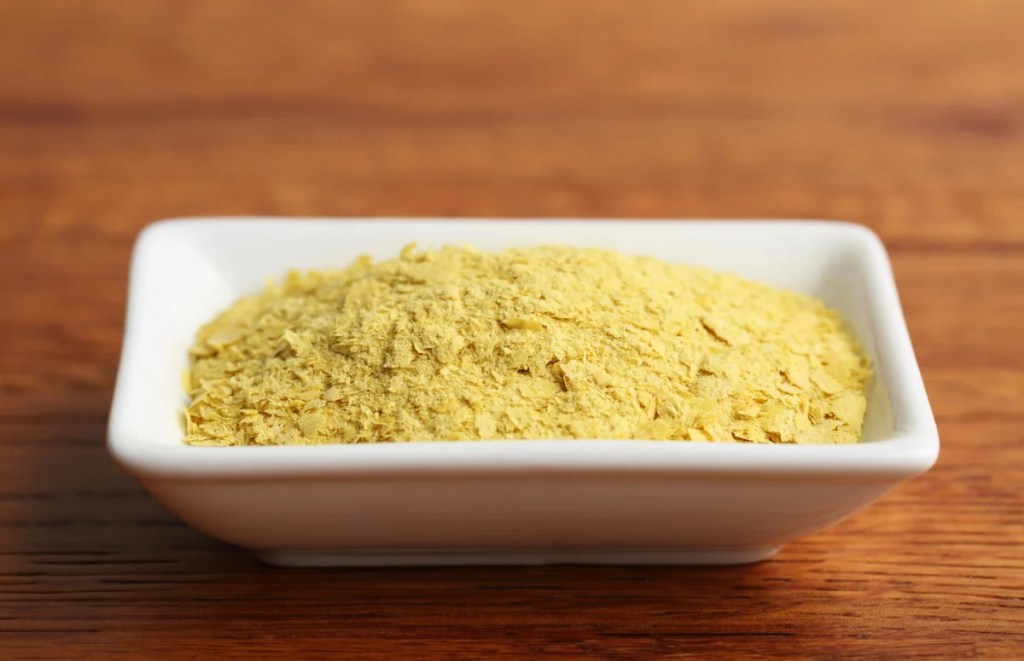
Flakes are the most common form of nutritional yeast. They have a light, flaky texture that mixes well with food. Dogs often enjoy the mild, cheesy flavor. Powdered yeast is finely ground. It blends easily into wet or dry food. Powder may be better for picky eaters or small dogs. Both forms provide similar nutrients. Choose based on how your dog prefers to eat.
Fortified Vs. Unfortified
Fortified nutritional yeast has added vitamins. Most often, extra vitamin B12 is included. This vitamin supports your dog’s nerve and blood health. Unfortified yeast is natural and pure. It contains only the nutrients found in yeast. Fortified yeast offers extra nutritional benefits. Unfortified is good for dogs needing fewer supplements. Check the label to know what you buy.
Choosing Quality Brands
Pick brands that use safe, high-quality ingredients. Look for yeast grown on clean sources like sugarcane or beet molasses. Avoid products with fillers or artificial additives. Organic and non-GMO options are ideal. Trusted brands test their products for purity. Quality yeast ensures your dog gets the best nutrients. Always read reviews and labels before buying.

Credit: www.amazon.com
Tips For Safe Usage
Using nutritional yeast for dogs can add health benefits. Safe usage is important to avoid problems. Follow simple tips to keep your pet healthy and happy.
These tips help you give the right amount and avoid risks. Learn how to use nutritional yeast safely and effectively.
Consulting Your Vet
Ask your vet before adding nutritional yeast. They know your dog’s health history. Vets can suggest the best amount for your dog’s size and needs. This step helps prevent health issues and allergies.
Avoiding Overdose
Give small doses at first. Too much nutritional yeast can cause stomach upset. Watch your dog for signs like vomiting or diarrhea. Stick to recommended amounts to keep your dog safe. Overdose can harm your dog’s health.
Balancing With Other Supplements
Nutritional yeast is not the only supplement your dog needs. Balance it with other vitamins and minerals. Too many supplements can cause health problems. Keep track of all supplements your dog takes. This helps maintain a healthy diet for your dog.
Frequently Asked Questions
How Much Nutritional Yeast Is Safe For Dogs Daily?
A safe daily amount of nutritional yeast for dogs is about 1 teaspoon per 10 pounds. Introduce it gradually to avoid digestive upset. Always consult your vet before adding new supplements to your dog’s diet for personalized advice.
Can Nutritional Yeast Cause Allergies In Dogs?
Nutritional yeast is generally safe but can cause allergies in some dogs. Watch for itching, swelling, or digestive issues. If symptoms appear, stop feeding it and consult your vet immediately to ensure your dog’s safety.
What Are The Benefits Of Nutritional Yeast For Dogs?
Nutritional yeast boosts dogs’ immune systems and supports healthy skin and coat. It provides B vitamins and protein, enhancing overall health. Use it as a supplement, not a replacement for balanced dog food.
How To Introduce Nutritional Yeast To My Dog’s Diet?
Start with a small amount, about 1/4 teaspoon, mixed in your dog’s food. Gradually increase to the recommended amount over a week. Monitor your dog for any signs of intolerance or allergies during this period.
Conclusion
Nutritional yeast can be a healthy treat for dogs in small amounts. Start with a pinch and watch your dog’s reaction carefully. Too much can upset their stomach. It adds vitamins and a cheesy flavor dogs often enjoy. Always check with your vet before adding new foods.
Balance and moderation keep your dog happy and safe. Use nutritional yeast as a supplement, not a meal. This helps your dog stay healthy and enjoy tasty snacks. Simple steps make a big difference in your dog’s diet.


