

If you’re wondering when to switch your dog to adult food, you’re not alone. Making this change at the right time is important for your dog’s health and happiness.
Feed them too early, and they might miss out on vital nutrients. Wait too long, and they could gain unnecessary weight or miss key growth milestones. You’ll discover exactly when to make the switch and how to do it smoothly.
Keep reading to give your furry friend the best start in their adult life.
Credit: companionpethospital.com
Puppy Growth Stages
Puppy growth stages mark important changes in their diet and nutrition needs. Each phase shapes how puppies develop physically and mentally. Understanding these stages helps to decide the right time to switch to adult dog food.
Newborn To Weaning
Newborn puppies rely completely on their mother’s milk. It provides all the nutrients they need to grow strong. During this stage, solid food is not suitable. Puppies nurse frequently to get energy and immunity support.
Weaning To Three Months
Weaning starts around three to four weeks old. Puppies begin to eat soft, mushy food mixed with water or puppy formula. This helps their teeth and digestive system adjust gradually. Feeding small, frequent meals supports steady growth.
Three To Six Months
By three months, puppies eat solid puppy food. Their bodies need more protein and calories for energy. Meal portions increase, but still split into several small meals daily. This stage is crucial for muscle and bone development.

Credit: shop.bullymax.com
Signs Of Readiness For Adult Food
Knowing when to switch your dog to adult food is important. Dogs grow fast, and their diet needs change as they get older. Watching for clear signs helps you make the right choice. These signs show your dog is ready for adult food.
Physical Development
One clear sign is your dog’s size. Puppies usually reach their full height by six to twelve months. Their teeth also change. Baby teeth fall out and adult teeth grow in. Muscle tone improves as well. These changes mean their body can handle adult food.
Behavioral Changes
Puppies become calmer as they grow. They may lose some puppy energy and focus more on training. Their eating habits can change too. They might eat less often but finish their meals faster. These behaviors suggest they are ready for adult food.
Nutritional Needs
Adult dogs need different nutrients than puppies. Protein and fat levels adjust to support maintenance, not growth. Feeding puppy food too long can cause weight gain. Adult food supports a healthy weight and energy level. This shift in diet matches their new nutritional needs.
Ideal Age To Switch
Choosing the right time to switch your dog to adult food is important. Puppies need special nutrition to grow strong. The ideal age varies by breed size. Each breed grows at a different pace. Giving adult food too early can harm their growth. Too late can lead to weight gain. Knowing when to switch helps keep your dog healthy.
Small Breeds
Small breed dogs grow quickly. They reach adulthood faster than larger dogs. Usually, switch to adult food at 9 to 12 months. Their bodies stop growing early. Adult food supports their energy needs well. Feeding puppy food too long can cause weight gain.
Medium Breeds
Medium breeds grow at a steady pace. They need puppy food for about 12 months. Switching after one year is safe. At this age, their growth slows down. Adult food helps maintain a healthy weight. It also supports their muscle development.
Large Breeds
Large breed dogs take longer to mature. They may grow for up to 18-24 months. Wait until their growth plates close. Switching too soon can cause joint problems. Use large breed puppy food until then. After 18 months, adult food is best for them.
Transitioning To Adult Food
Transitioning your dog to adult food is an important step in their growth. This change supports their health and energy needs as they mature. The process needs care and patience to avoid upsetting their stomach or causing stress.
Gradual Food Introduction
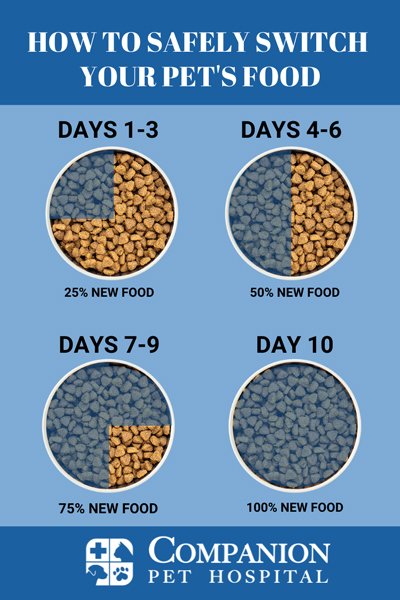
Start by mixing a small amount of adult food with puppy food. Slowly increase the adult food portion over 7 to 10 days. This helps your dog’s stomach adjust without problems. Sudden changes can cause digestive upset and refusal to eat.
Monitoring Digestive Health
Watch for signs of digestive trouble like diarrhea or vomiting. Check your dog’s stool for consistency and frequency. A healthy transition usually means normal digestion and regular bowel movements. If problems continue, slow the transition or consult a vet.
Adjusting Portion Sizes
Adult dogs need less food than puppies of the same weight. Adjust portions based on your dog’s activity and body condition. Overfeeding can lead to weight gain, while underfeeding causes energy loss. Follow feeding guidelines on the adult food package and adjust as needed.
Risks Of Early Or Late Switching
Changing your dog’s food at the right time is very important. Switching too early or too late can cause problems. Dogs need specific nutrients at each stage of life. Feeding adult food too soon or keeping puppy food too long can affect their health. Understanding these risks helps keep your dog healthy and strong.
Nutrient Deficiencies
Puppy food contains more nutrients for growth. Adult food has fewer nutrients for growing puppies. Switching too early can cause a lack of vitamins and minerals. This can lead to weak bones and poor development. On the other hand, late switching means your dog gets too many nutrients. This can upset their balance and cause health issues.
Weight Management Issues
Puppy food is richer in calories to support growth. Adult dogs need fewer calories to avoid weight gain. Early switching may make your puppy feel hungry and underfed. Late switching can cause your dog to gain too much weight. Overweight dogs may face joint pain and heart problems.
Growth Problems
Proper nutrition helps puppies grow strong and healthy. Feeding adult food too soon can slow growth and harm bones. Late switching can cause your dog to grow too fast. This can lead to bone and joint problems later in life. Correct timing ensures steady and healthy development for your dog.
Credit: www.bluebuffalo.com
Consulting Your Veterinarian
Consulting your veterinarian is an important step before switching your dog to adult food. Vets know your dog’s health best. They can guide you on the right time to change diets. This helps avoid health problems and supports your dog’s growth and energy needs.
Health Assessments
Veterinarians check your dog’s overall health before diet changes. They look for signs of illness or allergies. These checks ensure your dog can digest adult food well. Regular assessments track growth and weight. This keeps your dog healthy and strong.
Tailoring Diet Plans
Every dog is unique. Vets create diet plans based on your dog’s breed, age, and activity. They suggest the best adult food types and portion sizes. Tailored plans help maintain good nutrition. This supports your dog’s energy and body needs.
Special Dietary Needs
Some dogs need special diets due to health issues. Vets identify these needs through tests and exams. They recommend foods that support conditions like allergies or sensitive stomachs. Special diets help manage health and improve life quality. Your vet’s advice ensures safe food choices.
Frequently Asked Questions
When Should I Switch My Puppy To Adult Dog Food?
You should switch your puppy to adult food around 12 months old. Large breeds may need to wait until 18-24 months. Consult your vet for personalized advice based on breed and growth.
What Signs Indicate A Dog Is Ready For Adult Food?
Signs include slowed growth, reduced energy needs, and reaching adult size. Your vet can help confirm if your dog’s ready for the switch.
Can Feeding Adult Food Too Early Harm My Puppy?
Yes, feeding adult food too early can cause nutritional imbalances. Puppies need higher protein and fat for growth, which adult food lacks.
How To Transition My Dog From Puppy To Adult Food?
Transition gradually over 7-10 days by mixing increasing adult food with decreasing puppy food. This helps avoid digestive upset.
Conclusion
Choosing the right time to switch your dog to adult food is key. Puppies need special nutrition to grow strong and healthy. Most dogs are ready for adult food between 9 and 12 months old. Watch your dog’s size, breed, and energy levels closely.
Talk to your vet for the best advice. A smooth change helps your dog adjust without stomach upset. Feeding adult food too early or late can cause problems. Take your time and pay attention to your dog’s needs. This way, your dog stays happy and healthy for years.


