

Are you wondering which vegetables are safe and healthy for your dog to eat? Feeding your furry friend the right veggies can boost their nutrition and keep them happy.
But not all vegetables are good for dogs, and some can even be harmful. You’ll discover the best nutritional vegetables your dog can enjoy. Keep reading to learn how to make your dog’s diet healthier and tastier with simple, natural ingredients you might already have at home.
Benefits Of Vegetables For Dogs
Vegetables can be a healthy part of a dog’s diet. They provide many important nutrients that dogs need to stay strong and active. Adding vegetables to your dog’s meals can help improve their overall health. Some vegetables also support digestion and keep their body working well.
Nutritional Value
Vegetables offer vitamins and minerals essential for dogs. They contain vitamins A, C, and K, which support vision, skin, and immune health. Many vegetables provide fiber, which helps with digestion. They also supply antioxidants that protect cells from damage. These nutrients help dogs stay healthy and energetic.
Health Improvements
Vegetables can help reduce the risk of some diseases. They support a strong immune system and reduce inflammation. Some vegetables lower the chance of heart problems and cancer. Feeding vegetables regularly can improve skin and coat condition. Dogs often feel better and have more energy with a balanced diet.
Digestive Support
Fiber in vegetables helps keep a dog’s digestive system healthy. It supports regular bowel movements and prevents constipation. Some vegetables act as natural prebiotics, feeding good bacteria in the gut. A healthy gut means better nutrient absorption and fewer stomach problems. This leads to a happier and more comfortable dog.
Safe Vegetables For Dogs
Vegetables can be a healthy treat for dogs. They add vitamins and fiber to their diet. Some vegetables are safe and tasty for dogs. These veggies also support good digestion and strong immune systems. Always serve them plain and in small amounts. Avoid seasoning or oils that can upset your dog’s stomach.
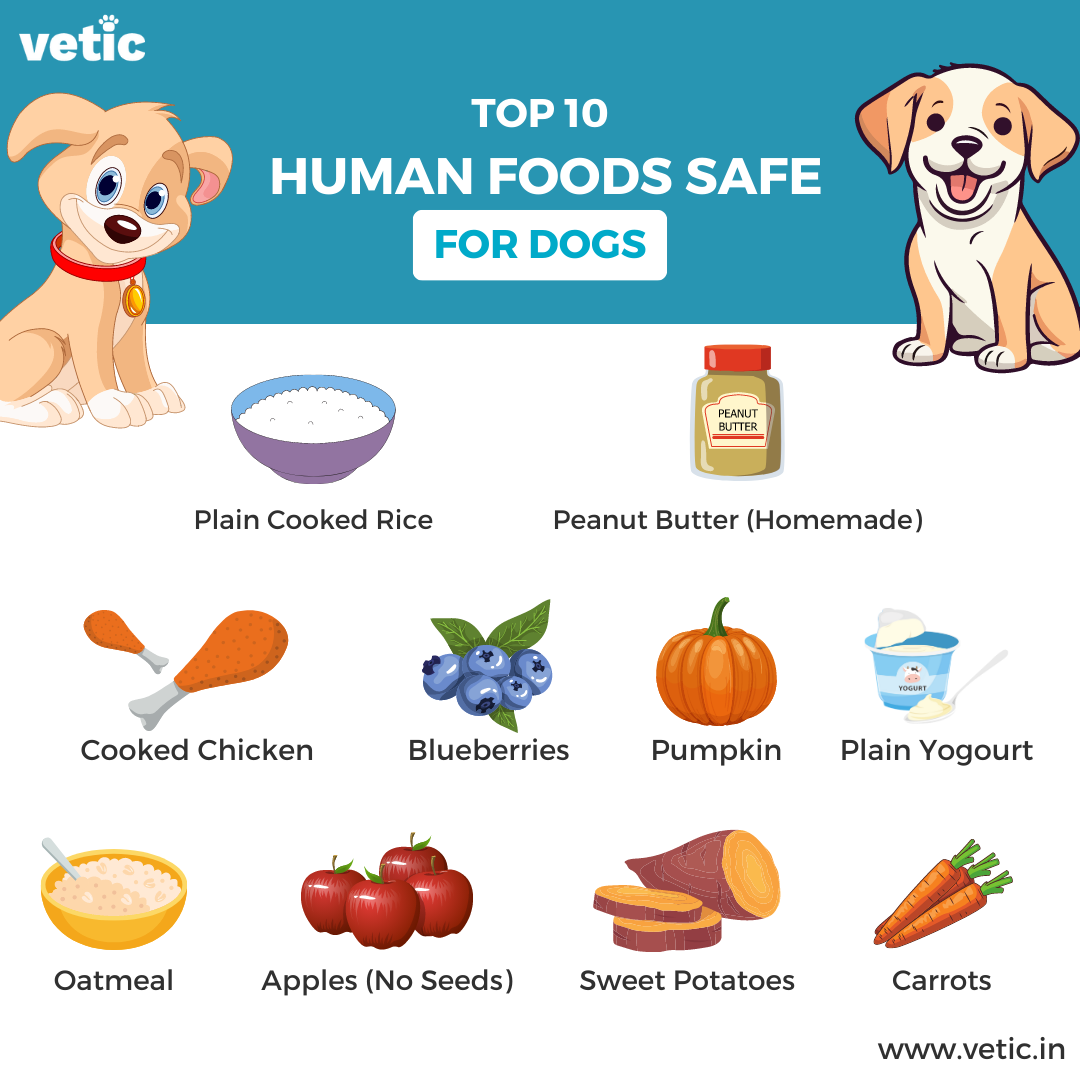
Carrots
Carrots are crunchy and sweet. They are low in calories and high in fiber. Dogs enjoy chewing carrots, which helps clean their teeth. Carrots provide vitamin A, which supports eye health. Cut them into small pieces to avoid choking.
Green Beans
Green beans are full of vitamins and minerals. They are low in calories and can help with weight control. Dogs like their mild taste and crunchy texture. Serve green beans cooked or raw, but plain. Avoid canned green beans with added salt.
Sweet Potatoes
Sweet potatoes are rich in fiber and vitamins. They help with digestion and provide energy. Cook sweet potatoes well before feeding your dog. Avoid raw or undercooked sweet potatoes to prevent stomach upset. Cut into small, bite-sized pieces for safety.
Peas
Peas contain vitamins A, K, and B vitamins. They also offer protein and fiber. Dogs often enjoy peas fresh, frozen, or cooked. Avoid peas with added salt or seasonings. Peas can be a good addition to a balanced diet.
Pumpkin
Pumpkin is great for digestion and can ease stomach issues. It is high in fiber and vitamins. Use plain cooked pumpkin or canned pumpkin without spices. Avoid pumpkin pie filling or products with sugar. Small amounts help keep your dog’s digestive system healthy.
Vegetables To Avoid
Not all vegetables are safe for dogs. Some can harm their health seriously. Knowing which vegetables to avoid keeps dogs safe and healthy.
Toxic Vegetables
Certain vegetables contain poisons that hurt dogs. Onions, garlic, and leeks can damage their red blood cells. Eating these can cause weakness and breathing problems. Chives also belong to this group and should be kept away from dogs.
Raw potatoes and rhubarb leaves are toxic too. They can cause stomach pain and even kidney failure. Avoid feeding these vegetables to dogs at all times.
Digestive Issues
Some vegetables cause stomach upset in dogs. Corn, peas, and beans may lead to gas and diarrhea. Dogs have trouble digesting these well. Too much fiber from certain veggies can also cause vomiting or constipation.
It is best to introduce new vegetables slowly. Watch for signs of discomfort or changes in stool. Stop feeding any vegetable that causes problems.
Allergic Reactions
Dogs can be allergic to some vegetables. Symptoms include itching, swelling, or redness on the skin. They may also have trouble breathing or vomit after eating. Sweet potatoes and carrots sometimes cause allergies in sensitive dogs.
Consult a vet if allergic signs appear. Avoid giving the vegetable that triggers the reaction. Always observe your dog closely after trying new foods.
Credit: omshanti.cat
How To Prepare Vegetables
Preparing vegetables for your dog is key to safe and healthy feeding. Raw vegetables can be hard to digest or pose choking risks. Cooking and cutting them properly make nutrients easier to absorb. It also helps your dog enjoy the flavors without any tummy troubles.
Cooking Methods
Steaming is the best way to cook vegetables for dogs. It keeps nutrients while softening the veggies. Boiling is okay but avoid adding salt or spices. Roasting can work but do not use oils or seasonings. Avoid frying or using strong spices. Cook until vegetables are tender but not mushy.
Portion Sizes
Vegetables should be a small part of your dog’s diet. Start with one or two tablespoons for small dogs. Larger dogs can have up to a quarter cup. Watch your dog’s reaction to new veggies. Too much can cause stomach upset. Adjust portion sizes based on your dog’s size and health.
Serving Tips
Cut vegetables into small, bite-sized pieces. This prevents choking and makes eating easier. Mix veggies with your dog’s regular food for better acceptance. Use plain vegetables without sauces or seasoning. Always offer fresh, clean water alongside the vegetables. Remove any uneaten veggies after a few hours.
Incorporating Veggies Into Diet
Adding vegetables to your dog’s diet boosts nutrition and supports health. Veggies provide vitamins, minerals, and fiber. They help digestion and keep your dog active. Start slowly to let your dog adjust to new tastes and textures. Watch for any allergic reactions or stomach upset. Many dogs enjoy crunchy or soft veggies mixed into meals. Use fresh, plain vegetables without seasoning or salt. Variety keeps your dog interested and nourished.
Mixing With Regular Food
Chop or puree vegetables finely. Mix them into your dog’s regular kibble or wet food. This hides the veggies and makes eating easy. Carrots, green beans, and peas work well. Start with small amounts to avoid stomach upset. Gradually increase the quantity as your dog gets used to the taste. Mixing veggies with food also adds moisture and fiber.
Treat Alternatives
Use vegetables as healthy treats instead of store-bought snacks. Slices of cucumber, carrot sticks, or steamed sweet potato pieces are great. These options have fewer calories and no harmful additives. Cut veggies into bite-size pieces for easy chewing. This keeps your dog happy and supports weight control. Always check that the vegetable is safe before offering it as a treat.
Homemade Dog Meals
Preparing homemade meals lets you control ingredients. Include a balance of protein, grains, and vegetables. Cook vegetables lightly to soften them for better digestion. Sweet potatoes, pumpkin, and spinach are nutritious choices. Avoid onions, garlic, and other toxic plants. Homemade meals can meet your dog’s unique needs. Consult a vet to ensure proper nutrition and portion sizes.

Credit: www.animigo.co.uk
Signs Of Vegetable Intolerance
Not all vegetables suit every dog. Some dogs may show signs of vegetable intolerance. Recognizing these signs helps keep your pet safe and healthy. Early detection prevents serious health problems. Watch your dog closely after introducing new vegetables.
Digestive Symptoms
Digestive issues are common signs of vegetable intolerance. Your dog might vomit or have diarrhea. Gas and bloating also indicate trouble digesting vegetables. Sometimes, you may notice a loss of appetite. These symptoms usually appear soon after eating.
Behavioral Changes
Intolerance can affect your dog’s mood and energy. They might become restless or irritable. Some dogs show signs of discomfort or pain. Lethargy or unusual tiredness can also occur. These changes suggest your dog is not feeling well.
When To Consult A Vet
Contact your vet if symptoms persist for more than a day. Severe vomiting or diarrhea requires immediate attention. Watch for signs of dehydration, such as dry gums or weakness. Your vet can recommend tests or special diets. Never ignore ongoing signs of intolerance in your dog.
Credit: wopet.com
Frequently Asked Questions
What Vegetables Are Safe For Dogs To Eat?
Dogs can safely eat carrots, green beans, sweet potatoes, cucumbers, and peas. These vegetables provide vitamins and fiber. Avoid toxic ones like onions and garlic.
Can Dogs Eat Raw Vegetables Or Cooked Only?
Dogs can eat both raw and cooked vegetables. Raw veggies retain more nutrients but may be harder to digest. Lightly steaming is a good option for better digestion.
How Do Vegetables Benefit A Dog’s Health?
Vegetables add fiber, vitamins, and antioxidants to a dog’s diet. They support digestion, boost immunity, and improve coat health. Including veggies can also help with weight management.
Are There Vegetables Dogs Should Avoid Completely?
Yes, dogs should avoid onions, garlic, leeks, and chives. These can cause toxicity and damage red blood cells. Also, avoid raw potatoes as they contain harmful compounds.
Conclusion
Feeding dogs healthy vegetables supports their well-being and energy. Choose safe veggies like carrots, green beans, and sweet potatoes. Avoid toxic vegetables such as onions and garlic. Always introduce new foods slowly and watch for reactions. Fresh, plain vegetables add nutrients and fiber to meals.
Balanced diets help dogs stay happy and active. Simple changes can improve your pet’s health daily. Remember, a healthy dog is a joyful companion.


