

Are you wondering if your playful puppy can eat the same food as your adult dog? It’s a question many pet owners face, and the answer isn’t as simple as you might think.
What you feed your puppy now can shape their health and growth for years to come. Keep reading to discover why choosing the right food matters and how you can make the best decision for your furry friend’s future.
Puppy Nutrition Needs
Puppies need special food to grow strong and healthy. Their bodies change fast during the first months. Proper nutrition supports their bones, muscles, and brain development. Feeding puppies the right food is very important for their future health.
Adult dog food does not meet the needs of growing puppies. It may lack important nutrients puppies require. Understanding puppy nutrition helps owners choose the best food.
Growth And Development
Puppies grow quickly in their first year. Their bones and muscles develop fast. They need extra calories to support this growth. Adequate protein helps build strong muscles. Fat provides energy for active puppies. Vitamins and minerals support healthy bones and immune systems. Puppy food is made to match these needs.
Nutrient Requirements
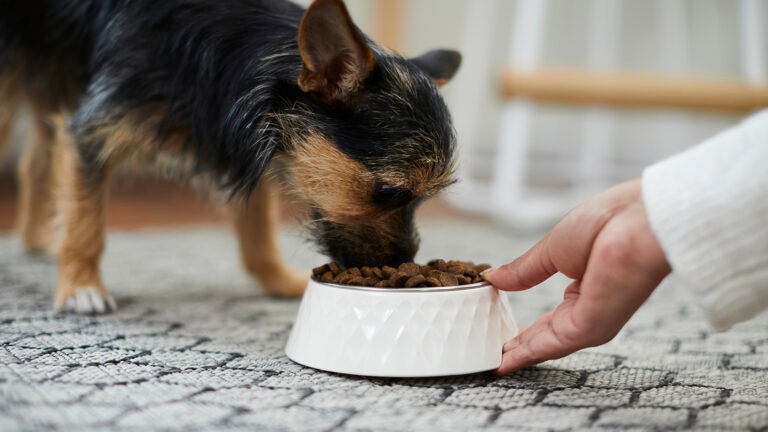
Puppies need higher levels of protein than adult dogs. Protein supports tissue and muscle growth. Calcium and phosphorus help build strong bones. Puppies need more fat for energy than adults. Essential fatty acids promote brain and eye health. Puppy diets include these nutrients in the right amounts. Adult dog food does not have enough of these nutrients for puppies.
Credit: www.chewy.com
Differences Between Puppy And Adult Dog Food
Puppies and adult dogs have different nutritional needs. Their bodies grow and develop at different rates. This means their food must support these changes properly.
Puppy food is specially made to help young dogs grow strong and healthy. Adult dog food focuses on maintaining health and energy in mature dogs. Understanding the differences helps keep your dog healthy at every life stage.
Calorie Content
Puppy food has more calories than adult dog food. Puppies need extra energy for growth and play. Adult dogs need fewer calories to avoid weight gain. Feeding the right calories keeps dogs healthy and active.
Protein And Fat Levels
Puppy food contains higher protein and fat amounts. These nutrients help build muscles and support brain development. Adult dog food has less protein and fat to maintain body condition. Correct levels help dogs stay fit and strong.
Vitamin And Mineral Balance
Puppy food has extra vitamins and minerals for bone growth. Calcium and phosphorus are crucial for strong bones and teeth. Adult dog food has balanced vitamins to keep health steady. Proper vitamins and minerals prevent deficiencies and support overall health.
Risks Of Feeding Puppies Adult Dog Food
Feeding puppies adult dog food can cause serious problems. Puppies need special nutrition to grow healthy and strong. Adult dog food lacks some important nutrients for puppies. This can lead to health issues that affect their development. Understanding these risks helps keep puppies safe and healthy.
Nutritional Deficiencies
Puppies require more protein, fat, and vitamins than adult dogs. Adult food often has lower levels of these nutrients. This can cause puppies to miss essential nutrients. Missing nutrients can weaken their immune system. Growth and energy levels may drop. Nutritional gaps can harm their overall health.
Digestive Issues
Puppies have sensitive stomachs that need gentle food. Adult dog food can be too rich or hard to digest. This may cause vomiting or diarrhea. Digestive problems can lead to dehydration. Puppies may refuse to eat if food upsets their stomach. Proper puppy food supports healthy digestion and comfort.
Delayed Growth
Proper growth needs balanced nutrition and energy. Adult dog food does not provide enough calories for puppies. Lack of energy slows bone and muscle development. Delayed growth can cause weak bones and joints. Puppies may become smaller and less active. Feeding the right food supports strong, steady growth.
When Adult Dog Food Might Be Acceptable
Puppies need special nutrition for healthy growth. Their food has more protein, fat, and nutrients than adult dog food. Still, there are some cases where adult dog food can work for puppies. Understanding these cases helps keep your puppy healthy.
Using adult dog food for puppies is not ideal for long periods. But short-term use or veterinarian advice can make it okay. This section explains when adult dog food might be acceptable for your puppy.
Short-term Use
Short-term use means feeding adult dog food to a puppy for a few days. This can happen during travel or emergencies. If puppy food is not available, adult dog food is better than no food.
Short-term feeding usually does not cause harm. Puppies may miss some nutrients but will be fine for a short time. Watch your puppy for any signs of discomfort or illness.
Veterinarian Recommendations
A veterinarian may suggest adult dog food for some puppies. This can happen if the puppy has health issues or specific dietary needs. Vets can guide which adult dog food is safe and how long to use it.
Follow all vet advice carefully to avoid nutrition problems. Regular check-ups help ensure your puppy grows well even on adult food. Always ask your vet before changing your puppy’s diet.
Tips For Transitioning Puppy Food
Switching a puppy from puppy food to adult dog food takes care and time. Puppies need different nutrients than adult dogs. Changing food too fast can upset their stomach or cause refusal to eat.
Following a smooth process helps the puppy adjust well. Watching their health and behavior during the change is important. This keeps the puppy happy and healthy.
Gradual Change Process
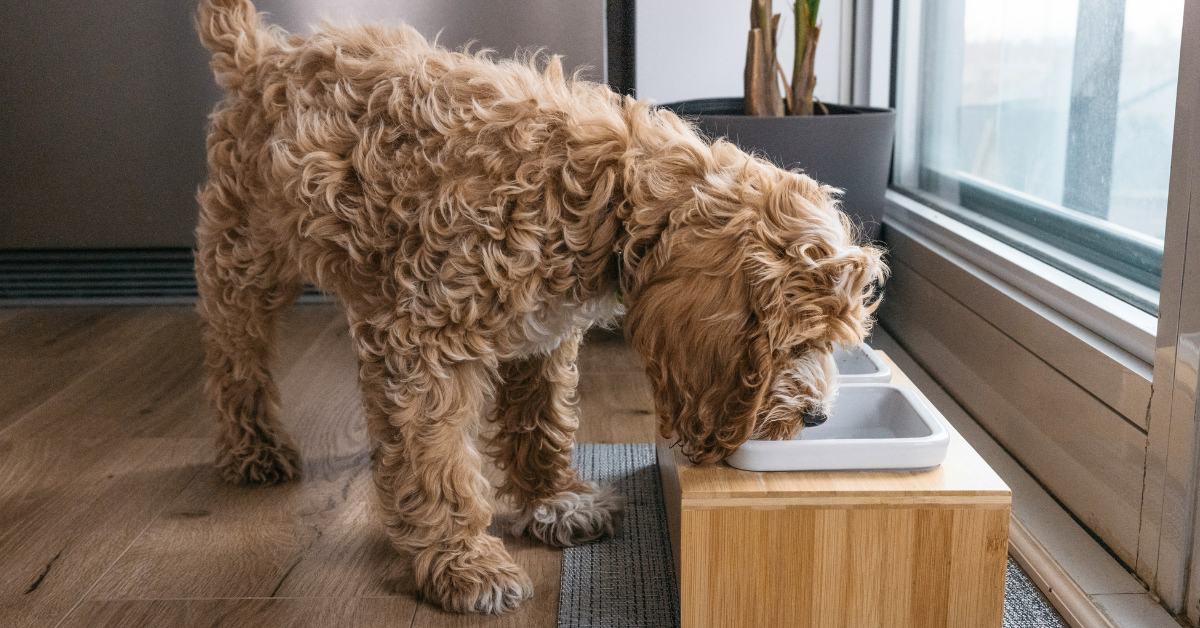
Start by mixing a small amount of adult food with puppy food. Over 7 to 10 days, slowly increase the adult food amount. This helps the puppy’s digestive system adapt. Avoid switching food all at once. A quick change can cause diarrhea or vomiting. Keep the puppy’s feeding schedule regular. Consistency supports good digestion and eating habits.
Monitoring Health And Behavior
Watch the puppy’s stool for any changes in color or softness. Check for signs of stomach upset like vomiting or gas. Notice if the puppy eats less or shows less energy. These signs can mean the food change is too fast. If problems appear, slow down the transition. Give the puppy time to get used to the new food. Regular vet visits help ensure proper growth and health.
Credit: www.acanapetfoods.co.uk
Expert Advice For Feeding Puppies
Puppies have special needs for their growth and health. Feeding them the right food is very important. This section shares expert advice to help you feed your puppy well. Follow these simple tips to support your puppy’s development.
Choosing The Right Food
Puppies need food made just for their age. Adult dog food lacks some nutrients puppies require. Look for puppy formulas with more protein and fat. These help build strong muscles and energy. Avoid giving adult dog food to puppies regularly. It may cause poor growth or health problems.
Feeding Schedules
Puppies eat more often than adult dogs. Feed them small meals 3 to 4 times a day. This keeps their energy steady and helps digestion. Gradually reduce meal frequency as they grow. Consistent timing helps puppies feel secure and learn good habits.
Consulting Professionals
Talk to a vet about your puppy’s diet. Vets can recommend the best food and portion sizes. They check for allergies or special needs. Professional advice ensures your puppy stays healthy and happy. Regular check-ups help track growth and adjust feeding plans.
Credit: www.bowlerspets.com
Frequently Asked Questions
Can Puppies Eat Adult Dog Food Safely?
Puppies should not eat adult dog food regularly. Adult formulas lack essential nutrients for growth. Feeding puppy-specific food supports healthy development and stronger immunity.
What Happens If Puppies Eat Adult Dog Food?
Puppies eating adult food may miss vital nutrients. This can cause poor growth and weak bones. Long-term feeding may lead to health issues and stunted development.
When Can Puppies Switch To Adult Dog Food?
Puppies can switch to adult food around 12 months old. This timing varies by breed size and vet advice. Gradual transition helps avoid digestive upset and maintains balanced nutrition.
Is Adult Dog Food Harmful To Puppies?
Adult dog food is not toxic but lacks puppy needs. It may cause nutrient deficiencies and slower growth. Always choose food designed for puppies for optimal health.
Conclusion
Puppies need special food to grow strong and healthy. Adult dog food lacks some nutrients puppies require. Feeding adult food to puppies can cause health problems. Choose food made just for puppies to support their growth. Always check with a vet before changing your puppy’s diet.
Good nutrition helps puppies become happy, active dogs. Remember, their food matters as much as their care. Keep your puppy’s meals balanced and safe for best results.


