

Grooming your dog at home might seem tricky, but it’s easier than you think. Imagine saving time and money while keeping your furry friend happy and looking great.
You don’t need fancy tools or a professional salon to give your dog a fresh, clean look. This guide will show you simple steps you can follow right now. Ready to make grooming a fun and stress-free part of your routine?
Keep reading to discover how you can become your dog’s favorite groomer.
Credit: www.vevor.com
Preparing For Grooming
Preparing your dog for grooming at home is an important first step. It helps make the process smooth and stress-free. Taking time to get ready means your dog will stay calm and safe. You also avoid mess and confusion by planning ahead.
Gathering Essential Tools
Collect all tools before starting the grooming. You will need a brush, comb, nail clippers, and dog shampoo. Have towels and a blow dryer ready too. Keep everything close so you don’t interrupt the process.
Choosing The Right Location
Pick a quiet, well-lit spot for grooming. A bathroom or kitchen works well because they are easy to clean. Use a non-slip mat to keep your dog steady. Avoid noisy or busy areas that can scare your pet.
Calming Your Dog
Help your dog relax before grooming. Speak softly and offer gentle pets. Give treats to create a positive mood. Let your dog sniff the tools to reduce fear. Stay patient and calm throughout the session.
Bathing Your Dog
Bathing your dog is an important part of home grooming. It helps keep your dog clean and healthy. Regular baths remove dirt, odors, and loose hair. Bathing also helps spot skin problems early. A calm and gentle bath makes your dog feel comfortable.
Selecting Suitable Shampoo
Choose a shampoo made for dogs only. Human shampoo can irritate their skin. Pick one that matches your dog’s coat type. Sensitive skin needs a mild, fragrance-free shampoo. Avoid harsh chemicals and strong scents. Use medicated shampoo if your vet recommends it.
Proper Bathing Technique
Brush your dog before the bath to remove loose hair. Use lukewarm water to wet your dog gently. Avoid water in the ears and eyes. Apply shampoo evenly and massage it into the coat. Rinse thoroughly to remove all soap. Leftover shampoo can cause itching and irritation.
Drying Tips
Use a towel to pat your dog dry softly. Avoid rubbing hard as it can tangle the fur. For long-haired dogs, use a blow dryer on low heat. Keep the dryer moving to avoid overheating. Let your dog air dry in a warm room if possible. Dry coats prevent skin infections and matting.
Brushing And Detangling
Brushing and detangling are key steps in grooming your dog at home. They keep your dog’s coat clean and healthy. Regular brushing removes dirt, loose hair, and prevents mats. Detangling stops painful knots from forming in the fur. Both make your dog feel comfortable and look great.
Choosing The Correct Brush
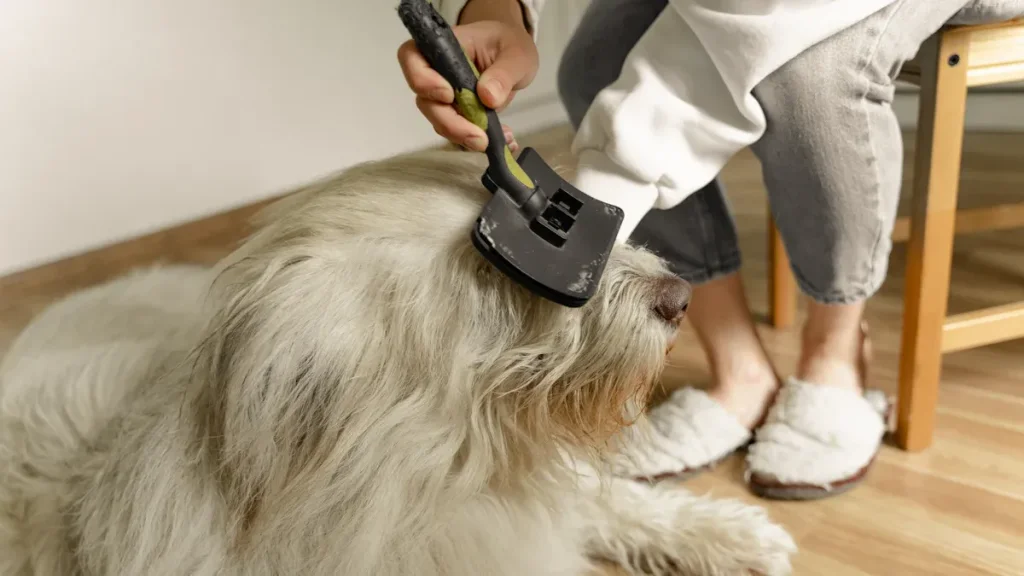
Select a brush that suits your dog’s coat type. For short hair, use a bristle brush. It removes dirt and loose fur. For long or curly hair, a slicker brush works best. It reaches deep into the coat. A pin brush also helps with tangles. Check your dog’s skin for sensitivity before brushing.
Removing Mats And Tangles
Start by gently separating small mats with your fingers. Use a detangling spray to ease the process. Work slowly with a slicker brush or comb. Hold the fur close to the skin to avoid pulling. Cut out large mats carefully if needed. Regular detangling stops mats from becoming painful.
Brushing Frequency
Brush short-haired dogs once a week. Long-haired dogs need brushing every day or every other day. More frequent brushing keeps the coat smooth and shiny. Adjust brushing based on your dog’s activity and coat condition. Watch for signs of discomfort during brushing sessions.
Trimming Fur
Trimming your dog’s fur at home helps keep them clean and comfortable. Regular trims prevent mats and tangles. It also controls shedding and keeps your pet cool. Trimming fur is a simple task with the right tools and care. Follow safe methods to avoid hurting your dog. Shaping the fur adds to your dog’s neat look. Let’s explore how to trim your dog’s fur safely and effectively.
Tools For Haircuts
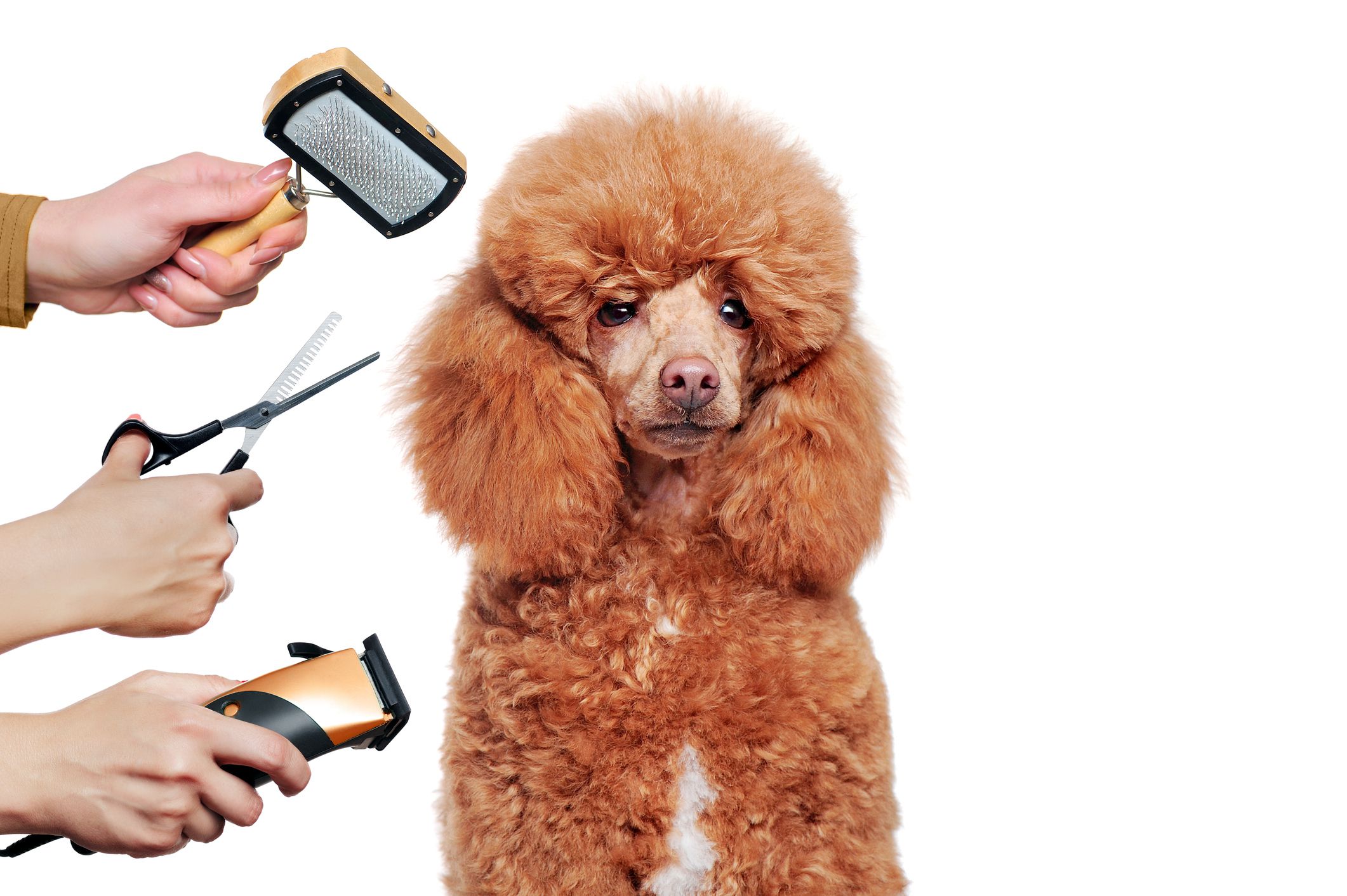
Choose tools made for dog grooming. Sharp scissors help cut small areas. Electric clippers work well for large patches. Use combs to detangle fur before trimming. Replace blades often for clean cuts. Keep all tools clean to avoid infections. Have a towel ready to calm your dog.
Safe Clipping Methods
Start trimming in a calm, quiet place. Hold your dog gently but firmly. Trim small sections at a time. Move clippers in the direction of hair growth. Avoid clipping too close to the skin. Watch for signs your dog feels pain. Stop immediately if your dog shows discomfort.
Shaping And Styling
Shape your dog’s fur by trimming evenly. Focus on areas like paws, ears, and tail. Use scissors to trim around the face carefully. Keep the fur short but natural looking. Avoid cutting too much at once. Shape the fur to fit your dog’s breed style. Regular trims keep your dog looking tidy.
Nail Care
Nail care is an important part of grooming your dog at home. Keeping your dog’s nails short helps prevent pain and injury. Regular nail care also keeps your floors and furniture safe from scratches. Many dogs dislike nail trimming, so gentle and patient handling is key.
Trimming Nails Safely
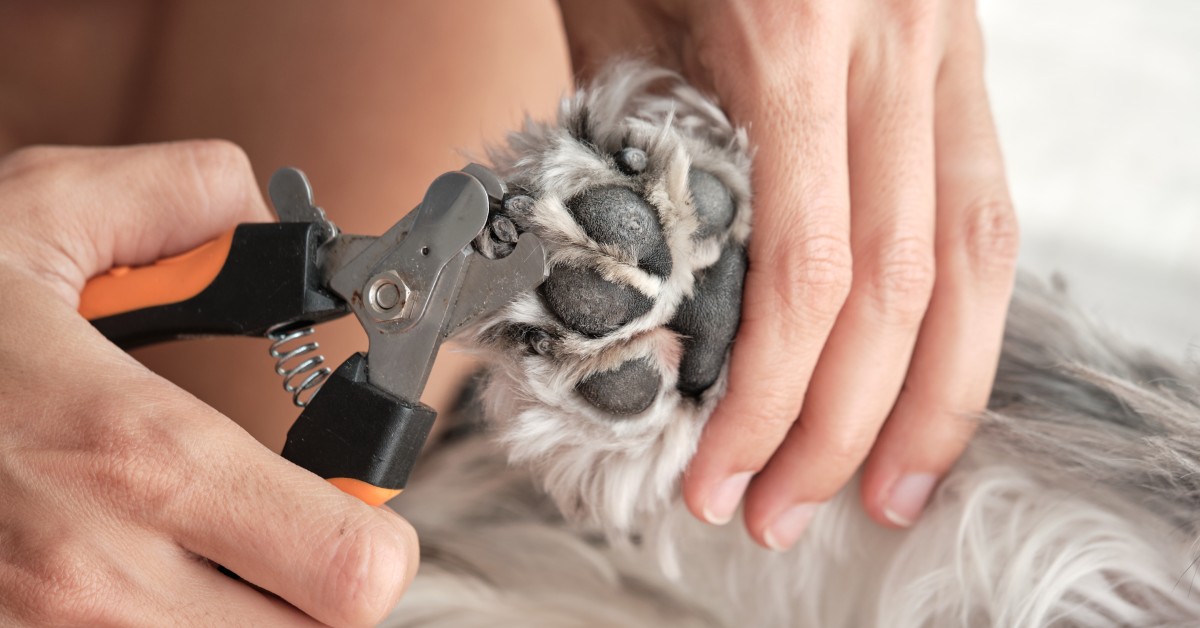
Use sharp nail clippers made for dogs. Hold your dog’s paw firmly but gently. Cut small bits at a time. Avoid cutting the quick, the pink part inside the nail. It has blood vessels and nerves. Cutting it causes bleeding and pain. If your dog has dark nails, trim little by little. Stop if you see a black dot in the nail center.
Using Nail Grinders
Nail grinders smooth the nails after trimming. They help shape nails evenly. Grinders are quieter and less scary than clippers for some dogs. Use the grinder at a low speed at first. Keep the grinder moving to avoid heat buildup. Take breaks to calm your dog. Grinding takes more time but is gentle and safe.
Preventing Discomfort
Calm your dog before and during nail care. Use treats and praise to reward good behavior. Work in a quiet, well-lit area. Check nails regularly to avoid overgrowth. If your dog resists, try short sessions often. Stop if your dog shows pain or stress. Keep styptic powder nearby to stop bleeding if needed.
Credit: www.petassure.com
Ear And Teeth Care
Taking care of your dog’s ears and teeth is important for their health. Clean ears prevent infections and pain. Healthy teeth keep your dog comfortable and avoid bad breath. Regular care helps catch problems early. Here are some simple steps for ear and teeth care at home.
Cleaning Ears Properly
Use a vet-approved ear cleaner to clean your dog’s ears. Put a small amount in the ear canal. Gently massage the base of the ear for 20 seconds. Let your dog shake its head to remove dirt. Wipe the outer ear with a soft cloth. Never use cotton swabs inside the ear. Clean ears once a week or as needed.
Brushing Teeth At Home
Choose a toothbrush and toothpaste made for dogs. Human toothpaste can harm dogs. Brush your dog’s teeth gently in a circular motion. Focus on the front and back teeth. Brush teeth two to three times a week. Start slow and reward your dog for good behavior. Regular brushing reduces plaque and bad breath.
Signs Of Infection
Watch for redness, swelling, or bad smell in ears. Scratching or shaking the head often means irritation. In teeth, look for red gums or bleeding. Avoid letting your dog chew on hard objects. If your dog shows pain or stops eating, visit a vet. Early care stops infections from getting worse.
Post-grooming Tips
After grooming your dog, proper care helps keep them comfortable and healthy. Post-grooming tips ensure your dog feels good and enjoys the process next time. These simple steps make grooming easier for both of you.
Rewarding Your Dog
Give your dog a treat right after grooming. This creates a positive link with grooming time. Praise your dog softly to calm them down. Play with them a little to release any stress. Rewards make your dog eager for the next session.
Regular Grooming Schedule
Set a grooming routine based on your dog’s breed and coat type. Short-haired dogs may need grooming every few weeks. Long-haired dogs usually need grooming more often. Stick to this schedule to avoid mats and skin problems. Regular grooming keeps your dog clean and healthy.
When To Visit A Professional
Some grooming tasks need a professional’s touch. Nail trimming can be tricky and painful if done wrong. Dogs with thick or curly coats may require expert care. Visit a groomer if your dog feels anxious or difficult to handle. Professionals help with special needs and keep your dog safe.
Credit: www.cheapism.com
Frequently Asked Questions
How Often Should I Groom My Dog At Home?
Grooming frequency depends on your dog’s breed and coat type. Generally, once every 4 to 6 weeks keeps your dog clean and healthy. Regular brushing in between prevents matting and reduces shedding. Adjust grooming based on your pet’s specific needs and activity level.
What Tools Do I Need For Home Dog Grooming?
Basic grooming tools include a slicker brush, comb, nail clippers, dog shampoo, and a towel. For long-haired breeds, add detangling spray and scissors. Using the right tools ensures effective grooming and keeps your dog comfortable throughout the process.
Can I Trim My Dog’s Nails Safely At Home?
Yes, you can trim nails safely with proper tools and technique. Use dog nail clippers and avoid cutting into the quick, which causes pain and bleeding. Trim small amounts gradually and reward your dog to make the experience positive.
How Do I Bathe My Dog Properly At Home?
Use lukewarm water and dog-friendly shampoo to bathe your dog. Wet the coat thoroughly, lather shampoo, and rinse well to avoid skin irritation. Dry your dog with a towel or blow dryer on low heat, ensuring they stay warm after the bath.
Conclusion
Grooming your dog at home helps keep them clean and happy. Regular brushing stops mats and spreads natural oils. Trimming nails prevents pain and injury. Bathing with gentle shampoo keeps skin healthy. Check ears and teeth for signs of trouble.
Taking time makes grooming less stressful for your pet. You build trust and care through these simple steps. Healthy grooming habits lead to a joyful, comfortable dog. Keep practicing, and your dog will enjoy the routine. Simple care makes a big difference every day.

