
Are you wondering if a grain-free diet is the best choice for your dog’s health? With so many options on the market, it’s easy to feel confused about what to feed your furry friend.
You want to make sure your dog gets the right nutrients and stays happy and energetic. But is cutting out grains really the answer? Keep reading to discover the facts, benefits, and possible risks of a grain-free diet. By the end, you’ll have a clearer idea of what’s truly best for your dog’s well-being.
Credit: www.dvm360.com
Grain-free Diet Basics
A grain-free diet for dogs removes all grains from their meals. This type of diet focuses on proteins and vegetables instead. Many dog owners choose grain-free food to avoid allergies or digestive problems. Understanding the basics helps in making the right choice for your dog’s health.
What Is A Grain-free Diet?
A grain-free diet means dog food without wheat, corn, rice, or barley. It replaces these grains with other ingredients like potatoes, peas, or lentils. The idea is to mimic a dog’s natural diet, which is mostly meat and plants. Some dogs may benefit from grain-free diets if they have grain sensitivities.
Common Grains In Dog Food
Many dog foods contain grains such as corn, wheat, rice, and oats. These grains provide energy and fiber for dogs. They are also affordable and easy to digest for most dogs. Some dogs, however, may have trouble digesting certain grains or could be allergic to them.
Reasons For Choosing Grain-free
Many dog owners choose grain-free diets for their pets. They believe these diets support better health and comfort. Grain-free dog food excludes wheat, corn, rice, and other grains. This choice often comes from specific health concerns or personal preferences. Understanding the reasons helps decide if grain-free suits a dog’s needs.
Food Allergies And Sensitivities
Grains can cause allergies or sensitivities in some dogs. Signs include itching, redness, or digestive upset. Grain-free diets remove common allergens found in grains. This helps reduce allergic reactions and skin problems. Some dogs feel better and have fewer symptoms with grain-free food.
Digestive Health Claims
Grain-free food may improve digestion for certain dogs. Some owners report less gas, bloating, and diarrhea. Grain-free diets use ingredients that are easier to digest. They often contain more protein and fiber from vegetables and meats. These changes can support a healthier gut and better nutrient absorption.
Nutritional Impact On Dogs
Understanding the nutritional impact of a grain-free diet on dogs is important. Dogs need balanced food to stay healthy and active. Grain-free diets remove grains like wheat, corn, and rice. This change affects the sources of protein and carbohydrates in their meals. It also influences the availability of essential nutrients. Knowing these effects helps pet owners make better food choices.
Not all grain-free foods are the same. Some provide good nutrition, while others might lack key ingredients. Careful selection ensures dogs receive the right nutrients for growth and energy.
Protein And Carbohydrate Sources
Grain-free dog foods use different protein sources. Common options include chicken, beef, fish, and eggs. These proteins help build muscles and support body functions. Some grain-free diets add plant proteins like peas or lentils. These plants provide extra protein but may not have all essential amino acids.
Carbohydrates come from vegetables and legumes. Sweet potatoes, peas, and chickpeas replace grains. These carbs give energy and fiber. Fiber helps digestion and keeps dogs full longer. Grain-free carbs often have fewer calories than grains. This helps maintain a healthy weight for active dogs.
Essential Nutrients In Grain-free Foods
Grain-free diets can supply all essential nutrients. Vitamins and minerals come from meat, vegetables, and added supplements. Taurine, an important amino acid, is often added. Taurine supports heart health and vision. Omega-3 and omega-6 fatty acids help skin and coat condition.
Some grain-free foods may lack certain B vitamins found in grains. Manufacturers usually add these to keep the diet balanced. Checking labels for complete nutrient profiles is important. Balanced grain-free foods can meet dogs’ daily nutritional needs well.
Credit: www.aspca.org
Health Benefits And Risks
Choosing a grain-free diet for dogs brings both health benefits and risks. This choice depends on your dog’s unique needs and health condition. Understanding the potential advantages and concerns helps in making a wise decision for your pet’s diet.
Potential Advantages
Grain-free diets may reduce allergies and skin problems in some dogs. Dogs with grain sensitivities often show less itching and irritation. These diets can improve digestion for dogs who struggle with grains. Some dogs experience better energy levels and coat quality. Grain-free food often contains more protein from meat sources. This can support muscle growth and overall health. It may also help dogs with certain food intolerances feel better.
Concerns And Side Effects
Grain-free diets can lack important nutrients found in grains. This may cause imbalances if not carefully formulated. Some dogs may develop heart problems linked to grain-free food. The FDA has studied cases of canine heart disease related to these diets. Digestive upset like diarrhea or gas can occur at the start. Cost tends to be higher for grain-free dog foods. Not all dogs need grain-free diets; some do well with grains. Always watch your dog’s health closely after diet changes.
Fda Findings And Warnings
The FDA has looked into grain-free diets for dogs. Their findings raised important concerns. Pet owners should know about potential risks. The FDA continues to study and share updates. Understanding these warnings helps make safer choices for pets.
Links To Heart Disease
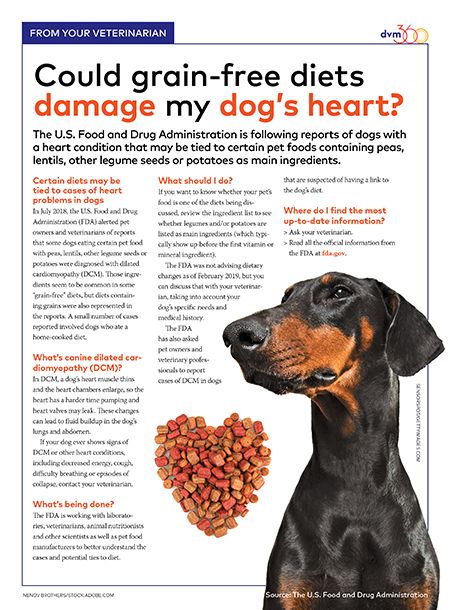
The FDA found a possible link between grain-free diets and heart disease. Some dogs eating grain-free food showed symptoms of heart problems. This disease is called dilated cardiomyopathy (DCM). It affects the heart’s ability to pump blood. The FDA noticed cases in dogs without usual risk factors.
Grain-free foods often replace grains with peas, lentils, or potatoes. These ingredients may affect heart health. The FDA does not say all grain-free diets cause problems. But some dogs might be at risk. Pet owners should watch for signs like weakness or coughing.
Ongoing Research And Updates
The FDA keeps collecting data from vets and pet owners. Research is ongoing to understand the cause fully. More evidence is needed before drawing firm conclusions. Updates are shared regularly to inform the public. Pet food manufacturers also work with the FDA to improve safety.
Until more is known, it is wise to consult a vet. Discuss diet choices and monitor your dog’s health closely. Staying informed helps protect your pet’s well-being.
Credit: www.bluebuffalo.com
Choosing The Right Diet
Choosing the right diet for your dog is very important. Dogs need food that gives them energy and keeps them healthy. Not all dogs need the same diet. Some dogs do well on grain-free food, but others may not. Understanding your dog’s needs helps you pick the best food.
Knowing what to look for and who to ask can make this task easier. Making the right choice improves your dog’s life and helps avoid health problems.
Consulting Your Veterinarian
Your veterinarian knows your dog’s health history. They can advise if a grain-free diet suits your dog. Some dogs may have allergies or sensitivities. Others might need grains for better digestion. Always ask your vet before changing food. This helps avoid risks and ensures your dog stays healthy.
Reading Dog Food Labels
Dog food labels show what is inside the bag or can. Look for clear ingredient lists. Check if the food contains grains or not. Notice if the food has artificial colors or flavors. These can harm your dog. Also, see the protein source and fat content. This helps you understand if the food matches your dog’s needs.
Alternatives To Grain-free
Choosing the right diet for your dog can be confusing. Grain-free diets are popular, but they are not the only option. Alternatives to grain-free diets offer balanced nutrition and can suit many dogs’ needs. These options focus on simple ingredients or include grains that help your dog stay healthy.
Limited Ingredient Diets
Limited ingredient diets use fewer ingredients to reduce allergies and sensitivities. They often contain one protein source and a few simple carbs. This makes it easier to spot foods that might cause problems. These diets avoid many fillers and additives. They are gentle on your dog’s stomach and support digestion. Limited ingredient diets can be a good choice for dogs with food sensitivities.
Balanced Grain-inclusive Options
Grains like rice, oats, and barley provide energy and fiber for dogs. Balanced grain-inclusive diets mix grains with quality proteins and fats. These diets offer a complete range of nutrients for overall health. Many dogs digest grains well and benefit from them. Including grains can also make the food more affordable. Balanced grain-inclusive options support healthy skin, coat, and digestion.
Frequently Asked Questions
What Are The Benefits Of A Grain-free Diet For Dogs?
A grain-free diet can reduce allergies and digestive issues in some dogs. It often improves coat health and energy. However, benefits vary by individual dog and should be discussed with a vet.
Are Grain-free Diets Safe For All Dog Breeds?
Grain-free diets are generally safe but not necessary for all breeds. Dogs with grain allergies or sensitivities benefit most. Always consult your vet before switching to a grain-free diet.
Can Grain-free Diets Cause Health Problems In Dogs?
Some grain-free diets have been linked to heart issues like dilated cardiomyopathy. This risk is rare and depends on diet quality. Consult a vet to ensure balanced nutrition and avoid health problems.
How Do I Know If My Dog Needs A Grain-free Diet?
Look for symptoms like itching, digestive upset, or allergies. A vet can diagnose food sensitivities and recommend grain-free options if needed. Never switch diets without professional advice.
Conclusion
Choosing a grain-free diet for dogs depends on their needs. Some dogs may benefit from avoiding grains. Others do just fine with grains in their food. Talk to your vet before changing your dog’s diet. Watch your dog’s health and energy after switching foods.
Every dog is different. Care and attention help you make the best choice. Healthy eating supports a happy, active dog. Keep learning and observing what works best for your pet.


