

Are you wondering if you can wash your dog’s toys in the washer without ruining them? Keeping your furry friend’s toys clean is important for their health and happiness.
But you might be worried about damaging the toys or your washing machine. You’ll discover the simple truth about washing dog toys safely and effectively. By the end, you’ll know exactly how to keep those toys fresh and ready for playtime.
Keep reading to find out how easy it can be!
Credit: rootnew.stategy.com
Types Of Dog Toys
Dog toys come in many types. Each type has different materials and care needs. Knowing the types helps decide if you can wash them in the washer. Some toys handle washing well, while others do not. Here are common types of dog toys and how they differ.
Soft Plush Toys
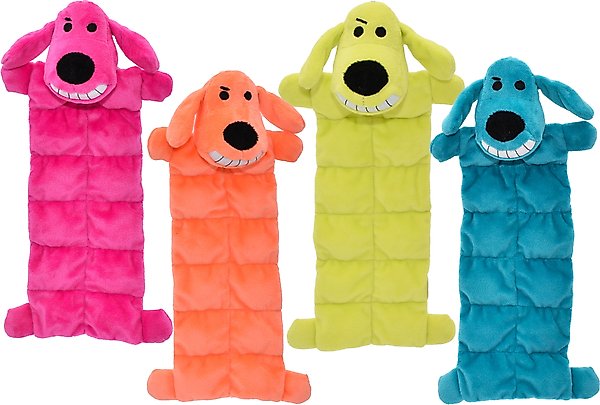
Soft plush toys are popular for dogs who like cuddling. They feel like small pillows or stuffed animals. These toys often have stuffing inside and may have squeakers. Plush toys can usually be washed in the washer on a gentle cycle. Use a mild detergent and put them in a mesh bag to protect them.
Rubber And Plastic Toys
Rubber and plastic toys are tough and durable. These toys include balls, chew rings, and interactive puzzles. They do not absorb water, so they dry fast after washing. Most rubber and plastic toys can be cleaned in the washer. Choose a regular cycle and skip detergent or use a pet-safe cleaner.
Rope And Fabric Toys
Rope and fabric toys are made from twisted fibers or cloth. They are good for tugging and chewing. These toys can trap dirt and bacteria inside the fibers. Rope and fabric toys usually wash well in the washer. Use cold water and a gentle cycle to keep them from fraying or shrinking.
Safety Of Washing Dog Toys In Washer
Washing dog toys in the washer can be safe if done correctly. It helps keep toys clean and free from germs. But safety depends on the type of toy and the washing method. Understanding the risks and following guidelines ensures your pet’s toys stay in good shape and safe to use.
Material Durability
Different dog toys use various materials. Some are made of tough rubber or nylon. These materials can usually handle a washing machine cycle. Soft toys, like plush or fabric, might lose shape or tear. Check if the toy can survive water, heat, and spinning. Durable materials last longer and stay safe after washing.
Potential Risks
Washing toys in the machine can cause damage. Small parts might break off and become choking hazards. Strong detergents can leave harmful residues on toys. High heat can melt or deform plastic toys. Washing machines can also spread bacteria if toys are not cleaned well. Proper care reduces these risks and protects your dog.
Manufacturer Guidelines
Always read the toy’s label or packaging. Manufacturers often give clear washing instructions. Some toys say “hand wash only” or “surface clean.” Follow these rules to avoid damage. If no instructions exist, test washing on low heat and gentle cycles. Manufacturer advice helps keep toys safe and lasts longer.
Preparation Before Washing
Preparing dog toys before washing them in the washer is important. It helps keep the toys clean and safe for your pet. Proper preparation also protects the washer from damage. Follow these simple steps to get the best results.
Removing Loose Dirt And Debris
Start by shaking or brushing off loose dirt. Check for hair, mud, or grass stuck on the toys. Removing debris stops the washer from clogging. It also ensures a cleaner wash for the toys.
Checking For Damage
Look over each toy carefully. Find any tears, holes, or weak spots. Damaged toys can fall apart in the washer. This might harm your washer or your dog. Throw away toys that are too worn out.
Separating Toys By Material
Sort toys by their material type before washing. Soft plush toys need gentle washing. Hard rubber or plastic toys can handle stronger cycles. This step prevents damage and keeps toys lasting longer.

Credit: www.reddit.com
Best Washer Settings For Dog Toys
Choosing the right washer settings keeps dog toys clean and safe. Proper settings remove dirt and germs without damaging the toys. Different materials need different care. Follow these tips for the best washer settings.
Water Temperature
Use warm water to clean most dog toys. Warm water kills germs but is gentle on fabric. Avoid hot water on rubber or plastic toys. Cold water can clean lightly soiled toys and save energy.
Cycle Type
Select a gentle or delicate cycle. This prevents toys from tearing or losing shape. Avoid heavy-duty cycles that can damage toys. Short cycles also reduce wear and tear.
Detergent Choices
Use mild, pet-safe detergent without harsh chemicals. Avoid bleach and strong fragrances that can irritate pets. Choose detergents designed for sensitive skin. Rinse toys thoroughly to remove detergent residue.
Drying Dog Toys After Washing
Drying dog toys after washing is very important. Wet toys can cause problems if not dried well. Proper drying keeps toys safe and clean for your dog to play with again. It also stops bad smells and damage. Here are some useful ways to dry dog toys safely and effectively.
Air Drying Tips
Air drying is gentle and safe for most dog toys. Spread toys out in a dry, sunny spot. Sunlight helps kill germs and freshens the toys. Turn toys occasionally to dry all sides. Avoid damp or closed areas where toys stay wet longer. This method takes time but keeps toys in good shape.
Using Dryer Safely
Some dog toys can go in the dryer. Use a low heat or air fluff setting. High heat can melt or damage toys. Place toys in a pillowcase or mesh bag to protect them. Check toys often while drying. Remove toys as soon as they are dry to prevent overheating.
Avoiding Mold And Mildew
Mold and mildew grow on wet toys left too long. Dry toys quickly after washing. Store toys in a dry, open place. Avoid leaving wet toys in bags or closed containers. Regularly check toys for soft spots or smells. Toss toys with mold to keep your dog safe.
Alternative Cleaning Methods
Washing dog toys in the washer is not always possible or safe. Some toys can get damaged or lose their shape. Alternative cleaning methods help keep toys clean without risking damage. These options use simple tools and ingredients you likely have at home. They also remove dirt and germs effectively.
Hand Washing Techniques
Hand washing is a gentle way to clean dog toys. Use warm water and mild soap or pet-safe detergent. Scrub the toy with a soft brush or cloth. Focus on areas with dirt or saliva buildup. Rinse thoroughly to remove all soap. Let the toy air dry completely before giving it back to your dog.
Using Vinegar And Baking Soda
Vinegar and baking soda make a natural cleaning duo. Mix equal parts of white vinegar and water in a bowl. Soak the toy for 10 to 15 minutes. For tough stains, sprinkle baking soda on the toy and scrub gently. Rinse well with water to remove the vinegar smell. These ingredients kill bacteria and remove odors without harsh chemicals.
Disinfecting Without Washer
Disinfecting dog toys is important to kill germs. Use a pet-safe disinfectant spray or make your own with diluted bleach. Mix 1 tablespoon of bleach in 1 gallon of water. Soak the toy for 5 minutes, then rinse thoroughly. Another option is to place hard plastic toys in boiling water for a few minutes. Always check toy material before disinfecting to avoid damage.
Maintaining Clean And Safe Toys
Keeping your dog’s toys clean is important for their health. Dirty toys can hold germs and bacteria. These can cause infections and illnesses. Washing toys regularly helps stop this risk. Safe and clean toys also last longer. Your dog enjoys playing with fresh toys. It keeps their mouth and paws healthy too.
Here are easy steps to maintain your dog’s toys clean and safe.
Regular Cleaning Schedule
Set a routine to wash dog toys often. Soft toys can go in the washing machine. Use warm water and mild detergent. Hard toys need scrubbing with soap and water. Clean toys at least once a week. More often if your dog chews a lot. This stops dirt and germs from building up.
Inspecting For Wear And Tear
Check toys for damage before and after cleaning. Look for cracks, holes, or loose parts. Broken toys can hurt your dog. Small pieces can cause choking. Remove any toys that look unsafe. Regular checks keep your dog safe during playtime.
Replacing Old Toys
Replace toys that are too worn out. Old toys lose their shape and safety. Even clean toys can break down over time. Buy new toys to keep your dog happy. Fresh toys also help prevent boredom. Rotate toys to give your dog variety.

Credit: www.hillspet.com.au
Frequently Asked Questions
Can I Wash All Dog Toys In The Washer?
Not all dog toys are washer-safe. Hard plastic or electronic toys should be cleaned by hand. Soft fabric toys are usually safe for machine washing.
What Is The Best Washer Setting For Dog Toys?
Use a gentle or delicate cycle with cold water. This prevents damage to toys and maintains their shape and color.
Should I Use Detergent When Washing Dog Toys?
Yes, use a mild, pet-safe detergent. Avoid harsh chemicals that could irritate your dog’s skin or be toxic if ingested.
How Often Should I Wash My Dog’s Toys?
Wash dog toys every one to two weeks. More frequent washing is needed if toys are heavily soiled or shared between pets.
Conclusion
Washing dog toys in the washer can be safe and easy. Check the toy’s label for washing instructions first. Use a gentle cycle and mild detergent to protect the toy. Avoid washing toys with batteries or electronic parts this way.
Clean toys help keep your dog healthy and happy. Regular washing stops dirt and germs from building up. Keep your pet’s playthings fresh with simple care steps. A clean toy means more fun and less worry for you.


