
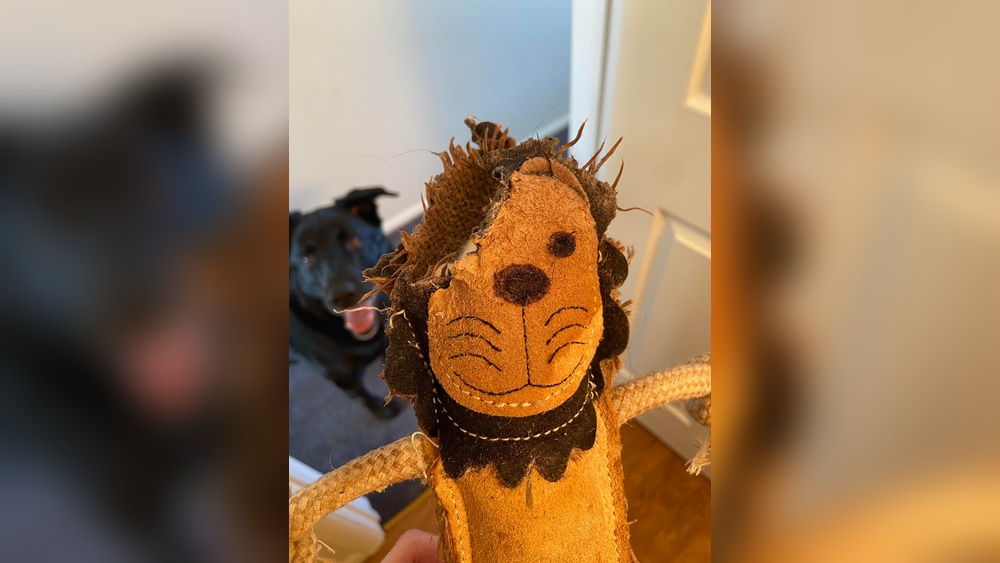
Have you ever caught your dog chewing on their toys a little too enthusiastically? You might be wondering, “Why does my dog eat his toys?” It can be frustrating and even worrying when your furry friend treats their favorite playthings like a snack.
But understanding this behavior can help you keep your dog safe and happy. You’ll discover the surprising reasons behind this habit and learn simple ways to manage it. Keep reading—you’ll find out what your dog is really trying to tell you.

Credit: www.reddit.com
Reasons Dogs Chew Toys
Dogs chew their toys for many reasons. Chewing is a natural behavior for them. It helps them explore, feel comfort, and stay busy. Understanding why your dog chews can help you keep them safe and happy.
Here are some common reasons why dogs chew their toys.
Natural Instincts
Chewing comes from a dog’s wild ancestors. It helps keep their jaws strong and teeth clean. Dogs also use chewing to learn about their world. This behavior is natural and healthy for them.
Teething In Puppies
Puppies chew a lot because their teeth are growing. Chewing eases the pain and discomfort of teething. Soft toys are good for puppies to chew safely. It helps their new teeth come in strong.
Boredom And Anxiety
Dogs chew when they feel bored or anxious. It gives them something to do and calms their nerves. Lack of exercise or attention can increase this behavior. Providing toys can help reduce stress and boredom.
Seeking Attention
Sometimes dogs chew to get your attention. If chewing makes you react, they may do it more. Positive attention for good behavior is better. This helps teach them what is okay to chew.
Nutritional Deficiencies
Chewing can also happen if dogs lack certain nutrients. They might try to get what they need from toys or other objects. A balanced diet helps prevent this behavior. Consult a vet if you notice unusual chewing.
Signs Of Problematic Chewing
Dogs often chew toys as a normal behavior. It helps them explore and relieve stress. But sometimes chewing turns into a problem. Recognizing signs of problematic chewing helps protect your dog and home. Watch closely for changes in how your dog chews toys. These signs show if chewing needs attention or help.
Destruction Level
Chewing that damages toys quickly is a warning sign. Small bites and gentle chewing are normal. But if your dog shreds toys or swallows pieces, it is dangerous. High destruction can harm their mouth or cause choking. Replace unsafe toys and monitor chewing closely.
Frequency And Intensity
Chewing many times a day without stopping is a concern. Intense chewing with strong jaws can hurt your dog. It may signal anxiety or boredom. Observe if chewing is constant or increases suddenly. These patterns show when chewing is more than play.
Behavioral Changes
Look for changes in your dog’s mood or habits. Nervousness, restlessness, or aggression can link to chewing problems. Your dog may chew to calm down or express stress. Noticing these changes helps find the root cause. Early action protects your dog’s health and happiness.
Health Risks Of Eating Toys
Dogs chewing on toys is normal, but swallowing parts of toys can cause serious health problems. Eating toys can harm your dog in many ways. It is important to understand these risks to keep your pet safe and healthy.
Digestive Blockages
Swallowed toy pieces can block your dog’s intestines. This blockage stops food from passing through. Your dog may vomit, refuse to eat, or show pain. Blockages can be life-threatening and need quick vet care.
Toxic Materials
Some toys contain harmful chemicals or paints. Chewing and swallowing these parts can poison your dog. Toxins may cause sickness, weakness, or organ damage. Always choose safe, non-toxic toys for your pet.
Choking Hazards
Small toy parts can get stuck in your dog’s throat. This causes choking and breathing problems. Choking is an emergency and needs immediate help. Watch your dog closely during playtime to avoid accidents.
Solutions To Prevent Toy Eating
Stopping your dog from eating toys takes patience and the right steps. Dogs chew toys for many reasons. Some chew out of boredom. Others chew due to anxiety or teething. Knowing how to prevent this helps keep your dog safe and your toys intact.
Choosing Safe Toys
Pick toys made for chewing, not swallowing. Hard rubber or nylon toys last longer. Avoid toys that break easily or have small parts. These can cause choking or stomach problems. Check toys often and replace damaged ones quickly.
Providing Proper Chew Alternatives
Offer your dog healthy chew treats. Dental chews or rawhide can satisfy chewing urges. Rotate different types to keep your dog interested. Chew alternatives reduce the need to chew on toys.
Increasing Exercise And Playtime
Give your dog more exercise daily. Walks, runs, or fetch can tire your dog. A tired dog is less likely to chew out of boredom. Playtime also helps reduce anxiety and stress.
Training And Behavior Modification
Teach your dog which items are okay to chew. Use commands like “leave it” or “drop it.” Reward good behavior with treats and praise. Redirect chewing from toys to approved items immediately.
Consulting A Veterinarian
Talk to your vet if chewing continues. Health issues or anxiety might cause this behavior. Your vet can suggest treatments or special diets. Professional advice ensures your dog stays healthy and happy.
When To Seek Professional Help
Knowing when to seek professional help is important for your dog’s health. Sometimes chewing toys is normal. Other times, it signals a problem. A vet or a trainer can help figure out the cause. Early help can stop bigger issues later. Watch your dog’s behavior closely. Notice any changes or odd habits.
Persistent Chewing Issues
Chewing toys is normal but not all the time. If your dog chews nonstop, it could be a problem. This may show that your dog is bored or frustrated. Persistent chewing can damage teeth or cause choking. A professional can suggest ways to reduce this habit safely.
Signs Of Stress Or Anxiety
Dogs chew toys to feel better sometimes. But too much chewing can mean stress or anxiety. Look for other signs like pacing, whining, or hiding. Stress needs to be treated to keep your dog happy. A trainer or vet can help with calming techniques.
Health Complications
Chewing toys can cause health problems. Swallowing pieces can block your dog’s stomach or intestines. Watch for vomiting, loss of appetite, or trouble pooping. These signs need immediate vet attention. Early care can prevent serious health issues.

Credit: www.reddit.com

Credit: www.reddit.com
Frequently Asked Questions
Why Does My Dog Chew And Eat His Toys?
Dogs chew toys to explore, relieve boredom, and soothe teething pain. Eating toys may signal anxiety or lack of stimulation. Monitor behavior and provide safe chew alternatives to prevent ingestion risks.
Can Eating Toys Harm My Dog’s Health?
Yes, swallowing toy pieces can cause choking, blockages, or digestive issues. Immediate vet care is needed if your dog eats parts of toys. Choose durable, non-toxic toys to reduce health risks.
How Can I Stop My Dog From Eating Toys?
Redirect your dog’s chewing to appropriate toys and praise good behavior. Increase exercise and mental stimulation to reduce boredom. Use bitter sprays on toys if necessary to discourage chewing.
Is Chewing Toys A Sign Of Anxiety In Dogs?
Chewing can indicate anxiety or stress, especially if excessive or destructive. Providing comfort, routine, and calming aids can help. Consult a vet or trainer if anxiety persists.
Conclusion
Dogs chew toys for many reasons: boredom, teething, or fun. Watching your dog closely helps you understand their behavior better. Provide safe toys and regular playtime to keep them happy. Sometimes, a vet visit can rule out health issues. Remember, patience and care build a strong bond with your pet.
Keep your dog safe and entertained every day. Small changes make a big difference in their happiness. Stay observant and enjoy the playful moments together.


