Have you ever wondered just how many dog breeds exist around the world? Whether you’re thinking about adding a furry friend to your family or you’re simply curious, knowing the variety of dog breeds can open your eyes to the amazing differences in size, shape, and personality.
This knowledge can help you find the perfect match for your lifestyle and needs. Keep reading, and you’ll discover surprising facts about dog breeds that might change the way you see your four-legged companions forever.

Credit: worldanimalfoundation.org
Dog Breed Categories
Dog breeds fall into groups based on their skills and traits. These groups help people understand what a dog might be good at. Each category has unique dogs with special features.
Sporting Dogs
Sporting dogs are active and love water. They help hunters find and catch birds. These dogs are friendly and need lots of exercise.
Hound Dogs
Hound dogs have a strong sense of smell or good sight. They track animals during hunts. Many hounds are fast runners and great explorers.
Working Dogs
Working dogs are strong and smart. They guard, pull sleds, or help rescue people. These dogs need a job and plenty of space.
Terriers
Terriers are small but full of energy. They were bred to hunt small animals. Terriers are brave and often very playful.
Toy Dogs
Toy dogs are tiny and perfect for small homes. They are friendly companions and easy to carry. These dogs love attention and cuddles.
Non-sporting Dogs
Non-sporting dogs have many shapes and sizes. They don’t fit in other groups easily. These dogs have different temperaments and care needs.
Herding Dogs
Herding dogs control and move livestock. They are smart and quick learners. These dogs need mental and physical exercise every day.
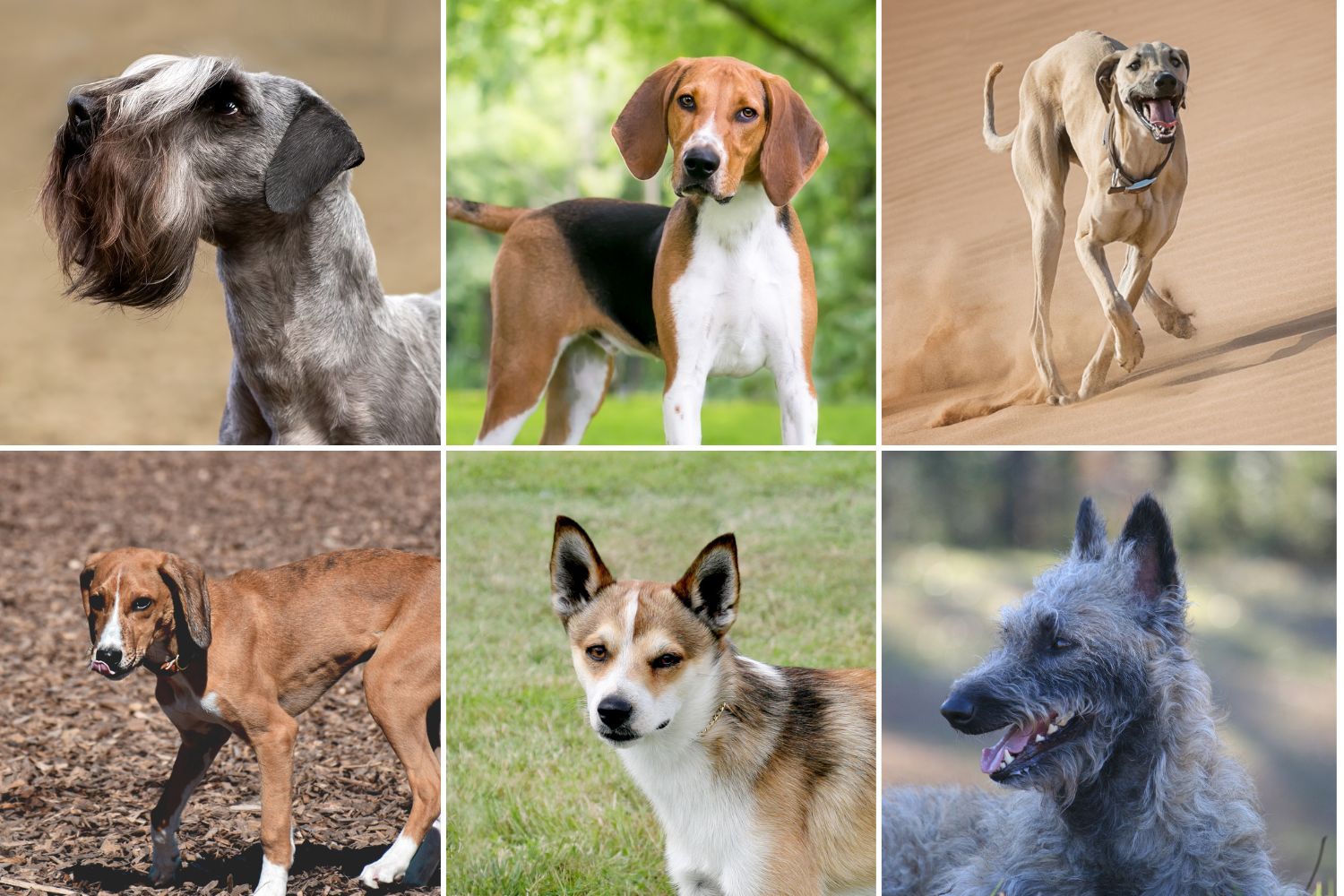
Credit: www.newsweek.com
Global Breed Counts
Dogs come in many shapes and sizes worldwide. The total number of dog breeds changes depending on who counts and what rules they use. Different organizations recognize different breeds. This makes the global breed count a complex topic.
Understanding these counts helps us see how diverse dogs are. It also shows how new breeds appear over time. Let’s explore the main sources of breed counts around the world.
Kennel Club Recognitions
Most official breed counts come from kennel clubs. These clubs set rules and standards for dog breeds. The American Kennel Club lists about 200 breeds. The Kennel Club in the UK recognizes around 220 breeds. Each club has its own way to accept new breeds. This affects the total number they report.
International Breed Lists
Groups like the Fédération Cynologique Internationale (FCI) create global breed lists. They recognize more than 340 breeds. This list is larger because it includes breeds from many countries. The FCI divides breeds into groups based on their jobs or looks. Their list helps connect dog lovers worldwide.
Rare And Emerging Breeds
New breeds appear as people breed dogs for special traits. Some breeds remain rare or local. These may not be on big club lists yet. Rare breeds add to the total number of dogs. They show how dog diversity keeps growing. Some may become popular and join official counts soon.
Breed Classification Criteria
Classifying dog breeds helps us understand their differences and similarities. Experts group dogs by clear traits. These traits show how breeds look, behave, and work. Knowing these criteria helps owners choose the right dog. It also helps breeders keep breed qualities strong.
Physical Traits
Physical traits include size, coat type, and color. Some dogs are small and light. Others are large and heavy. Coat types range from short to long, curly to straight. Colors vary from solid to spotted or mixed. These traits help identify each breed quickly.
Temperament
Temperament means a dog’s usual behavior and mood. Some breeds are calm and gentle. Others are active and playful. Some dogs are shy, while others are confident. Temperament affects how dogs interact with people and other animals. It guides owners in picking a good match.
Purpose And Function
Many breeds were created for specific jobs. Some were bred to hunt or herd animals. Others were made to guard or pull sleds. Working dogs often have strong instincts and energy. Knowing a breed’s purpose shows why it acts certain ways. It also helps in training and care.
Popular Dog Breeds Worldwide
Dogs come in many shapes, sizes, and temperaments. Some breeds are famous around the world for their unique traits. People choose dogs for different reasons. Some want a loving family pet. Others need a dog that can work or assist. Many enjoy the beauty and skills of show dogs. Each popular breed has something special to offer. Understanding these categories helps find the right dog for each person.
Top Family Pets
Family dogs are gentle, friendly, and easy to train. Labrador Retrievers top the list with their loving nature. Golden Retrievers also make excellent companions for kids. Beagles are smaller but full of energy and fun. Bulldogs offer calm and loyal company. These breeds enjoy being part of daily family life. They adapt well to homes with children and other pets.
Working And Service Dogs
Working dogs perform important jobs to help humans. German Shepherds lead this group with strength and intelligence. They serve as police, military, and rescue dogs. Border Collies excel at herding sheep and other animals. Saint Bernards are known for mountain rescue missions. Service dogs assist people with disabilities daily. These breeds have strong work ethics and focus.
Show And Competition Favorites
Show dogs attract attention with beauty and grace. Poodles are popular for their elegant looks and cleverness. Afghan Hounds impress with their long, silky coats. Dachshunds stand out for their unique shape and playful spirit. These dogs compete in obedience and agility events. They require special grooming and training to shine in shows.
Breed Identification Challenges
Identifying dog breeds is not always simple. Many dogs do not fit neatly into one breed category. This makes counting the total number of dog breeds quite tricky. Several factors add to the confusion in breed identification.
Mixed Breeds And Hybrids
Many dogs are mixed breeds. They carry traits from two or more breeds. This mix makes it hard to label them as one breed. Hybrids, like Labradoodles, combine features from distinct breeds. Each hybrid can look very different. This variety challenges clear identification and breed counting.
Regional Breed Variations
Some breeds have different versions in various regions. These regional variations may have unique traits or sizes. Naming and classifying these variations can cause disagreements. Sometimes, a regional variation is counted as a separate breed. This adds complexity to knowing the exact number of dog breeds.
Resources For Breed Information
Finding accurate information about dog breeds can be tricky. Many sources claim to have the best details. The key is to trust reliable resources. These sources help you learn about breed traits, history, and care needs.
Knowing where to search saves time and prevents confusion. Here are some top resources to explore for dog breed information.
Kennel Clubs And Associations
Kennel clubs register dog breeds officially. They set breed standards and rules. The American Kennel Club (AKC) is one of the largest. The United Kennel Club (UKC) also provides breed info. These clubs offer trusted breed profiles and history. Their websites often include photos and breed guides. They help owners understand breed behavior and health risks.
Online Databases
Online databases gather breed details from many sources. Websites like DogTime and Vetstreet give clear breed summaries. These sites cover size, personality, and care tips. Many offer search tools by size or activity level. They update information regularly to stay current. Online forums add real owner experiences. This helps readers get real-world advice.
Books And Publications
Books provide deep knowledge about dog breeds. Many focus on breed history and training. Examples include “The Encyclopedia of Dog Breeds” and breed-specific guides. Libraries and bookstores carry these titles. Magazines like “Dog World” share expert articles and news. Printed materials give detailed and well-researched facts. They are good for readers who prefer offline reading.

Credit: www.shutterstock.com
Frequently Asked Questions
How Many Dog Breeds Exist Worldwide?
There are approximately 340 recognized dog breeds worldwide. Different kennel clubs may list varying numbers based on their standards and classifications.
Which Organization Recognizes Most Dog Breeds?
The Fédération Cynologique Internationale (FCI) recognizes over 340 dog breeds globally. It is the largest international canine organization.
How Are Dog Breeds Classified?
Dog breeds are classified by size, purpose, and characteristics. Common groups include working, herding, sporting, and toy breeds.
Are New Dog Breeds Still Being Created?
Yes, breeders develop new dog breeds through selective breeding. This helps meet specific traits or purposes and expands breed diversity.
Conclusion
Dogs come in many breeds, each with unique traits and charm. Knowing the number of breeds helps you understand dog diversity. Whether small or large, dogs offer great companionship. Exploring different breeds can guide you to the right pet. Every breed has its own story and special needs.
Enjoy learning about dogs and finding the perfect match for you. Dogs bring joy, no matter their breed or size. Simple facts about breeds make choosing easier and fun.