

If you have a 6-month-old dog, you’re probably wondering if it’s time to switch from puppy food to adult dog food. It’s a big decision because what you feed your dog now affects their growth, health, and energy.
You want to make sure your furry friend gets the right nutrients without any risks. Keep reading to find out when and why you might consider making this change—and how to do it the right way for your dog’s well-being.
Nutritional Needs Of A 6 Month Old Dog
A 6 month old dog is in an important stage of growth. Their body needs the right food to stay healthy and strong. Nutrition plays a big role in how well they develop. Choosing the right diet helps support bones, muscles, and energy levels. Feeding a dog at this age is different than feeding an adult dog. Understanding these needs will guide you in picking the right food.
Growth And Development Requirements
At 6 months, puppies grow fast. Their bones and muscles get stronger every day. They need more protein to build muscles. Calcium and phosphorus support healthy bones. Energy needs are high because they are active. Vitamins and minerals help their immune system. Balanced nutrition supports their brain and vision too. Too little nutrition can slow their growth. Too much can cause problems like obesity or joint issues.
Differences Between Puppy And Adult Food
Puppy food has more protein and fat than adult food. This extra energy helps with rapid growth. It also contains higher amounts of important minerals. Adult food has fewer calories and less fat. It suits dogs that are no longer growing fast. Puppy food is softer and easier to chew. Adult food has a different texture for mature teeth. Feeding adult food to a 6 month puppy may not meet their needs. It can slow growth or reduce energy.
Risks Of Feeding Adult Food To Puppies
Feeding adult dog food to a 6-month-old puppy carries several risks. Puppies have different nutritional needs than adult dogs. Adult food may not provide enough nutrients for healthy puppy growth. This can lead to health problems later.
Potential Nutrient Deficiencies
Puppies need more protein, fat, and certain vitamins than adult dogs. Adult food often lacks these important nutrients. Missing key nutrients can weaken your puppy’s immune system. It may also slow down muscle and bone development. Without proper nutrition, your puppy might not grow strong and healthy.
Impact On Growth And Health
Adult dog food has fewer calories than puppy food. Puppies burn more energy while growing. Low calorie intake can cause poor growth or weight loss. Lack of essential nutrients can affect brain and bone growth. Feeding adult food too soon can lead to long-term health issues. It is important to feed your puppy food made for their age.
When To Transition To Adult Dog Food
Knowing the right time to switch your puppy to adult dog food is important. The change affects your dog’s health and growth. Feeding adult food too early or too late can cause problems. Watch your dog’s needs closely to decide the best moment for the switch.
The transition should be smooth. Gradually replace puppy food with adult food over a week. This helps your dog adjust without stomach upset.
Signs Your Puppy Is Ready
Look for changes in your puppy’s size and energy. If your dog slows growth or eats less, it might be ready. Teeth development also plays a role. Puppies with adult teeth can handle adult food texture better. Watch their weight too. Steady weight gain means they may need adult food soon.
Recommended Age For Switching
Most puppies switch at about six months old. Small breeds may change earlier, around five months. Large breeds often need more time, up to 12 months. Check your dog’s breed size and talk to your vet. Age is just a guide. Each dog grows at its own pace.
:strip_icc()/Puppy-food-feeding-schedule-2804779-a35fb27f23bd427cbea6ed24236fee22.jpg)
Credit: www.thesprucepets.com
How To Switch Dog Food Safely
Switching your 6-month-old dog to adult food requires care and patience. A sudden change can upset their stomach. It is important to switch their food slowly. This helps your dog adjust to the new diet without problems. Follow a step-by-step plan for a smooth change.
Gradual Transition Steps
Start by mixing 25% adult food with 75% puppy food. Feed this mix for three days. Then increase adult food to 50% and reduce puppy food to 50%. Keep this ratio for another three days. Next, mix 75% adult food with 25% puppy food. Continue for three more days. Finally, offer only adult food. This slow change helps prevent stomach upset.
Monitoring Your Dog’s Reaction
Watch your dog closely during the switch. Check for signs like vomiting or diarrhea. Also, notice changes in appetite or energy. If problems appear, slow the transition down. Give more time at each stage. Keep fresh water available all the time. If issues persist, speak with your vet for advice.
Consulting Your Veterinarian
Consulting your veterinarian is essential before changing your 6-month-old dog’s diet. Dogs grow at different rates and have unique nutritional needs. A vet can guide you on the right time to switch to adult food. They ensure the change supports your dog’s health and growth.
Personalized Dietary Advice
Your veterinarian knows your dog’s breed, size, and activity level. They use this information to recommend the best food type. Personalized advice helps avoid overfeeding or underfeeding your dog. This support keeps your dog healthy and energetic.
Addressing Specific Health Concerns
Some dogs have allergies or health issues affecting their diet. A vet can identify these problems early. They suggest foods that avoid triggering allergies or worsening conditions. This careful approach protects your dog’s well-being and comfort.
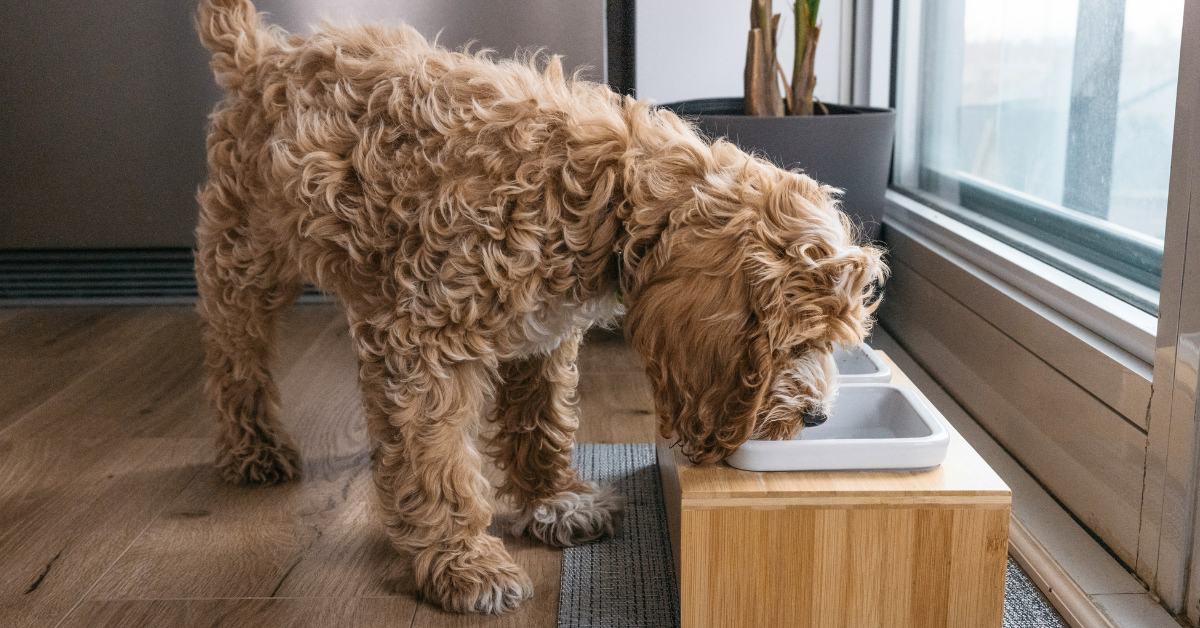
Credit: www.acanapetfoods.co.uk
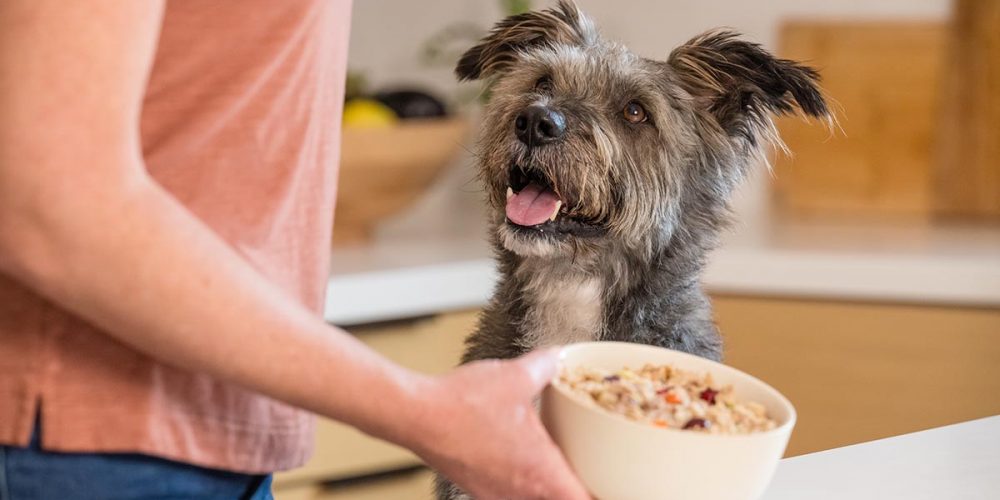
Credit: blog.justfoodfordogs.com
Frequently Asked Questions
Can A 6 Month Old Dog Eat Adult Food Safely?
Yes, a 6 month old dog can eat adult food, but gradual transition is key. Ensure the food meets your puppy’s nutritional needs to support growth and health.
When Should I Switch My Puppy To Adult Dog Food?
Most puppies transition to adult food between 6 to 12 months, depending on breed size. Consult your vet to determine the best time for your dog.
What Are The Risks Of Feeding Adult Food Too Early?
Feeding adult food too early may cause nutritional imbalances. Puppies need higher protein and fat levels for growth, which adult food may not provide adequately.
How To Transition A 6 Month Old Dog To Adult Food?
Introduce adult food gradually over 7-10 days, mixing it with puppy food. This helps avoid digestive upset and lets your dog adjust smoothly to the new diet.
Conclusion
A 6-month-old dog can start eating adult food, but with care. Puppies still need nutrients for growth that adult food may lack. Gradually switch food to avoid stomach upset. Watch your dog’s health and energy levels closely. Consult a vet for the best feeding plan.
Every dog grows at its own pace. Feeding the right food supports strong bones and good health. Keep your dog happy and healthy with the right diet choice. Small changes can make a big difference in your dog’s life.

