
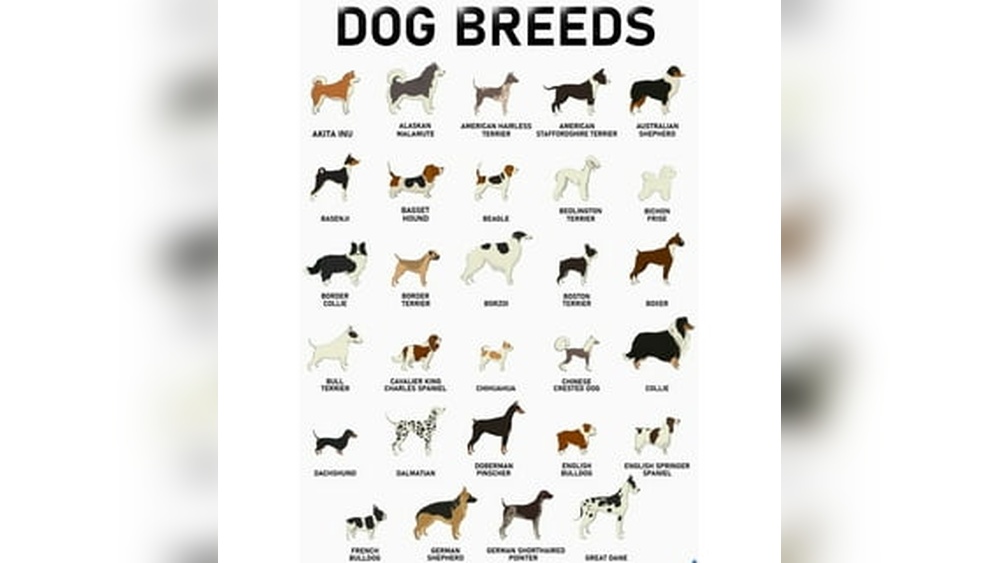
Are you curious about the many types of dog breeds and what makes each one special? Whether you’re thinking of adding a furry friend to your family or just love learning about dogs, understanding the different breeds can help you find the perfect match for your lifestyle.
From tiny pups to giant companions, each breed has its own unique traits, energy levels, and personalities. Keep reading to discover the fascinating world of dog breeds and find out which one might be the best fit for you!
Credit: www.petscare.com
Popular Dog Breed Groups
Dog breeds come in many types, each with special traits. These types group dogs by their skills and history. Understanding these groups helps you find a dog that fits your life.
Sporting Dogs
Sporting dogs are active and love water or land. They help hunters find and fetch game. Labs and Spaniels belong to this group. They need regular exercise and playtime.
Hound Dogs
Hounds use their nose or sight to track animals. Some are fast runners, others follow scents well. Beagles and Greyhounds are popular hound breeds. They enjoy long walks and exploring outdoors.
Working Dogs
Working dogs are strong and smart. They guard, pull sleds, or rescue people. Examples include Boxers and Saint Bernards. These dogs need tasks to stay happy and healthy.
Terriers
Terriers are small but brave dogs. They were bred to hunt pests and dig. Jack Russell and Bull Terriers are well-known types. They are lively and need lots of attention.
Toy Dogs
Toy dogs are tiny and perfect for small homes. They make great companions and love cuddles. Chihuahuas and Pomeranians fit this group. They need gentle care and social time.
Non-sporting Dogs
Non-sporting dogs have diverse looks and traits. They do not fit other groups easily. Bulldogs and Dalmatians are common examples. Their needs vary, so learn about each breed.
Herding Dogs
Herding dogs control livestock with skill and speed. Border Collies and Shepherds are famous herders. They need mental challenges and plenty of exercise. These dogs thrive with active families.
Characteristics Of Sporting Dogs
Sporting dogs are known for their energy and love of activity. They were bred to help hunters retrieve game and work closely with humans. These dogs need plenty of exercise and mental challenges to stay happy.
They usually enjoy water and outdoor adventures. Sporting dogs are friendly and eager to please. Their intelligence makes training easier than with some other breeds.
Temperament And Behavior
Sporting dogs are social and friendly with people and other animals. They are active and need regular exercise to prevent boredom. These dogs are loyal and enjoy being part of family activities. They often have a strong desire to retrieve and carry objects.
They tend to be gentle with children and make good companions. Sporting dogs can be sensitive and respond well to positive training methods. Their energy means they need daily walks or playtime to stay calm at home.
Common Breeds
Labrador Retrievers are among the most popular sporting dogs. They are known for their intelligence and friendly nature. Golden Retrievers are gentle, patient, and great with families. Spaniels, such as the English Springer Spaniel, are energetic and love to hunt.
Other common sporting breeds include the Cocker Spaniel and the Weimaraner. These dogs share a love for water and retrieving games. Each breed has unique traits but all need plenty of activity.
Ideal Owners
Sporting dogs suit active owners who enjoy outdoor activities. They need people who can provide daily exercise and mental stimulation. Families with children often find these dogs a great match.
Owners must have time for training and socializing their dog regularly. Those who love hiking, running, or swimming will enjoy sporting breeds most. Without enough activity, these dogs may develop behavior problems.
Traits Of Hound Dogs
Hound dogs have a strong sense of smell and sharp vision. They are bred to track and hunt. Their traits help them follow scents or spot movement. These dogs are energetic and smart. They enjoy challenges and outdoor activities.
Scent Hounds Vs. Sight Hounds
Scent hounds rely mainly on their noses. They can follow faint smells over long distances. Their ears are often long to catch scents better. Sight hounds use their eyes to spot prey. They have keen vision and run very fast. Each type has unique hunting skills.
Popular Hound Breeds
Beagles are small scent hounds with friendly nature. Bloodhounds have one of the best noses in the world. Greyhounds are famous sight hounds known for speed. Afghan Hounds have long hair and great eyesight. Each breed shows strong hunting traits.
Exercise Needs
Hound dogs need lots of exercise daily. Running and playing keep their minds sharp. Without enough activity, they become bored and restless. Walks, games, and training help them stay happy. Regular exercise matches their hunting instincts well.
Working Dog Features
Working dogs have special traits that help them perform important tasks. These dogs are strong, smart, and loyal. They work closely with humans to complete jobs that need focus and energy.
These dogs often have thick coats to protect them from cold weather. They are usually big and muscular. Their intelligence helps them learn commands quickly. They also have a strong desire to please their owners.
Roles And Responsibilities
Working dogs help in many jobs. Some pull sleds or carts. Others guard homes or property. Many assist police or military forces. They can also rescue people in danger. Their tasks need strength, speed, and alertness.
Notable Working Breeds
Some popular working breeds include the Siberian Husky, Saint Bernard, and Rottweiler. Siberian Huskies pull sleds in cold regions. Saint Bernards help rescue lost travelers. Rottweilers often protect homes and families. Each breed has unique skills suited for specific roles.
Training Tips
Start training early with clear commands. Use rewards like treats and praise. Keep training sessions short and fun. Be patient and consistent every day. Socialize working dogs to be calm around people. Proper training helps them work well and stay safe.
Terrier Breed Highlights
Terriers are a lively group of dog breeds known for their feisty spirit and strong personality. They were originally bred to hunt and kill vermin like rats and foxes. Today, terriers make great pets for active families who enjoy playful and alert companions.
These dogs are small to medium in size but pack a lot of energy and courage. Their intelligence and determination make them stand out among other breeds. Understanding their traits helps in giving them the right home and care.
Energy Levels
Terriers have high energy and need daily exercise. They love running, playing, and exploring outdoors. Without enough activity, they may become bored or restless. Short walks and playtime keep them happy and healthy.
Famous Terrier Breeds
Some well-known terriers include the Jack Russell, Scottish Terrier, and Bull Terrier. Each has a unique look but shares a bold and curious nature. These breeds often appear in movies and as family pets worldwide.
Care Requirements
Terriers need regular grooming to keep their coats clean. Brushing several times a week helps reduce shedding. They also require mental stimulation through training or games. A balanced diet and regular vet visits are essential for their well-being.

Credit: www.amazon.com
Small And Toy Dog Varieties
Small and toy dog varieties are perfect for people who want a pet with less space needs. These dogs are usually very lively and loving. They fit well in apartments or homes without large yards. Their small size makes them easy to carry and manage.
Size And Temperament
Small and toy dogs often weigh under 15 pounds. Their height usually stays below 12 inches. Despite their size, many have big personalities. Some are playful and energetic, while others are calm and gentle. These dogs often form strong bonds with their owners. They enjoy attention and like to be close to people.
Popular Toy Breeds
Some well-known toy breeds include the Chihuahua, Pomeranian, and Maltese. Chihuahuas are brave and alert. Pomeranians are fluffy and friendly. Maltese dogs are soft and sweet. Each breed has unique traits but shares a small size. These dogs are favorites for many families worldwide.
Living Space Considerations
Small dogs need less room but still need exercise. They enjoy short walks and indoor playtime. Apartments suit their size well, but they need daily activity. Toy breeds can be sensitive to cold weather. A cozy bed or blanket helps keep them warm. Careful space planning makes life better for these pets.
Non-sporting Dog Diversity
The Non-Sporting group of dog breeds offers a wide variety of shapes, sizes, and personalities. These dogs do not fit neatly into other breed categories like working or sporting dogs. Instead, they stand out with unique traits and diverse looks. This group is perfect for people who want a dog that is different from the usual types.
Unique Breed Traits
Non-Sporting dogs have many special features. Some have curly coats, others have thick fur or short hair. Their sizes range from small to medium. Their personalities also vary a lot. Some are calm and quiet, while others are lively and playful. This group shows how diverse dogs can be in one category.
Examples Of Non-sporting Dogs
Popular breeds in this group include the Bulldog, Dalmatian, and Poodle. Bulldogs are known for their strong build and calm nature. Dalmatians have spotted coats and are very active. Poodles are smart and have curly hair. Each breed has its own charm and special skills.
Grooming Needs
Grooming needs vary in Non-Sporting dogs. Poodles need regular trimming to keep their curls neat. Bulldogs require less grooming but need skin care to avoid infections. Dalmatians shed a lot and need brushing often. Knowing grooming needs helps keep these dogs healthy and happy.
Herding Dog Abilities
Herding dogs have unique abilities that help them manage livestock. They are smart and quick learners. These dogs work closely with farmers and shepherds. Their skills make them vital for moving animals safely and efficiently.
Herding dogs use natural instincts to guide animals. They can control groups by using eye contact and body movements. Their agility allows them to change direction fast. These dogs often have a strong desire to work and please their owners.
Instincts And Skills
Herding dogs have a natural drive to control animals. They use a combination of barking, staring, and moving to direct herds. These dogs read the animals’ behavior and react quickly. Their intelligence helps them solve problems during herding tasks. Many herd instinctively, even without training.
Common Herding Breeds
Border Collies are known for their sharp herding skills. Australian Shepherds are versatile and energetic workers. German Shepherds herd and protect livestock efficiently. Shetland Sheepdogs are small but very skilled. Each breed has traits that suit different herding needs.
Activity Levels
Herding dogs have high energy and stamina. They need daily exercise to stay healthy and happy. Without enough activity, they may become bored or anxious. These dogs enjoy tasks that challenge their minds and bodies. Active owners match well with herding breeds.
Choosing The Right Breed
Choosing the right dog breed is important for a happy life with your pet. Different breeds have different needs and personalities. Picking a breed that fits your life helps both you and the dog. Consider your daily routine, space, and health before deciding. This guide helps you find the best match for your home and heart.
Lifestyle Compatibility
Some dogs need lots of exercise and playtime. Others prefer calm and quiet days. Active people may enjoy breeds that love running and hiking. Those who stay home more might choose smaller, low-energy dogs. Think about your daily activities and energy level. A matching dog will be happier and healthier with you.
Health Factors
Different breeds can have different health issues. Some dogs may need special care or medicine. Research common health problems for the breed you want. Choose a breed with health needs you can handle. Regular vet visits and a good diet keep your dog strong. Healthy dogs live longer and enjoy life more.
Size And Space
Big dogs need more room to move and play. Small dogs fit better in apartments or small homes. Think about your living space before picking a breed. Large breeds may need a yard or nearby park. Small breeds can be happy in smaller spaces. Size matters for your dog’s comfort and safety.
Credit: www.newsweek.com
Trends In Dog Breeding 2025
The world of dog breeding continues to change in 2025. New trends shape which breeds are popular and how breeders work. These trends reflect the needs of dog owners and the care for animals. Understanding these changes helps people choose the right dog for their family.
Popular New Breeds
Some dog breeds are gaining attention this year. These breeds often have unique looks or friendly personalities. Small dogs that fit well in apartments are rising in demand. Breeds with low shedding and calm temperaments are also popular. These new favorites suit busy lifestyles and smaller homes.
Hybrid And Designer Dogs
Crossbreeding two purebreds creates hybrid dogs. These dogs often combine traits from both parents. Designer dogs like Labradoodles and Cockapoos remain popular. People like hybrids for their friendly nature and lower allergy risks. Breeders focus on health and temperament in these mixes.
Ethical Breeding Practices
More breeders follow strict rules to protect dogs’ health. Ethical breeding avoids overbreeding and genetic problems. Breeders now test dogs for diseases before breeding. Proper care during pregnancy and puppy raising is a must. This approach ensures healthier dogs and happier owners.
Frequently Asked Questions
What Are The Main Categories Of Dog Breeds?
Dog breeds are mainly categorized into groups like working, herding, sporting, toy, hound, and non-sporting. Each group shares common traits and purposes. These categories help identify breed behaviors, sizes, and care needs efficiently.
How Do Dog Breeds Differ In Temperament?
Dog breeds vary widely in temperament. Some are energetic and playful, while others are calm and protective. Knowing breed temperament helps match dogs with owners’ lifestyles and ensures better training and socialization.
Which Dog Breeds Are Best For Families?
Family-friendly dog breeds include Labrador Retrievers, Golden Retrievers, and Beagles. These breeds are gentle, patient, and good with children. They require moderate exercise and enjoy social interaction, making them great companions.
What Are The Smallest Dog Breeds Available?
Small dog breeds include Chihuahuas, Pomeranians, and Yorkshire Terriers. These breeds are compact, portable, and often require less exercise. They adapt well to apartment living and are popular for their lively personalities.
Conclusion
Dog breeds come in many shapes, sizes, and temperaments. Each breed has its own special traits and needs. Choosing the right dog depends on your lifestyle and preferences. Knowing the differences helps you pick a happy, healthy companion. Dogs bring joy and loyalty in many forms.
Explore breeds carefully to find your perfect match. Caring for a dog is a rewarding journey. Enjoy the adventure of finding your new best friend.


