
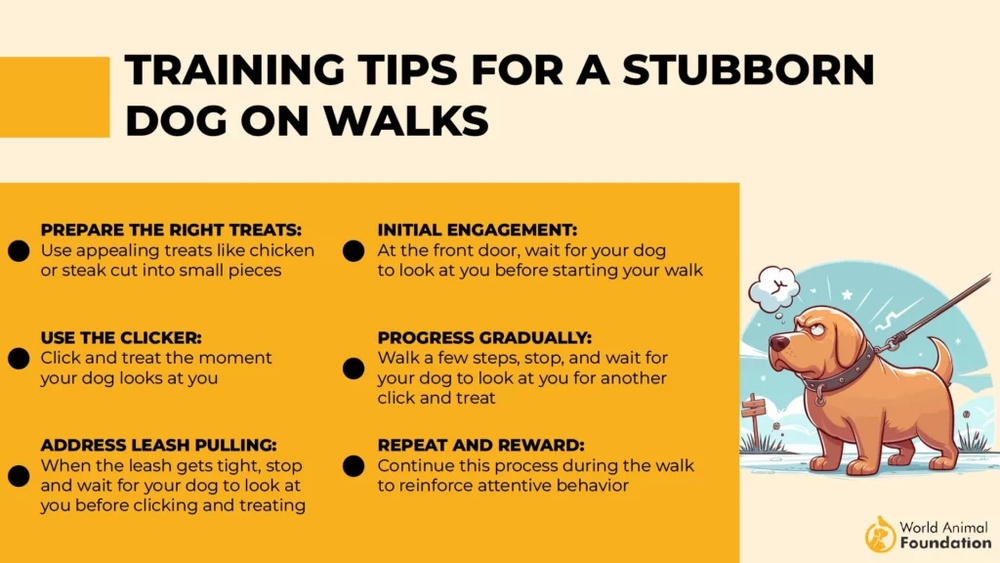
Training a stubborn dog can feel like an uphill battle. You try your best, but your dog just doesn’t seem to listen.
It’s frustrating, right? You want a well-behaved companion who follows your commands without a fight. The good news is, stubbornness doesn’t mean your dog can’t learn. With the right approach, patience, and a few clever techniques, you can turn your strong-willed pup into a happy, obedient friend.
Keep reading, and you’ll discover how to make training easier and even enjoyable for both of you.
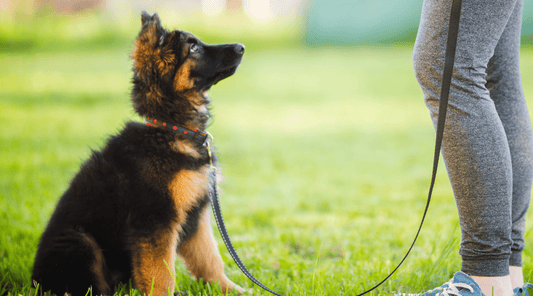
Credit: k9connoisseur.com
Recognize Stubborn Behavior
Training a stubborn dog starts with recognizing stubborn behavior clearly. Understanding these behaviors helps you respond better. It also prevents frustration during training sessions.
Stubborn dogs do not always mean disobedient dogs. They may have reasons for their resistance. Spotting signs early allows for a patient and effective training approach.
Common Signs Of Stubbornness
Stubborn dogs often refuse to follow simple commands. They may ignore calls or stay in one place. Sometimes, they resist walking on a leash or stop mid-walk. Another sign is repeated ignoring of treats or toys used as rewards. They might also show slow or no response to training cues.
These dogs tend to avoid eye contact or turn away when asked to obey. They may show signs of distraction or disinterest. Persistent barking or growling during training can also be stubborn behavior. Recognizing these signals helps you adjust your training style.
Why Dogs Act Stubborn
Stubbornness can come from a dog’s personality. Some breeds are naturally more independent and strong-willed. Other times, dogs act stubborn due to fear or confusion. They might not understand what you want them to do.
Past experiences can cause stubborn behavior. A dog that faced harsh training may resist commands. Lack of proper socialization also plays a role. Dogs might test limits to see if they control the situation.
Sometimes, stubbornness is a sign of health problems. Pain or discomfort can make a dog less willing to cooperate. Knowing the root cause helps in choosing the right training approach.
Choose The Right Training Method
Choosing the right training method is key for a stubborn dog. Each dog learns differently. Some respond well to treats, others to praise. The right method makes training easier and faster. It builds trust and encourages good behavior. Here are some effective training methods to try.
Positive Reinforcement Techniques
Positive reinforcement means rewarding good behavior. Use treats, toys, or kind words. This helps your dog want to repeat the behavior. Rewards should be given right after the action. This makes the connection clear. Avoid overusing treats to keep motivation high. Praise and petting also work well as rewards.
Using Clicker Training
Clicker training uses a small device that makes a sound. The click marks the exact moment your dog does something right. Follow the click with a treat. This helps your dog learn what earns the reward. Clicker training is clear and consistent. It can speed up learning and reduce confusion.
Avoiding Harsh Punishments
Harsh punishments harm your bond with your dog. They can cause fear and anxiety. Avoid yelling, hitting, or using shock collars. These methods often make stubborn dogs worse. Focus on gentle corrections and rewards instead. Patience and kindness lead to better results.
Establish Clear Commands
Training a stubborn dog starts with clear commands. Dogs need to know exactly what you want. Clear commands help your dog understand and follow your instructions. This reduces confusion and frustration for both of you.
Clear commands build trust. Your dog learns to listen and respond better. Use simple words and keep your tone firm but calm. This makes training easier and more effective.
Consistent Word Use
Use the same word for each command every time. Changing words can confuse your dog. For example, say “sit” and not “sit down” or “sit please.” Consistency helps your dog learn faster.
Choose one word and stick to it. Everyone in the family should use the same commands. This avoids mixed messages and keeps training clear.
Simple And Direct Instructions
Keep commands short and easy to understand. Use one or two words only. Long sentences can confuse your dog. Say “stay” instead of “please stay here.”
Speak clearly and with purpose. Your tone should match the command’s meaning. This helps your dog know when to act and when to wait.
Build Trust And Bond
Training a stubborn dog takes patience and care. Building trust and a strong bond helps your dog listen and learn better. Trust makes your dog feel safe and ready to follow your lead. A good bond creates a happy and calm dog. This section explains how to build trust and connect with your dog.
Spending Quality Time
Spend time with your dog every day. Play simple games like fetch or tug. Walk your dog slowly to notice what they like. Talk softly to calm your dog. Avoid rushing or forcing your dog to do things. Quiet moments together help your dog trust you. These small actions build a strong connection.
Understanding Your Dog’s Needs
Learn what your dog likes and dislikes. Some dogs need more exercise; others prefer rest. Watch your dog’s body language carefully. Notice signs of stress or happiness. Meet your dog’s needs for food, comfort, and attention. Understanding your dog helps you train with kindness. Your dog will respond better when you respect their feelings.
Stay Patient And Persistent
Training a stubborn dog takes time and effort. Patience is key. Dogs do not change their behavior overnight. Staying persistent helps build trust and understanding. Consistent training sessions, even short ones, make a big difference. Avoid frustration and keep a calm attitude. This approach encourages your dog to learn and obey.
Setting Realistic Goals
Set small, clear goals for each training session. Focus on one command or behavior at a time. Celebrate small victories to keep motivated. Avoid expecting perfect results quickly. Progress may be slow but steady. Realistic goals prevent stress for both you and your dog. They make training feel manageable and rewarding.
Handling Setbacks Effectively
Setbacks are normal in dog training. Dogs may ignore commands or act stubborn. Stay calm and do not punish your dog. Review your training methods and adjust if needed. Use positive reinforcement to encourage good behavior. Remember, patience helps overcome challenges. Each setback is a chance to learn and improve.
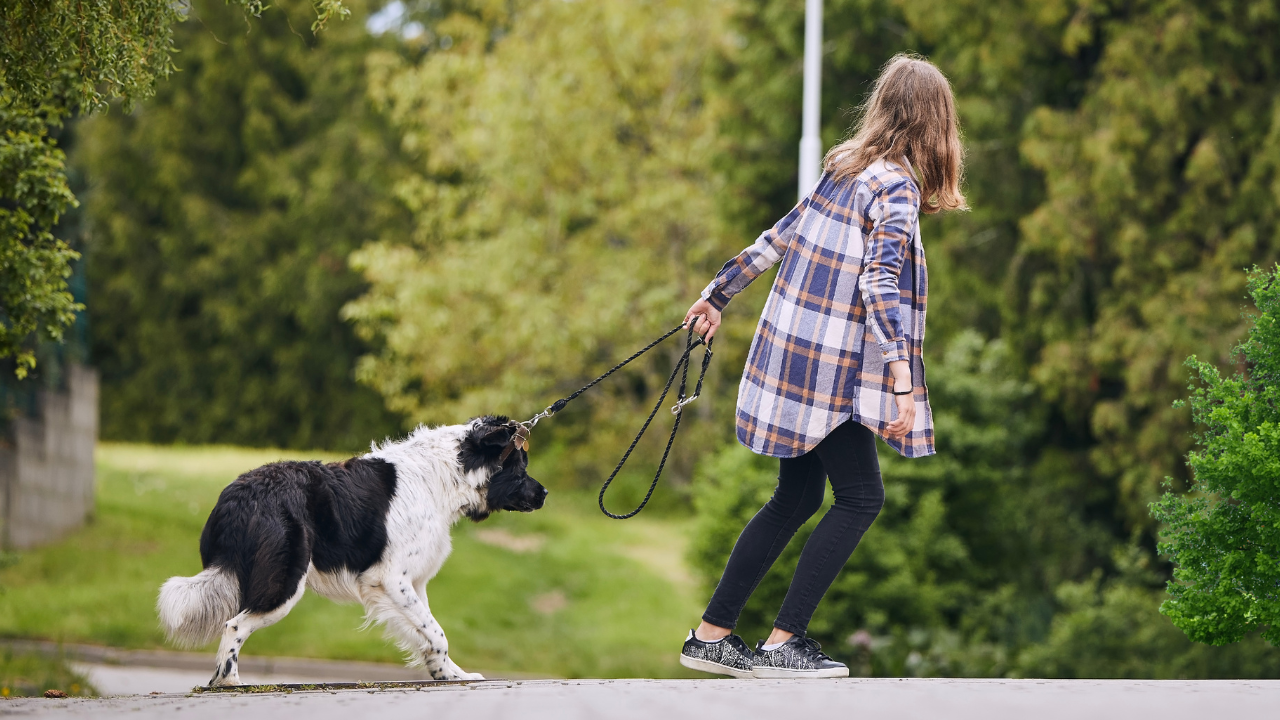
Credit: paradepets.com
Incorporate Mental And Physical Exercise
Training a stubborn dog requires more than just commands. Dogs need both mental and physical exercise to stay focused and happy. Exercise helps reduce bad behavior. It also makes training easier.
Mental exercise challenges your dog’s brain. Physical activity uses up energy. Together, they create a balanced routine. This keeps your dog calm and ready to learn.
Engaging Puzzle Toys
Puzzle toys make your dog think. These toys hide treats inside. Your dog has to solve the puzzle to get the treat. This keeps their mind busy.
Using puzzle toys regularly improves problem-solving skills. It also lowers boredom, which causes stubborn behavior. Choose toys that fit your dog’s size and skill level. Change toys often to keep interest high.
Regular Physical Activity
Exercise helps your dog burn off energy. Long walks, runs, or playtime work well. A tired dog listens better during training. Physical activity also improves mood and health.
Set a daily routine for exercise. This gives your dog structure and predictability. Use varied activities to keep exercise fun. Swimming, fetch, and hiking are good options. A well-exercised dog is less likely to resist commands.
Seek Professional Help When Needed
Training a stubborn dog can be tough. Sometimes, you need help from experts. Professionals have the skills and experience to handle difficult dogs. They can teach you the best methods to train your dog effectively. Seeking help saves time and reduces frustration. It also ensures your dog learns in a positive way.
Finding A Skilled Trainer
Not all trainers are the same. Choose someone with good experience in stubborn dog training. Look for trainers who use gentle and reward-based techniques. Avoid trainers who rely on punishment or harsh methods. A skilled trainer understands dog behavior and adapts to your dog’s needs. Ask for recommendations or read reviews to find the right trainer. Meeting the trainer first helps you see their approach and attitude.
When To Consult A Veterinarian
Sometimes stubborn behavior is due to health problems. Pain or illness can make dogs act difficult. If your dog suddenly changes behavior, see a vet. The vet can check for issues like ear infections, dental pain, or hormonal problems. Treating medical problems can improve your dog’s behavior. A veterinarian can also advise if special care or medication is needed. This step ensures your dog is healthy and ready to learn.

Credit: www.youtube.com
Frequently Asked Questions
How Do You Motivate A Stubborn Dog During Training?
Use high-value treats and praise to keep your dog engaged. Consistent rewards help build positive associations with commands. Keep training sessions short to maintain interest and prevent frustration.
What Are Effective Training Techniques For Stubborn Dogs?
Positive reinforcement and patience work best with stubborn dogs. Use clear, consistent commands and avoid punishment. Break tasks into small steps to ensure understanding and success.
How Long Does It Take To Train A Stubborn Dog?
Training time varies by dog and consistency. Typically, it takes weeks to months of regular practice. Stay patient and persistent to see gradual improvements.
Can Stubborn Dogs Learn New Commands At Any Age?
Yes, stubborn dogs can learn new commands at any age. Older dogs may need more repetition but can still improve. Consistency and positive reinforcement remain key.
Conclusion
Training a stubborn dog takes patience and clear steps. Keep your commands short and consistent. Reward good behavior right away to encourage learning. Stay calm, even when progress feels slow. Small wins build trust and improve obedience. Remember, every dog learns at its own pace.
Practice daily, and celebrate each success. Training can strengthen your bond and make life easier. Stay positive and enjoy the journey together.


