

Are you wondering when to switch your furry friend from puppy food to adult dog food? Choosing the right time can feel confusing, but it’s one of the most important decisions for your dog’s health and happiness.
Feed them too early, and they might miss out on essential nutrients for growth. Wait too long, and they could gain unwanted weight or miss key benefits. You’ll discover the clear signs and expert advice on the perfect age to make the switch.
Keep reading to ensure you give your dog the best nutrition at every stage of life.
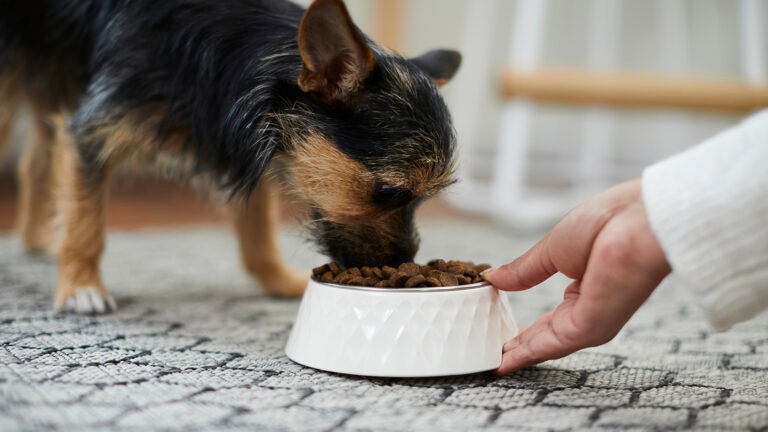
Credit: www.chewy.com
Puppy Food Vs Adult Food
Puppy food and adult food serve different purposes. Puppies need more energy and nutrients to grow strong. Adult dogs require balanced nutrition to stay healthy. Feeding the right food helps your dog at every life stage. Understanding the differences can guide your feeding choices.
Nutritional Differences
Puppy food has more protein and fat than adult food. These nutrients support muscle and brain growth. Puppies need extra vitamins and minerals for bones and teeth. Adult food contains fewer calories to prevent weight gain. Nutrients focus on maintaining health rather than growth.
Impact On Growth
Proper nutrition influences a puppy’s growth speed and size. Too little nutrition can slow growth and cause health issues. Too much food or the wrong nutrients may lead to obesity. Feeding puppy food helps build strong bones and muscles. Switching to adult food too soon can stunt development.
Common Puppy Diets
Most puppy diets include dry kibble, canned food, or raw diets. Kibble is easy to store and measure for portions. Canned food offers higher moisture content for hydration. Raw diets mimic natural feeding but need careful preparation. Choose a diet that suits your puppy’s breed and health.
When To Switch To Adult Food
Knowing the right time to switch your dog to adult food is important. Feeding the right diet supports their growth and health. Puppies have different nutritional needs than adult dogs. Changing food too early or too late can cause problems.
Observe your dog’s development closely. Watch for clear signs they are ready for adult food. Different breeds grow at different rates. Age is a helpful guide but not the only factor to consider.
Age Benchmarks By Breed Size
Small breeds usually mature faster. They often switch to adult food around 9 to 12 months. Medium breeds may need adult food by 12 months. Large and giant breeds grow slower. They might need puppy food up to 18 or 24 months.
These age ranges are general. Your dog’s size affects their growth speed. Follow breed-specific guidelines for best results.
Signs Your Dog Is Ready
Watch for physical signs of maturity. Your dog’s adult teeth should be fully grown. Their body shape changes from puppy to adult form. Energy levels may stabilize and become less hyperactive.
Check their weight and muscle tone. If your dog looks lean and strong, they might be ready. Appetite changes can also indicate readiness. Talk to your vet if unsure about these signs.
Veterinary Recommendations
Veterinarians suggest personalized advice. They consider your dog’s breed, health, and lifestyle. Your vet can recommend the best time to switch food. Regular checkups help monitor growth and health.
Follow your vet’s guidance to avoid nutrition gaps. They can suggest the right adult food type for your dog. This ensures your dog stays healthy and happy.
Transitioning To Adult Food
Switching your dog from puppy food to adult food is an important step. It helps meet their changing nutritional needs as they grow. This change should be done carefully to keep your dog healthy and happy.
Gradual Food Change
Start by mixing a small amount of adult food with puppy food. Increase the adult food portion slowly over 7 to 10 days. This helps your dog adjust to the new taste and texture. Sudden changes can upset their stomach and cause refusal to eat.
Managing Digestive Health
Watch your dog’s stool and digestion during the switch. Soft stools or diarrhea may mean the change is too fast. Give extra water and avoid treats that upset digestion. Consult a vet if problems last more than a few days.
Avoiding Feeding Mistakes
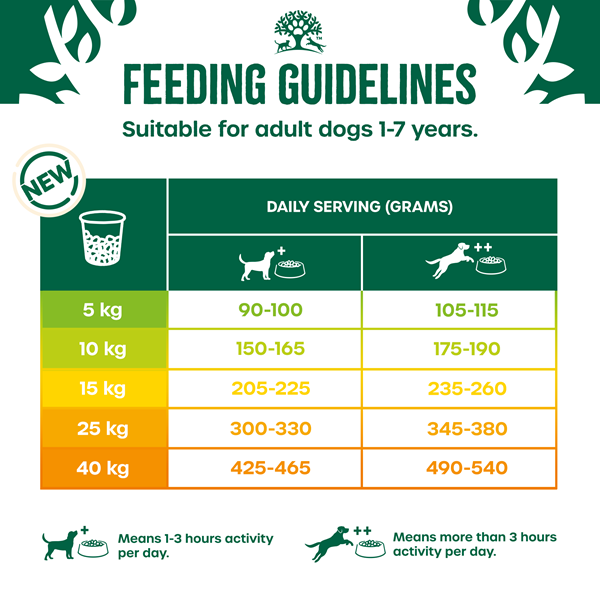
Do not feed adult food too early. Puppies need more nutrients for growth. Avoid mixing adult and puppy food for a long time. Overfeeding or underfeeding can cause weight problems. Follow the feeding guide on the dog food package for best results.
Special Cases And Considerations
Some puppies need special care when switching to adult dog food. Their breed size and health can change the right time for the change. Paying attention to these details helps keep your dog healthy and strong.
Large Breed Puppies
Large breed puppies grow fast and need careful feeding. Their joints and bones develop over a longer time. Feeding adult food too early can cause growth problems. Wait until they are about 12 to 18 months old. Choose food made for large breeds to support healthy growth.
Small Breed Puppies
Small breed puppies grow quickly and mature sooner. They often need adult food around 9 to 12 months old. Their energy needs differ from larger dogs. Pick food that matches their size for good nutrition and energy balance.
Health Conditions Affecting Diet
Some dogs have health problems that affect their diet needs. Conditions like allergies, diabetes, or kidney disease need special food. Talk to a vet before changing to adult food. They can recommend the best diet for your dog’s health.
Choosing The Right Adult Dog Food
Choosing the right adult dog food is important for your dog’s health. Adult dogs have different needs than puppies. Their food must support steady energy and keep their body strong. Good nutrition helps your dog live a happy and active life.
Many dog foods claim to be the best. Knowing what to look for helps you make smart choices. Focus on what your dog really needs. This makes feeding time easier and better for your pet.
Key Nutrients To Look For
Protein is the building block for muscles. Choose foods with high-quality protein sources like chicken or fish. Fat provides energy and keeps the coat shiny. Omega-3 and omega-6 fatty acids are important fats to include.
Carbohydrates supply fuel for daily activities. Fiber helps with digestion and keeps the stomach healthy. Vitamins and minerals support the immune system and bones. Look for foods balanced with all these nutrients.
Types Of Adult Dog Food
Dry kibble is popular because it lasts long and cleans teeth. Wet food has more moisture and is easier to chew. Some owners mix both for variety and hydration. Raw diets and homemade meals are options but need careful planning.
Each type fits different dogs and lifestyles. Consider your dog’s preferences and any health issues when choosing.
Reading Dog Food Labels
Labels show ingredients and nutrient levels. Ingredients are listed by weight, so the first items are the most used. Meat should come before fillers like corn or wheat. Check for artificial colors, flavors, or preservatives to avoid.
Guaranteed analysis shows minimum protein and fat. Also shows maximum fiber and moisture. Choose foods that meet AAFCO standards for adult maintenance. This ensures the food meets basic nutritional needs.

Credit: omni.pet
Monitoring Your Dog’s Health Post-switch
Changing your dog’s food from puppy to adult is a key step in their growth. After the switch, watch their health closely. This helps you see how well they adjust to new nutrition. Pay attention to signs that show if the food suits them.
Healthy changes take time. Your dog’s body needs to get used to the new diet. Careful monitoring helps catch problems early. It also supports your dog’s long-term well-being.
Weight Management
Keep track of your dog’s weight every week. Sudden gain or loss can mean the food is not right. Adult dog food has different calorie levels than puppy food. Adjust portion sizes if you see changes in weight. Maintaining a healthy weight prevents future health issues.
Energy Levels
Notice changes in your dog’s energy and activity. Adult food provides balanced nutrients for their age. Low energy might mean the food lacks something important. Too much energy could suggest overfeeding. Aim for steady activity and alertness throughout the day.
Regular Vet Checkups
Schedule vet visits after switching food. Vets can check your dog’s health thoroughly. They test for issues like digestion and allergies. Your vet may suggest blood tests or stool checks. Follow their advice to keep your dog healthy.
Credit: wellbeloved.com
Frequently Asked Questions
When Should I Switch My Puppy To Adult Dog Food?
You should switch to adult dog food when your puppy reaches about 12 months. Large breeds may need to wait until 18-24 months. This timing supports healthy growth and meets their changing nutritional needs effectively.
What Signs Indicate My Dog Needs Adult Food?
Signs include slowed growth, reduced energy needs, and a stable weight. Puppies typically show these signs around one year old. Transitioning to adult food helps maintain health and prevents overfeeding or nutrient imbalances.
Can I Feed Adult Food To My Puppy Early?
No, feeding adult food too early can cause nutrient deficiencies. Puppy food has extra calories and nutrients needed for growth. Switching too soon might stunt development or cause health issues.
How To Transition My Dog To Adult Food Smoothly?
Gradually mix adult food with puppy food over 7-10 days. This avoids digestive upset and helps your dog adjust. Increase adult food proportion daily until fully switched.
Conclusion
Feeding your dog adult food at the right age helps keep them healthy. Most dogs switch around one year old, but size matters too. Large breeds may need adult food later, while small breeds switch sooner. Watch your dog’s growth and energy for clues.
Always choose balanced food made for adults. This change supports their bones, muscles, and overall health. Talk to your vet if unsure about timing. Careful feeding means a happy, strong dog. Simple steps make a big difference in your pet’s life.


