

Are you struggling with your dog’s bad habits? Whether it’s constant barking, chewing on furniture, or pulling on the leash, these behaviors can be frustrating and stressful.
But here’s the good news: you can change your dog’s behavior in a way that’s kind, clear, and effective. Imagine having a calm, well-behaved dog that listens to you without constant reminders. You’ll discover practical tips and simple steps to correct your dog’s behavior and build a stronger bond.
Ready to transform your daily life with your furry friend? Keep reading to find out how.
Common Dog Behavior Issues
Dogs can show many behavior problems. These issues often cause stress for both dogs and owners. Understanding common problems helps in fixing them quickly. This section covers frequent behavior challenges in dogs.
Excessive Barking
Dogs bark to communicate. But too much barking can be a problem. It can annoy neighbors and disturb the household. Excessive barking may happen from boredom, fear, or attention-seeking. Identifying why your dog barks helps to reduce it.
Chewing And Destruction
Chewing is natural for dogs, especially puppies. Sometimes, chewing turns into destruction. Dogs may chew furniture, shoes, or other items. This behavior can damage your home and cause safety issues. Providing proper toys and training lowers destructive chewing.
Aggression And Fear
Aggression can be scary and dangerous. Fear often causes aggressive behavior. Dogs may growl, snap, or bite when scared. Understanding triggers and using calm training methods can reduce aggression. Early socialization is key to preventing fear-based problems.
House Soiling
House soiling means a dog pees or poops indoors. This is common in puppies and some adult dogs. It can happen due to health or training issues. Consistent potty training and health checks help control house soiling. Patience and routine are important for success.

Credit: www.amazon.com
Root Causes Of Behavior Problems
Understanding the root causes of dog behavior problems helps in fixing them well. Many issues come from basic needs or unseen troubles. Identifying these causes leads to better care and training. Each dog is different, so knowing what drives their behavior is key.
Lack Of Training
Dogs need clear rules and consistent training. Without guidance, they may act out or become confused. Basic commands and routines teach dogs how to behave. Training builds trust between owner and dog. Problems often start when dogs don’t know what is expected.
Anxiety And Stress
Stress can make dogs scared or aggressive. Changes in home, loud noises, or separation cause anxiety. Dogs show stress through barking, chewing, or hiding. Recognizing stress signs helps calm and support them. A calm dog behaves better and feels safe.
Medical Conditions
Illness or pain can change a dog’s behavior. Dogs might growl or avoid people when hurt. Some health issues cause confusion or restlessness. Regular vet visits help find and treat these problems. A healthy dog stays happy and well behaved.
Environmental Factors
Where a dog lives affects its behavior. Crowded or noisy places may cause fear or excitement. Lack of exercise or mental stimulation leads to boredom. Providing a quiet, safe space helps dogs relax. Good environments encourage calm and friendly behavior.
Basic Training Techniques
Basic training techniques form the foundation of good dog behavior. These methods help dogs learn what is right and wrong. Training builds trust between you and your dog. It also makes daily life easier and more enjoyable.
Using simple and clear techniques ensures your dog understands your expectations. Training sessions should be short and fun. This keeps your dog interested and ready to learn more.
Positive Reinforcement
Positive reinforcement means rewarding good behavior. Give treats, praise, or petting when your dog follows commands. This encourages your dog to repeat the behavior. Avoid rewards for bad behavior. This method helps dogs learn faster and feel happy.
Consistency And Patience
Consistent training helps dogs understand rules. Use the same words and actions every time. Be patient; dogs need time to learn. Training may take days or weeks. Stay calm and keep trying. Patience makes training effective and builds a strong bond.
Using Commands Effectively
Choose simple commands like “sit,” “stay,” or “come.” Speak clearly and use a firm tone. Give one command at a time. Wait for your dog to respond before giving the next. Practice commands often to help your dog remember.
Avoiding Punishment
Punishing dogs can cause fear and confusion. Avoid yelling, hitting, or harsh corrections. These actions can damage trust and harm behavior. Focus on guiding your dog gently. Use rewards and redirection to teach good habits.

Credit: www.simonandschuster.com.au
Behavior Modification Strategies
Correcting dog behavior requires patience and clear strategies. Behavior modification helps change unwanted actions. These strategies focus on teaching your dog new habits. They create positive experiences and reduce stress for your pet. Understanding these methods helps you guide your dog gently and effectively.
Desensitization
Desensitization means exposing your dog to triggers slowly. Start with a low level that does not cause fear. Gradually increase the intensity as your dog stays calm. This helps your dog get used to the trigger. Over time, the dog reacts less and less.
Counter-conditioning
Counter-conditioning changes your dog’s emotional response. Pair something your dog likes with the trigger. For example, give treats when your dog sees the trigger. This creates a positive feeling about the trigger. It helps replace fear or aggression with calmness.
Redirecting Bad Behavior
Redirecting means guiding your dog away from bad actions. Offer a toy or a command to distract your dog. Praise your dog for choosing the right behavior. This teaches what is acceptable and what is not. It also keeps your dog busy and focused.
Building Confidence
Confidence helps your dog face new situations calmly. Teach simple commands and reward success. Practice in safe, controlled environments. Positive reinforcement boosts your dog’s self-esteem. A confident dog is less likely to act out or be scared.
Tools And Resources
Correcting dog behavior requires the right tools and resources. These help guide your dog and support training efforts. Choosing the proper aids and seeking expert advice can improve results. Various resources suit different training styles and dog needs.
Training Aids And Equipment
Training aids make learning clear for dogs. Items like clickers, leashes, and harnesses help control and reward good actions. Treat pouches keep snacks handy for positive reinforcement. Consistent use of these tools speeds up behavior correction.
Professional Trainers And Behaviorists
Experts offer valuable guidance for tough behavior problems. Trainers teach skills and correct habits with hands-on help. Behaviorists study why dogs act a certain way. Their advice targets root causes for lasting change. Hiring a professional can save time and stress.
Books And Online Courses
Books provide detailed instructions for many training methods. They are easy to reread and follow at your pace. Online courses offer video lessons and interactive tips. These resources fit busy schedules and provide expert knowledge. Learning from trusted sources improves training success.
Maintaining Long-term Results
Maintaining long-term results in correcting dog behavior requires consistent effort and attention. Training is not a one-time event. It needs regular practice to keep good habits strong. Dogs learn best through repetition and clear signals. Without ongoing reinforcement, old behaviors may return. Staying patient and committed helps your dog stay on track.
Regular Practice And Reinforcement
Practice commands and good behavior every day. Short sessions work better than long ones. Praise and reward your dog for good actions. This encourages them to repeat the behavior. Avoid punishment, as it can cause fear or confusion. Consistent routines build trust and understanding between you and your dog.
Monitoring Progress
Keep track of your dog’s behavior changes. Note improvements and setbacks. This helps spot patterns and problem areas. Use a journal or app to record progress. Monitoring allows you to celebrate wins and adjust your approach. Stay attentive to your dog’s mood and reactions.
Adjusting Techniques Over Time
Change your methods as your dog learns new skills. Increase challenges to keep your dog engaged. Some dogs respond better to certain rewards or cues. Be flexible and try different strategies. Adapting keeps training effective and prevents boredom. Always keep training sessions positive and fun.
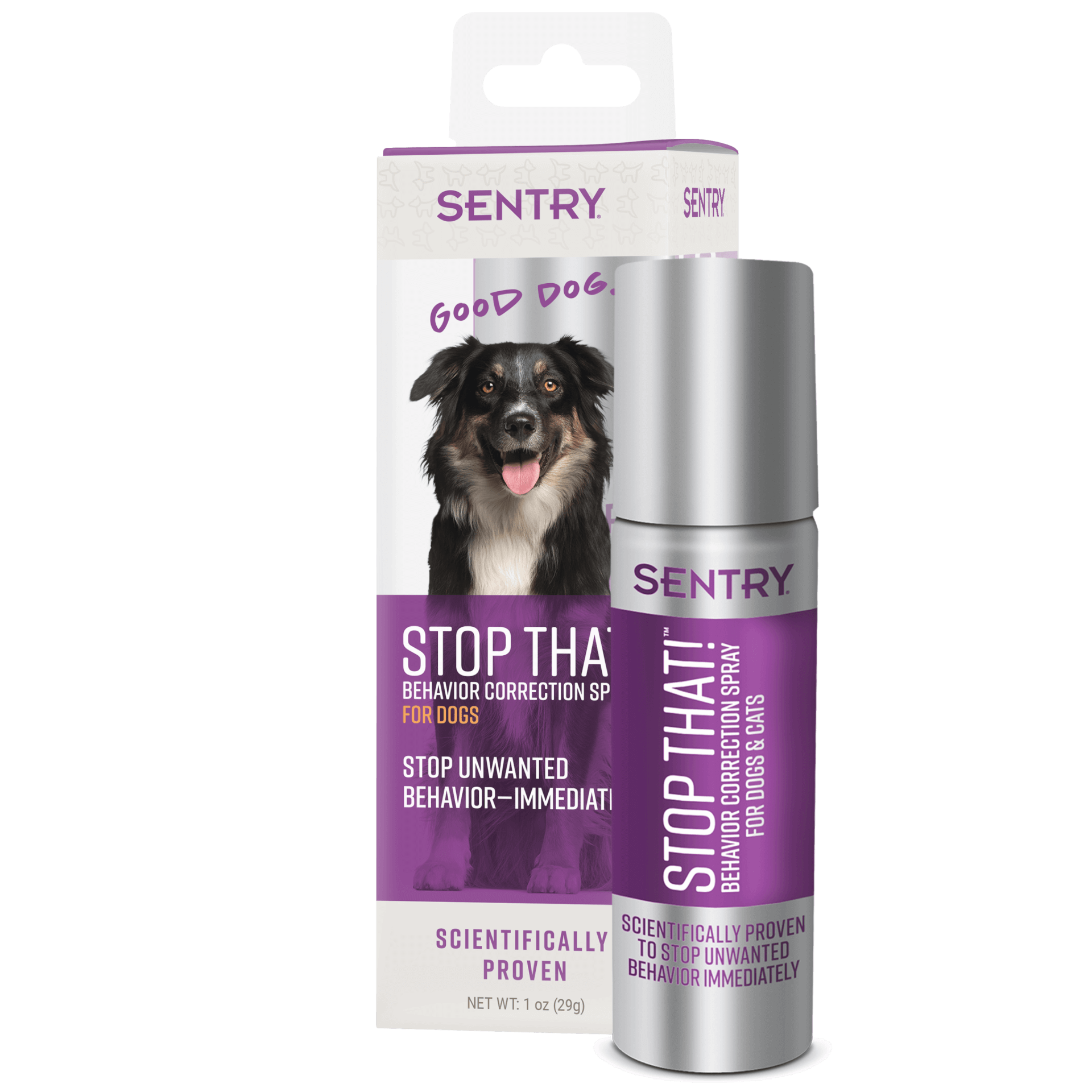
Credit: sentrypetcare.com
Frequently Asked Questions
How Can I Stop My Dog From Chewing Furniture?
Provide chew toys and redirect your dog’s attention. Use positive reinforcement to reward good behavior. Consistency and supervision help prevent chewing on furniture.
What Are Effective Ways To Correct Barking Behavior?
Identify the cause of barking and address it. Use commands like “quiet” with treats as rewards. Avoid yelling, which can worsen barking.
How Do I Train My Dog To Stop Jumping?
Teach the “sit” command and reward calm behavior. Ignore jumping to reduce attention-seeking. Consistent training and patience are key.
Why Is My Dog Aggressive And How To Fix It?
Aggression may stem from fear or protection. Consult a professional trainer or vet. Use positive reinforcement and avoid punishment.
Conclusion
Correcting dog behavior takes patience and kindness. Consistency helps dogs learn what is right. Reward good actions to encourage them more. Avoid harsh punishments that can cause fear. Small steps lead to big improvements over time. Every dog can become well-behaved with care.
Trust builds a strong bond between you both. Keep practicing daily for lasting results. Enjoy the journey of growing together. Your effort shapes a happy, well-mannered dog.


