

If you want to train your dog quickly and effectively, using a clicker can be a game changer. Imagine being able to teach your dog new tricks or good behavior with a simple, clear sound that your dog understands instantly.
In this guide, you’ll discover exactly how to use a clicker to communicate with your dog in a way that makes training easier and more fun for both of you. Keep reading, and you’ll learn the step-by-step method to turn your dog into a well-behaved companion, all with the power of a simple click.

Credit: biksie.co.za
Why Choose Clicker Training
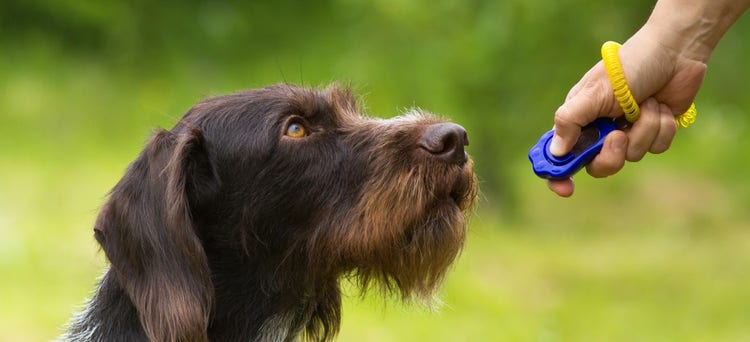
Clicker training uses a small device that makes a clicking sound. This sound helps dogs understand what behavior you want. It is simple and clear for dogs to learn. The click marks the exact moment your dog does something right. This method builds trust and makes training fun for dogs and owners.
Benefits For Dogs
Dogs learn faster with clicker training. The clear sound helps them know the right action. It reduces confusion and stress during training. Dogs feel happy because they get rewards after hearing the click. This method improves focus and memory. It also encourages good behavior without punishment. Dogs enjoy training sessions more and look forward to learning.
Advantages For Owners
Owners find clicker training easy to use. The click sound is consistent and clear every time. This helps owners communicate better with their dogs. Training sessions become shorter and more effective. Owners feel more confident and patient. Clicker training builds a strong bond between owner and dog. It also makes solving behavior problems simpler and faster.

Credit: njdog.com
Getting Started With Clicker Training
Clicker training is a simple and effective way to teach your dog new behaviors. It uses a small device that makes a distinct sound to mark good actions. This method helps your dog understand exactly what you want. Starting with the right tools and approach sets the stage for success.
Selecting The Right Clicker
Choose a clicker that fits comfortably in your hand. It should be easy to press and produce a clear, sharp sound. Avoid clickers that are too loud or too soft. Consider your dog’s size and sensitivity to noise. A good clicker helps keep your dog’s attention during training.
Introducing The Clicker To Your Dog
Begin by clicking and giving your dog a treat right after. Repeat this several times so your dog links the sound to a reward. Keep sessions short and positive to build interest. Your dog will soon understand that the click means a treat is coming. This step is key to effective clicker training.
Basic Clicker Training Steps
Basic clicker training steps build a strong foundation for teaching dogs new behaviors. This method uses a small device that makes a clicking sound. It helps dogs understand exactly what action earns a reward. Clear communication speeds up learning and makes training fun for both owner and dog.
Start with simple commands and be consistent. Repeat the process until your dog responds well. Patience and timing are key to success with clicker training.
Marking Desired Behaviors
The clicker marks the exact moment your dog does the right thing. It tells your dog, “Yes, that is correct!” Use the click right after the behavior happens. This helps your dog link the action to the reward clearly.
For example, click when your dog sits or looks at you. This clear signal helps your dog learn faster.
Timing The Click
Timing is crucial in clicker training. Click too early or late, and your dog may get confused. Click instantly after the right behavior. This helps your dog understand what earned the click.
Practice clicking only for good actions. This builds a strong connection between the click and the behavior.
Using Treats Effectively
Treats are rewards that follow the click sound. Use small, tasty treats your dog loves. Give the treat right after clicking. This links the click to a positive reward.
Avoid giving treats without clicking. This keeps the click special and meaningful. Treats motivate your dog to repeat good behavior.
Credit: www.petplace.com
Essential Commands To Teach
Teaching your dog essential commands builds a strong bond. It also keeps your dog safe and well-behaved. Using a clicker helps your dog learn these commands quickly. The clicker marks the exact moment your dog does the right thing. This makes training clear and easy for your dog to understand.
Sit And Stay
Start with the “sit” command. Hold a treat above your dog’s nose. Move the treat back over their head. Your dog will naturally sit to follow it. Click the moment your dog’s bottom touches the ground. Then give the treat. Repeat until your dog sits on command without a treat.
Next, teach “stay.” Ask your dog to sit first. Show your open palm and say “stay.” Take a small step back. Click and treat if your dog stays still. Gradually increase the time and distance. This command keeps your dog calm and controlled.
Come When Called
Start in a quiet place. Say your dog’s name and then “come.” When your dog comes, click and give a treat. Use a happy voice to encourage your dog. Practice this often in different places. This command helps keep your dog safe off-leash.
Heel And Loose Leash Walking
Hold a treat by your side. Start walking and say “heel.” Click and treat when your dog stays close. Stop if your dog pulls. Wait for them to come back and walk beside you. Repeat this often. Loose leash walking makes walks more enjoyable and safe.
Troubleshooting Common Challenges
Training a dog with a clicker can be very effective. Yet, some challenges might slow progress. These issues are common and fixable. Understanding how to solve them helps your dog learn better.
Dealing With Distractions
Distractions can make your dog lose focus. Start training in a quiet place. Use fewer distractions at first. Gradually add more as your dog improves. Keep sessions short to hold attention. Praise your dog when it stays focused. This builds better habits over time.
Overcoming Clicker Confusion
Some dogs do not understand the click sound at first. Pair the click with a treat immediately. Repeat this several times to build connection. Be consistent with the sound and reward. Avoid clicking without giving a treat. This helps your dog know what the click means.
Managing Overexcitement
Dogs can get too excited during training. This makes learning harder. Pause and wait for calm behavior. Use a gentle voice to soothe your dog. Give treats only when the dog is calm. Practice short sessions to prevent overexcitement. Calm dogs learn faster and better.
Advanced Clicker Techniques
Advanced clicker techniques help deepen your dog’s training experience. They build on basic commands and create stronger communication. These methods train your dog to learn complex tasks and respond without constant treats. Patience and practice make these techniques work well.
Shaping Complex Behaviors
Shaping means rewarding small steps toward a big behavior. Click and treat each little progress your dog makes. For example, to teach your dog to roll over, start by clicking when it lies down. Next, click when it turns slightly. Keep rewarding closer actions until the dog rolls fully. This breaks a hard task into easy parts. It makes learning fun and clear for your dog.
Fading Treats Gradually
Fading treats means giving fewer treats but keeping the click sound. Start by giving a treat every time you click. Then, give treats only sometimes after the click. This helps your dog listen for the click, not just the treat. Over time, the click itself becomes the reward. This keeps the dog motivated without needing many treats.
Incorporating Hand Signals
Hand signals add clear, silent commands. Use a simple gesture with each click and treat. For example, show your palm to stop or wave to come. Repeat the signal with the click and treat. Your dog learns to link the signal with the action. Hand signals help in noisy places or from far away. They make training more flexible and effective.
Maintaining Training Momentum
Maintaining training momentum is key to helping your dog learn with a clicker. Consistency keeps your dog focused and eager to learn. It helps build good habits and makes training a regular part of your routine. Without steady practice, your dog might forget what they have learned. Keep the training sessions going strong to see the best results.
Regular Practice Sessions
Set a daily time for clicker training. Short sessions work best. Five to ten minutes is enough for your dog to stay interested. Practice often to build skills step by step. Make training part of your day, like brushing teeth or feeding. Regular practice helps your dog remember commands better.
Tracking Progress
Keep notes on what your dog learns each day. Write down commands your dog knows well. Note any commands that need more work. Tracking progress shows what to focus on next. It also helps you celebrate small wins. Seeing progress keeps both you and your dog motivated.
Keeping Training Fun
Use treats and praise with every click. Change the environment to keep things fresh. Train in different rooms or outside. Play short games that use the new skills. Fun training makes your dog excited to learn. Happy dogs learn faster and stay interested longer.
Frequently Asked Questions
What Is A Clicker In Dog Training?
A clicker is a small device that makes a distinct clicking sound. It helps mark desired behaviors instantly. Dogs associate the click with a reward, making training clear and effective.
How Do You Start Clicker Training A Dog?
Begin by clicking and immediately giving a treat. Repeat this to create a positive association. Then, use the clicker to mark specific behaviors you want to teach.
Can Clicker Training Improve Dog Obedience?
Yes, clicker training enhances obedience by providing clear communication. It encourages dogs to repeat good behaviors for rewards. This method is gentle and builds trust.
How Often Should I Use The Clicker During Training?
Use the clicker every time your dog performs the desired behavior. Consistency helps dogs understand what earns rewards. Gradually, reduce treats but keep clicking to reinforce learning.
Conclusion
Using a clicker helps your dog learn commands clearly. It makes training quick and fun for both of you. Keep sessions short and positive to see good results. Practice often and be patient with your dog’s progress. This method builds trust and good behavior over time.
Start today, and enjoy training your dog step by step. Simple tools, steady work, happy dogs.


