

If you have both a dog and a cat, you might think their diets should be pretty similar. After all, they’re both furry friends who need good food to stay healthy, right?
But here’s the surprise: your dog’s nutritional needs are quite different from your cat’s. Understanding these differences can make a huge impact on their health, energy, and happiness. Keep reading to discover what you need to know to give your pets the best nutrition tailored just for them.
Your furry companions will thank you!

Credit: www.ukpetfood.org
Key Nutrient Differences
Dogs and cats have different nutritional needs. Understanding these key nutrient differences helps provide the right diet for each pet. Their bodies process food differently, so what suits one may not suit the other.
Protein Requirements
Cats need more protein than dogs. They are obligate carnivores, meaning they must eat meat to survive. Cats rely on protein for energy and body functions. Dogs are omnivores and can digest plant proteins too. Their protein needs are lower but still important for muscle and tissue health.
Fat Needs
Cats require higher fat levels in their diet. Fat is a critical energy source for cats and supports their skin and coat. Dogs also need fat but in smaller amounts. Fat helps dogs absorb vitamins and maintain healthy cells. Both pets benefit from omega-3 and omega-6 fatty acids.
Vitamin And Mineral Variations
Cats need vitamin A from animal sources because they cannot convert it from plants. Dogs can convert beta-carotene into vitamin A. Cats also require taurine, an amino acid found only in meat. Dogs produce taurine naturally, so it is less critical in their diet. Mineral needs like calcium and phosphorus vary slightly, depending on species and size.
Metabolic And Digestive Traits
Dogs and cats have different metabolic and digestive traits. These traits affect how they process food and absorb nutrients. Understanding these differences helps pet owners provide the right diet. It also supports the pet’s health and well-being.
Digestive Enzymes
Dogs produce more enzymes to break down starches and carbohydrates. Their digestive system handles plant-based foods better than cats. Cats have fewer enzymes for carbohydrate digestion. They mainly rely on enzymes that digest protein and fat. This is why cats need more animal protein in their diet.
Energy Metabolism
Dogs have a flexible energy metabolism. They can use carbohydrates, fats, or proteins for energy. Cats have a unique metabolism that depends mostly on protein. They require higher protein intake to meet their energy needs. Cats cannot adjust well to low protein diets like dogs can.
Feeding Frequency
Dogs can eat two or three meals a day. Their metabolism allows them to store energy between meals. Cats are natural hunters and eat small meals often. They do better with several small meals throughout the day. Feeding cats frequently supports their steady energy needs.
Essential Amino Acids
Essential amino acids are vital nutrients that pets must get from their food. Dogs and cats both need amino acids to build muscles, repair tissues, and support their immune systems. But their needs are not the same. Cats need some amino acids in higher amounts than dogs do. This difference affects their diet and health.
Taurine In Cats
Taurine is a special amino acid important for cats. Cats cannot make enough taurine on their own. It helps their heart, eyes, and digestion work well. Without enough taurine, cats can suffer serious health problems. Dogs can produce taurine, so they need less from food.
Arginine Needs
Arginine is another essential amino acid for both dogs and cats. It helps remove ammonia from the body, which is toxic. Cats have a higher demand for arginine than dogs. A lack of arginine in a cat’s diet can cause rapid illness. Dogs can tolerate lower arginine levels without issues.
Methionine And Cysteine
Methionine and cysteine are sulfur-containing amino acids. They support healthy skin and fur in both dogs and cats. Cats need more methionine and cysteine than dogs. These amino acids also help produce important antioxidants. Good levels in food keep pets strong and active.
Credit: www.slideshare.net
Vitamin Needs
Vitamins play a big role in keeping dogs and cats healthy. Both need vitamins to grow, heal, and stay active. Their needs differ because of how their bodies work. Understanding these differences helps provide better care for pets.
Vitamin A Differences
Dogs can change some plant sources into vitamin A. Cats cannot do this well. Cats need vitamin A from animal sources like liver. Without enough vitamin A, cats can get sick. Dogs have more flexibility in how they get it.
Niacin And Other B Vitamins
Cats need more niacin than dogs. They cannot make enough niacin on their own. Dogs can produce niacin from other nutrients. B vitamins help with energy and brain function. Cats must get these vitamins directly from their food.
Vitamin D Sources
Dogs and cats both need vitamin D for bones and health. Cats cannot make vitamin D from sunlight. Dogs can make some vitamin D from the sun. Both pets rely mostly on food for vitamin D. Animal-based foods are the best sources.
Common Dietary Deficiencies
Dogs and cats need different nutrients to stay healthy. Both can suffer from missing important vitamins or minerals in their diets. These common dietary deficiencies can cause health problems if not treated.
Understanding these risks helps pet owners keep their animals strong. Knowing what each species lacks can prevent illness and improve their quality of life.
Risks In Cats
Cats need taurine, an essential amino acid. Without enough taurine, heart and eye problems can develop. Vitamin A deficiency is another risk because cats cannot make it from plants. Lack of vitamin A causes skin and vision issues. Cats also need arachidonic acid, a fatty acid missing in some dog foods. Without it, cats may have poor skin and coat health.
Risks In Dogs
Dogs are at risk for vitamin D deficiency if they eat poor diets. This can lead to bone problems and weak muscles. Dogs can also lack essential fatty acids, causing dry skin and dull coats. Some dog foods miss enough B vitamins, leading to energy loss and poor growth. Unlike cats, dogs do not need taurine but need more carbohydrates for energy.
How To Prevent Deficiencies
Choose balanced pet foods made for your animal’s species. Check labels for essential nutrients like taurine in cat food. Feed a variety of foods to cover all vitamin and mineral needs. Regular vet check-ups help spot and fix deficiencies early. Supplements can help but only under a vet’s advice. Proper nutrition keeps pets healthy and active for years.
Special Dietary Considerations
Dogs and cats have different nutritional needs. Their diets must fit their unique bodies and lifestyles. Special dietary considerations help keep pets healthy and happy. Understanding these needs helps owners choose the right food.
Life Stage Nutrition
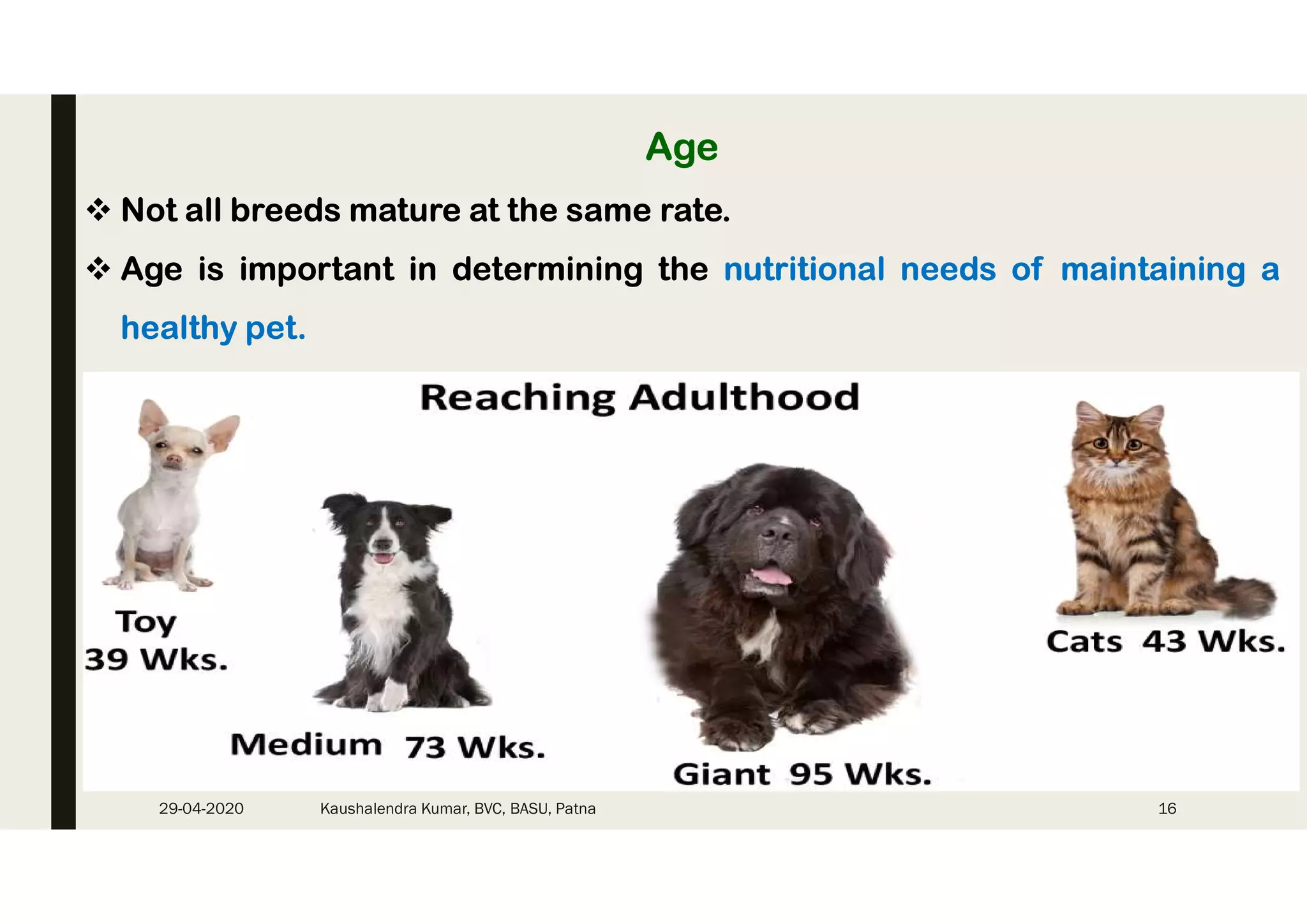
Puppies and kittens need more nutrients than adults. Puppies require extra protein for muscle growth. Senior dogs need fewer calories but more fiber. Cats also need specific nutrients at each stage. Life stage nutrition supports healthy development and aging.
Health Conditions
Some dogs have allergies or digestive problems. These dogs need special diets with limited ingredients. Cats with kidney disease require low phosphorus diets. Weight management diets help overweight dogs and cats. Tailored diets improve health and comfort.
Breed-specific Needs
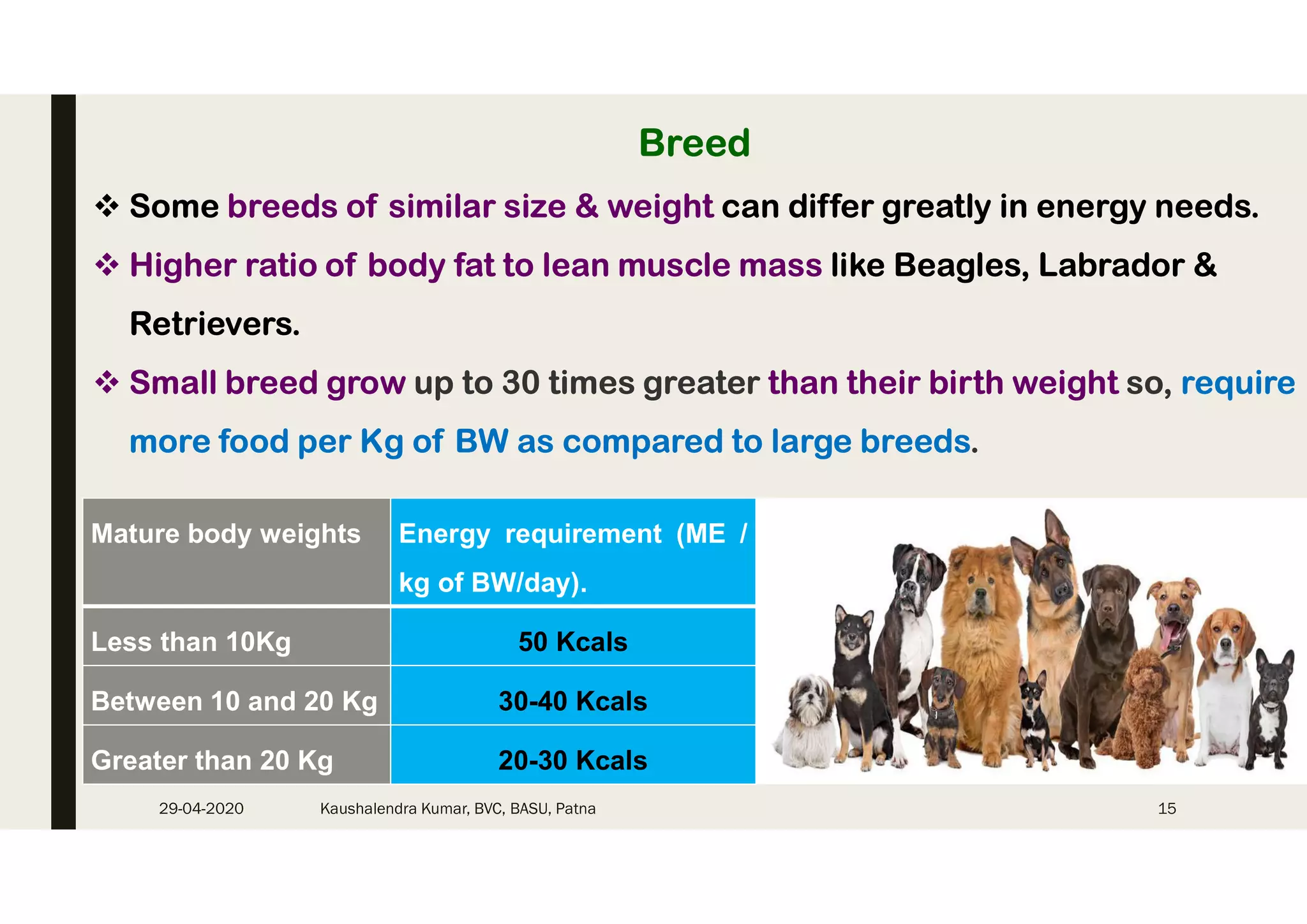
Large dog breeds need joint support nutrients. Small breeds burn energy faster and need calorie-dense food. Some cat breeds are prone to diabetes and need controlled diets. Breed-specific diets target common health risks. This approach helps pets live longer and better lives.
Choosing Commercial Pet Foods
Choosing the right commercial pet food is crucial for your dog or cat’s health. Dogs and cats have different nutritional needs. Their diets must match these differences for good health and energy.
Commercial pet foods offer many options. They come in various forms and ingredients. Understanding these choices helps you pick food that fits your pet’s needs.
Label Reading Tips
Read pet food labels carefully. Look for clear ingredient lists. The first few ingredients should be quality proteins. Avoid foods with too many fillers like corn or wheat.
Check for essential nutrients like vitamins and minerals. Make sure the food meets standards by AAFCO. This ensures the food supports your pet’s growth and health.
Wet Vs. Dry Food
Wet food has high moisture, which helps with hydration. It often contains more protein and fewer carbs than dry food. Dogs and cats both benefit from wet food, especially cats who need more water.
Dry food is easy to store and lasts longer. It helps keep teeth cleaner by reducing tartar buildup. Many pet owners mix wet and dry food for variety and balance.
Raw And Homemade Diets
Raw and homemade diets let you control every ingredient. They can be fresh and free from fillers. But they require careful planning to meet all nutritional needs.
Consult a vet before switching to raw or homemade food. Poorly balanced diets can cause health problems. Proper guidance ensures your pet gets the right nutrients safely.
Credit: www.slideshare.net
Frequently Asked Questions
What Are The Main Nutritional Differences Between Dogs And Cats?
Dogs need a balanced diet with carbs, fats, and proteins. Cats require higher protein and specific nutrients like taurine. Cats are obligate carnivores, while dogs are omnivores, affecting their dietary needs.
Why Do Cats Require Taurine In Their Diet?
Taurine is essential for cats’ heart and eye health. Cats cannot produce enough taurine naturally, so it must be included in their food. Dogs can synthesize taurine, so it’s less critical for them.
Can Dogs Eat Cat Food Or Vice Versa?
Dogs can eat cat food occasionally but it’s not ideal long-term. Cat food is too rich in protein and fat for dogs. Cats should not eat dog food, as it lacks essential nutrients like taurine.
How Does Protein Requirement Differ For Dogs And Cats?
Cats need higher protein levels to support muscle and energy. Dogs require moderate protein, balanced with carbs and fats. Protein quality and quantity are crucial in feline diets.
Conclusion
Dogs and cats need different foods to stay healthy. Dogs require more protein and fat from meat. Cats need special nutrients only found in animal products. Feeding the right food helps pets live longer and feel better. Know what your pet needs before choosing food.
This keeps them strong and happy every day. Understanding these differences protects their health and well-being. Simple care makes a big difference for your furry friends.


