

Is your Labrador growing fast, and you’re wondering if it’s time to change its food? Knowing when to switch your Lab to adult dog food is important for its health and happiness.
Feeding your dog the right food at the right time supports strong bones, shiny fur, and plenty of energy. But how do you know the perfect moment to make this switch? Keep reading to discover clear signs and expert tips that will help you make the best choice for your furry friend.
Your Lab deserves the best, and this guide will help you give it just that.
Lab Puppy Growth Stages
Lab puppies grow fast and change a lot in a short time. Their bodies and minds develop through clear stages. Each stage needs different care and feeding. Understanding these stages helps you choose the right food at the right time. This ensures your Lab grows strong and healthy.
Knowing the growth stages also helps you spot if your puppy is on track. It guides you on when to switch from puppy food to adult dog food. This switch supports their changing nutritional needs and avoids health problems.
Key Milestones In Development
Puppies open their eyes around two weeks old. They start walking at three weeks. By eight weeks, they begin socializing and exploring the world. At three to six months, Labs grow rapidly. Their bones and muscles get stronger. Between six and twelve months, they reach near adult size. Their behavior matures during this time too.
Nutritional Needs At Each Stage
Newborn Labs need their mother’s milk for nutrition. After weaning, they require puppy food rich in protein and fat. This supports fast growth and energy needs. Between three and six months, calories and nutrients should increase. They need more calcium and phosphorus for bone growth. From six months, nutrient needs change as growth slows. Protein remains important but in balanced amounts. At one year, Labs can start adult dog food. This meets their maintenance and energy needs without excess.

Credit: www.reddit.com
Signs Your Lab Is Ready
Knowing the right time to switch your Lab to adult dog food is important for its health. Signs your Lab is ready help you decide the best moment. These signs show your dog is growing and needs a different diet to stay strong. Watch your Lab closely for these changes.
Physical Changes To Watch For
Your Lab’s body shows clear signs of growth and maturity. Look for a fuller, more muscular frame. Puppy fat will start to fade as your dog gains muscle. Teeth become stronger and more permanent. The coat might change, becoming thicker or shinier. These physical changes mean your Lab’s nutritional needs are changing.
Behavioral Indicators Of Maturity
Your Lab’s behavior also signals readiness for adult food. It may become calmer and less hyperactive. The puppy energy fades, and your dog acts more mature. Your Lab may show more focus during training and play. Eating habits change too, with a steadier appetite. These behavior shifts show your dog is ready for adult nutrition.
Age Benchmarks For Switching
Knowing the right age to switch your Lab to adult dog food is important. Feeding the right food helps your dog grow strong and stay healthy. Labs grow fast, but they do not stay puppies forever. Their nutritional needs change as they age.
Age benchmarks give a clear guide for when to make the switch. These benchmarks depend on common age ranges and breed-specific needs. Watching your dog’s growth and energy levels helps too.
Common Age Ranges For Transition
Most Labs switch to adult food between 12 and 18 months old. Large breed dogs like Labs mature slower than small breeds. Their bones and joints still develop after one year.
Some dogs need adult food closer to 18 months. Others may do well at 12 months. Watch your Lab’s size and activity to decide.
Breed-specific Considerations
Labradors grow bigger and last longer in puppy stages than small breeds. Their strong bones need balanced nutrition to avoid joint problems. Labs usually switch later than small dogs.
Labs tend to gain weight easily. Their adult food should support healthy weight and muscle. Feeding adult food too early or late can cause issues.
Choosing The Right Adult Food
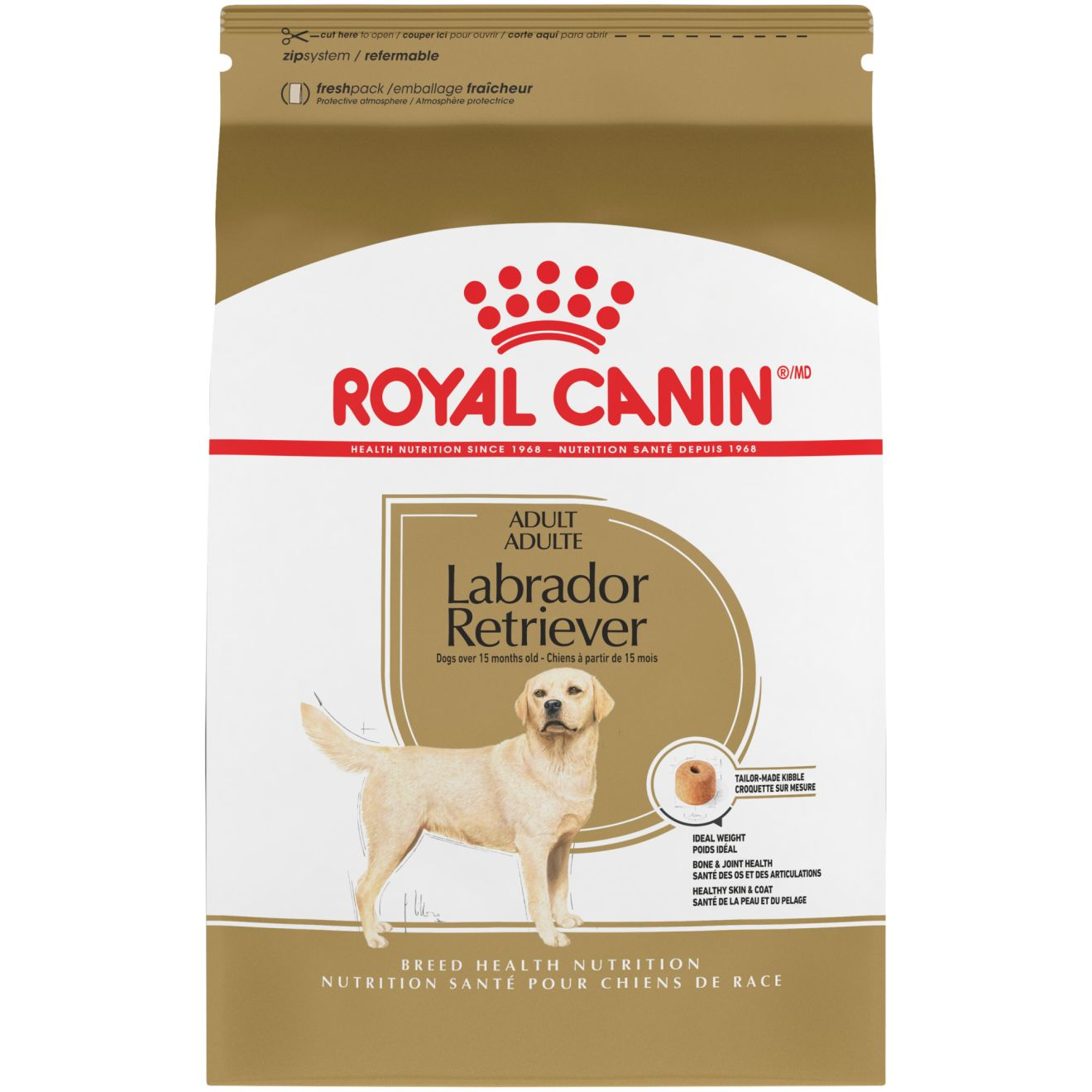
Switching your Labrador to adult dog food is an important step. The right food supports health and energy as your dog grows. Adult dogs need different nutrients than puppies. Choosing food carefully helps your Lab stay strong and happy.
Look for quality ingredients and balanced nutrition. This ensures your dog gets the vitamins and minerals needed for daily life. The food should match your Lab’s size, activity level, and health needs. Let’s explore key points to consider when picking adult dog food.
Nutrient Adjustments For Adults
Adult dogs need fewer calories than puppies. Their growth slows, so energy needs drop. Protein remains important for muscle health but in moderate amounts. Fat content should be balanced to avoid weight gain. Fiber helps with digestion and bowel health. Vitamins and minerals support immune and bone health. Avoid foods high in fillers or artificial additives. A well-balanced diet keeps your Lab fit and active.
Types Of Adult Dog Food Options
Dry kibble is popular and easy to store. It helps keep teeth clean by reducing plaque. Wet food has more moisture, good for hydration. It tends to be more flavorful, which some dogs prefer. Raw and homemade diets offer control over ingredients. They require careful preparation to ensure safety and balance. Semi-moist foods are soft but often have more sugar. Choose options based on your dog’s taste and health needs. Variety can prevent boredom but keep changes gradual.
Transitioning Tips For A Smooth Switch
Switching your Labrador to adult dog food needs care and patience. A smooth transition helps avoid stomach upset and keeps your dog happy. Taking small steps and watching your Lab closely makes the process easier.
Here are simple tips to guide you through the change with confidence and care.
Gradual Introduction Methods
Start by mixing a small amount of adult food into your Lab’s current puppy food. Use about 25% adult food and 75% puppy food for the first few days. Gradually increase the adult food portion every 3 to 4 days. By two weeks, your Lab should be eating only adult food. This slow change helps your dog’s stomach adjust well.
Monitoring Your Lab’s Reaction
Watch your Lab for any signs of discomfort or allergies. Look for vomiting, diarrhea, or changes in appetite. Check their energy levels and mood too. If your Lab seems unwell, slow down the transition. Consult your vet if problems continue. Careful observation ensures your dog stays healthy during the switch.
Credit: www.royalcanin.com
Health Benefits Of Timely Switching
Switching your Labrador from puppy to adult dog food at the right time helps keep them healthy. Adult dog food meets their changing nutritional needs. It supports their body as they grow and become less active. Feeding adult food too early or late can cause health problems.
Timely switching ensures your Lab gets the right balance of nutrients. This helps prevent issues like joint pain, weight gain, and low energy. The benefits show in their movement, mood, and overall well-being.
Supporting Joint And Bone Health
Labs grow strong bones and joints during puppyhood. Adult dog food contains nutrients like glucosamine and calcium. These help keep joints flexible and bones strong. Proper nutrition lowers the risk of arthritis later.
Switching on time avoids excess calcium, which can harm bone growth. It also provides the right protein for muscle support. Healthy joints mean your Lab stays active and happy longer.
Maintaining Ideal Weight And Energy
Puppies need more calories than adult dogs. Adult dog food has fewer calories to prevent weight gain. This helps keep your Lab’s weight healthy and balanced. Overweight dogs can suffer from heart and joint problems.
Balanced energy from adult food matches your Lab’s activity level. It keeps them alert without making them hyper. Proper energy levels improve their mood and playfulness every day.
Common Mistakes To Avoid
Switching your Labrador to adult dog food is important for their health. Many dog owners make mistakes during this change. These errors can cause digestion problems or nutrient gaps. Knowing what to avoid helps your Lab stay healthy and happy.
Switching Too Early Or Too Late
Changing to adult food too early can harm your puppy’s growth. Puppy food has extra nutrients for bones and muscles. Switching too late can lead to weight gain and poor digestion. Watch your Lab’s age and size to pick the right time.
Ignoring Specific Dietary Needs
Every dog has unique health needs. Some Labs need special diets for allergies or weight control. Ignoring these needs can cause health issues. Check with your vet to find the best adult food for your Lab’s condition.
Consulting Your Vet
Switching your Labrador to adult dog food is an important step. It affects your dog’s health and growth. Consulting your vet ensures the change is safe and right for your dog’s needs. Vets know your dog’s health history and can guide you best.
When To Seek Professional Advice
Ask your vet before changing your Lab’s diet. Seek advice if your dog has health issues or special needs. Your vet can tell if your Lab is ready for adult food. Sometimes, Labs need extra care during diet changes. A vet visit helps avoid health problems.
Questions To Ask Your Veterinarian
Ask about the best time to switch your Lab’s food. Inquire about the type of adult food that suits your dog. Check if there are any signs your dog may not adjust well. Request feeding amounts and schedule advice. Ask about supplements or treats during the transition.

Credit: www.poochandmutt.co.uk
Frequently Asked Questions
When Is The Best Age To Switch My Lab To Adult Food?
Most Labs should transition to adult dog food between 12 and 18 months. This timing supports their growth and energy needs as they mature from puppies into adults.
How To Tell If My Lab Is Ready For Adult Food?
Look for signs like slowed growth, less hyperactivity, and stable weight. If your Lab’s puppy coat changes and appetite stabilizes, it’s likely time to switch.
Can Switching To Adult Food Too Early Harm My Lab?
Yes, switching too early can lead to nutritional deficiencies. Puppy formulas have extra nutrients for growth, so wait until your Lab’s bones and joints develop fully.
What Are The Benefits Of Adult Dog Food For Labs?
Adult dog food is formulated to maintain healthy weight, support joints, and provide balanced nutrients. It matches the energy needs of adult Labs, promoting longevity and vitality.
Conclusion
Switching your Lab to adult dog food is a key step in their growth. Watch their age, size, and activity to decide the right time. Adult food supports their health and energy needs well. Changing food too early or late can cause problems.
Keep an eye on your dog’s weight and coat. A smooth transition helps avoid tummy troubles. Consult your vet for advice tailored to your Lab. Healthy eating means a happy, strong dog. Take your time and choose wisely for your furry friend.


