

Bringing a new puppy home is exciting, but house training can quickly feel overwhelming. You want your furry friend to learn good habits fast, without stress or messes taking over your life.
What if you could make this process smoother and even enjoyable for both of you? You’ll discover simple, effective house training tips that work. By following these easy steps, you’ll build a strong bond with your puppy and create a happy, clean home.
Keep reading to find out how to turn those puppy accidents into success stories!
Credit: caninelearningacademy.com
Choosing The Right Spot
Choosing the right spot for your puppy’s bathroom breaks is very important. It helps your puppy learn faster and avoid accidents. The right place should be easy to reach and calm. It should also be a place your puppy feels safe to go potty. This makes house training smoother for both of you.
Indoor Vs Outdoor Options
Decide if your puppy will go inside or outside. Outdoor spots give fresh air and space. Puppies like to explore and sniff outside. Outdoor training helps them learn where to go in the yard.
Indoor spots work well for small spaces or bad weather. Use puppy pads or a special potty area. Make sure it is easy to clean. Your puppy will learn this is their bathroom place.
Consistency In Location
Always take your puppy to the same spot. This helps them remember the place. Puppies learn by routine and repetition.
Going to the same place each time builds good habits. It also reduces confusion and accidents. Your puppy will connect the spot with potty time fast.
Establishing A Routine
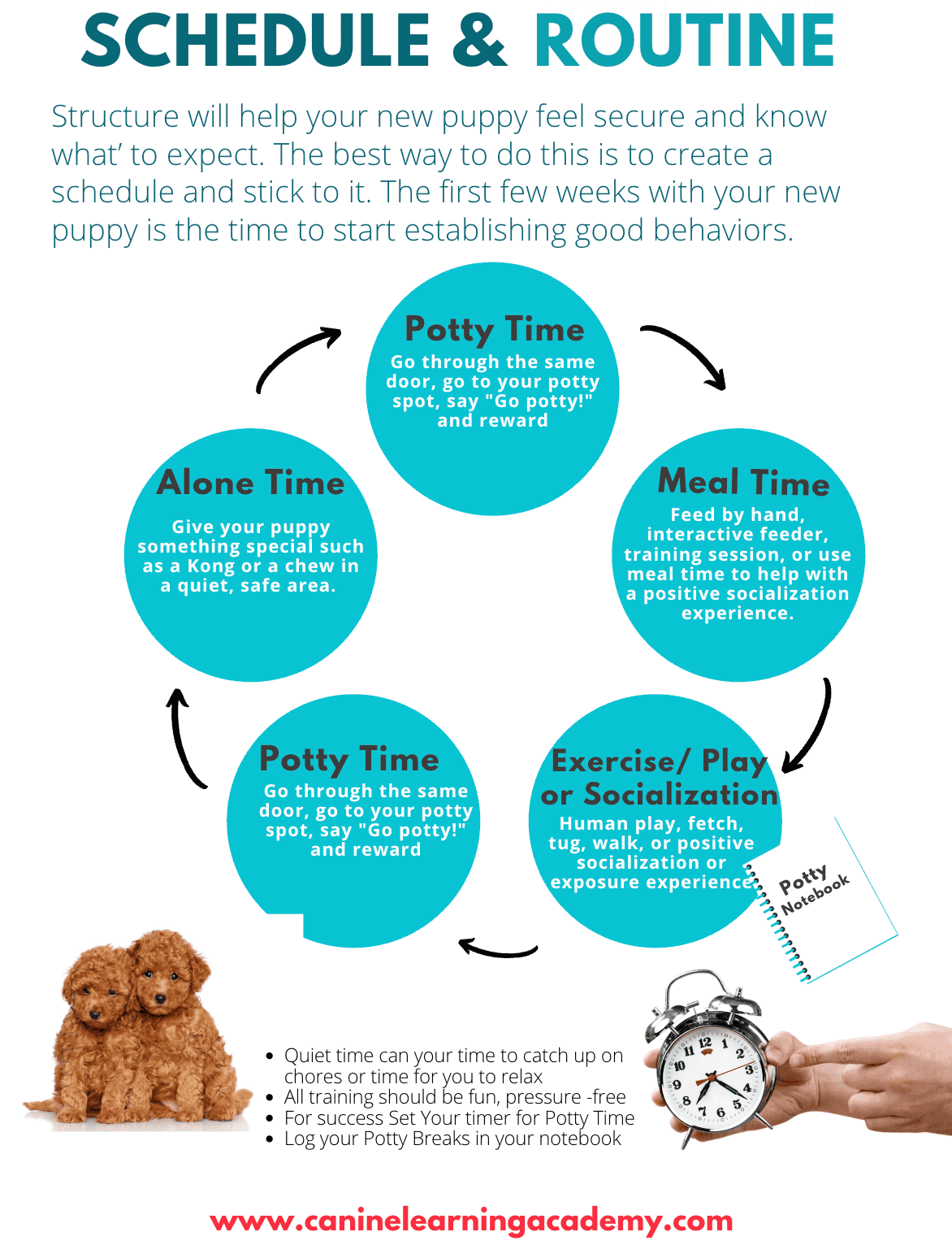
Establishing a routine helps puppies learn faster and feel safe. Consistency in daily activities builds trust and good habits. Puppies thrive when they know what to expect each day.
Feeding Schedule
Feed your puppy at the same times every day. This helps their body get used to eating and digesting food. A regular feeding schedule also makes potty training easier. When your puppy eats on time, their bathroom needs become more predictable.
Regular Potty Breaks
Take your puppy outside often, especially after meals and naps. Frequent potty breaks reduce accidents inside the house. Watch for signs like sniffing or circling to know when your puppy needs to go. Praise them immediately after they go outside to encourage good behavior.
Recognizing Signs
Recognizing signs that your puppy needs to go outside is key to successful house training. Puppies often show clear signals before they need to potty. Watching for these signs helps prevent accidents in the house. Early recognition makes training faster and less stressful.
Common Puppy Behaviors
Puppies sniff the floor a lot before they pee or poop. They might circle or pace near the door. Whining or scratching at the door can mean they want to go out. Some puppies suddenly stop playing and look restless. These behaviors show they need a bathroom break.
Timing For Potty Needs
Puppies usually need to potty after eating or drinking. They often need to go after waking up from naps. Most puppies need to go every one to two hours. Keeping a schedule helps catch potty times before accidents. Watch your puppy closely during these key times.

Credit: petcareadvisorusa.com
Positive Reinforcement
Positive reinforcement is a key method for house training puppies. It means giving rewards to your puppy when they do the right thing. This helps them learn faster and enjoy training. Positive reinforcement builds trust and good behavior without fear or punishment.
Using Treats Effectively
Treats are powerful tools for training. Choose small, tasty treats your puppy loves. Give treats immediately after your puppy goes potty outside. This helps them connect the action with the reward. Avoid giving too many treats to keep your puppy healthy. Use treats only for training moments to keep them special.
Praise And Rewards
Words and petting are great rewards too. Use a happy voice to say “Good job!” right after your puppy finishes outside. Gentle petting or a quick play session also encourages good behavior. Praise helps your puppy feel safe and loved. Combine praise with treats for stronger results.
Handling Accidents
Accidents happen during puppy house training. It is normal and part of learning. Handling these accidents with care helps your puppy learn faster. Stay calm and patient to keep training effective.
Cleaning Techniques
Clean accidents quickly to remove all smells. Use enzyme cleaners designed for pet messes. These cleaners break down urine and stop your puppy from returning to the spot. Avoid using ammonia or bleach; these can confuse your puppy. Always blot the area first. Then apply the cleaner and let it air dry.
Avoiding Punishment
Never punish your puppy for accidents. Punishment can cause fear and anxiety. It may make your puppy hide or stop trying. Instead, praise your puppy when it goes outside. Use gentle words and rewards. Focus on teaching, not scolding. This creates trust and encourages good behavior.

Credit: resources.sdhumane.org
Crate Training Benefits
Crate training offers many benefits for puppies and their owners. It creates a safe space for your puppy. It helps with house training by teaching bladder control. Puppies learn to hold their bathroom needs until you take them outside. Crates also prevent destructive chewing when you cannot watch your puppy closely.
Using a crate can reduce your puppy’s anxiety. It gives them a quiet place to relax and feel secure. This comfort helps puppies adjust to new environments and routines. Crate training also makes travel and vet visits less stressful.
Choosing The Right Crate
Select a crate that fits your puppy comfortably. It should be large enough for standing, turning, and lying down. Avoid crates that are too big; puppies may use one corner as a bathroom. Consider the crate’s material: plastic crates feel cozy, wire crates offer good ventilation.
Introducing The Crate
Introduce the crate slowly and positively. Place treats and toys inside to encourage your puppy. Leave the door open at first to let them explore. Sit near the crate and speak softly to create trust. Gradually increase the time your puppy spends inside with the door closed.
Patience And Persistence
House training a puppy takes time and effort. Patience and persistence are key to success. Puppies learn at their own pace. Expect some mistakes along the way. Stay calm and keep encouraging good behavior. Consistent routines help puppies understand what you want. Celebrate small wins to keep motivation high. Remember, patience builds trust between you and your pet.
Dealing With Setbacks
Setbacks are normal during house training. Puppies might have accidents indoors. Do not punish or yell. Clean the area thoroughly to remove odors. Return to the training routine immediately. Use positive reinforcement for correct behavior. Stay calm and avoid frustration. Each setback is a chance to teach again. Keep your goals clear and consistent.
Tracking Progress
Track your puppy’s progress daily. Note when and where accidents happen. Use a simple chart or notebook. Look for patterns to adjust the routine. Celebrate days with no accidents. Tracking helps you see improvement over time. It also helps spot problems early. Stay patient and persistent with the plan.
Frequently Asked Questions
How Long Does Puppy House Training Usually Take?
Puppy house training typically takes 4 to 6 months. Consistency and patience speed up the process. Early training and frequent potty breaks help puppies learn faster. Each puppy’s progress varies depending on breed and individual temperament.
What Is The Best Schedule For Puppy Potty Breaks?
Take puppies outside every 1 to 2 hours initially. Also, take them out after meals, naps, and playtime. A consistent schedule teaches puppies when and where to relieve themselves. Frequent breaks prevent accidents and reinforce good habits.
How Do I Handle Accidents During House Training?
Stay calm and avoid punishment after accidents. Clean the area thoroughly to remove odors. Use positive reinforcement when the puppy eliminates outside. Accidents are normal; patience and consistency improve training success.
What Are Effective Rewards For House Training Puppies?
Use treats, praise, and affection as rewards. Immediate positive feedback reinforces desired behavior. Small, tasty treats work best for motivation. Rewarding outdoor elimination encourages puppies to repeat the behavior.
Conclusion
House training your puppy takes patience and time. Consistency helps your puppy learn faster. Praise good behavior to encourage success. Set a schedule for bathroom breaks daily. Watch for signs your puppy needs outside. Clean accidents quickly to avoid repeats.
Remember, every puppy learns at their own pace. Stay calm and keep training positive. Soon, your puppy will understand the rules. Enjoy this special time with your new friend.


