

Bringing a new puppy home is exciting, but it can also feel overwhelming. You want to give your furry friend the best start, but where do you begin?
Imagine having simple, clear tips that make training, feeding, and caring for your puppy easier and more enjoyable. This guide is packed with the best advice to help you build a happy, healthy bond with your new companion. Keep reading—you’ll discover everything you need to know to feel confident and ready from day one.
Choosing The Right Puppy
Choosing the right puppy is an important step for new dog owners. Picking a puppy that fits your home and habits helps build a strong bond. It also makes caring for your new friend easier and more fun. Consider several key points before bringing a puppy home.
Breed Characteristics
Each dog breed has unique traits. Some breeds are active and need lots of exercise. Others are calm and enjoy quiet time. Learn about the breed’s size, energy level, and behavior. This knowledge helps match a puppy to your home and family.
Health Considerations
Some breeds face health problems more often. Research common health issues for your chosen breed. Ask breeders or shelters about the puppy’s health history. Early care and regular vet visits keep your puppy strong and happy.
Matching Lifestyle
Your daily routine affects which puppy fits best. Busy people may prefer low-energy dogs. Families with children might want playful, gentle breeds. Think about space at home and time for training. Choose a puppy that fits your lifestyle for a happy life together.
Preparing Your Home
Bringing a new puppy home is exciting and full of joy. Preparing your home helps your puppy feel safe and comfortable. It also keeps your home organized and free from hazards. Setting up the right space and supplies makes the first days easier for both of you.
Safe Puppy Space
Create a cozy area just for your puppy. Use a crate or a small pen to keep them safe. This space should be quiet and warm. Add a soft bed and some toys for comfort. Your puppy will learn this is their safe spot to relax.
Essential Supplies
Gather all important items before your puppy arrives. Food and water bowls are a must. Choose bowls that are easy to clean and the right size. Pick puppy food recommended by your vet. Also, get a collar, leash, and ID tag. Don’t forget grooming tools like a brush and nail clippers.
Puppy-proofing Tips
Remove anything that can harm your puppy. Hide electrical cords and small objects they might swallow. Keep cleaning supplies and medicines out of reach. Block off stairs and dangerous rooms. Check plants, as some can be toxic to dogs. Puppy-proofing prevents accidents and keeps your puppy safe.
First Days At Home
Bringing a new puppy home is exciting and full of surprises. The first days shape your puppy’s comfort and trust in you. It is important to create a calm, safe space. This helps your puppy feel secure and loved.
These first moments build the bond you will share for years. Take time to understand your puppy’s needs. Small steps lead to big progress.
Settling In
Prepare a quiet spot with a soft bed. Place familiar toys and a water bowl nearby. Let your puppy explore slowly without rushing. Keep the area clean and cozy.
Use a gentle voice and calm movements. Puppies feel safe when adults stay calm. Avoid loud noises and sudden actions. Give your puppy time to adjust to new smells and sounds.
Introducing Family Members
Introduce family members one at a time. Each person should greet the puppy calmly. Let the puppy approach on its own. Avoid forcing contact or hugs.
Teach children to be gentle and quiet. Explain how to respect the puppy’s space. Family love helps the puppy feel at home fast.
Managing Stress
Watch for signs of stress like whining or hiding. Offer comfort without overwhelming your puppy. Keep routines simple and consistent.
Offer short playtimes and quiet breaks. Avoid too many visitors or loud activities. Patience and kindness reduce fear and build trust.
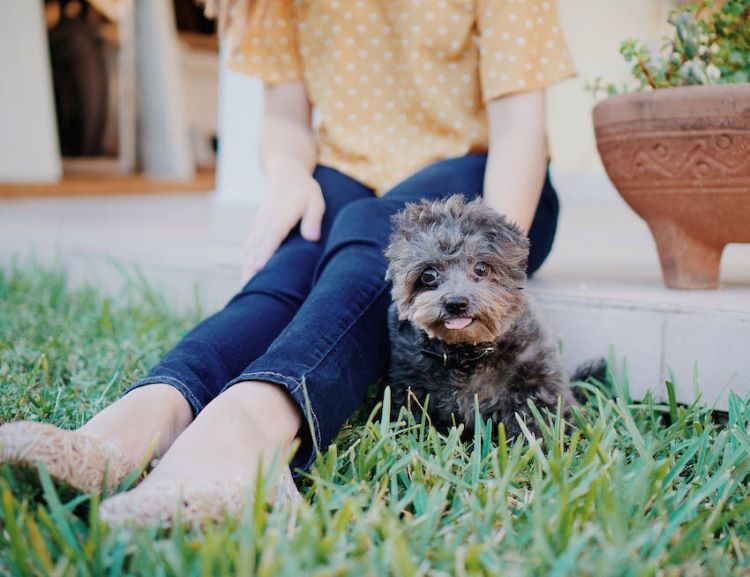
Credit: www.trupanion.com
Feeding And Nutrition
Feeding and nutrition are very important for a new puppy’s health. Good food helps puppies grow strong and stay healthy. It also gives them energy to play and learn. Choosing the right food and feeding it properly can make a big difference in your puppy’s life. Understanding what your puppy needs helps you give the best care possible.
Choosing Puppy Food
Pick food made just for puppies. Puppy food has more nutrients than adult dog food. Look for brands with real meat as the first ingredient. Avoid foods with too many fillers like corn or soy. Check labels for vitamins and minerals that help growth. Dry kibble or wet food both work well. Talk to a vet for advice on the best brand.
Feeding Schedule
Feed your puppy at the same times every day. Young puppies need three to four meals daily. Older puppies can have two meals per day. Use the recommended amount on the food package. Watch your puppy’s weight and adjust food if needed. Consistent feeding times help with training and digestion. Never leave food out all day to avoid overeating.
Avoiding Harmful Foods
Some human foods can hurt puppies. Avoid chocolate, grapes, onions, and garlic. These foods can cause sickness or worse. Also skip bones, alcohol, caffeine, and salty snacks. Keep harmful foods out of reach at all times. If your puppy eats something bad, call a vet quickly. Safe treats include small pieces of carrot or apple.
Training Basics
Training a new puppy sets the foundation for a happy life together. It helps your puppy learn good behavior and understand your expectations. Start with simple lessons that build trust and communication. Be patient and consistent. Training is a daily task that shapes your puppy’s habits and manners.
Focus on clear instructions and gentle guidance. Puppies respond best to short sessions that keep their attention. Praise and rewards make learning fun and effective. Building these basics now saves time and frustration later.
Housebreaking Tips
Choose a regular spot outside for your puppy’s bathroom breaks. Take your puppy there often, especially after eating or sleeping. Watch for signs like sniffing or circling. Praise your puppy immediately after they go outside. Clean accidents inside with a strong cleaner to remove smells. This prevents repeat accidents in the same spot. Be patient; accidents happen as your puppy learns.
Basic Commands
Start with simple commands like “sit,” “stay,” and “come.” Use clear, short words and a calm voice. Show your puppy what to do with gentle hand signals. Reward your puppy with treats or praise when they obey. Repeat commands daily in short sessions. Keep training fun and positive to hold their interest.
Positive Reinforcement
Reward good behavior immediately to encourage your puppy. Use treats, toys, or affection as rewards. Avoid punishment or harsh corrections; they can cause fear. Celebrate small successes to build confidence. Consistent rewards help your puppy learn what you want. Positive reinforcement creates a strong bond and happy training experience.
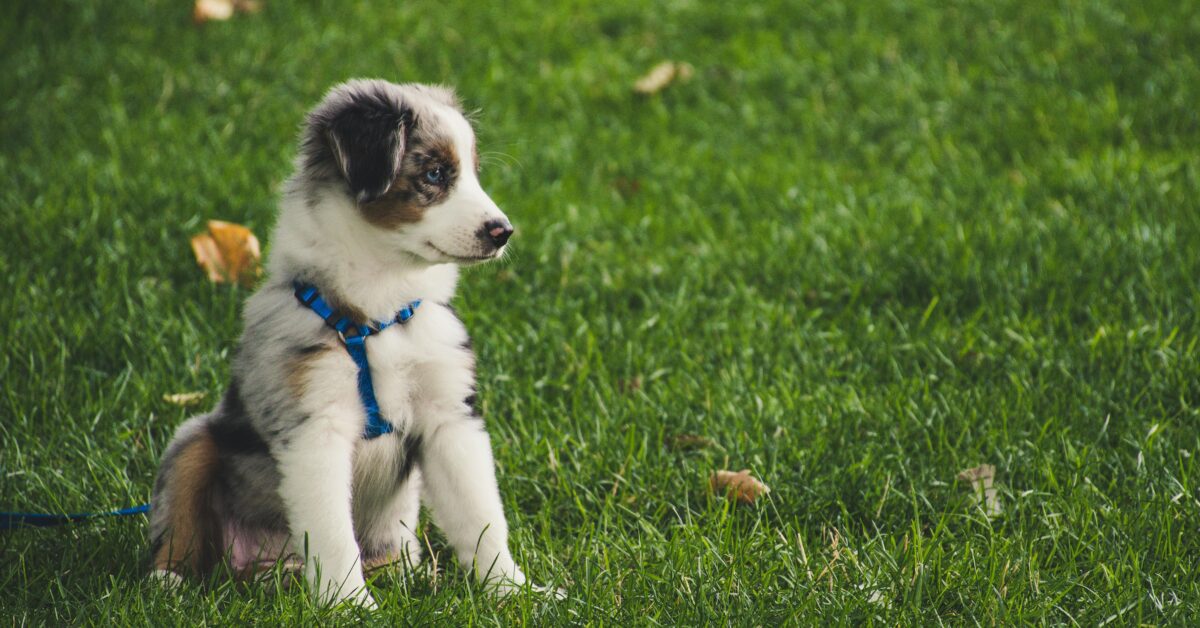
Credit: sitmeanssit.com
Socialization Techniques
Socialization is a key step for every new puppy owner. It helps puppies learn how to behave around people and other animals. Proper socialization builds confidence and reduces fear in new situations. Starting early makes a big difference in a puppy’s future behavior.
Meeting Other Pets
Introduce your puppy to other pets slowly and calmly. Choose calm animals for first meetings. Keep the encounters short and positive. Use treats and praise to reward good behavior. Watch your puppy’s body language closely. Stop if either pet feels stressed or scared. Regular meetings help puppies learn how to play and share space.
Exposure To New Environments
Take your puppy to different places often. Parks, quiet streets, and pet-friendly shops work well. Let your puppy explore safely on a leash. New sights and sounds teach your puppy to stay calm. Keep experiences short at first. Gradually increase time spent in new places. This helps puppies adapt to change easily.
Handling Stranger Interactions
Allow your puppy to meet new people gently. Ask strangers to offer treats or pets softly. Teach your puppy to stay calm and polite. Avoid forcing contact if your puppy looks scared. Positive meetings help your puppy trust people. Safe social skills lead to happier interactions later.
Health And Vet Care
Taking care of a new puppy’s health is very important. Good health means a happy puppy and fewer problems for you. Early vet care helps catch issues before they grow. It also teaches you how to keep your puppy strong and safe. Start health care right away for best results.
Vaccination Schedule
Vaccinations protect puppies from serious diseases. Start shots at six to eight weeks old. Follow the vet’s schedule for booster shots. Common vaccines include distemper, parvovirus, and rabies. Keep a record of all vaccinations. This helps vets track your puppy’s health.
Regular Checkups
Take your puppy to the vet every few months. Vets check growth, weight, and overall health. They look for signs of illness or injury. Regular visits help spot problems early. Your vet can answer questions and give advice. This keeps your puppy healthy and happy.
Common Puppy Illnesses
Puppies can get colds, worms, and skin infections. Watch for coughing, diarrhea, or scratching. These signs mean a vet visit is needed. Early treatment stops illness from getting worse. Learn the symptoms to protect your puppy. Quick action keeps your puppy safe and healthy.
Exercise And Play
Exercise and play are important parts of a puppy’s growth. They help your puppy stay healthy and happy. Playtime also builds the bond between you and your new friend. Puppies have lots of energy to burn. Giving them the right activities keeps them calm and well-behaved at home.
Age-appropriate Activities
Puppies need exercises that match their age. Young puppies should have short play sessions. Too much running can hurt their growing bones. Gentle games like fetch with soft toys work well. Older puppies can enjoy longer walks and more active play. Watch your puppy’s energy and stop if they seem tired.
Mental Stimulation
Play is not only about physical activity. Puppies need to use their brains too. Puzzle toys and treat games keep their mind sharp. Training sessions are a fun way to teach new skills. Mental challenges help reduce bad behavior caused by boredom. Change toys often to keep your puppy interested.
Safe Toys
Choose toys made for puppies. Soft, chew-resistant toys prevent choking hazards. Avoid small parts that can be swallowed. Inspect toys regularly for damage. Toss away broken toys to keep your puppy safe. Safe play helps your puppy enjoy exercise without risk.
Grooming Essentials
Grooming is key for your puppy’s health and happiness. It helps keep their skin clean and coat shiny. Grooming also strengthens your bond with your new furry friend.
Regular care prevents problems like mats, bad smells, and nail pain. Start grooming early so your puppy feels calm and safe.
Bathing Tips
Use warm water and puppy-safe shampoo. Avoid getting water in their ears and eyes. Rinse well to remove all soap. Dry gently with a towel. Keep baths short and fun. Bathing too often can dry out skin.
Brushing And Coat Care
Brush your puppy’s coat daily. Use a brush made for their fur type. Brushing removes dirt and loose hair. It stops tangles and mats from forming. It also helps you check for ticks or skin problems.
Nail Trimming
Trim nails carefully every few weeks. Use special dog nail clippers. Avoid cutting too close to the quick. The quick is the pink part inside the nail. Cutting it hurts and causes bleeding. If unsure, ask a vet or groomer for help.
Building A Strong Bond
Building a strong bond with your new puppy is the first step to a happy life together. This bond helps your puppy feel safe and loved. It also makes training easier and more effective. Spend time and care to create trust and friendship.
Consistent Routine
Dogs thrive on routine. Set regular times for feeding, walks, and play. A steady schedule helps your puppy learn what to expect. It reduces anxiety and builds confidence. Consistency shows your puppy you are reliable and in control.
Quality Time
Spend quiet moments with your puppy every day. Play games that your puppy enjoys. Gentle petting calms your puppy and builds trust. Talking softly helps your puppy recognize your voice. These moments deepen your connection and make your puppy happy.
Understanding Puppy Behavior
Learn common puppy behaviors like chewing, barking, and nipping. These are normal ways puppies explore the world. Respond calmly and guide your puppy gently. Knowing what your puppy needs helps you meet those needs better. It strengthens your bond and helps your puppy grow.

Credit: www.companionanimalpsychology.com
Frequently Asked Questions
How Do I Prepare My Home For A New Puppy?
Clear small objects and toxic plants from reachable areas. Set up a cozy space with bedding and toys. Puppy-proof your home to ensure safety and comfort for your new pet.
What Is The Best Diet For A New Puppy?
Feed high-quality puppy food with balanced nutrients. Follow feeding guidelines based on your puppy’s age and weight. Fresh water should always be available for hydration.
How Often Should I Train My New Puppy?
Train your puppy in short sessions, about 5-10 minutes each. Consistency and positive reinforcement are key. Daily training helps build good habits and strengthens your bond.
When Should I Schedule My Puppy’s First Vet Visit?
Schedule the first vet visit within the first week of bringing your puppy home. Early checkups ensure vaccinations and health assessments. Regular vet visits keep your puppy healthy.
Conclusion
Caring for a new puppy takes patience and love. Start with simple training and gentle guidance. Keep routines consistent for better behavior. Give your puppy plenty of play and rest time. Watch for signs of health issues early. Building trust helps your puppy feel safe.
Enjoy every moment with your new friend. Small steps lead to a happy, well-behaved dog. Your efforts will create a strong bond. Puppies grow fast—make memories that last.


