Bringing a new puppy home is exciting, but it can also feel overwhelming. One of the best ways to keep your puppy safe and happy is crate training.
If done right, crate training helps your puppy learn good habits and makes your life easier. But how do you start? What mistakes should you avoid? You’ll find simple, practical tips that make crate training smooth and stress-free—for both you and your puppy.
Keep reading to discover how to turn the crate into your puppy’s favorite spot.
Credit: caninelearningacademy.com
Choosing The Right Crate
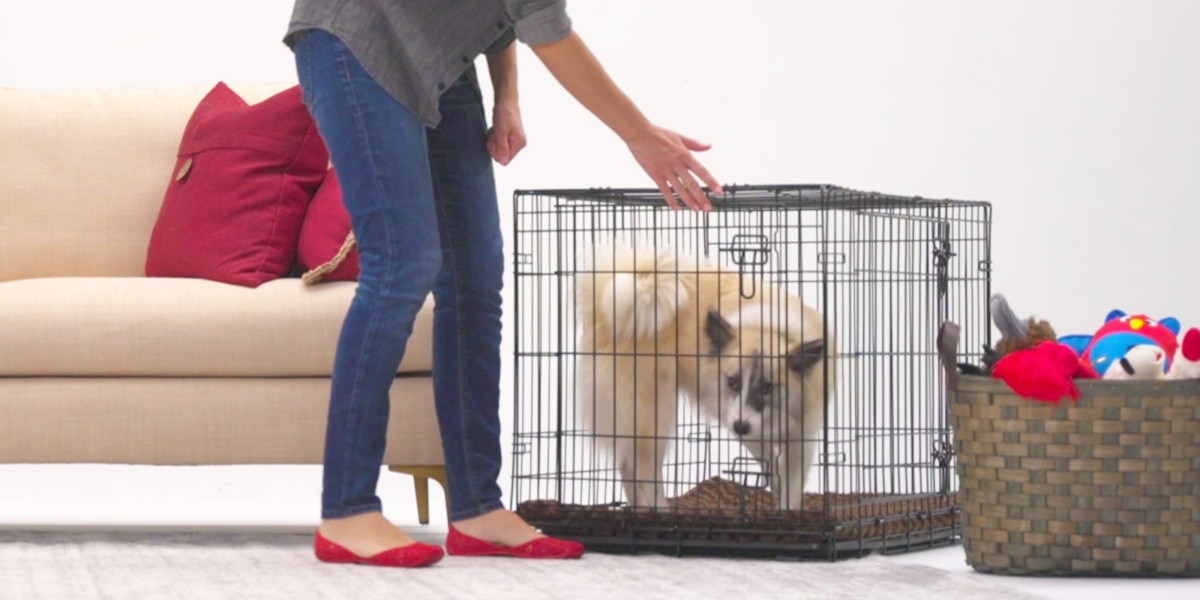
Choosing the right crate is the first step in successful crate training. The crate should feel safe and comfortable for your puppy. Picking the right size and type helps your puppy enjoy their space. Proper placement in the home creates a calm environment. These factors make crate training easier and more effective.
Size And Comfort
Choose a crate that fits your puppy well. It should be big enough to stand, turn, and lie down. A crate too large may cause accidents inside. Add a soft bed or blanket for comfort. Your puppy will see the crate as a cozy den. Comfort helps your puppy relax and sleep better.
Types Of Crates
Wire crates offer good ventilation and visibility. They fold easily for storage or travel. Plastic crates provide a den-like feeling. They block light and noise well. Soft-sided crates are lightweight and portable. They suit calm puppies for short times. Choose a crate type that matches your puppy’s needs and your lifestyle.
Placement In The Home
Place the crate in a quiet, low-traffic area. Avoid noisy rooms or direct sunlight. Near family activity is good but not too busy. This helps your puppy feel part of the home. Keep the crate away from drafts or heaters. Proper placement makes the crate inviting and safe.
Credit: www.purina.com
Introducing The Crate
Introducing a crate to your puppy sets the foundation for safe and happy training. It helps your puppy feel secure and creates a personal space. This step requires patience and care to make the crate a positive place. Follow simple tips to ease your puppy into crate training.
Making It Inviting
Place the crate in a quiet, comfortable spot. Add a soft blanket or bed inside. Use toys or chew items to attract your puppy. Keep the crate open at first, so the puppy can explore freely. Make sure the crate size fits your puppy well.
Positive Associations
Offer treats and praise near and inside the crate. Feed your puppy meals inside the crate to build good feelings. Avoid forcing your puppy inside. Let your puppy enter the crate on its own. Create happy moments linked to the crate.
Gradual Exposure
Start with short stays in the crate while you are nearby. Gradually increase the time your puppy spends inside. Close the door briefly at first, then longer periods. Stay calm and patient during this process. This slow approach helps your puppy adjust comfortably.
Establishing A Routine
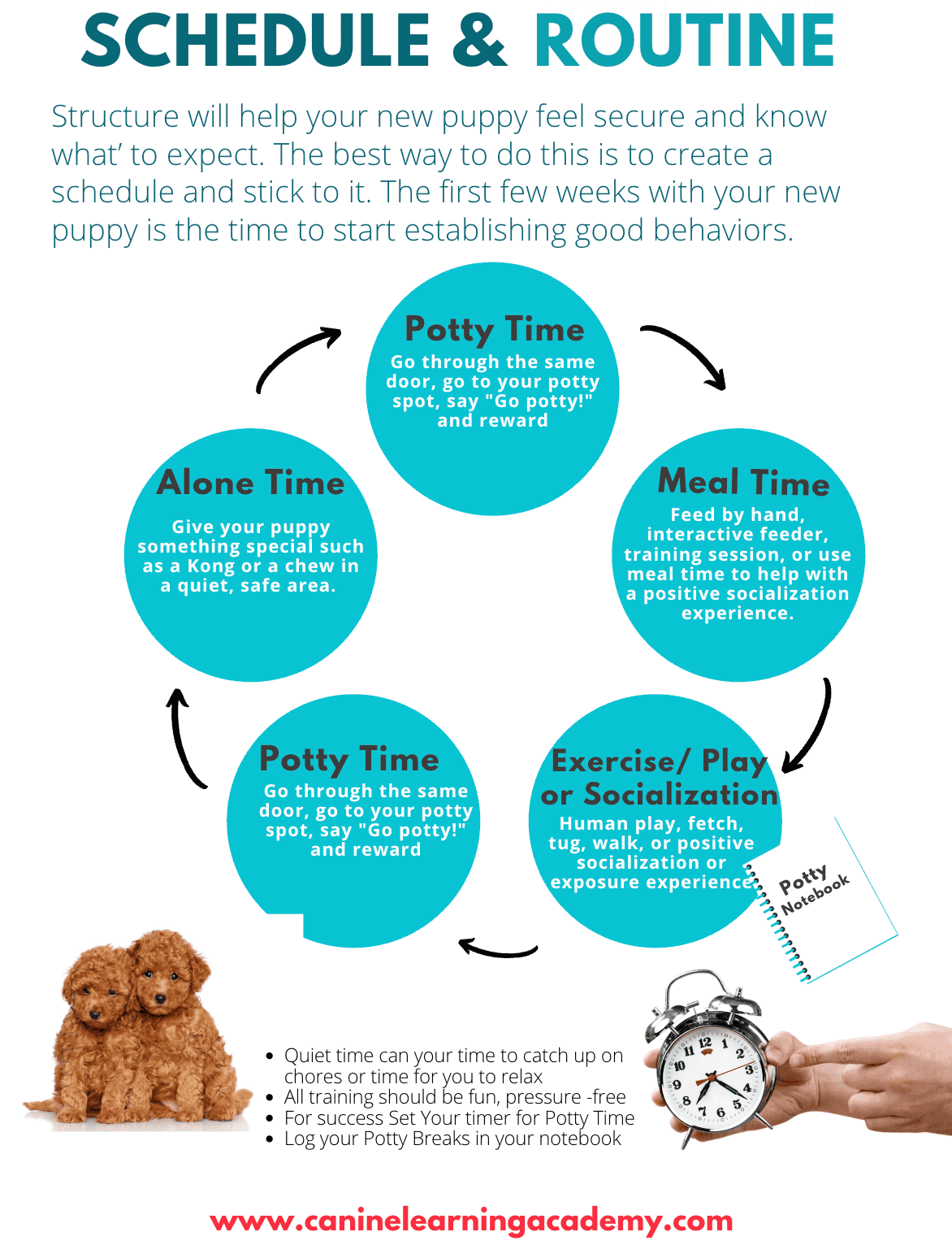
Establishing a routine is key to successful crate training for your puppy. Dogs thrive on consistency. A set schedule helps them feel safe and understand what to expect. This reduces anxiety and builds good habits fast.
Consistency in daily activities makes crate training smoother. Puppies learn faster when they know when to eat, rest, and go outside. Creating clear patterns supports their natural instincts and helps avoid accidents.
Feeding Schedule
Feed your puppy at the same times every day. This sets a clear rhythm and helps regulate their digestion. Avoid free-feeding, which can confuse your puppy and disrupt potty training. Use feeding times to encourage crate use after meals. Puppies often want to rest after eating. This is a perfect moment to place them in the crate for quiet time.
Crate Time Patterns
Introduce crate time gradually and keep it consistent. Start with short periods and increase slowly. Use the crate during regular parts of the day, such as nap times and bedtime. This helps your puppy get used to the crate as a safe space. Keep the crate in a quiet, comfortable area. A routine crate schedule prevents stress and builds a positive association.
Potty Breaks
Puppies need frequent potty breaks, especially after eating or waking. Take your puppy outside at set times throughout the day. This teaches them when and where to go. Consistent potty breaks reduce accidents inside. Praise your puppy immediately after they go outside. This reinforces the habit and helps them learn faster.
Encouraging Crate Use
Encouraging your puppy to use the crate helps make training easier and stress-free. It builds a safe space where your puppy feels calm and secure. Gentle encouragement lets your puppy explore the crate happily. This section shows simple ways to make the crate a favorite spot for your puppy.
Using Treats And Toys
Place tasty treats inside the crate to attract your puppy. Use favorite toys to make the crate fun and inviting. Give treats only when your puppy goes into the crate. This teaches your puppy that good things happen there. Change treats often to keep your puppy interested. Let your puppy play with toys inside the crate. This creates a positive link between the crate and playtime.
Calm And Consistent Commands
Use short, clear commands like “crate” or “bed” every time. Speak in a soft, calm voice to avoid stress. Repeat the command each time your puppy enters the crate. Consistency helps your puppy understand what you want. Patience is key; puppies learn at their own speed. Stay calm even if your puppy hesitates or resists.
Avoiding Negative Experiences
Never use the crate as punishment. This makes your puppy afraid of the crate. Avoid forcing your puppy inside; let them enter on their own. Keep crate time short at first to prevent fear or boredom. Make sure the crate is comfortable with soft bedding. Watch your puppy’s body language to spot stress early. Positive experiences build trust and willingness to use the crate.
Handling Common Challenges
Crate training a puppy can bring many rewards but also some challenges. Puppies may feel uneasy or upset in their crate at first. Understanding common problems helps you stay calm and patient. This section covers key tips for handling typical issues during crate training.
Dealing With Whining
Whining is normal when puppies get used to their crate. Ignore whining if the puppy is safe and not hurt. Giving attention can make whining worse. Make the crate a happy place with toys and treats inside. Praise your puppy when it is quiet. Consistency helps puppies learn that whining does not open the crate door.
Preventing Separation Anxiety
Separation anxiety can make a puppy scared in the crate. Start by leaving the puppy alone for short times. Gradually increase alone time as the puppy feels safe. Use calm voices and gentle pats when leaving and returning. Avoid long goodbyes that stress the puppy. Give a favorite toy to keep the puppy busy. A quiet, cozy crate spot helps reduce anxiety.
Adjusting To Growth
Puppies grow fast and need bigger crates soon. Choose a crate with a divider to save money. Move the divider as your puppy grows. A crate that is too small feels cramped and uncomfortable. Too large a crate can encourage accidents. Change the crate size step by step to match your puppy’s size. Keep the crate clean and fresh for comfort.

Credit: www.hillspet.com
Benefits Of Crate Training
Crate training offers many benefits for both puppies and owners. It creates a safe, comfortable space for your puppy. This training method helps build good habits and makes life easier. Puppies learn boundaries and feel secure in their crate. Owners gain control over their pet’s environment. Here are some key benefits of crate training.
Safety And Security
A crate keeps your puppy safe when you cannot watch them. It stops chewing on harmful objects or getting into trouble. The crate becomes a quiet, cozy spot where your puppy feels calm. This helps reduce anxiety and stress. Puppies often see their crate as their own little den.
Housebreaking Aid
Crate training helps with housebreaking your puppy. Dogs naturally avoid soiling their sleeping area. Using a crate teaches them to hold their bladder and wait to go outside. This speeds up potty training and reduces accidents in the home. It sets clear rules for your puppy.
Travel Convenience
Crates make traveling with your puppy easier and safer. Your dog stays secure during car rides or trips. The crate creates a familiar place in new surroundings. This can lower your puppy’s stress in unfamiliar places. Crate training prepares your puppy for visits to the vet or boarding.
Frequently Asked Questions
How Long Should Crate Training Take For Puppies?
Crate training duration varies by puppy but usually takes 1 to 2 weeks. Consistency and patience speed up the process. Short, positive crate sessions build comfort and trust with your puppy effectively.
What Size Crate Is Best For A Puppy?
Choose a crate large enough for your puppy to stand, turn, and lie down comfortably. Avoid oversized crates, as they may encourage accidents. Adjustable crates grow with your puppy, providing long-term use.
How Often Should A Puppy Be Crated Daily?
Puppies need frequent breaks; avoid crating more than 2-3 hours at a time. Crate sessions should balance training, play, and potty breaks for healthy development and comfort.
Can Crate Training Help With Potty Training Puppies?
Yes, crate training supports potty training by teaching puppies bladder control. Puppies naturally avoid soiling their sleeping area, encouraging scheduled potty breaks and reducing accidents.
Conclusion
Crate training helps your puppy feel safe and comfortable. Keep training sessions short and positive. Use treats and praise to encourage good behavior. Be patient and consistent every day. Avoid forcing your puppy into the crate. Soon, your puppy will see the crate as a cozy space.
This makes house training easier and reduces stress. Enjoy the process and watch your puppy grow happy and confident.