

Facing the heartbreaking decision of euthanasia for your dog because of behavioral issues is one of the toughest challenges you can encounter. You want what’s best for your furry friend, but when their behavior becomes dangerous or uncontrollable, it can feel overwhelming and confusing.
This article will guide you through understanding behavioral euthanasia in dogs, helping you make informed choices with compassion and clarity. Keep reading to learn how to approach this difficult topic with care and confidence, ensuring your dog’s well-being remains your top priority.
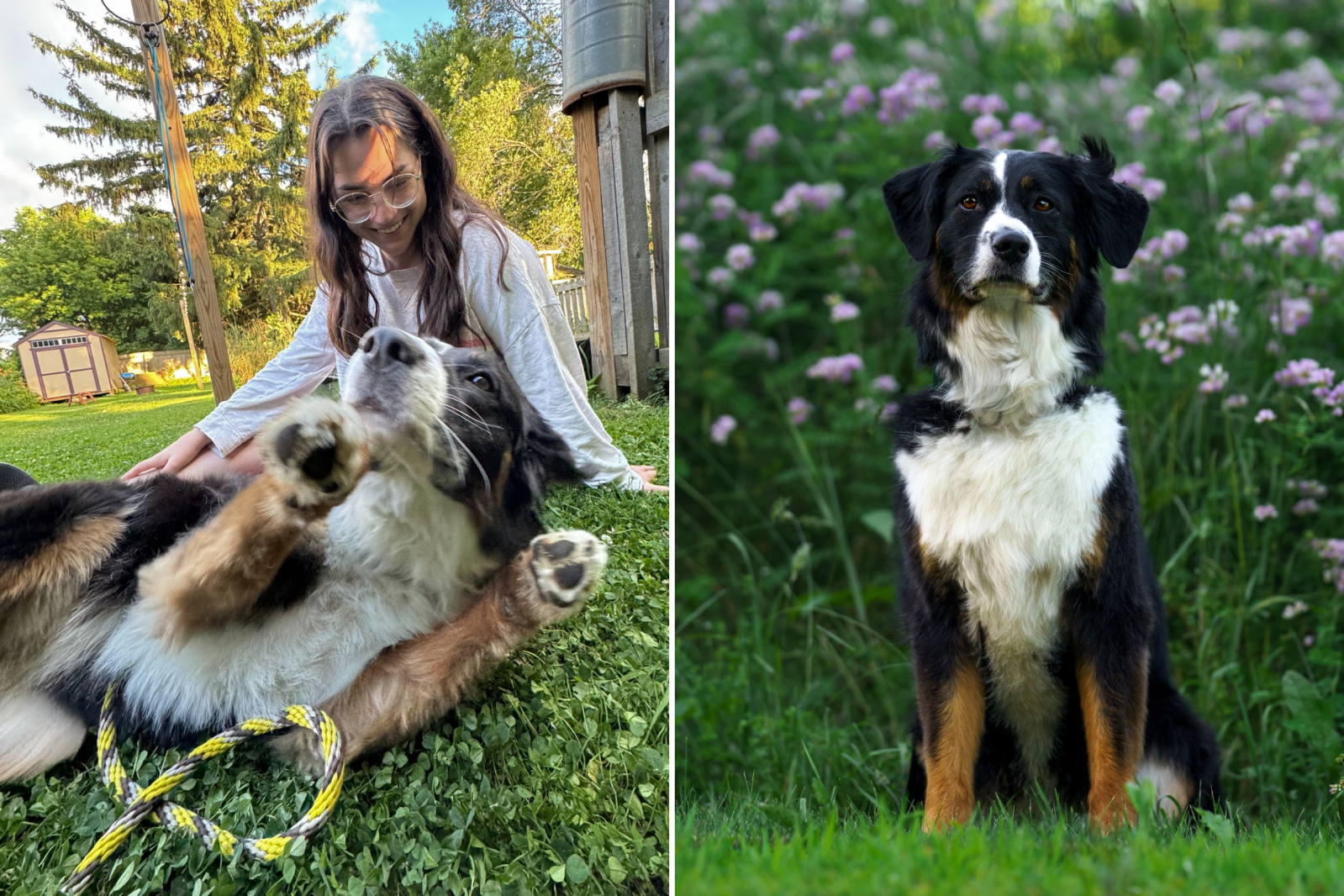
Credit: www.newsweek.com
Signs Of Severe Behavioral Issues
Severe behavioral issues in dogs can affect their well-being and family life. Recognizing these signs early helps in making tough decisions. Some behaviors may signal the need for behavioral euthanasia to prevent harm.
Aggression Towards People
Aggression is a major sign of severe behavioral problems. Dogs may bite, growl, or snap without warning. This behavior poses a serious risk to family members and visitors. Aggressive dogs often show no signs of calming down.
Uncontrollable Anxiety
Anxiety can become severe and constant. Dogs may tremble, bark nonstop, or refuse to eat. This stress affects their health and mood. Anxiety may lead to other dangerous behaviors.
Destructive Behavior
Destruction goes beyond normal chewing or digging. Dogs may ruin furniture, walls, or personal items. This behavior can indicate deep frustration or fear. It often worsens despite training efforts.
Impact On Family Safety
Severe behavioral problems threaten family safety. Children and elderly members face the highest risks. Constant fear and stress affect everyone in the home. Sometimes, euthanasia is needed to protect loved ones.
Evaluating Quality Of Life
Evaluating a dog’s quality of life is a key step in deciding about behavioral euthanasia. It involves looking closely at both the dog’s physical health and mental state. This helps to understand if the dog is truly suffering or still enjoying life. Careful observation gives insight into the dog’s daily experience and helps make the best choice for their well-being.
Physical Health Vs. Mental State
Physical health is often easier to see. Signs like pain, injury, or illness are clear indicators. Yet, mental state matters just as much. Anxiety, fear, or confusion can cause deep suffering. Sometimes, a dog looks healthy but struggles inside. Both aspects must be weighed equally to judge true quality of life.
Signs Of Distress In Dogs
Dogs show distress in many ways. Restlessness, excessive barking, or hiding are common signs. Loss of appetite and changes in sleep patterns also matter. Watch for aggression or withdrawal from family members. These signs reveal mental or emotional pain that may not be obvious.
When Behavior Causes Suffering
Problem behaviors can cause real suffering. Constant anxiety or fear may prevent a dog from enjoying life. Self-harm or destructive actions show extreme distress. When behavior leads to pain or fear every day, quality of life drops. At this point, behavioral euthanasia may be the kindest choice.
Options Before Euthanasia
Facing behavioral issues in dogs can be very hard for owners. Sometimes, euthanasia seems like the only option. Before making this decision, several alternatives may help improve your dog’s life. These options focus on changing behavior and managing symptoms.
Behavioral Therapy And Training
Behavioral therapy helps dogs learn new habits. Trainers use positive methods to reduce bad behaviors. This therapy often includes reward-based training. It builds trust between dog and owner. Regular sessions can improve obedience and calmness. Consistency at home boosts these results.
Medication For Anxiety And Aggression
Some dogs need medicine to control anxiety or aggression. Vets can prescribe safe drugs for these issues. Medication helps balance brain chemicals and reduce stress. It should be combined with training for best effect. Monitor your dog closely while using medication.
Environmental Adjustments
Changing your dog’s environment can lower stress and triggers. Remove loud noises and chaotic areas from their space. Provide a safe, quiet place for relaxation. Adding toys and regular exercise helps release energy. These small changes support better behavior daily.

Credit: www.amazon.com
Making The Decision
Deciding on behavioral euthanasia for a dog is very hard. It involves deep thought about the pet’s quality of life and safety. Owners face tough questions about what is best for their dog and family. This decision needs careful attention and support.
Consulting Veterinarians And Specialists
Veterinarians give important advice about your dog’s behavior and health. Specialists in animal behavior can offer deeper insights. They help explain options and what euthanasia means for your dog. Their guidance helps owners make a clear, informed choice.
Considering Safety For All
Behavioral problems can put the dog and others at risk. Safety of family members, other pets, and visitors is key. Sometimes, risks cannot be managed well enough. Thinking about safety helps decide if euthanasia is the kindest option.
Emotional Challenges For Owners
Owners often feel sadness, guilt, and confusion during this time. The bond with a pet makes decisions very emotional. It is normal to struggle with feelings and doubts. Finding support from friends and counselors can ease the burden.
The Euthanasia Process
The euthanasia process for dogs is a sensitive and emotional time for pet owners. Understanding what happens can help ease some of the stress. This process is designed to be as peaceful and gentle as possible. It provides a way to end suffering when a dog’s quality of life is very poor.
Knowing what to expect during euthanasia can prepare you for the experience. It also helps you support your dog through their final moments. Careful planning and compassion are key parts of this process.
What To Expect During The Procedure
The vet will explain the steps clearly before starting. Your dog will usually get a sedative to help them relax. This makes the process calm and stress-free. Once your dog is calm, the vet will give the euthanasia injection. This injection stops the heart quickly and painlessly. The whole process only takes a few minutes.
Ensuring A Peaceful Passing
Comfort is very important during euthanasia. Many vets allow you to stay with your dog. You can hold or pet them to provide comfort. Soft words and gentle touches help your dog feel safe. The environment is kept quiet and calm. This reduces fear and helps your dog pass peacefully.
Aftercare And Grieving
After euthanasia, you will need to decide on aftercare. Options include burial or cremation. Many services offer pet cremation with ashes returned to you. Grieving is a natural part of losing a pet. Take time to remember your dog and heal at your own pace. Support from friends, family, or pet loss groups can help.

Credit: pawsatpeace.com
Supporting Owners Through The Process
Supporting owners through the process of behavioral euthanasia for dogs is deeply important. This difficult choice brings many emotions. Owners need care and understanding as they face guilt, grief, and tough decisions. Compassion and clear guidance help ease the burden during this time. It is essential to provide support that respects both the owner’s feelings and their dog’s dignity.
Coping With Guilt And Loss
Guilt often follows the decision to euthanize a dog for behavioral reasons. Owners may doubt if they made the right choice. It helps to remember the dog’s quality of life. Understanding that euthanasia can end suffering brings some peace. Talking openly about feelings reduces the weight of guilt. Grieving is natural. Allow time to mourn without rushing.
Seeking Support Networks
Connecting with others who understand the pain is healing. Support groups offer a safe space to share stories and emotions. Veterinarians and counselors provide professional advice and comfort. Friends and family who listen without judgment make a big difference. Online forums can connect owners worldwide. No one should feel alone in this journey.
Honoring Your Dog’s Memory
Creating lasting memories helps keep the dog’s spirit alive. Many owners find comfort in photo albums or keepsakes. Planting a tree or making a donation in the dog’s name honors their life. Sharing happy moments with loved ones celebrates the bond. Rituals or memorials bring closure. Cherishing memories supports healing and love beyond loss.
Frequently Asked Questions
What Is Behavioral Euthanasia In Dogs?
Behavioral euthanasia refers to ending a dog’s life due to severe behavior issues. It is considered when aggression or fear poses serious risks. This decision aims to prevent harm to people or other animals when rehabilitation fails.
When Is Behavioral Euthanasia Recommended For Dogs?
It is recommended when a dog’s behavior is dangerous and unmanageable. If aggression threatens safety despite training and treatment, euthanasia may be necessary. The choice is made to protect others and ensure humane care.
Can Behavioral Problems In Dogs Be Treated Instead?
Many behavioral issues can be treated with training and medication. Early intervention improves success rates. However, some cases are too severe or unresponsive, making euthanasia the last resort.
How Do Vets Assess If Behavioral Euthanasia Is Needed?
Veterinarians evaluate the dog’s behavior, history, and treatment attempts. They consider risks to safety and quality of life. The decision involves owners, trainers, and sometimes behaviorists for a compassionate outcome.
Conclusion
Deciding on behavioral euthanasia for dogs is never easy. It involves deep care and tough choices. Every dog deserves kindness and respect until the end. Understanding behavior issues helps owners make informed decisions. Always seek advice from trusted vets and trainers.
Remember, love and compassion guide these moments. Your dog’s comfort and peace matter most. Keep learning about ways to support your pet. This helps prevent suffering and improves their life quality. Caring for a dog means patience and understanding every day.


