Bringing a German Shepherd puppy into your home is exciting, but training can feel overwhelming. You want your GSD to grow into a well-behaved, confident dog, and the right tips can make all the difference.
Imagine having simple, effective strategies that help you communicate clearly with your puppy and build a strong bond from day one. You’ll discover easy-to-follow GSD puppy training tips that save you time and frustration. Keep reading, and watch your puppy transform into the loyal companion you’ve always wanted.

Credit: www.reddit.com
Preparing For Your Gsd Puppy
Preparing for a German Shepherd Dog (GSD) puppy takes careful planning. This breed is smart, active, and loyal. Starting off right helps your puppy grow healthy and happy. You must get supplies, create a safe space, and set a daily routine. These steps make training easier and build strong bonds.
Choosing The Right Supplies
Choose strong and safe toys that last long. Pick a collar and leash that fit well. Get a comfy bed for your puppy to rest. Buy food made for puppies, rich in nutrients. Have cleaning supplies ready for accidents. These items keep your puppy happy and healthy.
Setting Up A Safe Space
Create a quiet area just for your puppy. Use baby gates to block unsafe rooms. Remove sharp or small objects that puppies can swallow. Place the bed, toys, and water bowl inside this space. A safe spot helps your puppy feel calm and secure.
Establishing A Routine
Puppies learn best with regular schedules. Feed your GSD puppy at the same times daily. Take your puppy outside for potty breaks often. Play and train in short, fun sessions every day. A clear routine reduces stress and builds good habits quickly.

Credit: www.amazon.com
Basic Commands To Teach Early
Training your German Shepherd puppy early helps build good habits. Basic commands create a strong foundation for future learning. Teaching simple commands also keeps your puppy safe and well-behaved. Start with easy commands that your puppy can understand quickly.
Sit And Stay
“Sit” is one of the first commands to teach your puppy. It helps control your dog’s behavior in many situations. Use a treat to guide your puppy into a sitting position. Say “sit” clearly and reward your puppy immediately. Once your puppy sits on command, add “stay” to keep them still. Practice “stay” for short times and increase gradually.
Come When Called
Teaching your puppy to come when called is very important. It keeps your dog safe and close to you. Use a happy tone and say your puppy’s name followed by “come.” Reward your puppy with praise or a treat when they come to you. Practice this command often in a quiet place. Slowly add distractions as your puppy improves.
Leave It
“Leave it” helps prevent your puppy from picking up dangerous or unwanted items. Hold a treat in your hand and close your fist. Let your puppy try to get the treat but do not give it. Say “leave it” firmly and wait until your puppy stops trying. Reward your puppy with a different treat from the other hand. Repeat this exercise until your puppy understands.
House Training Techniques
Training a German Shepherd puppy to behave well at home starts with solid house training techniques. These methods help your puppy learn where to go potty and build good habits early. Consistency and patience are key to success.
House training sets the foundation for a well-behaved dog. It reduces stress for you and your puppy. Clear rules and routines make learning easier for your furry friend.
Crate Training Benefits
Crate training gives your puppy a safe, cozy space. Dogs naturally avoid soiling their sleeping area. This helps teach bladder control and prevents accidents.
Using a crate limits your puppy’s freedom when unsupervised. It keeps them safe and stops destructive behavior. Crate time should always be positive and never used as punishment.
Potty Training Schedule
Set a regular potty schedule to guide your puppy. Take them out first thing in the morning, after meals, and before bedtime. Frequent trips help your puppy learn faster.
Watch for signs like sniffing or circling. These show your puppy needs to go. Praise and reward them immediately after they potty outside.
Dealing With Accidents
Accidents happen. Stay calm and don’t punish your puppy. Clean the area thoroughly to remove smells that attract repeat accidents.
Use enzymatic cleaners designed for pet messes. This helps stop your puppy from using the same spot again. Patience and consistency work best for house training success.
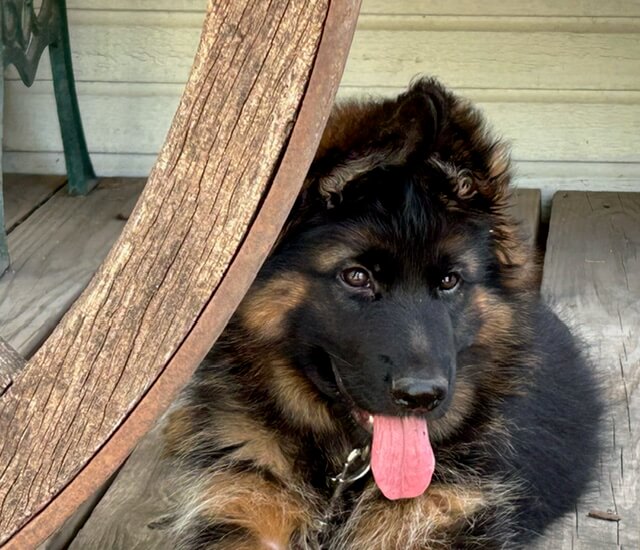
Credit: kaisergsd.com
Socialization Tips For Gsd Puppies
Socializing a German Shepherd puppy early helps build a confident and happy dog. It shapes how your puppy reacts to people, animals, and new places. Start socialization soon after bringing your puppy home. Positive experiences during this time reduce fear and aggression later. Here are key socialization tips for GSD puppies to help them grow calm and friendly.
Introducing To New People
Let your GSD puppy meet many different people. Include men, women, children, and elderly. Keep meetings short and calm. Allow the puppy to approach new people at its own pace. Praise your puppy for calm behavior around strangers. Avoid forcing contact. Gentle petting from visitors helps build trust. This practice teaches your puppy to enjoy human company.
Meeting Other Dogs
Arrange playdates with friendly, vaccinated dogs. Choose calm dogs that will not scare your puppy. Use a leash for safety during first meetings. Watch body language closely. Stop the interaction if either dog shows signs of stress. Reward your puppy for polite greetings and play. These sessions teach bite inhibition and social cues. Early dog friendships reduce future aggression and fear.
Exposure To Different Environments
Take your puppy to various places to explore. Parks, busy streets, pet stores, and quiet trails all offer new sights and sounds. Walk slowly, letting your puppy observe each place. Praise calm behavior and curiosity. Avoid noisy or crowded spots at first. Gradually increase exposure as your puppy gains confidence. Different environments build resilience and reduce anxiety.
Managing Common Behavioral Issues
Training a German Shepherd puppy comes with challenges. Common behavioral issues can frustrate owners. Managing these problems early helps build a happy, well-behaved dog. Focus on clear, consistent training methods. Patience and understanding go a long way. Here are tips to handle typical puppy behaviors.
Biting And Nipping Control
Puppies use their mouths to explore the world. Biting and nipping are natural but must be controlled. When your GSD puppy bites, say “No” firmly. Offer a chew toy instead. This teaches your puppy what is okay to bite. Avoid rough play that encourages biting. Praise your puppy when it plays gently. Consistency is key to reducing biting habits.
Preventing Excessive Barking
German Shepherds are vocal dogs by nature. Barking can signal excitement, fear, or boredom. Teach your puppy a “quiet” command. Reward silence with treats or praise. Avoid yelling, which may increase barking. Provide enough exercise to reduce excess energy. Mental stimulation keeps your puppy calm. Quiet time should be part of daily routine.
Handling Separation Anxiety
Separation anxiety causes distress when your puppy is alone. Start with short absences and increase time gradually. Leave a favorite toy or blanket for comfort. Avoid dramatic goodbyes that stress your puppy. Create a safe, cozy space where it feels secure. Regular exercise helps reduce anxiety. Calm departures and arrivals teach independence.
Positive Reinforcement Techniques
Positive reinforcement is a key method for training your GSD puppy. It helps your puppy learn good behavior by giving rewards. This method builds trust and makes training fun. Your puppy will want to repeat good actions to get rewards. Positive reinforcement creates a strong bond between you and your puppy. It also reduces fear and anxiety during training sessions.
Using Treats Effectively
Treats are a powerful tool in positive reinforcement. Choose small, tasty treats your puppy loves. Use treats immediately after your puppy does the right thing. This helps your puppy connect the reward with the behavior. Avoid giving too many treats to prevent overfeeding. Use treats only during training times to keep them special.
Incorporating Play As Reward
Play is a great reward for GSD puppies. Use toys or games your puppy enjoys as a reward. Play can be a quick way to praise good behavior. It keeps training sessions lively and interesting. Play also strengthens the bond with your puppy. Switch between treats and play to keep your puppy motivated.
Timing And Consistency
Timing is very important in positive reinforcement. Reward your puppy immediately after the correct action. Delays can confuse your puppy about what earns the reward. Be consistent with your commands and rewards every time. Consistency helps your puppy understand and remember rules. Keep training sessions short but regular for best results.
Exercise And Mental Stimulation
Exercise and mental stimulation are key for a happy GSD puppy. Both help your puppy grow strong and smart. Without enough activity, puppies can get bored and act out. Proper exercise keeps their body healthy. Mental tasks keep their mind sharp and focused.
Balancing physical and mental work helps your puppy learn good habits. It also builds a strong bond between you and your dog. Let’s explore ways to keep your GSD puppy active and mentally engaged.
Daily Physical Activities
GSD puppies have lots of energy. They need daily walks to burn off this energy. Short, frequent walks suit young puppies best. Play sessions in a safe yard help too. Running, fetching, and gentle tug-of-war are great choices. These activities build muscle and improve coordination. Avoid hard exercise that can strain growing joints.
Interactive Toys And Games
Interactive toys keep your puppy busy and thinking. Puzzle feeders challenge their problem-solving skills. Toys that move or make noise attract their attention. Hide treats inside toys to encourage exploration. Rotate toys often to keep interest high. These games reduce boredom and destructive behavior.
Training Challenges For Mental Growth
Training is a powerful mental workout. Teach basic commands like sit, stay, and come. Use short sessions to keep your puppy focused. Introduce new tricks as your puppy improves. Challenge your dog with obedience tasks in different places. This builds confidence and sharpens their mind.
Advanced Training Strategies
Advanced training strategies build on basic commands to improve your GSD puppy’s skills. These methods help your dog learn better control and focus. Consistency and patience are key. Training sessions should be short and fun. This keeps your puppy interested and eager to learn.
Leash Training Tips
Start leash training in a quiet area. Use a lightweight leash and collar. Let your puppy get used to wearing the leash first. Walk slowly and praise your puppy for staying close. Stop walking if your puppy pulls. Wait until the leash is loose again. Reward calm walking with treats or praise. Practice often to build good habits.
Teaching Heel And Wait
Heel means walking close to your side. Use treats to guide your puppy into position. Say “heel” and start walking slowly. Keep the leash short but loose. Reward your puppy for staying by your side. To teach “wait,” stop walking and say “wait.” Use a hand signal to show the command. Reward your puppy for waiting calmly. Practice in different places to improve focus.
Preparing For Obedience Trials
Obedience trials test your dog’s training skills. Practice all basic commands regularly. Introduce distractions during training to simulate trial conditions. Work on attention, recall, and response speed. Use positive rewards to encourage good behavior. Keep sessions short to avoid stress. Attend local training classes to gain experience. This helps both you and your puppy feel confident.
Frequently Asked Questions
How Early Should I Start Gsd Puppy Training?
Start training your GSD puppy as early as 8 weeks old. Early training builds good habits and prevents behavior issues. Consistency and positive reinforcement are key for success.
What Are The Best Training Methods For Gsd Puppies?
Use positive reinforcement methods like treats, praise, and play. Avoid harsh punishment to keep your puppy motivated. Consistent, short sessions work best for a GSD puppy’s attention span.
How Long Should Each Gsd Puppy Training Session Be?
Keep sessions short, around 5 to 10 minutes. This matches your puppy’s limited attention span. Multiple short sessions daily are more effective than one long session.
How Do I House Train My Gsd Puppy Effectively?
Establish a regular bathroom schedule and take your puppy outside frequently. Praise them immediately after they eliminate outdoors. Consistency and patience are essential for quick house training success.
Conclusion
Training a GSD puppy takes patience and care. Consistent routines help your puppy learn faster. Use clear commands and gentle rewards to guide behavior. Socialize your puppy with people and other dogs early. Short, frequent training sessions keep your puppy focused.
Remember, mistakes happen—stay calm and keep trying. Building trust with your puppy creates a strong bond. Enjoy the process and watch your puppy grow smart and happy. Training shapes a well-behaved dog for years to come. Keep practicing daily to see the best results.