

Training your dog to be off leash is one of the most rewarding experiences you can share. Imagine the freedom your dog will enjoy, running and exploring safely while still listening to you.
But how do you get there? It’s not about luck or just hoping for the best—it’s about following clear, simple steps that build trust and control. You’ll discover easy techniques that anyone can use to teach their dog to stay close, come when called, and stay safe without a leash.
Ready to unlock a new level of freedom and fun with your furry friend? Keep reading, because this guide will show you exactly how to make it happen.
Credit: beenbuu.com
Benefits Of Off-leash Training
Training a dog to be off leash brings many benefits for both owner and pet. It builds trust and improves communication. Off-leash training creates a stronger bond and makes walks more fun.
Dogs enjoy freedom and explore more safely. They get better exercise and mental stimulation. This training also helps dogs behave better in different places and situations.
Improved Communication
Off-leash training teaches your dog to listen carefully. Commands become clearer and easier to follow. This improves understanding between you and your dog.
Increased Safety
Dogs learn to stay close and avoid danger. They respond quickly to calls and warnings. This reduces risks during outdoor activities.
Better Physical Health
Running and playing off leash helps dogs stay fit. It supports strong muscles and healthy joints. Active dogs are less likely to gain excess weight.
Enhanced Mental Stimulation
Exploring without a leash challenges a dog’s mind. New smells and sights keep them curious. Mental exercise reduces boredom and unwanted behavior.
Stronger Bond
Off-leash training requires trust and patience. This builds a closer relationship with your dog. Both of you enjoy time spent together more.

Credit: www.youtube.com
Essential Commands To Teach First
Training your dog to be off leash requires a strong foundation. Start with essential commands that build trust and control. These commands help keep your dog safe and responsive in different places. Teaching these first makes off-leash training easier and more effective.
Sit And Stay
The “Sit” command is the base of good behavior. It teaches your dog to stop and wait calmly. “Stay” builds on this by making your dog hold the position. Practice both in short sessions. Reward your dog with treats and praise. This teaches patience and control, key for off-leash freedom.
Recall Command
The recall command calls your dog back to you. Use a simple word like “Come.” Start training in quiet, safe areas. Use treats or toys as rewards. Make coming back fun and positive. This command keeps your dog safe if they wander too far. Reliable recall is vital for off-leash play.
Leave It
“Leave it” tells your dog to ignore something. This can be food, animals, or objects on the ground. Train this with treats in your hand. Show the treat but do not let your dog have it. Say “Leave it” and wait for your dog to look away. Reward the good choice. This command prevents dangerous or unwanted behavior off leash.
Choosing The Right Location
Choosing the right location is key to training your dog off leash. The environment should be safe and controlled. It helps your dog focus on commands without distractions. Start in places where your dog feels comfortable. This builds confidence and trust. The right spot makes training easier and more effective.
Fenced Areas
Fenced areas offer a secure space for off-leash training. Your dog cannot run away or get lost. This keeps both of you safe during training sessions. Choose a fence high enough to prevent jumping over. Small enclosed yards or dog parks with fences work well. They allow your dog freedom while keeping control.
Low-distraction Spots
Pick places with few distractions to help your dog focus. Avoid busy parks or areas with many noises. Quiet fields or backyards are good choices. These spots reduce chances of your dog chasing animals or people. Low-distraction areas help build good habits before moving to busier places.
Using Positive Reinforcement
Using positive reinforcement is one of the best ways to train your dog off leash. It helps your dog learn good behavior without fear. Positive reinforcement means giving your dog something good when it does the right thing. This makes your dog want to repeat that behavior.
Training with kindness builds trust between you and your dog. It makes training fun and effective. Your dog will enjoy learning and will respond faster to commands.
Treats And Praise
Treats are a powerful reward for your dog. Use small, tasty treats your dog loves. Give a treat right after your dog follows a command. This helps your dog connect the action with the reward.
Praise your dog with a happy voice and petting. Dogs love attention from their owners. Praise encourages your dog to listen and obey. Combine treats and praise for best results.
Consistency
Consistency is key in off-leash training. Use the same commands every time you train. Make sure everyone in your family uses the same words and signals. This prevents confusion for your dog.
Practice training regularly, even for short times. Repetition helps your dog remember what to do. Always reward good behavior. Avoid punishing mistakes; instead, guide your dog gently.
Gradual Progression Steps
Training a dog to be off leash takes time and patience. Gradual progression helps your dog learn safely and confidently. It builds trust and control step by step. Each phase strengthens your dog’s focus and response to commands.
Short Leash To Long Line
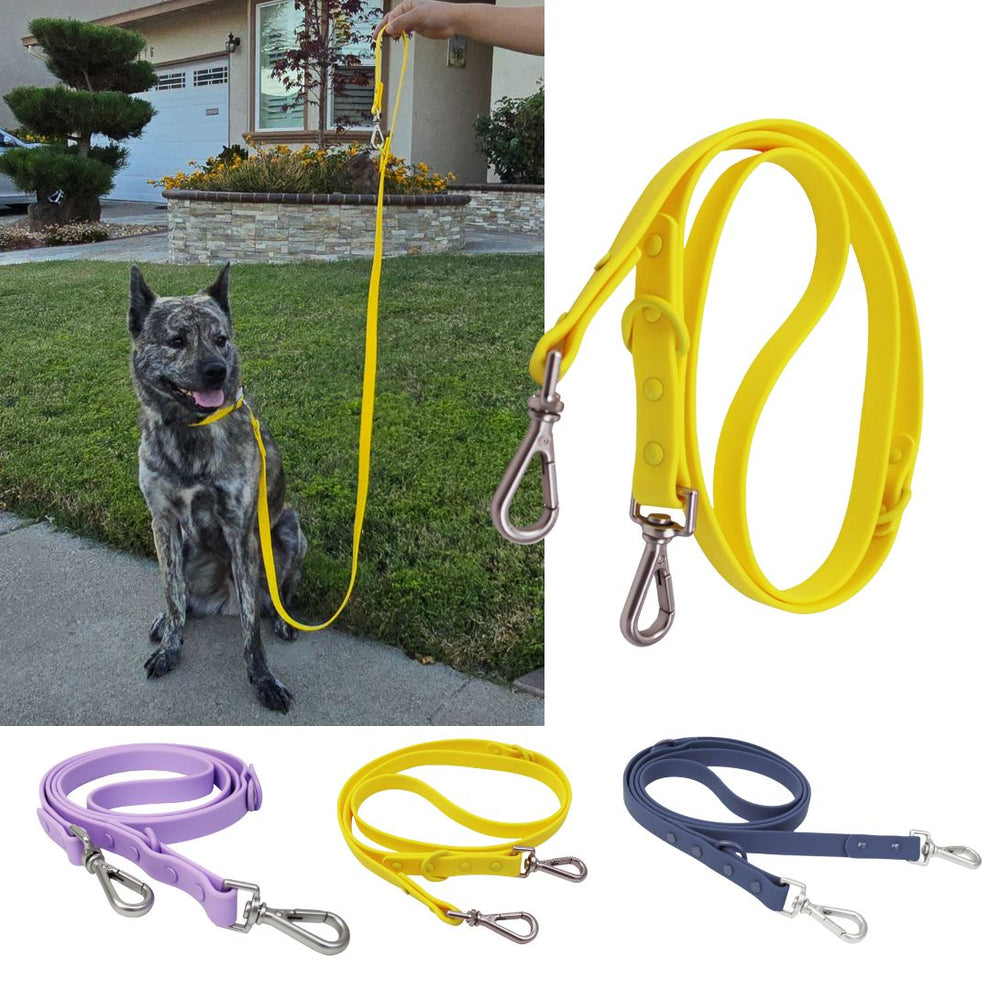
Start with a short leash during training sessions. Keep your dog close to maintain control. Practice basic commands like “come” and “stay.” Once your dog listens well, switch to a long line. This gives more freedom but keeps your dog safe. The long line acts like a safety net. It lets your dog explore while you still guide them.
Increasing Distance
Slowly increase the distance between you and your dog. Call your dog back often to reinforce the “come” command. Praise and reward your dog for returning quickly. Add distractions gradually, like other dogs or noises. This tests your dog’s focus and obedience. Keep sessions short and positive. Never rush the process. Your dog learns best with steady practice and clear signals.
Handling Challenges
Training your dog to stay off leash is rewarding but can be tough. Challenges arise that test your dog’s focus and confidence. Handling these challenges well helps your dog listen better and stay safe. Staying calm and patient makes training smoother. Understanding common problems prepares you for success.
Distractions And Temptations
Distractions like other animals, noises, and smells can pull your dog’s attention away. Temptations such as food, toys, or moving objects are hard to ignore. Start training in quiet places with few distractions. Gradually add distractions to help your dog learn to focus. Reward your dog for ignoring distractions and coming back to you. Keep training sessions short to maintain your dog’s interest.
Fear And Anxiety
Fear or anxiety can stop your dog from obeying commands. Loud sounds, new places, or strangers may cause stress. Watch your dog’s body language to spot fear signs early. Use calm, reassuring tones to comfort your dog. Slowly expose your dog to new things in small steps. Always reward bravery and calm behavior to build confidence. Avoid forcing your dog into situations that cause panic.
Safety Measures To Follow
Training your dog to be off leash can bring freedom and joy to your walks. Safety must be the top priority during this process. Taking key safety steps helps protect your dog and others around.
Proper Identification
Always ensure your dog wears a collar with ID tags. The tags should have your phone number and address. A microchip is also a good backup for lost pets. Identification helps others return your dog quickly if it runs away.
Emergency Recall
Teach your dog a strong recall command for emergencies. Practice this command in safe, enclosed spaces at first. Use treats and praise to make your dog come to you quickly. A reliable recall can prevent accidents or dangerous situations.

Credit: www.youtube.com
Maintaining Off-leash Reliability
Maintaining off-leash reliability is key to safe and happy dog walks. It means your dog listens and stays close without a leash. This trust takes time and care to build. Consistency is the secret to success. Your dog must understand that obedience is important every time, everywhere.
Regular Practice
Practice off-leash skills often in safe, controlled areas. Short sessions work best to keep your dog focused. Repeat commands clearly and reward good behavior quickly. Regular practice helps your dog remember rules. It also builds confidence in new places. Avoid long breaks that can cause your dog to forget training.
Ongoing Training
Training never really ends. Keep teaching your dog new skills and reinforcing old ones. Use different settings to challenge your dog. This prevents boredom and strengthens obedience. Praise your dog for good choices and calm behavior. Ongoing training keeps off-leash skills sharp and reliable.
Frequently Asked Questions
How Do I Start Training My Dog Off Leash?
Begin with basic obedience commands on leash first. Use a secure, fenced area to practice recall. Reward your dog generously for responding. Gradually increase distractions and distance as your dog improves. Consistency and patience are essential throughout the training process.
What Is The Best Age To Train Off-leash?
Start off-leash training when your dog is at least 6 months old. By then, they have better focus and impulse control. Early socialization and obedience build a strong foundation. However, readiness varies by breed and individual temperament.
How Can I Improve My Dog’s Recall Off Leash?
Use high-value treats and enthusiastic praise for recall success. Practice recall in low-distraction environments first. Gradually increase distractions while keeping rewards high. Avoid punishment, as it may harm trust and responsiveness. Regular, short training sessions yield the best results.
Is Off-leash Training Safe In Public Areas?
Only train off leash in safe, legal, and enclosed spaces initially. Public areas may have hazards, traffic, or other animals. Always follow local leash laws. Use a long training leash for control if needed. Prioritize your dog’s safety and others’ comfort.
Conclusion
Training your dog off leash takes time and patience. Start small and stay consistent. Use clear commands and reward good behavior. Practice in safe, quiet places first. Gradually increase distractions and distance. Trust and communication build a strong bond. Remember, safety is always the top priority.
Enjoy the process and celebrate progress. Off-leash training creates freedom for both you and your dog. Keep practicing, and your dog will learn to listen well.


