

Training your puppy can feel overwhelming, but it doesn’t have to be. With the right tips, you can turn your furry friend into a well-behaved companion quickly and enjoyably.
Imagine having a puppy that listens to you, behaves calmly around guests, and knows basic commands without constant reminders. Sounds great, right? You’ll discover simple, effective puppy training tips that anyone can use. These tips will save you time, reduce frustration, and help build a strong bond with your puppy.
Keep reading—you’re just moments away from making your puppy training experience a success.
Setting The Stage For Training
Starting puppy training right means creating the best setting for success. A calm and clear space helps your puppy focus. The right environment makes learning easier and more fun. Preparing your space and tools improves every training session.
Small details matter. A quiet room with few distractions keeps your puppy’s attention. Having the right supplies ready saves time and keeps training smooth. Let’s explore how to set the stage for training your puppy.
Choosing The Right Training Environment
Pick a quiet place with few distractions. Avoid loud noises and busy areas. A small room or fenced yard works well. Make sure your puppy feels safe and calm. Good lighting helps you see your puppy’s actions clearly.
Keep the space clean and free from toys or food. This helps your puppy focus on commands. Short training sessions in the same place build good habits. Change locations only after your puppy learns well.
Gathering Essential Training Supplies
Have treats ready to reward good behavior. Choose small, soft treats your puppy loves. Use a leash and collar or harness for control. Keep a clicker or a favorite toy for training signals.
Bring a water bowl and fresh water to keep your puppy hydrated. Use a comfortable mat or blanket as a training spot. Keep everything close to avoid breaks in focus. Being prepared helps training run smoothly.

Credit: mannersformutts.com
Basic Commands Every Puppy Should Know
Teaching your puppy basic commands is the first step to good behavior. These commands help your puppy understand what you want. They also keep your puppy safe and happy. Start training early. Keep sessions short and fun. Consistency is key. Use treats and praise to encourage your puppy.
Teaching Sit And Stay
Begin with the “sit” command. Hold a treat close to your puppy’s nose. Move your hand up, letting your puppy follow it. This will make your puppy sit down. Say “sit” clearly and give the treat. Repeat this several times daily.
After your puppy learns to sit, teach “stay.” Ask your puppy to sit. Show your open palm and say “stay.” Take a step back slowly. If your puppy stays, give a treat. Increase the distance gradually. Always reward your puppy for staying still.
Mastering Come And Heel
“Come” helps keep your puppy close and safe. Use a happy tone. Say “come” and gently pull on the leash. When your puppy comes, praise warmly and give a treat. Practice in a quiet place first. Gradually try in busier areas.
The “heel” command keeps your puppy walking beside you. Hold a treat near your leg. Say “heel” and start walking. If the puppy stays by your side, give the treat. Stop if the puppy pulls ahead. Practice often for better control.
House Training Essentials
House training is a key step in raising a happy puppy. It teaches your dog where and when to go potty. This helps keep your home clean and your puppy healthy. Consistency and patience are very important during this process.
Good house training builds trust between you and your puppy. It also makes life easier for both of you. Below are essential tips to guide you through house training your puppy.
Creating A Consistent Routine
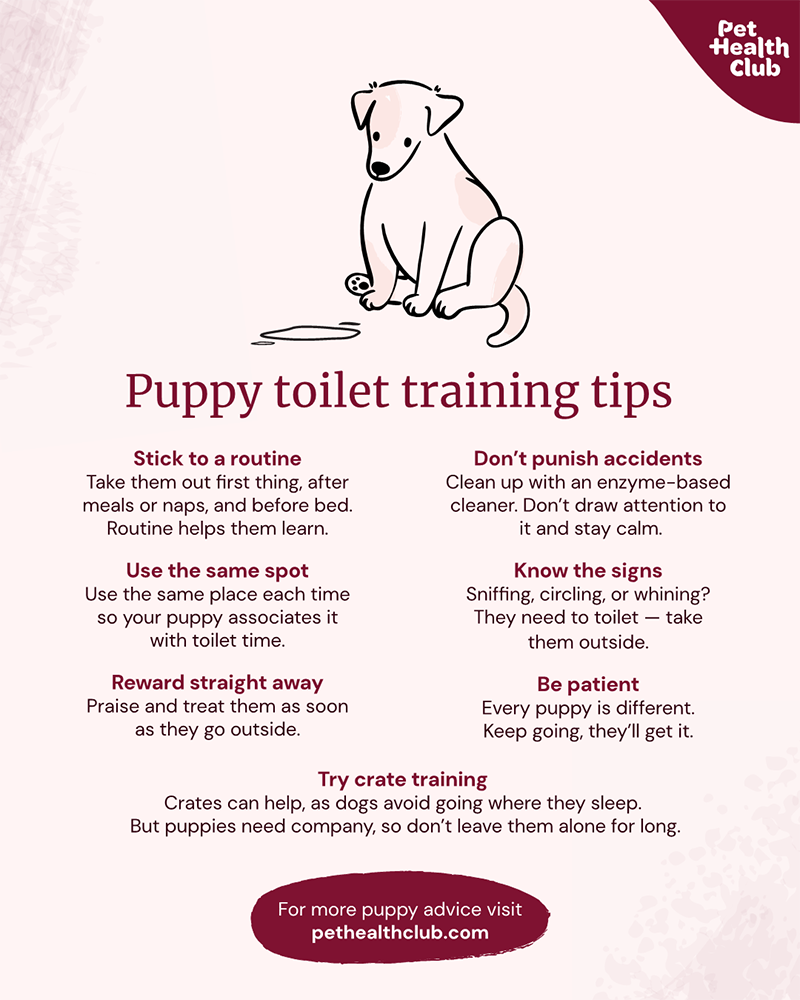
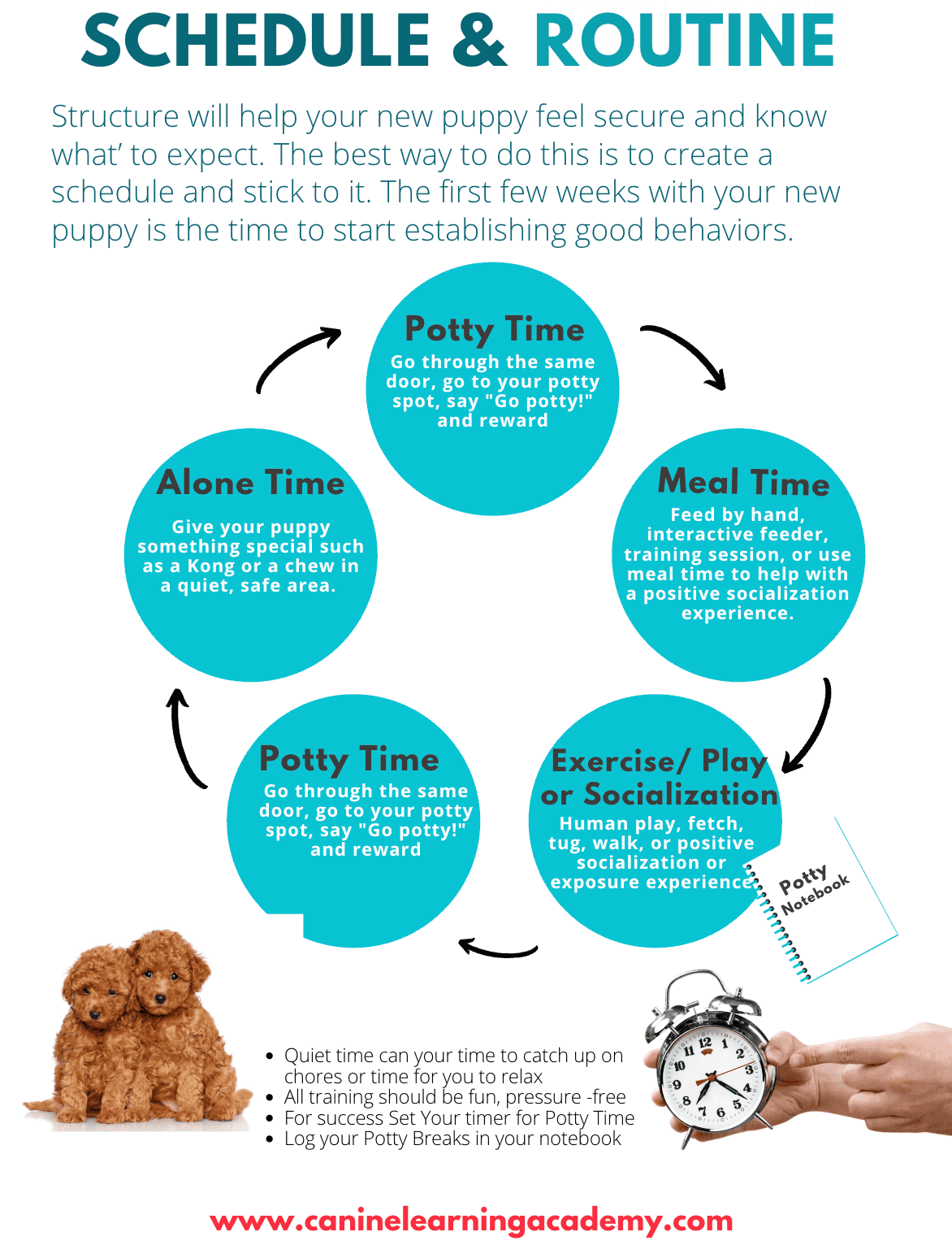
Set specific times for potty breaks. Take your puppy outside after meals, naps, and playtime. Consistent times help your puppy learn when to expect bathroom breaks. Use the same spot outside each time. This teaches your puppy to associate the area with going potty.
Watch your puppy closely for signs they need to go. These signs include sniffing, circling, or whining. Promptly take your puppy outside to the potty spot. Praise your puppy immediately after they go outside. This encourages good behavior and quick learning.
Managing Accidents Effectively
Accidents happen. Stay calm and avoid punishment. Punishing your puppy can cause fear and confusion. Clean accidents thoroughly to remove odors. This prevents your puppy from returning to the same spot.
Use an enzymatic cleaner designed for pet messes. This breaks down urine and stops your puppy from smelling it. When you find an accident, gently interrupt and move your puppy outside. Reward your puppy for finishing outside. Patience and kindness help your puppy learn faster.
Positive Reinforcement Techniques
Positive reinforcement is a powerful way to teach puppies good behavior. It helps them learn by rewarding the actions you want to see. This method builds trust and makes training fun for your puppy. Using rewards like treats and praise encourages your puppy to repeat good behaviors. It also helps them understand what you expect from them.
Using Treats And Praise
Treats are a strong motivator for most puppies. Choose small, tasty treats your puppy loves. Give a treat immediately after your puppy does something right. Praise your puppy with a happy voice or gentle petting. This shows your puppy that they did well. Combining treats with praise makes the reward clear and enjoyable.
Timing Rewards For Maximum Impact
Timing is key to effective positive reinforcement. Give the reward right after the desired behavior. This helps your puppy connect the action with the reward. Delay the reward and your puppy may get confused. Keep your rewards quick and consistent. This speeds up the learning process and strengthens good habits.
Socializing Your Puppy
Socializing your puppy is a key step in raising a happy dog. It helps your puppy learn how to behave around people and other animals. Early socialization reduces fear and aggression. A well-socialized puppy grows into a confident and friendly dog. Start socializing as soon as your puppy gets its vaccines. Keep experiences positive and gentle. This builds trust and good habits.
Introducing New People And Pets
Let your puppy meet different people. Men, women, children, and people wearing hats or glasses. Each new face is a chance to learn. Keep meetings calm and short. Use treats to reward good behavior. Introduce pets slowly and carefully. Watch for signs of stress or fear. Let your puppy explore at its own pace. Safe introductions prevent future problems.
Exposing To Different Environments
Take your puppy to various places. Parks, streets, pet stores, and quiet homes. Different sounds, smells, and sights teach your puppy. Travel by car or bus to new spots. Let your puppy walk on grass, gravel, or pavement. New experiences build confidence and reduce anxiety. Always stay close and provide comfort. A calm puppy learns to enjoy new places.
Handling Common Behavioral Issues
Training a puppy includes dealing with common behavior problems. These issues can cause stress for both you and your dog. Learning how to handle them early helps build good habits. Patience and consistency are key to success.
Understanding why your puppy acts out helps you respond better. Many behaviors are normal but need guidance. Teaching your puppy right from wrong creates a happy home.
Addressing Chewing And Biting
Chewing is natural for puppies, especially during teething. Provide safe chew toys to protect your furniture. Redirect your puppy to these toys whenever they bite something wrong.
When your puppy bites you, say “no” firmly and stop play. Ignore them for a moment to show biting ends fun. Praise your puppy when they use their toys instead.
Reducing Excessive Barking
Puppies bark to communicate or get attention. Identify what triggers the barking, such as strangers or noises. Use calm commands like “quiet” and reward silence with treats.
Teach your puppy to relax in their space. Avoid shouting, as it may make barking worse. Consistent training helps your puppy learn when to stay quiet.
Building Lasting Habits
Building lasting habits is key to successful puppy training. Habits shape your puppy’s behavior every day. Good habits help your puppy learn what is right quickly. They also make life easier for you and your pet.
Strong habits need time and care to develop. Training should be steady and clear. This helps your puppy know what to expect. Over time, these habits become part of your puppy’s routine.
Maintaining Consistency Over Time
Consistency is the backbone of training. Use the same commands and gestures each time. This helps your puppy understand what you want. Avoid changing rules or commands often. Keep training sessions short but regular. Daily practice makes habits stick better. Praise and reward good behavior right away. This encourages your puppy to repeat it. Consistent routines build trust and confidence.
Adapting Training As Your Puppy Grows
Puppies grow fast. Their needs and abilities change too. Adjust training methods to match their age and size. Younger puppies need more patience and shorter sessions. Older puppies can handle longer and more complex tasks. Introduce new commands as your puppy learns basics. Keep challenges interesting but not too hard. Watch your puppy’s reactions and progress. Change your approach if something does not work. Training should grow with your puppy’s skills.
Credit: www.pethealthclub.com
Credit: caninelearningacademy.com
Frequently Asked Questions
How Often Should I Train My Puppy Daily?
Training sessions should be short and frequent. Aim for 5-10 minutes, 2-3 times a day. Consistency helps puppies learn faster and stay engaged.
What Is The Best Age To Start Puppy Training?
Begin training as early as 7-8 weeks old. Early training builds good habits and strengthens your bond with the puppy.
Which Training Methods Work Best For Puppies?
Positive reinforcement methods work best. Use treats, praise, and play to reward good behavior. Avoid harsh punishments to encourage learning.
How Can I Stop My Puppy From Biting?
Redirect biting to toys and give firm “no” commands. Consistent gentle correction teaches bite inhibition and proper play behavior.
Conclusion
Training a puppy takes time and patience. Consistency helps your puppy learn good habits. Use positive rewards to encourage good behavior. Keep training sessions short and fun for your puppy. Remember, every puppy learns at their own pace. Stay calm and kind while teaching new skills.
Good training builds a strong bond with your puppy. Enjoy the process and watch your puppy grow. Simple tips make training easier for both of you. Happy training leads to a happy, well-behaved dog.


