

Bringing home a new puppy is one of the most exciting moments you’ll ever experience. But it can also feel overwhelming if you’re not sure what to expect or how to prepare.
You want your puppy to feel safe, happy, and loved from day one. That’s why having the right tips can make all the difference. Keep reading, and you’ll discover simple, effective ways to create the perfect start for your furry friend—and build a bond that lasts a lifetime.
Preparing Your Home
Preparing your home for a new puppy is a crucial step. It helps your puppy feel safe and loved from day one. A well-prepared home also keeps your puppy out of trouble and makes training easier. Start early to create a smooth transition for both you and your puppy.
Puppy-proofing Essentials
Remove small objects that a puppy can swallow. Hide electrical cords to prevent chewing. Secure trash cans with lids or place them out of reach. Block off areas that are unsafe or hard to clean. Check for toxic plants and chemicals and move them away. Make sure windows and doors are secure. This prevents your puppy from escaping or getting hurt.
Gathering Supplies
Get food and water bowls that are sturdy and easy to clean. Buy a high-quality puppy food recommended by your vet. Choose a comfortable collar and leash for walks. Have chew toys and teething rings to keep your puppy busy. Pick up grooming tools like brushes and nail clippers. Stock up on puppy pads or cleaning supplies for accidents. These items help your puppy settle and grow healthy.
Setting Up A Safe Space
Create a quiet area where your puppy can rest and feel safe. Use a crate or a small playpen with soft bedding. This spot becomes your puppy’s safe haven during busy times. Keep the space free from drafts and loud noises. Place toys and water nearby to keep your puppy comfortable. A safe space helps your puppy learn boundaries and relax easily.

Credit: stevebrownapts.com
Choosing The Right Puppy
Choosing the right puppy is the first step to a happy life together. A good match means less stress and more joy. Think about your daily routine, home space, and energy level. Picking a puppy that fits your life makes training and bonding easier. This choice helps avoid future problems and keeps your new friend healthy and happy.
Matching Breed To Lifestyle
Each dog breed has unique needs and traits. Some breeds need lots of exercise. Others prefer calm and quiet homes. Small apartments suit small dogs better. Active families enjoy energetic breeds. Research breeds carefully to find one that fits your lifestyle. Think about time for walks, play, and grooming.
Selecting A Healthy Puppy
Healthy puppies have clear eyes and clean ears. Their coat should be shiny and soft. Watch how the puppy moves and plays. Avoid puppies with coughs, sneezing, or runny noses. Ask the breeder or shelter about vaccinations and vet visits. A healthy start means fewer vet bills later.
Meeting The Puppy Before Adoption
Spend time with the puppy before taking it home. Notice its behavior and how it reacts to you. Friendly and curious puppies often adjust well. Shy or scared puppies need more care and patience. Watch how the puppy interacts with other dogs. Meeting the puppy helps you choose the best fit.
First Day At Home
Bringing a new puppy home is exciting and full of surprises. The first day at home shapes your puppy’s future behavior. It helps build trust and comfort in their new space. Gentle care and clear guidance make this day smooth and joyful.
Introducing The Puppy To Family
Let the puppy meet family members one at a time. Keep meetings calm and quiet to avoid overwhelming them. Allow the puppy to sniff and explore at their own pace. Teach children to be gentle and patient with the new friend. This creates positive bonds from the very start.
Establishing A Routine
Start a simple daily schedule right away. Set fixed times for feeding, potty breaks, and play. Consistency helps the puppy feel safe and understand expectations. It also makes training easier and faster. A steady routine reduces stress for both puppy and owner.
Managing First Night Challenges
The first night can be tough for your puppy. They might feel lonely or scared in a new place. Provide a cozy bed and a soft toy for comfort. Keep the room quiet and dim to encourage sleep. Check on your puppy gently if they whine, but avoid too much attention. This helps them settle down and rest well.
Training Basics
Training your new puppy is an important first step. It sets the tone for your relationship. Good training helps your puppy learn rules and feel safe. Start early to build good habits. Be patient and consistent. Training should be a positive experience for both of you.
House Training Tips
Start house training right away. Take your puppy outside often. After eating, playing, or waking up is best. Choose a regular spot outside for bathroom breaks. Praise your puppy when they go outside. Clean accidents inside quickly to remove smells. Use a crate to help with training. It keeps your puppy safe and teaches control.
Socialization Strategies
Introduce your puppy to new people and places early. Safe exposure helps them feel confident. Let your puppy meet different dogs and animals. Watch their reactions and stay calm. Avoid scary or rough situations. Use treats and praise to create positive memories. Socialization builds trust and reduces fear.
Basic Commands To Teach
Teach simple commands like “sit,” “stay,” and “come.” Use clear words and hand signals. Practice short sessions several times a day. Reward your puppy with treats and praise. Keep training fun and relaxed. These commands help keep your puppy safe and well-behaved.
Health And Nutrition
Bringing a new puppy home is exciting. Their health and nutrition need special care. Proper feeding and regular health checks help your puppy grow strong. Good habits start early. This section covers key tips for your puppy’s health and nutrition.
Choosing The Right Food
Pick food made for puppies. It has the right nutrients for growth. Check the label for protein and fat content. Avoid foods with too many fillers or artificial ingredients. Fresh water should always be available. Feed your puppy small meals several times a day. This supports their energy needs and digestion.
Scheduling Veterinary Visits
Take your puppy to the vet soon after bringing them home. The vet checks for any health problems early. Vaccinations keep your puppy safe from diseases. Follow the vet’s schedule for shots and boosters. Regular visits help track your puppy’s growth and health. The vet can also give advice on diet and care.
Preventing Common Health Issues
Keep your puppy clean and groomed. Brush their teeth and check ears weekly. Watch for signs of illness like coughing or diarrhea. Parasite prevention is important. Use vet-recommended flea and tick treatments. Exercise your puppy daily to build strong muscles and bones. Early care helps avoid serious health problems later.
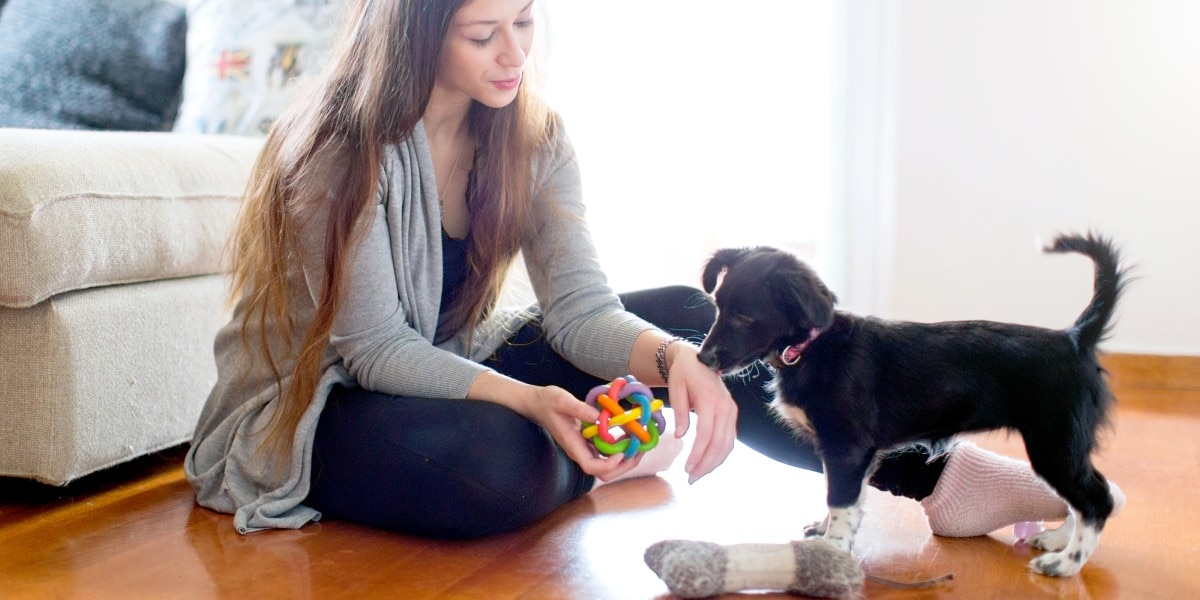
Credit: www.purina.com
Building A Strong Bond
Building a strong bond with your new puppy is key to a happy life together. This bond grows through trust, care, and time spent together. Puppies need love and patience as they learn about their new home. The stronger your connection, the better your puppy will behave and feel safe.
Positive Reinforcement Techniques
Use treats and praise to reward good behavior. This helps your puppy understand what you want. Avoid punishment; it creates fear and confusion. Consistent rewards build trust and encourage learning. Simple commands like “sit” or “stay” are good starting points. Celebrate small successes to keep your puppy motivated.
Playtime And Exercise
Play is fun and important for bonding. Choose toys your puppy enjoys. Play games like fetch or tug-of-war to build trust. Regular exercise keeps your puppy healthy and happy. Short walks and gentle play suit young puppies best. Playtime strengthens your connection and burns off energy.
Handling Separation Anxiety
Separation anxiety is common in new puppies. Start by leaving your puppy alone for short times. Create a safe, cozy space with toys and bedding. Avoid long goodbyes; keep departures calm and quiet. Gradually increase alone time to build confidence. Patience helps your puppy feel secure and less anxious.

Credit: www.foxyandthehound.ca
Frequently Asked Questions
How Do I Prepare My Home For A New Puppy?
Start by puppy-proofing your space, removing hazards, and setting up a cozy bed. Gather food, toys, and training supplies before arrival.
When Should I Start Training My New Puppy?
Begin basic training immediately after bringing your puppy home. Early training helps establish good behavior and socialization habits.
What Are Essential Supplies For A New Puppy?
Essential items include a collar, leash, food, water bowls, toys, crate, and grooming tools. These basics support your puppy’s health and comfort.
How Can I Help My Puppy Adjust To A New Home?
Give your puppy a quiet space, maintain a routine, and offer gentle reassurance. Patience and consistency ease their transition.
Conclusion
Bringing home a new puppy is an exciting journey. Prepare your home with love and patience. Teach simple rules and be consistent every day. Give your puppy plenty of rest and gentle care. Small steps help build trust and good habits.
Enjoy each moment as your puppy grows. A happy puppy means a happy family. Stay calm, kind, and ready to learn together. This new friend will bring joy for years. Embrace the adventure with open arms and heart.


