Have you noticed changes in your furry friend as they grow older? Understanding elderly dog behavior is key to keeping your loyal companion happy and healthy.
Your dog isn’t just slowing down—they’re experiencing new needs and emotions. By recognizing these changes early, you can make a big difference in their comfort and well-being. Keep reading to discover the signs to watch for and simple ways to support your dog through their golden years.
Common Behavior Changes
As dogs grow older, their behavior often changes. These shifts can signal normal aging or health issues. Understanding these common changes helps owners care better for elderly dogs.
Reduced Activity Levels
Older dogs usually move less than before. Joints may hurt or stiffen. This makes running or playing harder. They may prefer short walks or resting.
Increased Sleep Patterns
Senior dogs often sleep more hours daily. Their energy drops, so rest feels good. Naps become frequent throughout the day. Quiet time helps them recover strength.
Changes In Social Interaction
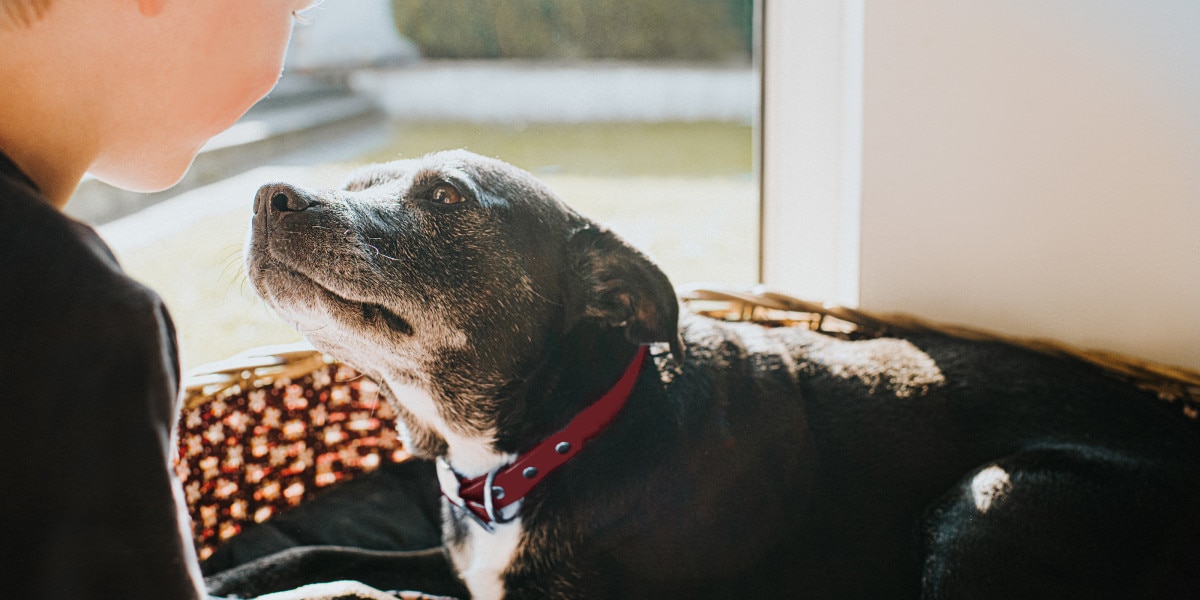
Older dogs might seek less attention from others. They may avoid strangers or new pets. Some become more clingy with familiar people. Mood swings can affect their friendliness.
Altered Eating Habits
Appetite can decrease or change in elderly dogs. They may eat slower or less often. Taste and smell might dull, reducing interest in food. Special diets may become necessary.
Signs Of Cognitive Decline
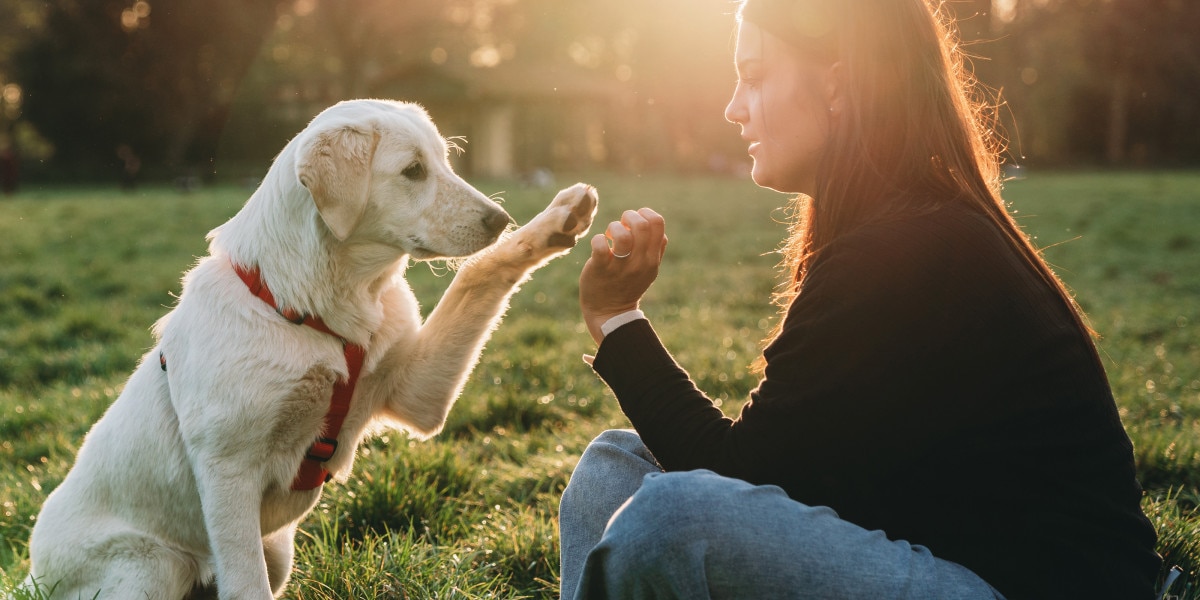
Memory and focus may weaken with age. Dogs might forget commands or familiar places. Confusion or disorientation can appear. Nighttime restlessness and anxiety are common too.
Credit: www.purina.com
Health Issues Affecting Behavior
As dogs grow older, their behavior can change due to health issues. These problems affect how they move, feel, and react to their surroundings. Understanding these health challenges helps owners care better for their elderly pets. Changes in behavior often signal discomfort or illness. Paying attention to these signs can improve a dog’s quality of life.
Arthritis And Mobility Challenges
Arthritis is common in older dogs. It causes joint pain and stiffness. Moving becomes difficult and slow. Dogs may avoid stairs or jumping. They might show less interest in walks or play. These changes can make dogs grumpy or withdrawn.
Sensory Decline
Hearing and vision often weaken with age. Dogs may not respond to sounds or commands. They can get confused or scared easily. This decline may cause them to bark more or hide. Loss of senses affects how dogs explore the world.
Pain And Discomfort
Chronic pain changes dog behavior. Dogs may grow irritable or restless. They might lick or bite sore spots. Eating and sleeping patterns can shift. Recognizing signs of pain helps provide relief fast.
Chronic Illness Impact
Long-term diseases affect energy and mood. Conditions like diabetes or kidney disease drain strength. Dogs might seem tired or less playful. Behavior shifts often indicate illness progression. Regular vet visits catch these changes early.
Adapting The Home Environment
Adapting the home environment is key for elderly dogs. As dogs age, their needs change. Their mobility, senses, and comfort levels require special care. Small changes at home can make a big difference. These adjustments help dogs feel safe and loved. They also reduce stress and support health.
Safe And Comfortable Spaces
Create quiet spots where your dog can rest. Use soft bedding to ease joint pain. Avoid slippery floors to prevent falls. Place beds away from loud noises. Keep spaces warm but well-ventilated. These areas should be easy to reach for your dog.
Accessible Feeding Areas
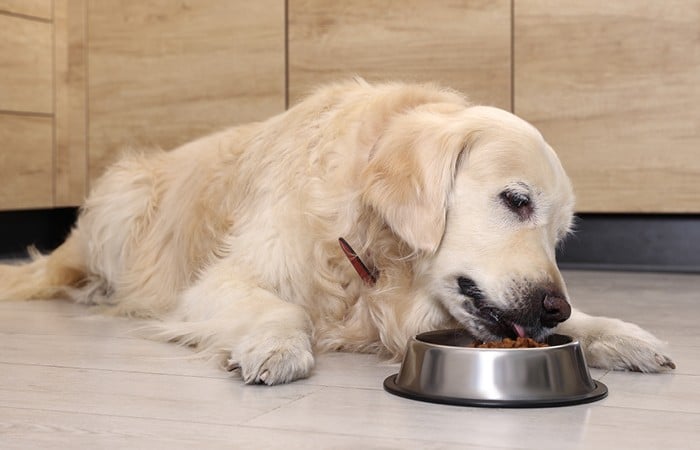
Raise food and water bowls to reduce neck strain. Choose shallow bowls for easy access. Keep feeding areas clean and free of clutter. Place bowls in calm spots to help your dog eat peacefully. Regularly check water to keep it fresh and cool.
Easy Access To Outdoors
Ensure your dog can go outside without help. Use ramps or low steps instead of stairs. Keep outdoor paths clear and even. Provide shaded areas to protect from sun. Make sure gates and doors are easy to open and close. Outdoor access supports physical and mental health.
Reducing Stress Triggers
Limit loud noises and sudden movements near your dog. Maintain a regular daily routine for feeding and walks. Avoid introducing new pets or visitors suddenly. Use calming scents or soft music if your dog seems anxious. Observe your dog’s behavior to spot stress early. A calm home helps your dog feel secure.
Credit: www.purina.com
Diet And Nutrition Adjustments
As dogs age, their diet needs change significantly. Older dogs often digest food differently and require specific nutrients. Adjusting their diet helps keep them healthy and active.
Proper nutrition supports their immune system and energy levels. It also helps manage weight and reduces the risk of diseases common in senior dogs.
Senior Dog Diet Needs
Senior dogs need fewer calories due to lower activity. Protein is important to maintain muscle strength. Choose high-quality, easily digestible proteins for best results. Fiber helps with digestion and prevents constipation. Omega-3 fatty acids support skin and coat health. Avoid foods high in fat or sugar to prevent weight gain.
Supplements For Joint Health
Joint problems are common in older dogs. Supplements like glucosamine and chondroitin support joint health. These help reduce pain and improve mobility. Fish oil supplements provide omega-3s that reduce inflammation. Always consult a vet before adding supplements. Proper joint care improves your dog’s comfort and activity.
Hydration Importance
Older dogs may drink less water, risking dehydration. Keep fresh water available at all times. Wet food can increase water intake. Dehydration affects kidney function and energy levels. Watch for signs like dry gums or lethargy. Proper hydration supports overall health and helps digestion.
Exercise And Mental Stimulation
Exercise and mental stimulation keep elderly dogs happy and healthy. Aging dogs need gentle activities to protect their joints and muscles. Mental exercises help slow down memory loss and keep their minds sharp. Both physical and mental activities improve mood and reduce stress in older dogs.
Low-impact Activities
Walking on soft grass or smooth paths is good for older dogs. Swimming helps build muscles without hurting joints. Short, slow walks prevent tiredness but give enough exercise. Gentle stretching or light play can keep muscles flexible. Avoid hard running or jumping to prevent injuries.
Interactive Toys And Games
Use toys that make dogs think, like treat puzzles. These toys keep the brain busy and reduce boredom. Hide treats inside toys to encourage problem-solving. Simple games like “find the treat” boost mental skills. Change toys often to keep interest high and mind active.
Routine Establishment
Older dogs feel safe with a daily routine. Set regular times for walks, meals, and play. Consistent schedules reduce stress and confusion. Routine helps dogs know what to expect each day. This stability supports both body and mind health.
Credit: www.petplan.co.uk
Veterinary Care And Monitoring
Veterinary care and monitoring are vital for elderly dogs. Their bodies change, and health issues may arise. Regular checkups help catch problems early. Careful monitoring supports a longer, comfortable life.
Regular Health Checkups
Schedule health checkups at least twice a year. Vets examine your dog’s weight, teeth, and joints. Blood tests reveal hidden conditions like kidney or liver issues. Early detection allows timely treatment and prevents complications.
Behavioral Assessments
Older dogs often show new behaviors. Vets assess signs of anxiety, confusion, or aggression. These behaviors may indicate pain or cognitive decline. Understanding changes helps adjust care and improve quality of life.
Medication Management
Elderly dogs may need medicines for arthritis, heart, or other conditions. Follow the vet’s instructions closely. Keep a list of all medications and dosages. Regular reviews ensure medicines remain safe and effective over time.
Emotional Support And Bonding
As dogs grow older, their emotional needs change too. They rely more on their owners for comfort and security. Building a strong bond helps them feel safe and loved. Emotional support can ease their fears and boost their happiness. Understanding these needs is key to caring for elderly dogs well.
Maintaining Affection
Keep showing love through gentle petting and soft words. Touch reassures older dogs and strengthens your connection. Spend quiet time together, sitting or lying close. Small acts of kindness mean a lot to them. Affection helps reduce feelings of loneliness and sadness.
Recognizing Anxiety And Stress
Watch for signs like pacing, whining, or hiding. Changes in behavior can signal discomfort or fear. Older dogs may feel anxious due to health problems or confusion. Early recognition helps you address their needs quickly. Calm and patience are vital during these moments.
Comforting Techniques
Create a calm space with familiar blankets and toys. Soft music or white noise can soothe nervous dogs. Speak in a gentle, steady tone to ease their mind. Regular routines provide a sense of security and predictability. Your presence is often the best comfort they need.
Frequently Asked Questions
What Are Common Signs Of Elderly Dog Behavior Changes?
Elderly dogs may show reduced energy, increased sleep, and slower movements. They might also have changes in appetite and bathroom habits. Behavioral shifts like anxiety or confusion can appear due to aging or health issues.
How Can I Help My Elderly Dog Stay Active?
Encourage gentle, regular exercise like short walks or play. Avoid strenuous activities to protect joints. Mental stimulation through training or puzzle toys also supports cognitive health in senior dogs.
Why Does My Elderly Dog Seem Confused Sometimes?
Confusion in elderly dogs often results from cognitive dysfunction syndrome. This condition is similar to dementia in humans and affects memory and awareness. Consult a vet for diagnosis and management options.
What Dietary Changes Benefit Elderly Dogs?
Senior dogs benefit from diets lower in calories but rich in protein and fiber. Special senior dog food supports joint health and digestion. Always consult your vet before changing your dog’s diet.
Conclusion
Elderly dogs change in many ways as they age. Their behavior may slow down or become calmer. Watch for signs of pain or confusion. Gentle care and patience help them feel safe. Regular vet visits keep health problems in check.
Love and attention make their golden years happy. Understanding your old dog builds a stronger bond. Small changes in routine can make a big difference. Enjoy each moment with your loyal companion. Aging is natural, but kindness always helps.