

Training your dog to walk off the leash can open up a whole new world for both of you. Imagine the freedom of watching your dog explore without the constant tug of a leash, while still having full control.
It’s not just about safety—it’s about building trust and deepening your bond. But how do you get there? If you’re wondering how to train a dog off the leash and want clear, simple steps that really work, this guide is for you.
Keep reading, and you’ll discover the secrets to confident, off-leash adventures with your furry friend.
Preparing For Off-leash Training
Preparing for off-leash training is an important first step. It helps keep your dog safe and makes training easier. Careful planning sets the stage for success. You need to pick the right place, gather tools, and check if your dog is ready.
Choosing The Right Location
Pick a quiet, enclosed area for off-leash training. Avoid places with many distractions at first. A fenced yard or a quiet park works well. This keeps your dog focused and safe. Choose a spot where you feel comfortable and in control.
Essential Training Tools
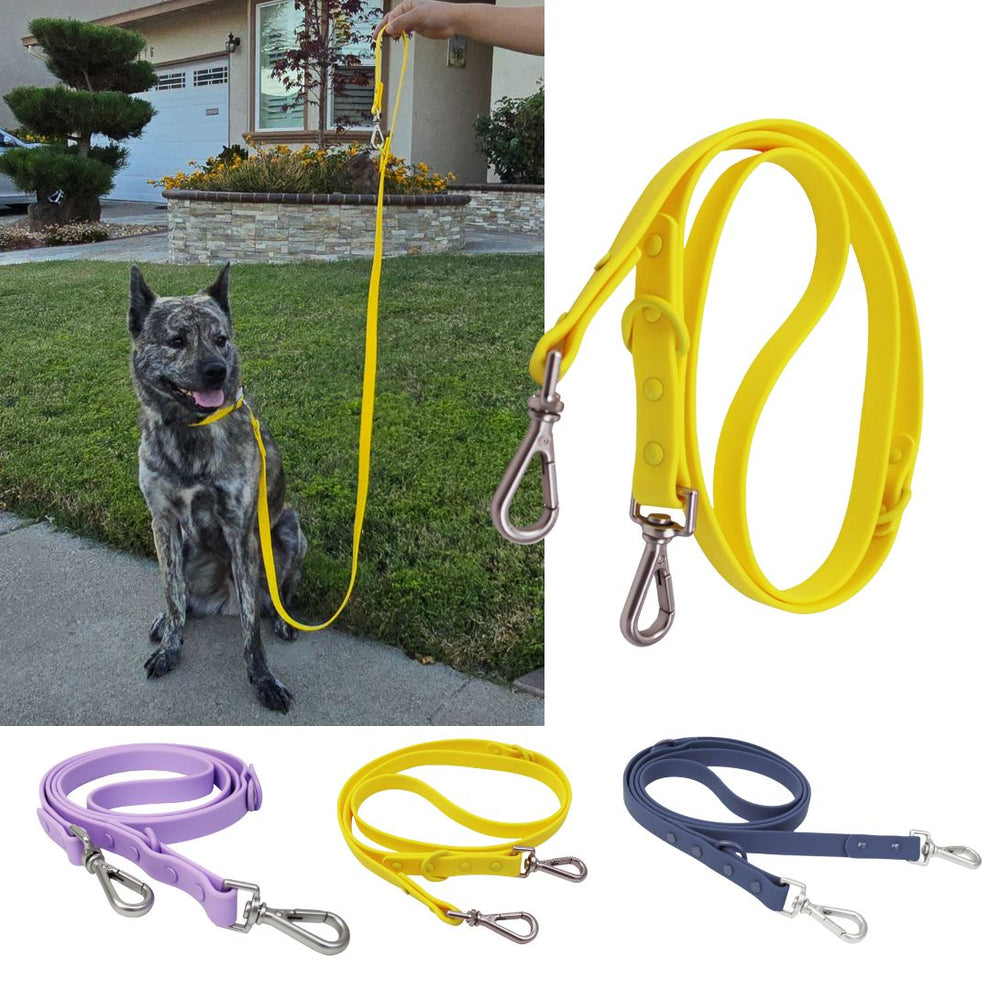
Bring a long leash to keep control at the start. Use treats your dog loves as rewards. A clicker can help mark good behavior. Carry water and poop bags too. These tools support smooth and effective training sessions.
Assessing Your Dog’s Readiness
Check if your dog knows basic commands like sit and come. Your dog should respond well to your voice. Look for calm behavior around distractions. Your dog must be healthy and confident. Only start off-leash training when your dog is ready.
Credit: beenbuu.com
Building Basic Obedience Skills
Building basic obedience skills lays a strong foundation for off-leash training. Your dog learns to listen and follow commands even without a leash. This training keeps your dog safe and under control. It also strengthens the bond between you and your pet.
Mastering Recall Commands
Recall means your dog comes to you when called. Start practicing in a quiet, safe place. Use a clear, simple word like “come.” Say the word with a happy tone. Reward your dog with treats or praise when it comes. Repeat often and increase distractions slowly. A strong recall is key for off-leash freedom.
Practicing Stay And Heel
Teach your dog to stay in one spot until released. Use a firm but gentle command like “stay.” Step back slowly, then return and reward your dog. Practice staying longer each time. Heel means your dog walks close by your side. Use treats to guide your dog to walk calmly next to you. These commands help control your dog off leash.
Using Positive Reinforcement
Positive reinforcement means rewarding good behavior. Use treats, praise, or toys as rewards. Avoid punishment or harsh words. Reward your dog right after it follows a command. This helps your dog understand what you want. Training becomes fun and motivates your dog to learn more.
Gradual Leash Removal Techniques
Training your dog to walk off the leash takes patience and steady progress. Gradual leash removal techniques help your dog learn safety and control outside. Start slow and build confidence together. This method reduces risks and strengthens your bond.
Short Off-leash Sessions
Begin with very short off-leash times. Choose a safe, enclosed area for these sessions. Keep your dog close and watch behavior carefully. Praise good responses quickly. End sessions before your dog loses focus or shows stress. Short sessions keep training fun and effective.
Increasing Distance And Duration
Gradually increase how far your dog can go off leash. Add time little by little too. Stay nearby to correct and encourage your dog. Use clear commands and rewards to maintain attention. Watch your dog’s comfort and energy levels closely. Grow distance and time only when your dog is ready.
Monitoring Distractions
Distractions test your dog’s training. Start in quiet places with few distractions. Add small distractions like sounds or other animals slowly. Notice how your dog reacts. If distracted, bring focus back with a command or treat. Manage distractions carefully to keep control strong.

Credit: www.youtube.com
Handling Challenges During Training
Training a dog off the leash brings many challenges. It tests both your patience and skills. Handling these challenges well helps your dog learn faster. Stay calm and keep a positive mindset. This section covers common problems and how to tackle them.
Addressing Distractions
Distractions can stop your dog from listening. Other animals, noises, or smells catch their attention. Start training in a quiet place. Gradually add distractions as your dog improves. Use treats or toys to bring focus back. Be patient and repeat the exercise often.
Managing Behavioral Issues
Some dogs show fear, excitement, or stubbornness. These behaviors can slow down training. Understand what causes the problem. Use gentle correction and praise good behavior. Avoid punishment; it can create fear. Seek help from a trainer if needed.
Keeping Training Consistent
Consistency is key to off-leash success. Train your dog every day, even for short times. Use the same commands and signals each time. Everyone in the family should follow the same rules. Consistent training builds trust and clear communication.
Safety Tips For Off-leash Activities
Training a dog to be off the leash can be freeing and fun. Safety is the top priority during these activities. Keeping your dog safe helps you enjoy time together without worry. Follow these key safety tips to protect your dog and others.
Ensuring Secure Environments
Choose areas that are fenced or away from traffic. Open spaces with few distractions are best. Check for hazards like sharp objects or toxic plants. Avoid crowded places to reduce stress for your dog. A safe environment helps your dog focus and learn better.
Using Identification Tags
Always have your dog wear a collar with ID tags. Include your phone number and address on the tag. Microchipping is a smart backup for lost dogs. Clear identification speeds up safe return if your dog wanders off. Make sure tags fit well and are easy to read.
Emergency Recall Strategies
Teach your dog a strong recall command before off-leash time. Practice recall in safe, controlled areas first. Use high-value treats or toys as rewards. Stay calm and patient if your dog does not come immediately. Quick response in emergencies can prevent accidents and keep your dog safe.

Credit: www.dognpooch.com
Maintaining Off-leash Skills Long-term
Keeping your dog well-behaved off the leash requires ongoing effort. Training does not end after the first few sessions. Dogs need consistent practice to remember commands and stay safe. This section explains how to maintain off-leash skills long-term.
Regular Practice Sessions
Practice makes perfect. Set aside time each week for off-leash training. Short, frequent sessions work best. Focus on key commands like “come,” “stay,” and “heel.” Consistency helps your dog stay sharp and obedient.
Adapting To New Environments
Change the location of your training often. New places bring new distractions. Parks, trails, or quiet streets challenge your dog’s focus. This variety builds strong, reliable off-leash behavior everywhere.
Rewarding Good Behavior
Praise and treats motivate your dog. Give rewards immediately after good actions. Positive reinforcement strengthens the bond and encourages repeated good behavior. Keep rewards meaningful but balanced to avoid overfeeding.
Frequently Asked Questions
How Do I Start Training My Dog Off The Leash?
Begin in a safe, enclosed area with a long leash. Use clear commands and reward good behavior. Gradually increase freedom as your dog listens well.
What Are The Best Commands For Off-leash Training?
Focus on “come,” “stay,” “heel,” and “leave it. ” These commands ensure control and safety when your dog is off the leash.
How Long Does Off-leash Training Usually Take?
Training time varies by dog breed and age. Typically, consistent daily sessions for 4-8 weeks show good results. Patience and repetition are key.
Can All Dog Breeds Be Trained Off The Leash?
Most breeds can learn off-leash skills, but some have stronger recall instincts. Training success depends on consistency, environment, and the dog’s temperament.
Conclusion
Training a dog off the leash takes time and patience. Start with small steps and stay consistent. Always reward good behavior to encourage your dog. Keep practice sessions short and fun to hold attention. Safety matters most—choose safe places for training.
Trust builds with every successful walk without the leash. Enjoy the freedom and strong bond you create together. Keep practicing, and your dog will learn well.


