

Have you ever wondered why your dog acts the way it does? Understanding dog behavior can unlock the secret to a happier, stronger bond between you and your furry friend.
When you learn what your dog is really trying to tell you, daily life becomes easier and more enjoyable. Imagine being able to prevent misunderstandings, reduce stress, and respond to your dog’s needs with confidence. This article will guide you through the key signs and signals your dog uses, helping you connect on a deeper level.
Keep reading, and discover how simple it is to become the dog owner your pet truly deserves.
Dog Body Language
Dogs talk without words. Their bodies send clear signals about their feelings and thoughts. Understanding these signals helps build trust and stronger bonds. It also keeps you and your dog safe.
Dog body language shows emotions like happiness, fear, and stress. Watching their movements and positions reveals what they want or need.
Tail Signals
A wagging tail does not always mean a happy dog. The speed, height, and direction tell different stories. A high, fast wag often shows excitement or friendliness. A low or tucked tail can mean fear or submission. A slow wag may show caution or uncertainty.
Ear Positions
Dog ears move to express feelings. Ears up and forward show interest or alertness. Ears flat against the head usually mean fear or anxiety. Sometimes one ear moves differently, showing mixed emotions. Watch ears closely for clues about your dog’s mood.
Eye Contact
Dogs use their eyes to communicate. Soft, blinking eyes often mean calmness or trust. Direct, steady eye contact can be a sign of confidence or challenge. Avoid staring, as dogs may see it as a threat. Look at their eyes along with other signals for full understanding.
Posture And Movement
The way a dog stands or moves reveals much. A relaxed body shows comfort and friendliness. Stiff posture can mean alertness or aggression. Play bows invite fun and interaction. Tail-chasing or pacing may indicate stress or boredom.
Credit: funnyfuzzy.co.uk
Common Dog Behaviors
Dogs show many behaviors to express their feelings and needs. Understanding these common actions helps build a better bond. Knowing why dogs act certain ways makes care easier and more effective.
Barking Reasons
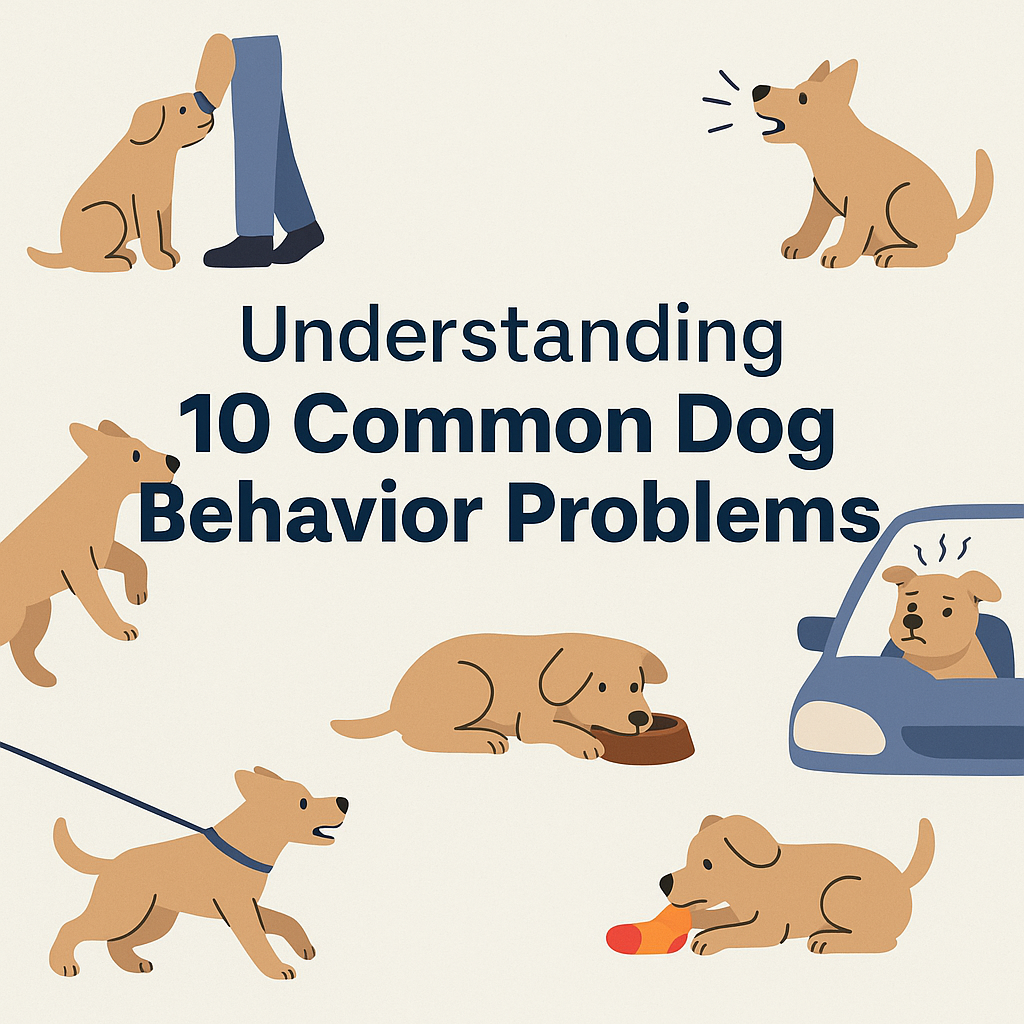
Barking is a dog’s way to communicate. Dogs bark to alert danger, greet people, or ask for attention. Sometimes, barking shows excitement or boredom. Each bark type has a different meaning.
Chewing Habits
Chewing helps dogs explore the world. Puppies chew to relieve teething pain. Adult dogs chew to stay busy or reduce stress. Providing safe chew toys stops damage to furniture.
Digging Instincts
Digging is a natural behavior for many dogs. They dig to find cool spots or hide toys. Some dogs dig out of boredom or to escape. Creating a digging area can save your garden.
Jumping And Nipping
Jumping shows excitement or tries to get attention. Nipping is often playful but can hurt. Training dogs to use gentle manners improves behavior. Consistency helps dogs learn acceptable ways to greet.
Training Basics
Training a dog starts with understanding simple basics. Dogs learn best through clear actions and simple rules. Training builds trust and good habits. It shapes a dog’s behavior for a happy life together.
Positive Reinforcement
Positive reinforcement means rewarding good behavior. Use treats, praise, or toys to encourage your dog. This method helps dogs learn faster and stay motivated. Avoid punishment, as it can cause fear or confusion.
Consistency Importance
Consistency helps dogs understand what is expected. Use the same commands and actions every time. Family members should follow the same rules. This avoids mixed signals and speeds up training progress.
Setting Boundaries
Dogs need clear limits to feel safe. Decide which areas and behaviors are allowed. Use gentle corrections to guide your dog. Boundaries prevent bad habits and promote good manners.
Socialization Tips
Socialization exposes dogs to new people, places, and animals. Start early and keep experiences positive. This reduces fear and aggression later. Regular social time builds confidence and good behavior.

Credit: www.reddit.com
Handling Problem Behaviors
Handling problem behaviors in dogs is important for a happy home. These behaviors can cause stress for both pets and owners. Understanding the reasons behind these actions helps find the right solutions.
Training, patience, and consistency are key to changing bad habits. Each dog is different and may need a unique approach. Recognizing signs early can prevent problems from getting worse.
Separation Anxiety
Separation anxiety happens when dogs feel scared alone. They may bark, chew, or try to escape. This shows they need more comfort and security. Gradual training can help dogs stay calm when you leave.
Aggression Signs
Aggression includes growling, snapping, or biting. It often comes from fear or pain. Watch your dog’s body language to spot early signs. Calm and firm training reduces aggressive behavior over time.
Excessive Barking
Dogs bark to communicate but too much can be a problem. It may mean boredom, fear, or attention-seeking. Identify the cause to reduce barking. Exercise and mental games keep dogs busy and quiet.
House Soiling
House soiling means dogs urinate or poop inside. It can be a sign of health or stress issues. Consistent bathroom routines teach dogs where to go. Clean accidents quickly to avoid repeat behavior.
Enhancing Dog Well-being
Enhancing a dog’s well-being is key to a happy, healthy life. Understanding what dogs need helps owners care for them better. Well-being covers many areas like exercise, food, and health checks. Meeting these needs improves behavior and strengthens the bond between dog and owner.
Exercise Needs
Dogs need regular exercise to stay fit and happy. Walking, running, and playing help burn energy. Exercise prevents boredom and reduces anxiety. Different breeds need different activity levels. Daily exercise keeps muscles strong and joints healthy. A tired dog is a well-behaved dog.
Mental Stimulation
Mental exercise is as important as physical activity. Puzzle toys and training games keep dogs’ minds sharp. Learning new tricks boosts confidence and focus. Mental challenges stop destructive behavior caused by boredom. Regular mental stimulation makes dogs calmer and more content.
Proper Nutrition
Good food fuels a dog’s body and brain. Balanced diets provide essential vitamins and minerals. Quality dog food supports a strong immune system. Avoid feeding harmful human foods. Fresh water should always be available. Proper nutrition leads to shiny coats and healthy weight.
Regular Vet Visits
Routine vet visits catch health problems early. Vaccines protect against serious diseases. Dental care prevents pain and infections. Vet checkups help maintain overall health. Early treatment improves recovery chances. Regular visits keep dogs comfortable and healthy longer.

Credit: www.amazon.com
Frequently Asked Questions
What Are Common Signs Of Dog Anxiety?
Dogs show anxiety through pacing, whining, excessive barking, or destructive behavior. Recognizing these signs helps address their stress early.
How Do Dogs Communicate Their Feelings?
Dogs use body language like tail wagging, ear position, and facial expressions to express emotions and intentions clearly.
Why Do Dogs Bark Excessively?
Excessive barking can indicate boredom, fear, or alertness. Identifying the cause helps in managing this behavior effectively.
How Can I Understand My Dog’s Body Language?
Observe tail movement, ear position, and posture. These cues reveal if your dog is happy, scared, or aggressive.
Conclusion
Understanding dog behavior helps build a strong bond with your pet. Dogs communicate through actions, not words. Watching their body language tells you how they feel. Responding kindly to their signals creates trust and friendship. Every dog is unique and learns differently.
Patience and attention improve your dog’s happiness and safety. Enjoy the journey of learning about your dog’s world. It makes caring for them easier and more fun. Keep observing, listening, and loving your furry friend every day.


