Bringing a new puppy into your life is exciting, but training them can feel overwhelming. You want your puppy to grow into a well-behaved, happy dog, but where do you start?
What if there were simple, effective tips and tricks that could make training easier and even fun for both of you? You’ll discover proven methods to help your puppy learn quickly and build a strong bond with you. Keep reading to unlock the secrets that will turn your puppy into the best companion you’ve always dreamed of.

Credit: www.amazon.com
Choosing The Right Puppy
Choosing the right puppy is the first step to a happy life together. Puppies have different needs and personalities. Picking one that fits your lifestyle helps training go smoothly. This choice affects your bond and success in raising a well-behaved dog.
Breed Traits And Temperament
Each dog breed has unique traits. Some breeds are calm and easy to train. Others need more exercise and mental challenges. Knowing a breed’s temperament guides your expectations.
For example, herding dogs are energetic and smart. They need tasks to stay happy. Toy breeds may prefer gentle play and short walks. Choose a breed that matches your daily routine.
Age And Development Stages
Puppies change quickly as they grow. Younger puppies need more care and patience. Their brains and bodies develop fast in the first months.
Training early helps form good habits. Older puppies may learn faster but can have habits already set. Understand the stage your puppy is in to plan training steps well.
Creating A Training Schedule
Creating a training schedule helps your puppy learn faster. It sets clear times for training every day. Puppies feel safe with a plan. They know when to expect lessons and playtime. This builds good habits and reduces confusion.
A well-planned schedule keeps training consistent. It also fits your puppy’s energy and attention span. Training becomes easier and more effective. Your puppy stays happy and eager to learn.
Consistency And Routine
Consistency is key in puppy training. Use the same commands and actions every time. This helps your puppy understand what you want. Stick to the same schedule daily. Your puppy will expect training and behave better.
Routine creates comfort and trust. Puppies learn faster when they know what comes next. It also reduces stress and mistakes. Consistent timing makes training part of your puppy’s day.
Short Training Sessions
Keep training sessions short and focused. Puppies have short attention spans. Five to ten minutes works best for young puppies. End sessions before your puppy gets tired or bored.
Short sessions build positive feelings about training. Frequent, brief lessons help your puppy learn new skills. Spread sessions throughout the day for better results. This approach keeps learning fun and effective.
Housebreaking Techniques
Housebreaking is the first step in raising a happy puppy. It teaches your dog where to go potty and helps keep your home clean. Consistent training and patience are key. Using the right techniques makes the process faster and less stressful for both of you.
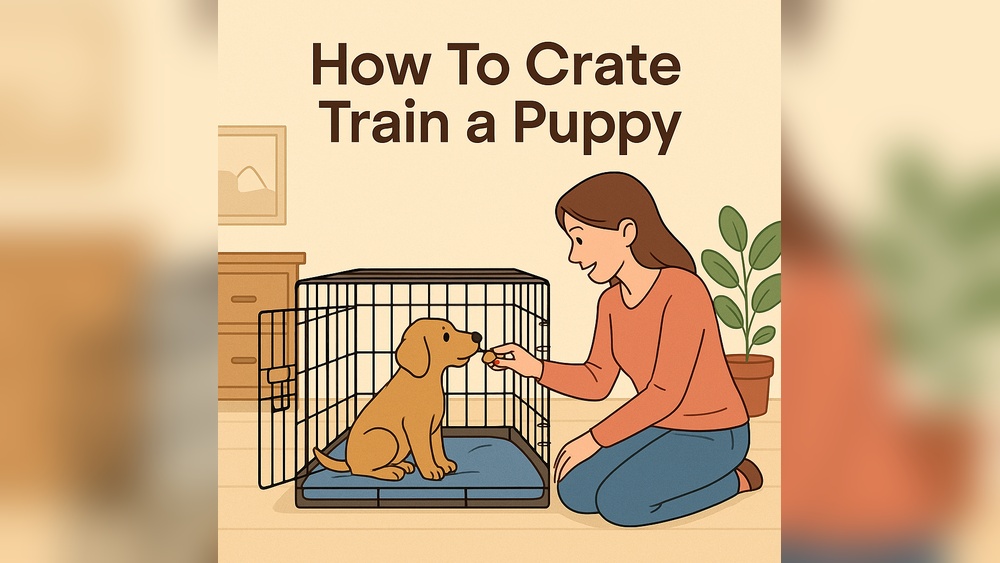
Crate Training Benefits
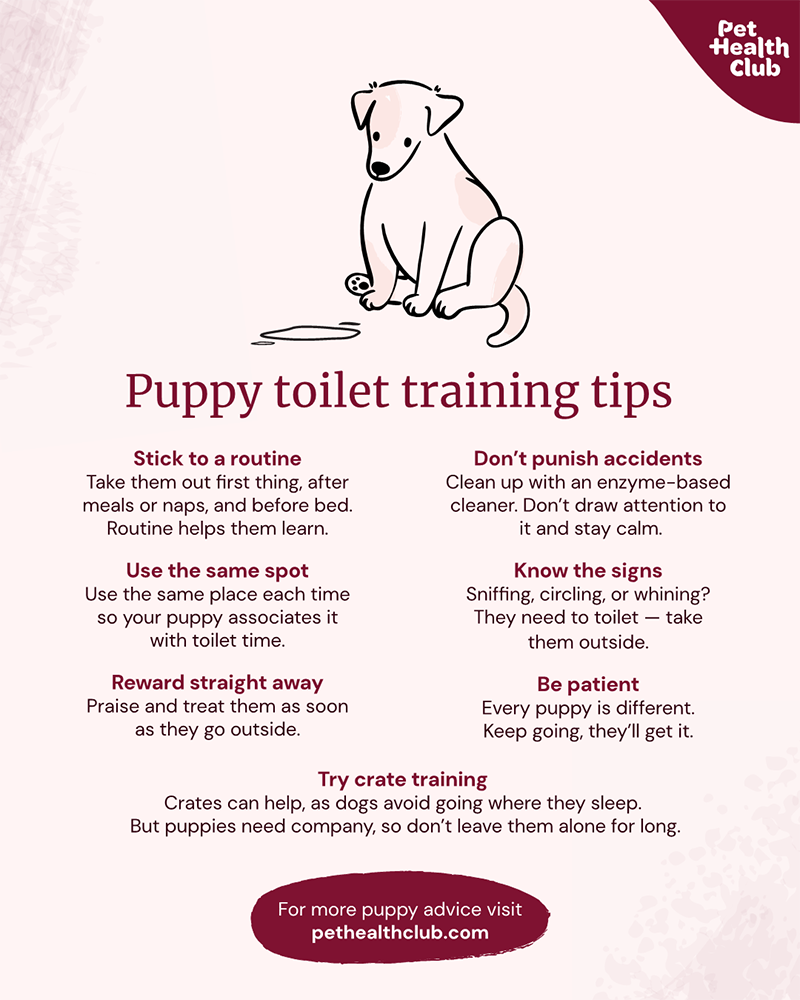
Crate training helps puppies learn bladder control. Dogs naturally avoid soiling their sleeping area. A crate provides a safe, cozy space for your puppy. It also prevents accidents when you cannot watch them closely. This method builds good habits and confidence. Crate training supports a smooth housebreaking process.
Effective Potty Training Methods
Set a regular schedule for bathroom breaks. Take your puppy outside after meals, naps, and playtime. Praise and reward your puppy immediately after they go potty outside. Watch for signs like sniffing or circling. Gently take your puppy outside if you see these signs. Clean accidents with an enzyme cleaner to remove odors. Patience and consistency lead to successful potty training.
Credit: www.woofz.com
Basic Obedience Commands
Teaching basic obedience commands is the first step in puppy training. These commands help puppies learn good behavior and build trust. Simple commands make life safer and more fun for both puppy and owner. Consistency and patience are key. Repeating short lessons daily helps puppies understand faster.
Sit
The “Sit” command is easy and very useful. Hold a treat above your puppy’s nose. Move the treat back slowly over their head. Their bottom will naturally lower. Say “Sit” clearly and gently press their back if needed. Reward with the treat and praise. Practice several times a day for short periods.
Stay
“Stay” teaches your puppy to wait and remain calm. Ask your puppy to “Sit” first. Hold your hand out, palm facing them, and say “Stay.” Step back slowly. If the puppy stays, give a treat and kind words. Increase the distance and time gradually. This command helps avoid accidents and keeps your puppy safe.
Come
The “Come” command brings your puppy to you quickly. Use a happy voice and say “Come” while kneeling or crouching. Show a treat or favorite toy. When your puppy comes, give the treat and lots of praise. Practice in a quiet place first, then try outside. This command can protect your puppy from danger.
Leash Walking Tips
Leash walking is important for control and safety. Start indoors with a short leash. Let your puppy get used to the leash first. Use treats to encourage walking beside you. Keep the leash loose to avoid pulling. Stop walking if the puppy pulls, then try again. Praise good walking to make it a positive experience.
Positive Reinforcement Strategies
Positive reinforcement is a gentle and effective way to train puppies. It helps build trust and encourages good behavior. Using rewards creates a happy learning experience for your puppy.
This method focuses on praising and rewarding desired actions. It makes your puppy want to repeat those behaviors. Patience and consistency are key to success with positive reinforcement.
Using Treats And Praise
Treats are a powerful motivator for puppies. Choose small, tasty treats that your puppy loves. Give a treat immediately after your puppy does the right thing.
Combine treats with verbal praise like “Good job!” or “Well done!” Your tone should be cheerful and warm. This way, your puppy connects the reward with the good behavior.
Use praise and treats together to reinforce commands like “sit” or “stay.” Over time, your puppy will learn to obey without needing a treat every time.
Avoiding Punishment
Punishing a puppy can cause fear and confusion. It may damage your bond and slow training progress. Instead, focus on redirecting bad behavior gently.
Ignore unwanted actions and reward positive ones. For example, if your puppy bites, stop playing and wait calmly. Praise your puppy when it plays nicely again.
Positive reinforcement creates a safe environment for learning. Avoid shouting or physical punishment. This approach helps your puppy feel secure and eager to learn.
Socializing Your Puppy
Socializing your puppy helps build confidence and good behavior. It teaches your puppy how to act around others. Early social experiences shape a calm, friendly adult dog. Start socializing as soon as your puppy is safe to meet others. Careful, positive exposure helps avoid fear and aggression later.
Introducing To People And Pets
Let your puppy meet different people gently. Use calm voices and soft touches. Encourage quiet greetings without rushing. Allow your puppy to sniff and explore at their pace. Introduce other vaccinated pets slowly and safely. Watch body language and step back if your puppy seems scared. Small, happy meetings build trust and friendship.
Handling New Environments
Take your puppy to various places often. Walk on grass, pavement, or inside stores. Let them hear sounds like cars and voices. Keep outings short and fun to avoid stress. Praise your puppy for calm behavior in new spots. New sights and smells make your puppy curious and brave. Regular exposure helps your puppy stay relaxed anywhere.
Dealing With Common Behavior Issues
Dealing with common behavior issues is a key part of puppy training. Puppies explore the world with their mouths and voices. Understanding why these behaviors happen helps manage them better. Patience and consistency are essential. Addressing problems early avoids bigger challenges later.
Chewing And Biting
Puppies chew to relieve teething pain. They also bite to explore and play. Teach them what is okay to chew. Provide plenty of chew toys. When biting occurs, say “no” firmly and offer a toy. Praise them when they chew the right items. Avoid using hands for play to reduce biting.
Excessive Barking
Barking is natural, but too much can be a problem. Puppies bark to get attention or out of fear. Ignore barking that seeks attention. Reward quiet behavior with treats or praise. Create a calm environment to reduce fear barking. Teach a “quiet” command and use it consistently. Regular exercise also helps lower barking.
Advanced Training Tips
Advanced training helps your puppy learn beyond basic commands. It builds a strong bond and improves behavior. These tips make training fun and effective. Patience and consistency remain key. Let’s explore some techniques to enhance training sessions.
Teaching Tricks And Commands
Teaching tricks keeps your puppy’s mind active. Start with simple tricks like “shake” or “roll over.” Use clear words and repeat them often. Reward your puppy with treats or praise. Keep training sessions short, about 5 to 10 minutes. Practice regularly for steady progress. Tricks improve focus and obedience. They also boost your puppy’s confidence.
Using Clicker Training
Clicker training uses a small device that makes a sound. It marks the exact moment your puppy does the right thing. First, teach your puppy that the click means a treat follows. Use the click to tell your puppy “good job.” It helps your puppy learn faster. The sound is clear and easy to understand. Clicker training works well for many commands and tricks. It makes training clear and fun for your puppy.
Maintaining Training Progress
Maintaining training progress is key to raising a well-behaved puppy. Consistency keeps lessons clear and helps your puppy remember commands. Training is not a one-time event but a daily routine.
Without steady effort, your puppy may forget what they learned. Keeping a calm and patient attitude helps your puppy stay motivated. Small, regular sessions work better than long, rare ones.
Regular Practice And Patience
Practice every day. Short sessions of 5 to 10 minutes are ideal. Repeat commands and reward good behavior often. Patience is important. Puppies learn at different speeds. Some may take longer to understand certain commands. Stay calm and keep trying without showing frustration. Your puppy feels your emotions and will respond better to calm training.
Use treats and praise to encourage your puppy. Always end training on a positive note. This helps your puppy enjoy learning and look forward to the next session.
Adjusting Techniques As Needed
Every puppy is unique. Some respond better to certain training methods. Watch your puppy’s reactions closely. Change your approach if something isn’t working. Try different rewards like toys or extra playtime. Use clear, simple commands. Avoid confusing your puppy with too many words.
If your puppy struggles with a command, break it into smaller steps. Gradually build up to the full command. Keep training fun and stress-free. This makes learning easier and faster for your puppy.
Credit: www.pethealthclub.com
Frequently Asked Questions
How Early Should I Start Training My Puppy?
Start training your puppy as soon as you bring them home. Early training builds good habits and prevents bad behavior. Puppies are most receptive between 8 to 16 weeks of age. Consistent, gentle training during this period ensures better results and a well-behaved dog.
What Are The Best Puppy Training Techniques?
Positive reinforcement is the most effective puppy training technique. Reward good behavior with treats, praise, or play. Avoid punishment, as it can cause fear and confusion. Consistency and patience are key. Use short, frequent training sessions to keep your puppy engaged and motivated.
How Do I House Train My Puppy Quickly?
Establish a routine for bathroom breaks, especially after meals and naps. Use a designated potty spot outside. Praise and reward your puppy immediately after they eliminate outside. Supervise indoors to prevent accidents. Clean accidents thoroughly to remove odors and discourage repeat incidents.
How Can I Stop My Puppy From Biting?
Redirect biting to chew toys instead of hands or clothes. Use firm but gentle “no” commands when biting occurs. Praise your puppy for gentle play. Socialize your puppy with other dogs to learn bite inhibition. Consistency and patience are essential to reduce biting over time.
Conclusion
Training your puppy takes time, patience, and love. Consistent practice helps your dog learn good habits. Small steps each day build strong behavior. Praise and rewards encourage your puppy to keep trying. Mistakes are normal; stay calm and guide gently.
Enjoy the journey of growing together with your pet. Happy training leads to a happy, well-behaved dog. Keep these tips close and watch your puppy thrive.