

Bringing a new puppy home is exciting, but it can also feel overwhelming. You want to give your furry friend the best start possible, but where do you begin?
Imagine having simple, proven tips that make training, feeding, and caring for your puppy easier and more enjoyable. You’ll discover practical advice that will help you build a strong bond with your puppy and set them up for a happy, healthy life.
Keep reading—your puppy’s best life starts here.

Credit: pupford.com
Choosing The Right Puppy
Choosing the right puppy is an important step. It shapes your future together. The right choice fits your lifestyle and home. Consider your daily routine and space. Think about how much time you have to care for a puppy. This helps avoid future problems and stress.
Breed Considerations
Different breeds have different needs. Some need more exercise. Others like quiet and calm homes. Big dogs may need more space. Small dogs fit well in apartments. Research breeds that match your life. Think about grooming and activity levels. This helps find a breed you can care for.
Puppy Temperament
Temperament means how a puppy behaves. Some are playful and active. Others are calm and gentle. Meet the puppy before you decide. Watch how it reacts to people and noises. Choose a puppy with a temperament that fits your family. This helps build a happy bond.
Health Checks
Healthy puppies start with good care. Ask the breeder or shelter about vaccinations. Check if the puppy has been dewormed. Look for clear eyes and clean ears. A healthy puppy is active and eats well. Avoid puppies with signs of illness. This keeps your new friend strong and safe.
Preparing Your Home
Preparing your home for a new puppy is an important step. It helps your puppy feel safe and comfortable. It also keeps your home clean and damage-free. Setting up the right space and supplies makes the first days easier for both of you.
Safe Space Setup
Create a small, quiet area for your puppy. Use a crate or a playpen to make a cozy spot. Add a soft bed or blanket. This space helps your puppy rest and feel secure. Avoid noisy or busy places in your home.
Essential Supplies
Gather all needed supplies before your puppy arrives. Get food and water bowls, puppy food, and treats. Choose toys that are safe and fun. Include grooming tools like a brush and nail clippers. Don’t forget a collar and a leash for walks.
Puppy-proofing Tips
Remove small objects that puppies can swallow. Secure electrical cords out of reach. Store cleaning supplies and chemicals in locked cabinets. Block access to stairs or dangerous areas with gates. Check for sharp edges on furniture to avoid injuries.
Basic Training Techniques
Training a new puppy starts with simple, basic techniques. These build good habits early. Clear rules help your puppy learn what is okay and what is not. Training also creates a strong bond between you and your puppy. Patience and consistency make training easier and faster.
Focus on three key areas: housebreaking, teaching commands, and leash training. Each area is important for a well-behaved dog. Small steps each day lead to great results. Keep sessions short and fun to hold your puppy’s attention.
Housebreaking Methods
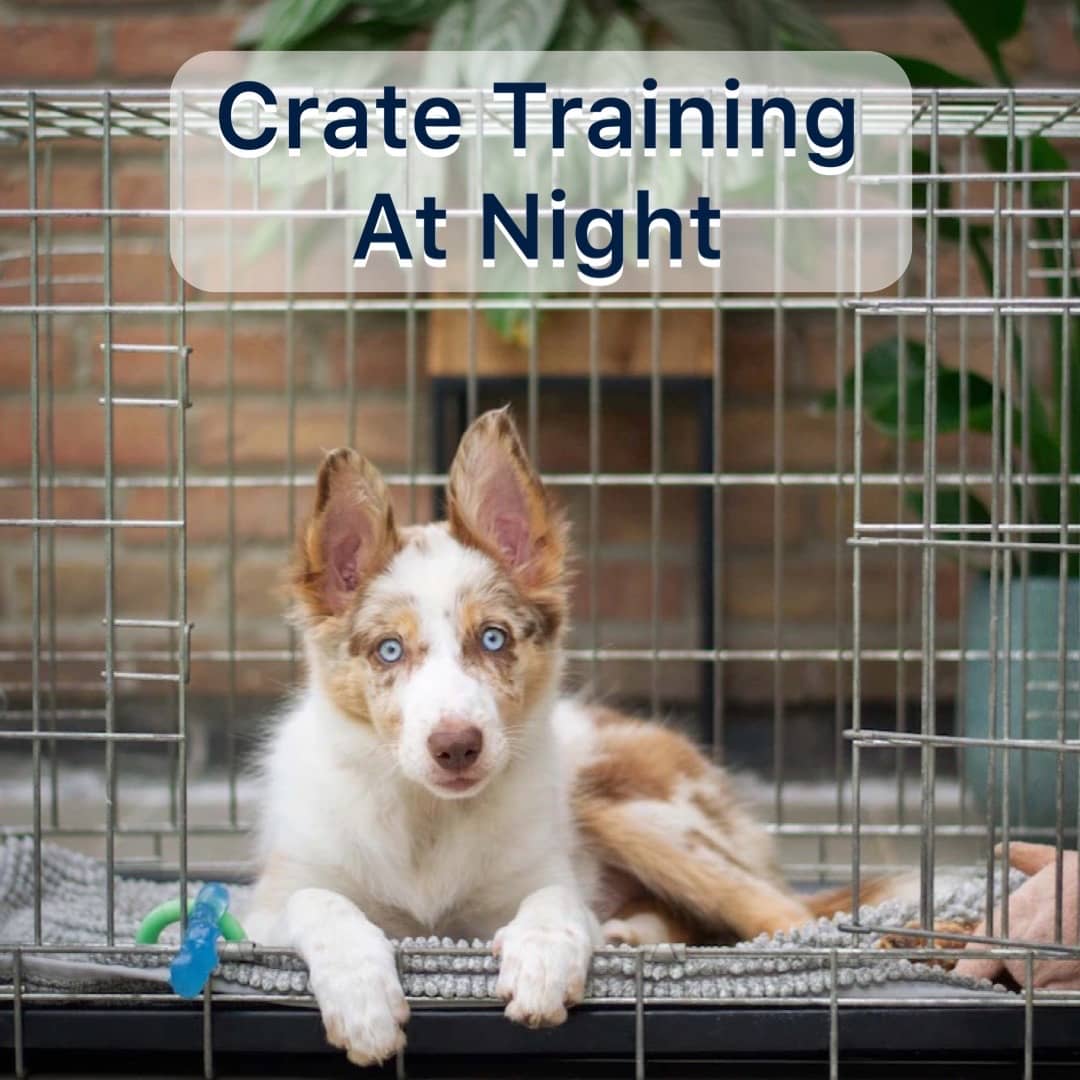
Housebreaking means teaching your puppy where to go potty. Start by setting a regular schedule. Take your puppy outside first thing in the morning and after meals. Choose a quiet spot for bathroom breaks. Praise your puppy right after they go outside. Clean accidents inside without scolding. Use a crate to help control accidents. Crate training teaches your puppy to hold it until outside.
Teaching Commands
Basic commands help your puppy listen and stay safe. Start with simple words like “sit,” “stay,” and “come.” Use treats and praise as rewards. Say the command clearly and gently guide your puppy. Repeat the command several times in short sessions. Practice commands in different places. This helps your puppy understand the words everywhere. Be patient and keep a calm voice.
Leash Training
Leash training teaches your puppy to walk beside you. Begin by letting your puppy wear the leash indoors. Let them get used to the feeling. Take short walks, keeping the leash loose. Stop walking if your puppy pulls. Wait until they relax, then continue. Use treats to reward walking close to you. Practice often to build good leash manners. This makes walks safe and enjoyable for both of you.
Socializing Your Puppy
Socializing your puppy is vital for their growth and happiness. Puppies learn how to behave around people, other dogs, and new places. Good socialization helps reduce fear and aggression. Start socializing early to build confidence and trust. It shapes your puppy into a friendly and well-adjusted dog.
Introducing To People
Let your puppy meet different people in a calm way. Include adults, children, and people wearing hats or glasses. Allow your puppy to approach at their own pace. Praise and reward your puppy for calm behavior. Avoid forcing interactions to prevent fear.
Meeting Other Dogs
Arrange safe meetings with friendly dogs. Choose dogs that are vaccinated and gentle. Keep initial meetings short and positive. Watch your puppy’s body language closely. Stop the interaction if your puppy shows signs of stress.
Handling New Environments
Take your puppy to various places like parks and streets. Let them explore new smells, sounds, and sights. Use a leash to keep your puppy safe. Keep experiences positive by giving treats and praise. Gradually increase the time spent in new settings.
Feeding And Nutrition
Feeding and nutrition are key to a puppy’s growth and health. Puppies need the right food to build strong bones and muscles. Good nutrition supports their energy and helps their immune system. Paying attention to feeding habits sets a foundation for a healthy life.
Choosing The Right Food
Select food made specifically for puppies. Puppy food has more nutrients than adult dog food. Look for brands with high protein and balanced vitamins. Avoid foods with fillers or artificial additives. Consult your vet for the best choice based on breed and size.
Feeding Schedule
Feed your puppy three to four times daily. Smaller, frequent meals help digestion and energy levels. Keep feeding times consistent every day. Measure food portions to avoid overfeeding. Fresh water should always be available alongside meals.
Avoiding Common Mistakes
Do not give puppies human food or scraps. Some foods like chocolate and onions are toxic. Avoid sudden food changes to prevent stomach upset. Skip treats that are high in sugar or fat. Watch your puppy’s weight and adjust portions as needed.
Health And Wellness
Taking care of your new puppy’s health is very important. Healthy puppies grow into happy dogs. Paying attention to their health from the start helps avoid many problems later. Good health means a long, joyful life with your pet.
Vaccination Schedule
Vaccines protect your puppy from many serious diseases. Start vaccinations early, usually at six to eight weeks old. Follow the vet’s advice for the full schedule. Keep a record of all vaccines. This helps ensure your puppy stays safe and healthy.
Regular Vet Visits
Regular check-ups keep your puppy in top shape. Vets check for health issues and growth problems. Early visits help catch sickness before it gets worse. Schedule visits every few months during the first year. This builds a strong foundation for your puppy’s health.
Grooming Basics
Grooming keeps your puppy clean and comfortable. Brush their fur often to avoid mats and tangles. Trim nails carefully to prevent pain or injury. Clean ears and teeth regularly to stop infections. Start grooming early to make your puppy used to it.
Dealing With Common Behavior Issues
New puppies often show common behavior problems. These issues can be tough for owners. Understanding and managing these behaviors early helps build good habits. It also keeps your home peaceful and safe. Here are simple tips to handle some usual puppy problems.
Biting And Chewing
Puppies explore the world with their mouths. They bite and chew to learn and play. This can hurt and damage items. Provide plenty of chew toys to keep them busy. Say “no” firmly if they bite your skin. Praise them when they chew toys, not hands. Consistency helps puppies learn what is okay to bite.
Separation Anxiety
Many puppies feel scared when left alone. They may bark, whine, or chew things. Start by leaving for short times. Return before they get upset. Give a favorite toy or treat to comfort them. Create a safe, quiet space where they feel calm. This helps puppies adjust to being alone slowly.
Excessive Barking
Puppies bark to communicate. Too much barking can bother neighbors and family. Find out why your puppy barks. They might be bored, scared, or need attention. Teach a “quiet” command by rewarding silence. Avoid yelling, which can make barking worse. Regular exercise and play reduce extra energy and noise.

Credit: snugglepuppy.com
Building A Strong Bond
Building a strong bond with your new puppy is the key to a happy life together. This connection helps your puppy feel safe and loved. It also makes training easier and life more fun. Spending quality time and showing care creates trust between you and your puppy.
Here are some simple ways to build that special bond.
Positive Reinforcement
Use treats and praise to reward good behavior. Puppies learn better with kindness. Saying “good job” and offering a small treat helps them know what you like. This method builds confidence and encourages your puppy to repeat good actions.
Avoid punishment. It can scare your puppy and harm trust. Be patient and consistent with rewards.
Playtime Activities
Play is a fun way to connect with your puppy. Choose toys that are safe and fun. Tug-of-war, fetch, and gentle wrestling are great options. Play helps your puppy release energy and learn social skills.
Spend time every day playing. This time strengthens your bond and keeps your puppy happy. Play also teaches your puppy to listen and follow rules.
Consistent Routine
Puppies feel secure with a regular schedule. Feed, walk, and train your puppy at the same times daily. A steady routine helps your puppy understand what to expect.
Consistency reduces stress and builds trust. Your puppy learns to depend on you. This trust makes your bond stronger and life easier for both of you.
Credit: www.durapaw.ca
Frequently Asked Questions
How Do I Prepare My Home For A New Puppy?
Clear hazardous items and create a safe space for your puppy. Gather essentials like food, water bowls, toys, and a bed. Puppy-proof your home to prevent accidents and damage. This ensures a smooth transition and a comfortable environment for your new pet.
What Are The Best Training Tips For A New Puppy?
Start with basic commands like sit, stay, and come. Use positive reinforcement and treats to encourage good behavior. Be consistent with training sessions and keep them short. Early training builds a strong foundation for a well-behaved dog.
How Often Should I Feed My New Puppy?
Feed your puppy three to four times daily, adjusting portions by age and breed. Use high-quality puppy food to support growth. Regular feeding schedules help regulate digestion and prevent overeating, promoting healthy development.
When Should I Start Socializing My Puppy?
Begin socialization as early as 3 weeks old, continuing through 14 weeks. Introduce your puppy to various people, animals, and environments gradually. Proper socialization reduces fear and aggression, fostering a confident and friendly dog.
Conclusion
Caring for a new puppy takes time and patience. Start with basic training and gentle guidance. Give your puppy love and a safe space to grow. Regular feeding and exercise help build good habits. Watch your puppy closely and learn their needs.
Small steps each day create a happy, healthy dog. Enjoy every moment with your new furry friend. Puppies bring joy and teach us kindness. Keep learning and stay consistent for best results. Your puppy’s future depends on your care today.


