
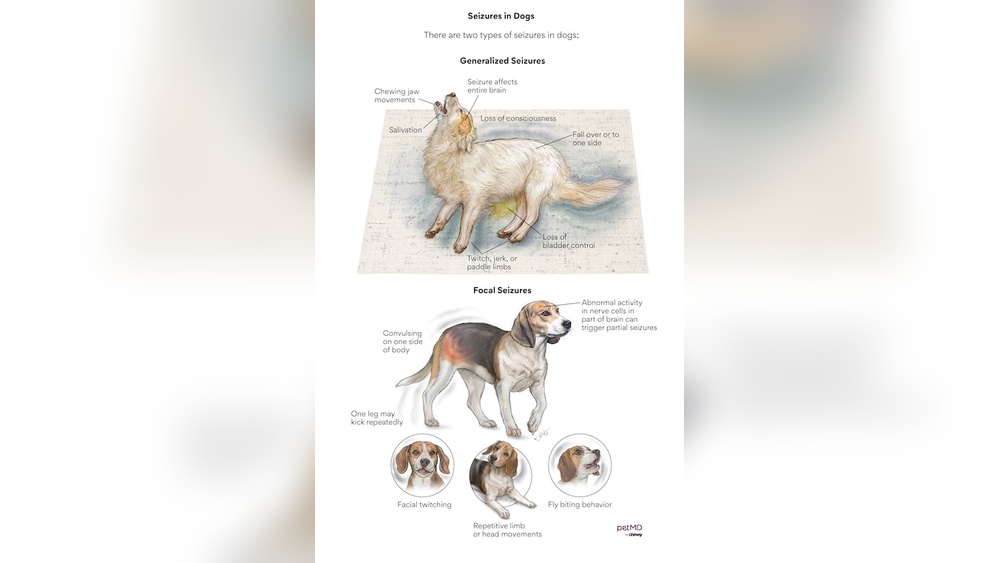
If your dog has ever experienced a seizure, you know how scary it can be. But what happens right after the seizure?
Understanding your dog’s behavior during this time can help you care for them better and reduce your worries. You’ll discover the common signs your dog might show after a seizure and learn what you can do to support them. Keep reading to find out how to help your furry friend bounce back and feel safe again.

Credit: canna-pet.com
Post-seizure Symptoms
After a seizure, dogs often show clear signs that something has changed. These signs help owners understand their pet’s condition and needs. Watching carefully helps with quick care and comfort.
Post-seizure symptoms vary. They can affect the body and mind. Recognizing these symptoms is key to providing the best help.
Physical Signs
Dogs may appear tired or weak after a seizure. They might have trouble standing or walking. Some dogs shake or tremble. Excessive drooling can happen. Eyes may look glazed or unfocused. Muscle stiffness or twitching is common. Sometimes, dogs vomit or lose control of their bladder. These signs usually last a few minutes to hours.
Behavioral Changes
Behavior can shift noticeably after a seizure. Dogs may seem confused or disoriented. They might pace or wander without purpose. Some dogs hide or avoid people. Increased clinginess or need for comfort occurs. A normally calm dog can become restless or anxious. Appetite changes are common, either eating less or more. These changes help indicate the dog’s recovery stage.

Credit: www.dutch.com
Common Post-seizure Behaviors
After a seizure, dogs often show clear signs of change in their behavior. These behaviors help owners understand what the dog is experiencing. Recognizing common post-seizure behaviors aids in providing proper care and comfort.
Each dog may react differently, but many share similar symptoms. These behaviors usually last minutes to hours after the seizure ends. Watching for these signs can help ensure the dog’s safety and well-being.
Disorientation And Confusion
Dogs often seem lost or unsure of their surroundings. They may stare blankly or walk in circles. This confusion is normal after a seizure. It takes time for their brain to recover from the event.
Restlessness And Agitation
Some dogs pace or seem unable to settle down. They may whine or bark without clear reason. Restlessness shows the dog feels uneasy or stressed. Giving a calm space helps them relax.
Excessive Sleepiness
Many dogs become very tired after a seizure. They may sleep more than usual or seem weak. This sleep helps the brain heal. Allowing plenty of rest supports recovery.
Temporary Blindness Or Sensory Issues
Dogs might have trouble seeing or hearing clearly. Their senses can feel dull or off for a short time. This is due to the brain’s temporary disruption. These issues typically improve quickly with care.
How Seizures Affect Dogs Emotionally
Seizures can deeply impact a dog’s emotional state. These episodes are not just physical events. They create confusion and stress for dogs. After a seizure, dogs may show clear signs of emotional distress. Understanding these changes helps owners support their pets better. Emotional effects vary but often include anxiety and changes in attachment.
Anxiety And Fear
Dogs often feel anxious after seizures. The sudden loss of control is frightening. They may hide or avoid people. Noise and movement can increase their fear. Some dogs shake or whimper. Anxiety may last minutes or hours. It can make recovery harder. Owners should provide a calm space. Quiet and gentle care can ease fear.
Attachment And Seeking Comfort
Many dogs become more attached after seizures. They seek closeness to their owners. This need for comfort is normal. Dogs may follow you more than usual. They want to feel safe and secure. Physical touch helps calm them down. Patience and gentle reassurance are key. This behavior shows trust and a need for support.
Immediate Care After A Seizure
After a dog has a seizure, immediate care is very important. The moments following a seizure can be confusing and scary for both the dog and the owner. Knowing what to do can help your dog feel safe and recover more quickly. This section explains simple steps to take right after a seizure ends.
Ensuring Safety
Check the area around your dog for any hazards. Remove sharp or hard objects nearby. Keep your dog on the floor to prevent falls. Do not try to hold your dog down. Let your dog rest in a quiet, safe place. Make sure the room is calm and free from loud noises.
Calming Techniques
Speak softly to your dog to help calm them. Gentle petting can provide comfort but watch for signs of stress. Avoid sudden movements that might startle your dog. Allow your dog to lie down and relax. Keep the environment peaceful to reduce anxiety.
When To Contact A Vet
Call your vet if the seizure lasts more than five minutes. Reach out if your dog has multiple seizures in a day. Contact your vet if your dog does not fully recover. Seek help if your dog shows breathing problems or confusion. Always ask your vet about any concerns after a seizure.
Long-term Management
Managing a dog’s behavior after seizures requires careful, ongoing attention. Long-term care helps keep your dog safe and comfortable. It also reduces the chances of future seizures. This care involves medicines, changes in daily life, and close watch for signs of trouble.
Medication And Monitoring
Medication often plays a key role in controlling seizures. Your vet will prescribe drugs to lower seizure frequency. It is important to give medicine exactly as directed. Skipping doses can cause seizures to return or get worse.
Regular check-ups help track your dog’s response to medication. Blood tests may be needed to check drug levels. Adjustments in medicine may be necessary to find the right balance.
Adjusting Daily Routine
Keeping a calm and steady routine helps dogs feel safe. Avoid sudden loud noises or stressful situations. Provide a quiet place for rest during recovery after a seizure.
Exercise should be gentle and regular. Too much activity can stress your dog, but no exercise can cause health problems too. Feeding times should be consistent to avoid stomach upset or stress.
Recognizing Warning Signs
Knowing early signs of seizures can save your dog’s life. Watch for unusual behaviors like staring, twitching, or shaking. Restlessness or confusion may also signal a seizure coming.
Keep a diary of these signs and share it with your vet. Quick action can prevent serious injury or complications. Your careful observation is a crucial part of long-term care.
Supporting Recovery Through Environment
Supporting a dog’s recovery after a seizure needs care and patience. The environment plays a big role in helping your dog feel safe and calm. A peaceful space helps reduce fear and stress. This support can speed up healing and improve your dog’s well-being.
Creating A Comfortable Space
Set up a quiet, cozy area for your dog to rest. Use soft bedding and keep the space warm. Avoid bright lights and loud noises. This helps your dog relax and feel secure. Keep the area clean to prevent infections. Make sure water and food are nearby but not too close.
Minimizing Stress Triggers
Identify things that upset your dog and keep them away. Loud sounds, sudden movements, or strange visitors can cause stress. Keep daily routines steady and predictable. Gentle talking and calm actions help your dog stay calm. Reduce excitement and rough play during recovery. Stress can make seizures happen more often.
When To Seek Professional Help
Recognizing when to seek professional help after your dog has a seizure is very important. Some signs show an emergency, while others suggest your dog needs a check-up. Knowing these signs helps your dog get the right care fast. This keeps your dog safe and comfortable during recovery.
Emergency Symptoms
Call a vet immediately if your dog has a seizure lasting more than five minutes. Also, seek help if your dog has another seizure soon after the first. Difficulty breathing or loss of consciousness are urgent signs. Excessive drooling or foaming at the mouth needs quick attention. Any injury during the seizure, such as bleeding or broken bones, is an emergency. Acting fast can save your dog’s life.
Behavioral Changes Requiring Attention
Watch for confusion or disorientation lasting hours after a seizure. If your dog becomes unusually aggressive or fearful, get help. Loss of appetite or refusal to drink water can signal problems. Sudden weakness or difficulty walking after a seizure is concerning. Persistent pacing or restlessness may mean pain or discomfort. These changes show your dog needs a vet’s care soon.

Credit: www.smalldoorvet.com
Frequently Asked Questions
What Behaviors Do Dogs Show After A Seizure?
After a seizure, dogs may appear confused, restless, or disoriented. They might pace, whine, or seek comfort. Some dogs also experience temporary blindness or fatigue. These behaviors usually last minutes to hours as they recover fully.
How Long Does Post-seizure Recovery Take In Dogs?
Most dogs recover within a few minutes to several hours post-seizure. However, full recovery can sometimes take up to 24 hours. The duration depends on seizure severity and the dog’s overall health.
Can Dogs Have Mood Changes After Seizures?
Yes, dogs often show mood changes like anxiety, irritability, or clinginess after seizures. These changes result from brain activity disruption during the seizure and usually improve over time with care.
Should I Limit My Dog’s Activity After A Seizure?
Yes, limiting activity post-seizure is important. Rest helps your dog recover and prevents injury. Avoid strenuous exercise until your vet confirms it’s safe to resume normal activity.
Conclusion
Dogs act differently after seizures. They may seem tired or confused. Some dogs want comfort and closeness. Others might hide or feel scared. Watch your dog’s behavior closely. Give them calm and quiet space. Keep notes to share with your vet.
Understanding post-seizure signs helps care better. Patience and love make recovery easier. Your dog needs time to heal. Stay gentle and supportive every day.

