

Traveling with your large dog can be a wonderful adventure, but it also brings unique challenges you need to prepare for. If you want your trip to be smooth and enjoyable, knowing how to handle your big furry friend on the road is key.
From packing the right gear to finding pet-friendly places, this guide will help you make the best choices. Keep reading to discover simple tips that will make traveling with your large dog easier and stress-free for both of you.
Credit: charlesandhudson.com
Preparing For The Trip
Traveling with a large dog takes some planning. Preparation helps make the trip smooth and fun for both of you. Knowing what to do ahead saves stress and surprises.
Choosing Dog-friendly Destinations
Pick places where dogs are welcome. Parks, beaches, and trails with open spaces suit big dogs well. Check rules about dogs in public areas. Choose spots with shade and water access. Avoid places with too much heat or rough terrain.
Booking Pet-friendly Accommodations
Find hotels or rentals that allow large dogs. Read their pet policies carefully. Some places may have size or weight limits. Look for rooms with easy outside access. Ask about nearby walking areas. Confirm extra fees or deposits before booking.
Packing Essentials For Large Dogs
Bring your dog’s favorite food and treats. Carry enough water and a bowl for drinks. Pack a sturdy leash and collar with ID tags. Include a comfortable bed or blanket. Don’t forget poop bags and cleaning wipes. Bring toys to keep your dog calm and happy.

Credit: www.amazon.com
Travel Safety Tips
Traveling with a large dog needs careful planning for safety. Dogs can get scared or restless during trips. Keeping them secure helps prevent accidents and stress. Safety tips make journeys smoother and more fun for both of you.
Securing Your Dog In Vehicles
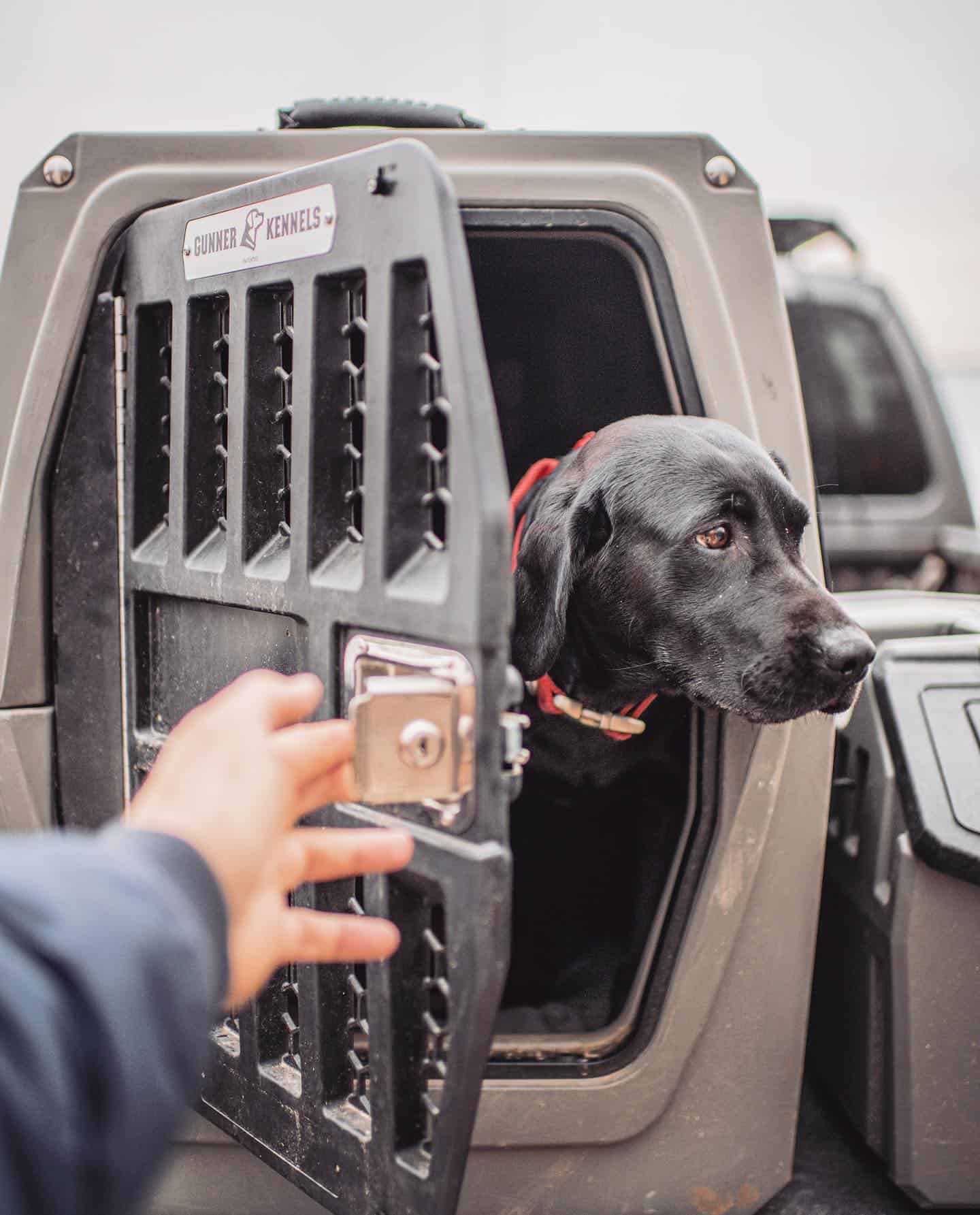
Keep your dog safe by securing them during car rides. Use a crate or a dog barrier to keep them in one place. This stops distractions while driving. It also protects your dog if you stop suddenly. Make sure the crate is big enough for your dog to stand and turn around.
Using Proper Restraints
Use harnesses or seat belts designed for dogs. These keep your dog from moving too much in the car. Regular seat belts do not work for dogs. A proper dog restraint reduces injury risk in crashes. Always check that the harness fits well and is comfortable.
Managing Breaks And Exercise
Take breaks every two hours on long trips. Let your dog stretch, walk, and relieve itself. Exercise helps reduce anxiety and restlessness. Choose safe, quiet spots away from traffic. Keep your dog on a leash during breaks to avoid running off.
Health And Comfort
Traveling with a large dog needs special care for health and comfort. Big dogs have different needs than small dogs. Keeping your dog healthy and comfortable makes the trip better for both of you. Pay attention to their body, food, and feelings during the journey.
Pre-trip Vet Checkups
Visit the vet before the trip. Check your dog’s overall health. Make sure vaccinations are up to date. Ask the vet about any travel concerns. Get advice on medications if needed. This helps avoid health problems on the road.
Hydration And Nutrition On The Road
Keep fresh water available at all times. Large dogs need more water during travel. Offer water regularly, even if your dog does not ask. Pack your dog’s usual food. Avoid sudden changes in diet. Feed small meals to prevent stomach upset.
Handling Motion Sickness
Some large dogs feel sick in cars. Watch for signs like drooling or whining. Stop the car for breaks if needed. Try to keep your dog calm and still. Talk softly to help soothe anxiety. Consult your vet for motion sickness remedies.

Credit: www.flywithmypet.com
Behavior And Training
Traveling with a large dog can be a joyful experience. Good behavior and training play a big role in making trips smooth. Dogs that understand travel rules feel safer and more relaxed. Training your dog before travel helps avoid many problems. It also makes the journey more fun for both of you.
Socializing Your Dog During Travel
Meeting new people and animals helps your dog stay calm. Socializing teaches your dog how to behave in different places. Start by visiting parks or pet-friendly spots. Let your dog see new sights and sounds. Watch your dog’s reactions and offer praise for calm behavior. This practice builds confidence and reduces fear on trips.
Managing Anxiety And Stress
Travel can be scary for some dogs. Signs of stress include barking, whining, or shaking. Create a calm space for your dog in the car or plane. Bring familiar toys and blankets to comfort your dog. Use gentle petting and soft voices to soothe anxiety. Keep a steady routine with feeding and bathroom breaks. These steps lower stress and make travel easier.
Training For Basic Travel Commands
Simple commands make travel safer and easier. Teach your dog to “sit,” “stay,” and “come” before traveling. Practice “leave it” to avoid distractions on the road. Use treats and praise to encourage good behavior. Training helps your dog listen even in new places. Clear commands keep your dog under control during trips.
Navigating Airports And Flights
Traveling with a large dog through airports and flights takes extra care. Airports can be busy and noisy places. This can stress your dog. Planning well helps keep your dog calm and safe. Knowing the rules and steps makes the journey easier for both of you.
Preparing For Airport Security
Arrive early to avoid rushing. Large dogs need extra time at security checkpoints. Carry your dog’s health papers and vaccination records. These documents may be required for travel. Use a strong leash and collar to keep control. Let security staff know you have a large dog. Stay calm to help your dog feel safe. Remove any metal tags or collars before screening.
Choosing Between Cabin And Cargo
Most airlines allow only small dogs in the cabin. Large dogs usually travel in the cargo hold. Check airline policies before booking. Cargo areas are temperature controlled but still can be stressful. Use a sturdy crate labeled with your contact information. Make sure your dog fits comfortably inside. Cabin travel keeps your dog near you. Cargo travel requires careful preparation for safety.
Tips For Smooth Air Travel
Feed your dog a small meal a few hours before the flight. Avoid giving water right before boarding. Exercise your dog well before heading to the airport. Bring familiar toys or blankets for comfort. Dress your dog in a visible collar or harness. Speak softly and reassure your dog during the trip. Stay patient and watch for signs of stress. Always follow airline and airport rules closely.
Exploring New Places
Exploring new places with a large dog can be a joyful experience. It brings fresh sights and smells for both of you. Planning ahead makes the adventure smooth and fun. Knowing where to go and what to do is key.
Finding Dog-friendly Activities
Choose parks, trails, and beaches that welcome dogs. Many cities offer special dog parks and walking paths. Look for outdoor cafes where dogs can sit beside you. Check local listings for dog-friendly tours or events. These activities keep your dog happy and active.
Respecting Local Rules And Etiquette
Each place has its own rules for dogs. Always keep your dog on a leash if required. Clean up after your dog to keep areas clean. Be quiet if your dog barks, so you do not disturb others. Respect signs and follow local pet laws. Good manners help you and your dog be welcome everywhere.
Keeping Your Dog Safe Outdoors
Watch your dog closely around water and wildlife. Carry fresh water and a bowl to keep your dog hydrated. Use tick and flea prevention to avoid pests. Avoid hot pavement that can hurt your dog’s paws. Bring a first aid kit for small injuries. Safety lets your dog enjoy the outdoors without problems.
Handling Emergencies
Traveling with a large dog can be fun and rewarding. Still, emergencies can happen anytime. Being ready helps keep your dog safe and calm. You must know what to do if problems arise during your trip. This section covers key tips for handling emergencies with your big dog.
Locating Nearby Vets
Find vets near your travel route before you leave. Use apps or websites to search for animal clinics. Save their addresses and phone numbers on your phone. Ask locals or pet stores for vet recommendations. Knowing where to go saves time during emergencies. It helps you get quick care for your dog.
First Aid Essentials
Carry a pet first aid kit on every trip. Include bandages, antiseptic wipes, tweezers, and scissors. Pack your dog’s medical records and any medicines. Learn basic first aid steps like cleaning wounds and stopping bleeding. Having these tools helps you act fast if your dog gets hurt.
Dealing With Unexpected Situations
Stay calm and keep your dog calm too. Use a leash or carrier to control your dog safely. Check your dog for injuries or signs of distress. Contact a vet immediately if your dog shows serious symptoms. Always have emergency numbers ready. Quick action can prevent problems from getting worse.
Frequently Asked Questions
What Are The Best Travel Tips For Large Dogs?
Plan frequent breaks for exercise and bathroom needs. Use a spacious, secure crate or harness. Bring familiar toys and bedding to comfort your dog. Keep fresh water and food handy. Check pet-friendly accommodations and transport policies in advance.
How To Prepare A Large Dog For Long Trips?
Start with short practice drives to reduce anxiety. Train your dog to stay calm in the crate or car seat. Pack essential items like food, water, leash, and medical records. Visit the vet for a health check before traveling.
What Travel Gear Suits Large Dogs Best?
Choose a sturdy, well-ventilated crate or a large harness with seatbelt attachment. Use portable water bowls and leash extensions. Consider cooling mats for hot weather. Pack waste bags and grooming wipes for cleanliness on the go.
Can Large Dogs Fly Safely On Airplanes?
Yes, with proper preparation and airline approval. Use an airline-approved crate sized for comfort. Confirm health certificates and vaccinations are up-to-date. Notify the airline about your dog’s size and breed restrictions. Avoid sedatives unless advised by a vet.
Conclusion
Traveling with a large dog takes extra planning and care. Choose pet-friendly places that welcome big dogs. Keep your dog comfortable with breaks and water. Use proper gear like sturdy leashes and harnesses. Stay calm and patient during your trip.
Enjoy the adventure together and make great memories. Safe travels bring happy dogs and happy owners.

