

Have you ever thought about turning your love for dogs into a meaningful career? Becoming a therapy dog trainer lets you do just that.
You get to help dogs become comforting companions for people who need support the most. But how do you start? What skills do you need? This guide will walk you through every step, making it simple and clear. By the end, you’ll know exactly how to train therapy dogs and make a real difference in lives—both furry and human.
Ready to find out how? Keep reading.
Role Of A Therapy Dog Trainer
A therapy dog trainer plays a very important role in the success of therapy dogs. They prepare dogs to work with people who need comfort and support. Their work goes beyond basic training. They teach dogs how to behave in many settings, such as hospitals, schools, and nursing homes.
The trainer also guides dog owners on how to care for and handle therapy dogs. This ensures the dogs stay calm and gentle during visits. A good trainer helps build trust between dogs and clients. This trust is key for effective therapy sessions.
Key Responsibilities
Therapy dog trainers teach dogs to stay calm around strangers. They train dogs to respond to commands quickly and kindly. Trainers check the dog’s behavior before and after each visit. They also help owners understand the dog’s needs and limits.
Trainers must ensure dogs do not get stressed or tired. They plan training sessions that focus on social skills and obedience. Trainers also keep records of each dog’s progress and health.
Impact On Therapy Dogs And Clients
Well-trained therapy dogs bring comfort and joy to many people. Trainers help dogs become confident and friendly. This makes dogs ready to visit hospitals and schools safely.
Clients feel calm and happy around therapy dogs. The trainer’s work helps dogs connect with people emotionally. This connection can reduce stress and loneliness in clients. Therapy dog trainers make a positive difference in many lives.
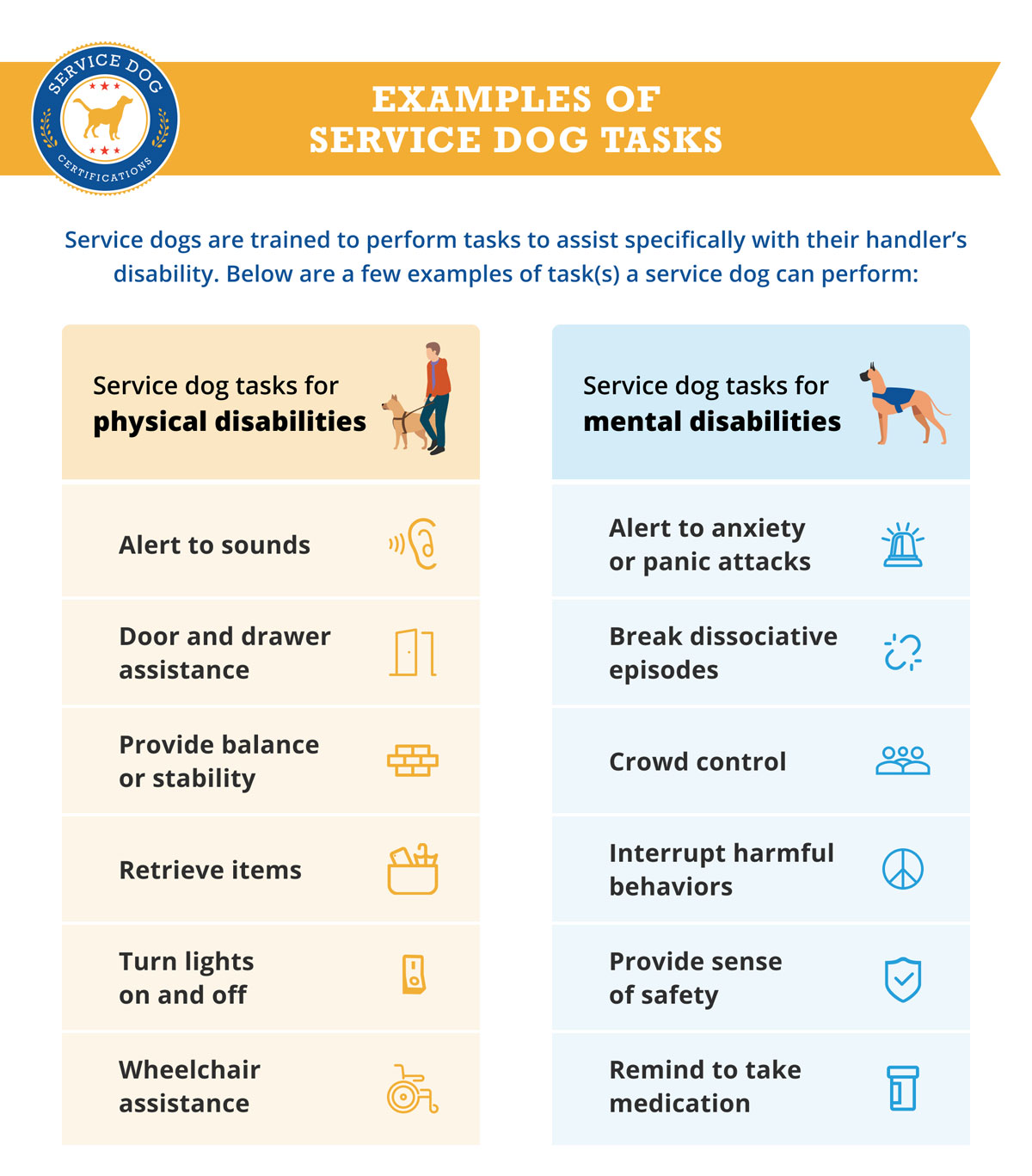
Credit: www.servicedogcertifications.org
Qualities Of A Successful Trainer
Successful therapy dog trainers share important qualities. These traits help trainers guide dogs with care and skill. Understanding these qualities helps you become a better trainer.
Patience And Compassion
Patience is key in training therapy dogs. Dogs learn at different speeds. Some may need extra time to understand commands.
Compassion helps trainers connect with their dogs. It builds trust and a strong bond. Gentle encouragement motivates dogs to do their best.
Knowledge Of Canine Behavior
Knowing how dogs think and act is crucial. It helps trainers read dogs’ signals and emotions. Trainers can adjust methods based on each dog’s needs.
Understanding dog behavior prevents problems and keeps training safe. It makes sessions more effective and enjoyable for both trainer and dog.
Educational Pathways
Educational pathways form the base for becoming a skilled therapy dog trainer. They provide knowledge and skills needed to train dogs properly. Learning about dog behavior and training methods is essential. Education also helps in understanding the needs of therapy dogs and their handlers.
Choosing the right courses and programs shapes your expertise. It builds confidence and improves your ability to work with different dogs. Education also opens doors to certification, which adds credibility and trust.
Relevant Courses And Certifications
Enroll in courses focused on animal behavior and dog training. Basic obedience training classes teach important commands and techniques. Look for certifications from recognized organizations in therapy dog training. These certificates prove your skills and commitment. Some popular certifications include those from the International Association of Canine Professionals and Therapy Dogs International.
Specialized Training Programs
Specialized programs focus on therapy dog skills and handler education. They cover topics like dog socialization, stress management, and client interaction. Training programs often include hands-on practice with dogs. These programs help trainers understand therapy dog roles in hospitals and schools. Completing specialized training improves your ability to prepare dogs for therapy work.
Gaining Practical Experience
Gaining practical experience is a key step to become a therapy dog trainer. Hands-on work helps build skills and confidence. It allows you to understand dog behavior and training techniques deeply. Experience also helps you connect with therapy dogs and their handlers better. This section covers ways to get real-world experience in this rewarding field.
Volunteering Opportunities
Volunteering is a great way to start practical training. Many organizations need help with therapy dog visits. You can assist trainers during sessions or care for dogs. This work shows you how therapy dogs interact with people. It also teaches patience and communication skills. Volunteering helps you see the impact of therapy dogs firsthand. Most places welcome beginners eager to learn. Start by contacting local hospitals, nursing homes, or schools.
Internships And Apprenticeships
Internships and apprenticeships offer deeper learning experiences. They provide a chance to work closely with experienced trainers. You observe training methods and help with daily tasks. These roles often include teaching basic commands and socializing dogs. You gain valuable feedback to improve your skills. These programs may last weeks or months. They prepare you for independent work as a therapy dog trainer. Many trainers and organizations offer such opportunities. Reach out to find openings near you.
Training Therapy Dogs
Training therapy dogs requires patience and clear steps. Each dog needs to learn skills that help them be calm and kind. This training builds trust between the dog and the people they will help.
Therapy dogs must be gentle, well-behaved, and ready to work in different places. Training starts with simple commands and grows into more focused skills. The goal is to prepare dogs for visits to hospitals, schools, and nursing homes.
Basic Obedience Skills
Start training with simple commands like sit, stay, and come. These skills keep the dog safe and controlled. Teach dogs to walk nicely on a leash. They should not pull or get distracted easily. Good obedience helps dogs stay calm in busy places.
Socialization Techniques
Expose dogs to many people and environments. Let them meet children, adults, and seniors in quiet settings first. Gradually introduce loud noises and busy places. This helps dogs stay calm during therapy visits. Friendly, relaxed dogs make better therapy partners.
Assessing Suitability For Therapy Work
Not all dogs are fit for therapy work. Watch how a dog reacts to new people and noises. Look for calmness, friendliness, and patience. Avoid dogs that are shy or aggressive. Testing helps ensure the dog can handle therapy tasks safely.

Credit: www.goldstardog.com
Building A Client Base
Building a client base is a key step to succeed as a therapy dog trainer. Without clients, your skills and services cannot reach those who need them. Growing your client list takes time and effort. It requires clear strategies and consistent work. Focus on forming strong relationships and spreading the word about your services. This will help you attract more clients and build trust in your community.
Networking With Organizations
Connect with hospitals, nursing homes, schools, and community centers. These places often seek therapy dog trainers for support programs. Attend local events and meetings related to pet therapy or animal care. Introduce yourself and explain your services clearly. Offer to give demonstrations or free talks. Building trust with these organizations can lead to steady client referrals. Stay in touch regularly to maintain good relationships.
Marketing Your Services
Create simple marketing materials like flyers and business cards. Use clear language and include your contact details. Share your work on social media platforms with local groups. Ask satisfied clients to give testimonials you can share. Consider a basic website to showcase your training approach. Advertise in local newspapers or community boards. Consistent and honest marketing helps people recognize your service and reach out.
Maintaining Certification And Skills
Maintaining certification and skills is essential for therapy dog trainers. It ensures trainers stay effective and knowledgeable. Regular skill updates help trainers support their dogs better. Certification must be kept current to meet industry standards. This section covers how to maintain these important credentials.
Continuing Education
Continuing education keeps trainers sharp and informed. Courses, workshops, and seminars teach new training methods. Trainers learn about animal behavior and health updates. Ongoing education improves trainer confidence and skills. It also helps trainers handle different dog temperaments.
Staying Updated With Industry Standards
Industry standards change as new research appears. Trainers must follow the latest guidelines for safety and care. Staying updated protects both the dog and the people they visit. Joining professional groups helps trainers receive important news. Regularly reviewing standards ensures trainers meet all requirements.

Credit: ridgesidek9.com
Frequently Asked Questions
What Qualifications Are Needed To Become A Therapy Dog Trainer?
To become a therapy dog trainer, you need experience in dog training and knowledge of canine behavior. Certifications in dog training and therapy dog handling are highly recommended for credibility and effectiveness.
How Long Does It Take To Train A Therapy Dog?
Training a therapy dog typically takes 6 to 12 months. It involves obedience training, socialization, and specific therapy skills to ensure the dog is calm and well-behaved in various environments.
What Skills Should A Therapy Dog Trainer Have?
A therapy dog trainer should have patience, strong communication skills, and a deep understanding of dog behavior. They must be able to teach both dogs and handlers effectively.
Can Anyone Become A Therapy Dog Trainer?
Yes, with proper training and certification, anyone passionate about dogs and therapy work can become a therapy dog trainer. Commitment and continuous learning are essential.
Conclusion
Becoming a therapy dog trainer takes patience and care. Start by learning about dog behavior and training methods. Practice regularly with different dogs to build your skills. Join a therapy dog organization to gain experience and support. Always focus on the safety and comfort of the dogs and people involved.
This path brings joy and helps many lives. Keep your passion strong and enjoy the journey ahead.


