Have you ever wondered if your dog can use a litter box like a cat? Training a dog to use a litter box might sound unusual, but it could be a game-changer for your home.
Imagine the convenience of never worrying about your dog’s bathroom habits indoors again. If you’ve struggled with house training or live in an apartment without easy outdoor access, this idea might just be what you need. Keep reading to discover whether litter box training your dog is possible, how to start, and what challenges you might face along the way.
Your dog’s comfort—and your peace of mind—could be closer than you think.
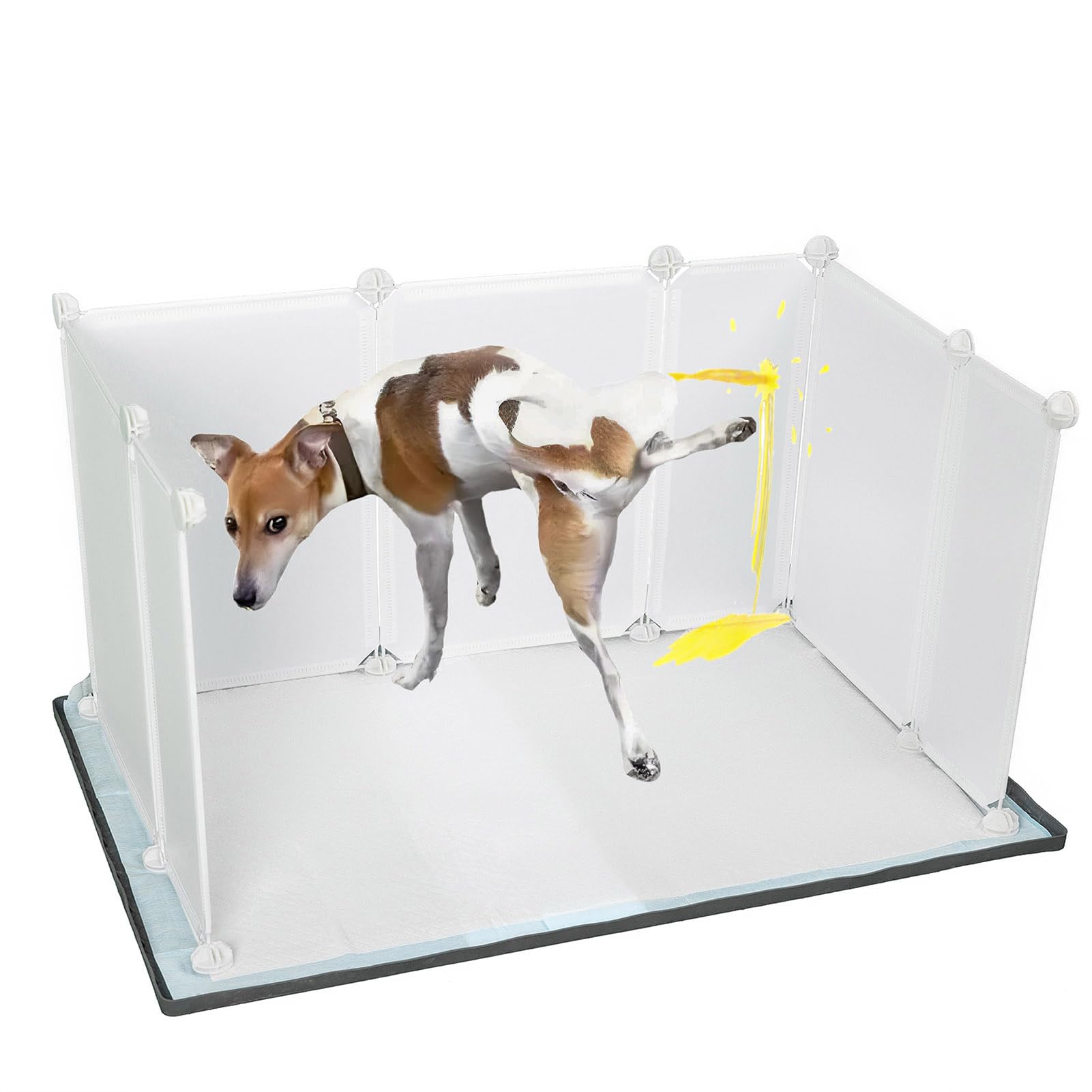
Credit: www.amazon.com
Benefits Of Litter Box Training Dogs
Litter box training dogs offers many benefits for pet owners and pets alike. It helps keep homes clean and reduces accidents. Training dogs to use a litter box can save time and energy in daily care. This method suits small dogs and those living in apartments well.
Using a litter box also provides comfort for dogs during bad weather or at night. It supports pets with mobility issues or health problems. Overall, litter box training creates a neat and stress-free environment for dogs and owners.
Hygiene And Cleanliness
Litter box training keeps the house cleaner. Dogs learn to use one spot for bathroom needs. This reduces odors and messes inside the home. It also lowers the chances of stains on carpets or floors. Maintaining hygiene becomes easier with a dedicated bathroom area.
Convenience For Owners
Owners save time cleaning up accidents. No need to rush outside during bad weather. Litter boxes offer a quick solution for busy schedules. It allows dogs to relieve themselves anytime indoors. This convenience suits people with tight routines.
Comfort And Safety For Dogs
Dogs feel safe with a consistent bathroom spot. They do not have to wait long to go outside. This is helpful for puppies and older dogs. It prevents stress caused by holding urine too long. Dogs with health issues benefit from easy access too.
Suitable For Small Spaces
Small homes or apartments often lack outdoor access. Litter boxes give dogs a proper place indoors. This method fits limited living spaces well. It helps urban pet owners manage dog care effectively. Dogs adjust quickly to indoor bathroom routines.

Credit: www.amazon.com
Choosing The Right Litter Box
Choosing the right litter box is very important for training your dog. The right box makes your dog comfortable and helps keep your home clean. It also makes the training process easier and faster.
Dogs need a litter box that fits their size and is easy to reach. The material inside the box should feel good for your dog’s paws. This helps your dog want to use the box regularly.
Size And Accessibility
Pick a litter box that is big enough for your dog. Your dog should be able to turn around inside the box. If the box is too small, your dog may not use it.
Place the box where your dog can get to it easily. Avoid tight or hard-to-find places. Make sure the box is low enough for your dog to step in without trouble.
Types Of Litter Materials
Choose litter that feels soft on your dog’s paws. Some dogs like sand-like litter, others prefer paper pellets. Avoid strong-smelling litters that might scare your dog.
Test different types to see what your dog prefers. Clean the litter often to keep it fresh. Good litter helps your dog feel safe and clean.
Preparing Your Dog For Training
Preparing your dog for litter box training takes patience and care. This step helps your dog understand what to expect. It also makes training easier and more successful. Start with small, clear steps. Your dog learns best in a calm, safe setting. Preparation sets the foundation for good habits.
Selecting Suitable Breeds
Not all dogs adapt well to litter box training. Small breeds often learn faster. Toy breeds and some terriers are good candidates. Larger dogs may find litter boxes uncomfortable. Puppies can also adjust more easily than older dogs. Choose a breed or age that suits this training style.
Creating A Comfortable Space
Pick a quiet, low-traffic spot for the litter box. The area should be easy to clean and safe. Use soft, absorbent materials inside the box. Add familiar scents or toys to help your dog feel at ease. Keep the space consistent to build routine. A calm place encourages your dog to use the box.
Step-by-step Training Process
Training a dog to use a litter box takes patience and clear steps. Breaking the process into easy parts helps your dog learn faster. Consistency and gentle guidance make the journey smooth.
Introducing The Litter Box
Place the litter box in a quiet, accessible spot. Let your dog explore it without pressure. Encourage sniffing and stepping inside gently. Use a small amount of dog-safe litter to start. Avoid forcing your dog into the box. This builds positive feelings toward the new space.
Establishing A Routine
Set regular times for bathroom breaks near the litter box. Take your dog to the box after meals and naps. Watch for signs your dog needs to go. Praise calm behavior near the box. A steady routine helps your dog understand where to go.
Positive Reinforcement Techniques
Reward your dog immediately after using the litter box. Use treats, gentle words, or petting as praise. Avoid punishment for accidents outside the box. Positive feedback encourages your dog to repeat good habits. Keep rewards consistent to build strong habits.
Common Challenges And Solutions
Litter box training a dog can be tricky. Many dog owners face common challenges during the process. These challenges can slow down progress and cause frustration. Knowing the problems and their solutions helps keep training on track. Here are some common issues and ways to handle them.
Avoiding Accidents
Accidents happen often in the beginning. Dogs may not understand where to go. Watch your dog closely for signs it needs to go. Praise your dog immediately after using the box. Clean accidents quickly to remove smells. This stops your dog from returning to the same spot.
Dealing With Resistance
Some dogs resist using the litter box at first. The smell or texture may feel strange. Make the box comfortable and easy to access. Use treats to encourage your dog to try it. Never punish your dog for avoiding the box. Patience and gentle guidance work best.
Maintaining Cleanliness
A clean box attracts dogs to use it. Scoop waste daily to keep the box fresh. Wash the box with mild soap weekly. Avoid strong-smelling cleaners that can scare dogs. Place the box in a quiet, low-traffic area. Consistent cleanliness helps your dog feel safe and willing.
Additional Tips For Success
Training a dog to use a litter box takes patience and care. Small changes can help improve success and make training easier. Paying close attention to your dog’s needs will guide you through the process smoothly.
Monitoring Health And Behavior
Watch your dog’s health closely during training. Changes in bathroom habits may signal health problems. Keep an eye on signs like frequent accidents or reluctance to use the litter box. Early detection helps prevent bigger issues. Notice if your dog seems stressed or uneasy near the box. Stress can slow down training progress. Consult a vet if you see unusual behavior or frequent accidents.
Adjusting Training For Puppies Vs Adults
Puppies need more patience and gentle guidance. Their bladders are smaller, so they need frequent breaks. Use positive praise to encourage good habits. Adults learn faster but may resist new routines. Consistency is key for both age groups. Tailor training sessions to suit your dog’s age and energy. Older dogs might need extra time to adapt. Puppies benefit from short, frequent training sessions to build habit fast.

Credit: www.lur.cat
Frequently Asked Questions
Can Dogs Be Trained To Use A Litter Box Indoors?
Yes, many dogs can learn to use a litter box indoors with proper training. Consistency and positive reinforcement are key. Smaller breeds adapt faster, but larger dogs can also succeed. Patience and clear guidance help make the process effective and stress-free for both pets and owners.
What Is The Best Litter Box For Dogs?
The best litter box for dogs is large, sturdy, and easy to clean. It should have low sides for easy access and be made of durable material. Some owners prefer covered boxes to contain odors. Choosing the right size depends on the dog’s breed and comfort.
How Long Does Litter Box Training Take For Dogs?
Litter box training duration varies but usually takes two to four weeks. Consistent routines and positive rewards speed up learning. Puppies might take longer due to their small bladders. Monitoring progress and adjusting training methods ensures faster success and fewer accidents.
Is Litter Box Training Safe For Dogs?
Yes, litter box training is safe when using non-toxic, dog-friendly litter. Avoid clumping or scented litters that can irritate or harm dogs. Regular cleaning prevents infections and odors. Always supervise your dog during training to ensure safety and hygiene.
Conclusion
Litter box training a dog takes time and patience. Not all dogs adapt easily to this method. Small breeds and puppies may learn faster. Consistent training and positive rewards help a lot. Keep the litter box clean and accessible. Watch your dog’s behavior for signs of success.
Remember, every dog is different. Stay patient and kind throughout the process. This method can work, but it requires effort. Your dog will thank you with good habits. Give it a try and see what happens.