

Have you ever felt worried about your dog’s sudden growl or snap? Recognizing the signs of aggressive behavior in your dog is crucial for keeping both your pet and everyone around safe.
If you know what to look for, you can act quickly to prevent problems before they escalate. You’ll discover clear, easy-to-spot signs of dog aggression and learn how to understand your furry friend better. Keep reading to protect your dog and enjoy a happier, safer relationship together.
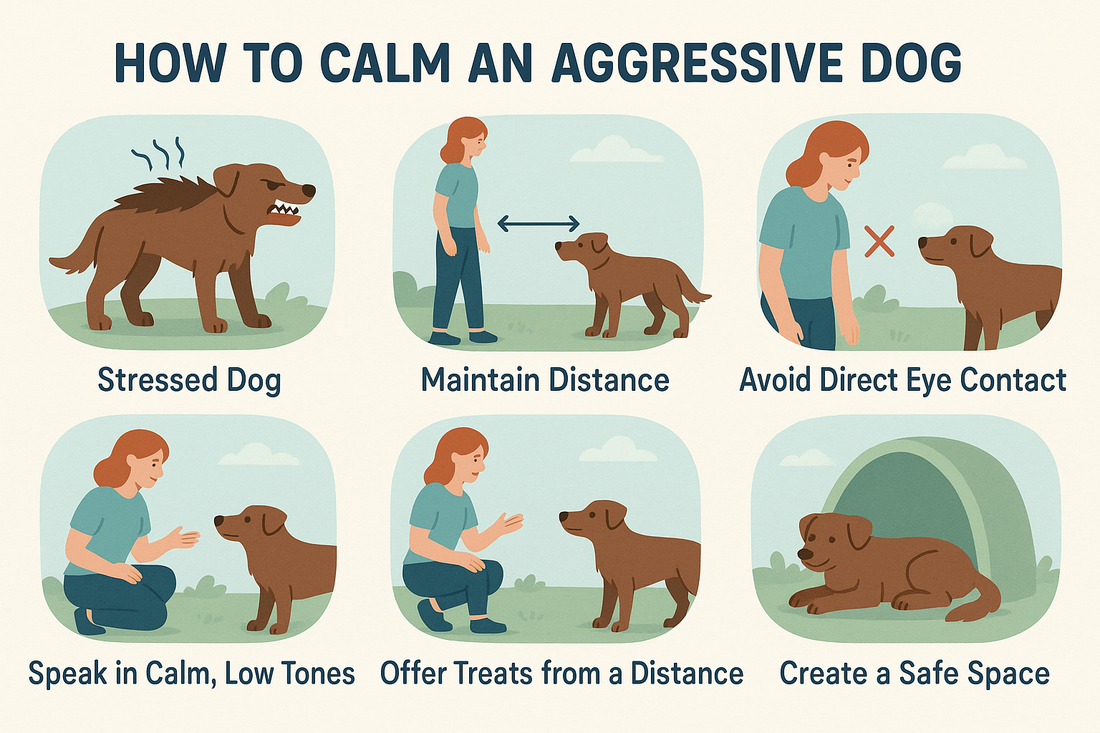
Credit: nirapet.com
Common Aggression Types
Dogs show aggression for many reasons. Understanding common aggression types helps to manage them better. These types show different triggers and behaviors. Recognizing each type can keep you and your dog safe.
Territorial Aggression
Territorial aggression happens when a dog protects its space. This space can be the home, yard, or even a car. The dog sees strangers as threats. Barking, growling, and lunging are typical signs. This behavior aims to keep intruders away.
Fear-induced Aggression
Fear-induced aggression occurs when dogs feel scared. They may not want to fight but see no escape. This type can surprise owners because it looks sudden. Signs include cowering, growling, or snapping. The dog uses aggression to protect itself.
Possessive Aggression
Possessive aggression happens over food, toys, or even people. Dogs guard what they value the most. They may growl or snap if someone tries to take these items. This behavior shows the dog’s need to keep control. It is common in many breeds.
Protective Aggression
Protective aggression is when a dog defends its family. The dog sees loved ones as part of its pack. It acts aggressive toward anyone it thinks is a threat. This type can be strong and sudden. The dog’s goal is to keep its family safe.
Pain-related Aggression
Pain-related aggression happens when a dog feels hurt. The dog may snap if touched in a sore area. This aggression is a warning to avoid more pain. It helps the dog protect itself from further injury. Notice changes in behavior after an injury.

Credit: www.reddit.com
Behavioral Warning Signs
Dogs show signs before they act aggressively. These signs are called behavioral warning signs. Knowing them helps keep you and your dog safe.
Each sign tells a story about how your dog feels. Watching for these signals can prevent problems early.
Growling And Snarling
Growling is a clear warning. It means your dog feels threatened or upset. Snarling adds a sharper sound with bared teeth. These sounds ask others to back off.
Baring Teeth
Showing teeth is a strong signal. Your dog wants space and feels uneasy. It means your dog might bite if provoked. Respect this sign and give your dog room.
Stiff Body Posture
A stiff body shows tension. Your dog stands very still and rigid. This posture means your dog is ready to act. Watch closely, as this can turn into aggression fast.
Raised Hackles
Raised hackles are the fur on your dog’s back standing up. This happens when your dog feels alarmed or angry. It’s a visual sign of discomfort or threat.
Intense Staring
Staring without blinking means your dog is focused. This look can feel scary and is a sign of challenge. It’s a warning to stay away or calm the dog down.
Triggers To Watch
Understanding what triggers dog aggressive behavior helps keep everyone safe. Dogs may react differently to certain situations. Recognizing these triggers early can prevent problems.
Strangers And New People
Many dogs feel uneasy around strangers. They may bark, growl, or show teeth. This behavior warns people to keep their distance. Some dogs need time to warm up to new faces.
Other Animals
Dogs can act aggressively toward other animals. This includes other dogs, cats, or wildlife. They may feel threatened or protective. Watching their body language helps spot early signs.
Resource Guarding
Dogs sometimes protect their food, toys, or space. They may growl or snap if someone comes near. This is called resource guarding. It happens because the dog feels insecure.
Loud Noises
Sudden loud sounds can scare dogs. Fireworks, thunderstorms, or traffic noises may cause stress. Some dogs react by barking or snapping. Quiet spaces help dogs feel calm.
Handling And Touch
Not all dogs like being touched in certain ways. Some react when grabbed or petted unexpectedly. This can cause aggressive behavior. Gentle and slow handling builds trust over time.
Body Language Clues
Dogs use their bodies to tell us how they feel. Watching their body language can reveal signs of aggression early. Understanding these clues helps keep everyone safe. It also helps you respond calmly and correctly.
Tail Position
A dog’s tail shows many emotions. A stiff, raised tail often means alert or aggressive. A low or tucked tail shows fear or submission. Quick tail wagging does not always mean friendliness. Watch the tail’s speed and position carefully.
Ear Movements
Dog ears show mood clearly. Ears pinned back can mean fear or anger. Ears standing tall and forward often mean alertness. Sometimes, one ear may move differently. This mixed signal can mean uncertainty or stress.
Eye Contact
Direct eye contact can be a warning sign. A hard stare means the dog feels threatened or dominant. Avoid staring back as it may increase aggression. Soft, blinking eyes or looking away show calmness. Watch how long and how the dog looks at you.
Lip Licking And Yawning
Dogs lick their lips or yawn to calm themselves. These signs show stress, not tiredness or hunger. If a dog does this often, it may feel uneasy. Watch for these clues before aggressive actions start.
Pacing And Restlessness
Restless dogs move around without purpose. Pacing can mean anxiety or build-up of energy. This behavior might come before barking or snapping. Notice if the dog can settle down or not. Restlessness signals a need for attention or space.
Preventing Aggression Escalation
Preventing aggression escalation in dogs is key to keeping them safe and calm. Early actions help stop aggressive behavior before it grows worse. Creating a secure space and using kind training methods support this goal. Consistency and professional help also play important roles in managing aggression.
Early Intervention Techniques
Watch your dog for warning signs like growling or stiff posture. Act quickly to redirect their attention with a toy or treat. Avoid punishment; it can increase fear and aggression. Calmly remove your dog from stressful situations to lower tension. Early care stops aggression from becoming a habit.
Safe Environment Setup
Designate a quiet, comfortable area for your dog. Remove items that may cause stress or excitement. Use baby gates or crates to limit access to triggers. Ensure your dog feels secure and not trapped. A peaceful space helps reduce aggressive reactions.
Positive Reinforcement
Reward your dog for calm, good behavior with treats and praise. This encourages your dog to repeat positive actions. Avoid yelling or hitting, which can worsen aggression. Use gentle commands and show patience. Positive rewards build trust and improve behavior.
Professional Training Options
Seek help from trainers who specialize in aggression. They offer tailored plans to address your dog’s needs. Trainers teach you how to read signs and respond correctly. Professional guidance improves safety for everyone around. Early training can prevent serious problems later.
Consistent Routine Importance
Keep feeding, walking, and playtimes regular every day. Dogs feel more secure with predictable schedules. Consistency reduces anxiety that can lead to aggression. Stick to rules about where the dog can go and what it can do. A steady routine supports calm behavior.
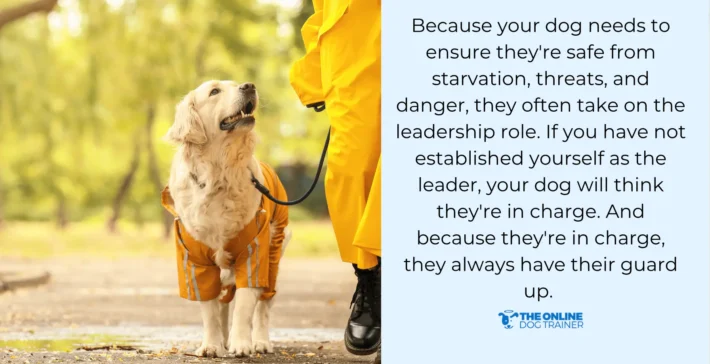
Credit: theonlinedogtrainer.com
Frequently Asked Questions
What Are Common Signs Of Dog Aggressive Behavior?
Common signs include growling, snarling, snapping, lunging, and biting. Dogs may also show stiff body posture and raised hackles. Watch for intense staring and refusal to obey commands. Early detection helps prevent escalation and ensures safety for everyone.
How Can I Identify Early Aggression In Dogs?
Early aggression shows as growling, snapping, or stiff body language. Dogs may avoid eye contact or show fearful behavior. Recognizing these signs early allows timely intervention and training. Addressing aggression promptly reduces risks and improves dog behavior.
Why Does My Dog Suddenly Become Aggressive?
Sudden aggression can result from pain, fear, or stress. Changes in environment or routine may also trigger it. Medical issues should be ruled out by a vet. Understanding triggers helps manage and reduce aggressive outbursts effectively.
Can Aggressive Behavior In Dogs Be Prevented?
Yes, aggression can be prevented with proper training and socialization. Early exposure to different environments and positive reinforcement is key. Consistent routines and avoiding punishment reduce anxiety. Seek professional help if aggressive signs appear to ensure safety.
Conclusion
Recognizing dog aggressive behavior signs helps keep everyone safe. Early action can prevent serious problems later. Watch your dog’s body language closely. Notice growling, stiff posture, or snapping. These signals show stress or fear. Training and patience can change aggressive habits.
Seek advice from a professional if needed. Understanding your dog builds trust and peace. A calm dog makes a happy home. Stay aware and act with care. Your efforts make a big difference.


