

Bringing a German Shepherd puppy into your home is exciting, but it also comes with responsibilities. You want your new furry friend to grow up healthy, happy, and well-behaved.
To make that happen, you need the right care from day one. You’ll discover simple, effective tips that will help you understand your puppy’s needs and build a strong bond. Keep reading to learn how to give your German Shepherd the best start in life.
Choosing The Right Puppy
Choosing the right German Shepherd puppy is an important first step. This choice affects your experience as a dog owner. Picking a healthy and well-tempered puppy brings joy and fewer problems later. Take your time to learn about the breeder, the puppy’s health, and its personality. These factors help ensure a strong bond and a happy pet.
Selecting A Reputable Breeder
Find a breeder known for caring and honesty. A good breeder follows breed standards and health tests. They show puppies in clean, safe places. Ask about the puppy’s parents and their health. Avoid breeders who rush sales or lack information. Trustworthy breeders want the best for their puppies.
Assessing Puppy Health
Check if the puppy looks active and alert. Healthy puppies have bright eyes and clean ears. Their coat should be shiny and soft. Avoid puppies with coughs, runny noses, or diarrhea. Ask for vaccination and vet check records. Early health checks prevent future problems.
Temperament And Personality
Watch how the puppy interacts with people. A good puppy is curious but not overly shy or aggressive. Play with the puppy to see its energy level. German Shepherds need balance: friendly and confident. Choose a puppy whose personality fits your lifestyle.

Credit: www.reddit.com
Preparing Your Home
Preparing your home for a German Shepherd puppy is the first step to a happy life together. A safe and welcoming space helps your puppy feel secure and loved. It also keeps them protected from harm. Setting up your home carefully avoids many common problems.
Safe Space Setup
Create a quiet area where your puppy can rest and feel calm. Use a crate or a small fenced corner. Add a soft bed and some toys. This spot should be away from loud noises and heavy foot traffic. A safe space helps your puppy learn to relax and feel safe.
Essential Supplies
Gather all necessary items before your puppy arrives. Include food and water bowls, puppy food, a collar, and a leash. Don’t forget grooming tools like a brush and nail clippers. Chew toys and training pads also help your puppy stay busy and clean.
Puppy-proofing Tips
Remove anything dangerous or valuable from your puppy’s reach. Hide electrical cords, small objects, and toxic plants. Secure trash bins and close cabinets. Block off stairs or rooms that are unsafe. Puppy-proofing protects your home and keeps your puppy safe.
Feeding And Nutrition
Proper feeding and nutrition are vital for your German Shepherd puppy’s growth and health. Good food supports strong bones, sharp minds, and a shiny coat. It also helps your puppy build energy and stay active.
Choosing the right food and feeding at the right times keeps your puppy happy and healthy. Avoiding common diet mistakes protects against health problems. This section guides you through the basics of feeding and nutrition for your German Shepherd puppy.
Best Puppy Food Options
Pick puppy food made for large breeds like German Shepherds. Look for high protein to support muscle growth. Ingredients like chicken, lamb, or fish offer good protein. Choose food with balanced vitamins and minerals for bones and teeth. Avoid foods with too many fillers like corn or wheat. Wet or dry food both work well. Check for foods approved by pet nutrition experts.
Feeding Schedule
Feed your German Shepherd puppy three to four times a day. Small meals help prevent upset stomachs. Puppies under six months need more frequent meals. After six months, switch to two meals daily. Keep feeding times consistent. Fresh water should always be available.
Avoiding Common Dietary Mistakes
Do not feed your puppy human food or scraps. Some foods are toxic to dogs like chocolate and onions. Avoid overfeeding to prevent obesity. Do not change food suddenly; it may cause diarrhea. Watch for allergies or food intolerance signs. Consult your vet for special diet advice.
Training Basics
Training your German Shepherd puppy is important for a happy life together. Start early and stay patient. Training helps your puppy learn good habits and understand your rules. Keep sessions short and fun to hold your puppy’s attention. Consistency matters. Use clear commands and reward good behavior. This builds trust and respect between you and your puppy.
Housebreaking Techniques
Begin housebreaking as soon as your puppy arrives. Take your puppy outside often, especially after eating, playing, and waking up. Choose a spot and always go there. Praise your puppy after they go potty outside. Clean accidents inside with a strong cleaner to remove smells. Avoid punishment; it causes fear and confusion. Patience and routine lead to success.
Basic Commands
Teach simple commands like “sit,” “stay,” and “come.” Use short words and speak clearly. Show what you want by using hand signals. Reward your puppy immediately with treats or praise. Practice commands in different places to help your puppy learn. Repeat daily in short sessions. Keep training positive and fun.
Socialization Strategies
Expose your puppy to new people, places, and other dogs early on. This helps prevent fear and aggression. Use calm, friendly introductions. Let your puppy explore at their own pace. Reward calm behavior around new experiences. Avoid overwhelming your puppy with too many new things at once. Regular socialization builds confidence and good manners.
Health Care
Taking care of a German Shepherd puppy’s health is very important. Good health care helps your puppy grow strong and happy. It protects your dog from many illnesses. Regular visits to the vet keep your puppy safe and healthy.
Start health care early. Watch your puppy’s behavior and body. Keep a clean home and provide fresh water and good food. These steps support your puppy’s health every day.
Vaccination Timeline
Vaccines protect your puppy from serious diseases. Begin vaccinations at six to eight weeks old. Core vaccines include distemper, parvovirus, and hepatitis. Your vet will suggest a schedule for booster shots. Follow it closely to keep your puppy safe.
Parasite Prevention
Parasites harm your puppy’s health and comfort. Use vet-recommended treatments for fleas, ticks, and worms. Start prevention early, before symptoms appear. Check your puppy’s coat and skin regularly. Clean living areas to reduce parasite risks.
Recognizing Health Issues
Notice changes in eating, sleeping, or behavior. Watch for coughing, vomiting, or diarrhea. Look for swelling, redness, or wounds on skin. Early signs need quick vet attention. Acting fast can prevent serious illness.
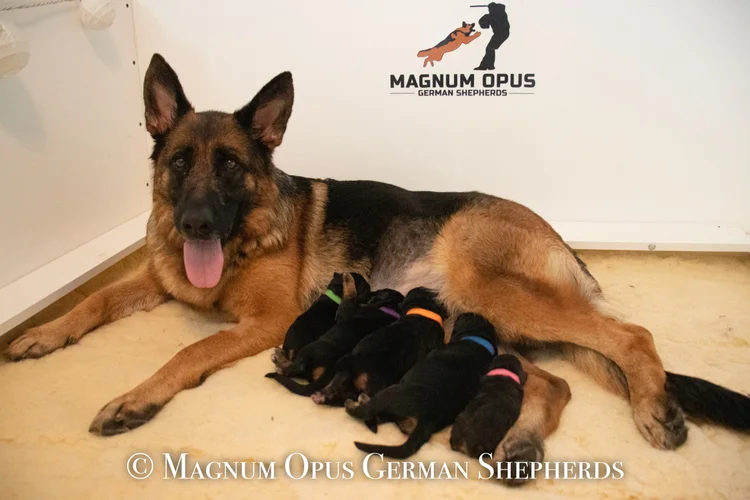
Credit: magnumopusgermanshepherds.com
Exercise And Play
Exercise and play are vital for your German Shepherd puppy’s growth and happiness. Puppies have lots of energy that needs a good outlet. Regular activity helps build strong muscles and bones. It also keeps their mind sharp and prevents bad behavior.
Playtime creates a bond between you and your puppy. It teaches them how to socialize and follow commands. A tired puppy is a happy puppy. Let’s explore how to keep exercise and play safe and fun.
Age-appropriate Activities
Young puppies need gentle play and short walks. Avoid long runs or rough play that can harm growing joints. Soft toys and light fetch games work well. At 3 to 6 months, increase playtime gradually. Add short training sessions to build skills. Older puppies enjoy more active play like running or tug-of-war. Always watch your puppy’s energy levels. Stop if they seem tired or stressed.
Mental Stimulation
Exercise is not just physical. Mental challenges keep your puppy smart and happy. Use puzzle toys that hide treats. Teach new commands during play. Change games often to hold their interest. Hide toys or treats around the house. Let your puppy find them using their nose. This boosts problem-solving skills and focus.
Safe Playtime Practices
Choose safe toys without small parts. Always supervise play with other dogs. Use a leash during outdoor play to prevent running away. Avoid roughhousing that could hurt your puppy. Keep play areas clean and free of sharp objects. Provide fresh water during and after exercise. Rest breaks are important to avoid overheating. Watch for signs of tiredness or injury. Safe play keeps your puppy healthy and happy.
Grooming Needs
Grooming is essential for a healthy German Shepherd puppy. It keeps their coat clean and skin healthy. Regular grooming also helps spot any health issues early. Start grooming your puppy gently to build trust. Make it a calm and positive experience.
Brushing And Bathing
Brush your puppy’s coat two to three times a week. Use a brush made for medium to long hair. Brushing removes loose fur and dirt. It also stops mats from forming. Bathe your puppy every two months or when very dirty. Use a mild dog shampoo to protect their skin. Rinse well to avoid irritation.
Nail Trimming
Trim nails every three to four weeks. Long nails can hurt your puppy’s paws. Use a proper dog nail clipper. Cut small parts at a time to avoid pain. If unsure, ask a vet or groomer for help. Check nails regularly to keep them healthy.
Ear And Teeth Care
Clean your puppy’s ears once a week. Use a damp cloth or vet-approved solution. Avoid pushing anything deep into the ear canal. Brush their teeth daily with dog toothpaste. Good dental care prevents bad breath and infections. Start these habits early for a strong routine.
Building A Strong Bond
Building a strong bond with your German Shepherd puppy is essential for a happy relationship. It helps your puppy feel safe and loved. This bond creates trust, making training easier. Spending quality time together strengthens your connection. Here are some key tips to build that bond effectively.
Positive Reinforcement
Reward good behavior with treats or praise. This teaches your puppy what you want. It encourages them to repeat good actions. Avoid punishment as it can cause fear. Positive reinforcement builds trust and confidence. Use rewards immediately after the desired behavior. This makes learning clear and simple.
Consistent Routine
Puppies feel secure with a steady routine. Feed, walk, and train at the same times. This reduces anxiety and confusion. Consistency helps your puppy learn faster. It also creates a sense of order. Sticking to a schedule shows you care. Your puppy learns what to expect daily.
Understanding Puppy Behavior
Watch your puppy’s body language carefully. Tail wagging, barking, or growling tells you feelings. Puppies explore the world by chewing and biting. They need patience and gentle correction. Knowing their needs prevents frustration. Your puppy will trust you more. Understanding behavior builds a strong, loving bond.

Credit: www.youtube.com
Frequently Asked Questions
How Often Should I Feed My German Shepherd Puppy?
Feed your German Shepherd puppy three to four times daily. Use high-quality puppy food with balanced nutrients. Adjust portions as they grow. Proper feeding supports healthy growth and energy levels.
When Should I Start Training My German Shepherd Puppy?
Begin training your German Shepherd puppy at 8 weeks old. Early training builds good habits and social skills. Use positive reinforcement and consistency for best results.
How Much Exercise Does A German Shepherd Puppy Need?
Provide moderate exercise daily, around 30 minutes to 1 hour. Avoid strenuous activities to protect growing joints. Playtime and short walks help build strength and energy.
What Vaccinations Does My German Shepherd Puppy Need?
Puppies require core vaccinations like distemper, parvovirus, and rabies. Follow your vet’s recommended schedule starting at 6-8 weeks. Vaccinations prevent common puppy diseases and ensure long-term health.
Conclusion
Caring for a German Shepherd puppy takes time and patience. Feed them well and keep fresh water nearby. Regular walks help your puppy stay healthy and happy. Teach basic commands early for good behavior. Give plenty of love and attention every day.
Watch for signs of illness and visit the vet often. A happy puppy grows into a loyal, strong dog. Enjoy the journey and build a lasting bond together. Simple steps make a big difference in puppy care.

