

Training your Catahoula dog can be one of the most rewarding experiences you’ll have as a pet owner. These energetic and intelligent dogs need the right guidance to bring out their best behavior.
If you want a well-mannered and happy Catahoula, understanding how to train them effectively is key. Keep reading, and you’ll discover simple, proven techniques that make training easier for both you and your dog. Get ready to build a strong bond while turning your Catahoula into the loyal companion you’ve always wanted.
Catahoula Traits
The Catahoula dog has unique traits that shape its behavior and needs. Understanding these traits helps in training and caring for this breed. This dog is strong, smart, and full of energy. Knowing its characteristics makes training easier and more effective.
Breed Characteristics
Catahoulas are medium to large dogs with a sturdy build. Their coat can be short or rough, with colors like blue, red, and black. They have striking eyes that can be blue, green, or even two different colors. This breed is known for its hunting and herding skills. They adapt well to outdoor life and need space to run.
Temperament And Energy
Catahoulas are very active dogs. They need daily exercise to stay happy and healthy. These dogs are loyal and protective of their families. They can be reserved with strangers but loving with people they know. Mental stimulation is as important as physical activity for this breed.
Common Behavioral Traits
Catahoulas are intelligent and curious. They like to explore and use their strong sense of smell. This breed can be independent and stubborn at times. They need clear rules and consistent training. Without guidance, they may become bored or destructive. Socializing them early helps reduce aggression and fear.
Training Essentials
Training a Catahoula dog requires patience and clear methods. This breed is smart and active, needing focused guidance. Understanding the essentials helps create a strong bond and good behavior.
Start with simple steps. Break training into small parts. Use tools and timing that suit your dog’s needs. Consistency is key to success. Let’s explore the basics of training your Catahoula.
Setting Realistic Goals
Set clear and simple goals for each session. Focus on one skill at a time. Avoid expecting too much too soon. Small wins build confidence in your dog. Keep goals short and easy to reach.
Choosing The Right Training Tools
Pick tools that match your dog’s size and strength. Leashes, collars, and treats should be comfortable and safe. Use positive reinforcement tools like treats and toys. Avoid harsh tools that cause fear or pain. Tools should help, not harm.
Timing And Consistency
Train your dog at regular times every day. Short sessions work better than long ones. Repeat commands consistently with the same words. Praise your dog immediately after good behavior. Consistent timing helps your dog learn faster.
Basic Commands
Teaching basic commands is the first step to a well-behaved Catahoula dog. These commands build trust and improve communication. Training sessions should be short and consistent. Use treats and praise to encourage your dog. Start training in a quiet place without distractions. Repeat commands often to help your dog learn.
Sit And Stay
The “Sit” command helps your dog calm down quickly. Hold a treat above your dog’s nose, then move it back slowly. Your dog will sit naturally to follow the treat. Say “Sit” clearly and give the treat when your dog sits. Practice until your dog sits on command without the treat.
Next, teach “Stay.” Ask your dog to sit first. Show your palm like a stop sign and say “Stay.” Step back slowly. If your dog stays, give a treat and praise. Increase distance and time gradually. This command keeps your dog safe in many situations.
Recall And Come
Recall means your dog comes to you when called. Use a happy voice and say “Come.” Show a treat or favorite toy. When your dog comes, reward immediately. Practice in a safe, enclosed area first. Make coming to you fun and rewarding. Avoid punishment if your dog does not come right away.
Heel And Leave It
The “Heel” command keeps your dog walking close to you. Use a leash and say “Heel.” Walk with treats at your side. Reward your dog for staying near. This command makes walks safer and more pleasant.
“Leave It” stops your dog from picking up unwanted items. Hold a treat in a closed hand and say “Leave it.” Wait until your dog stops trying. Then give a different treat from the other hand. Practice often to prevent dangerous chewing or eating.
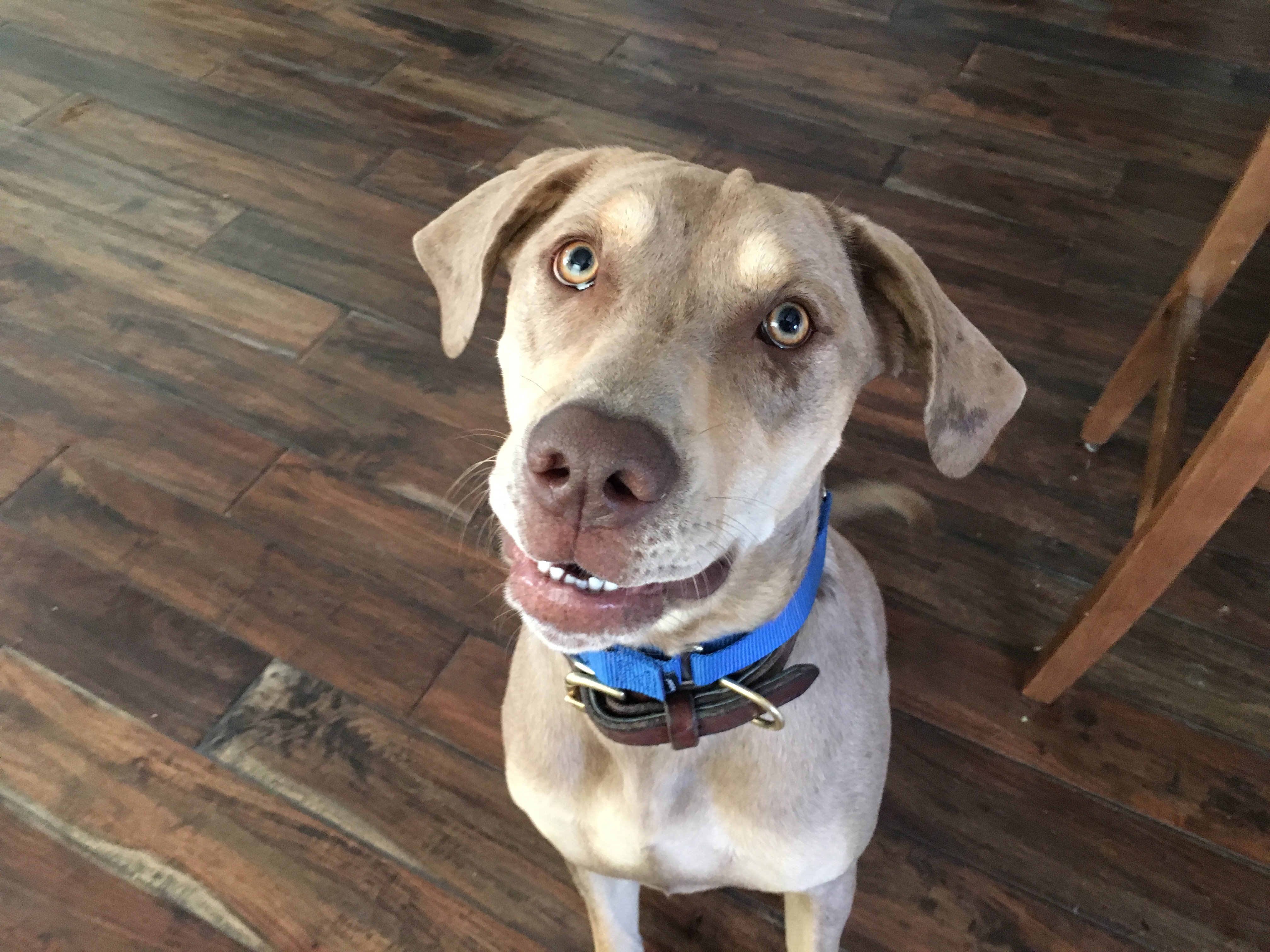
Credit: www.doggoneproblems.com
Advanced Training
Advanced training helps your Catahoula dog learn new skills and stay active. It builds a strong bond and keeps your dog happy. This stage challenges your dog’s mind and body.
Agility And Obedience Trials
Agility training improves your dog’s speed and coordination. Use obstacles like tunnels, jumps, and weave poles. Practice commands like sit, stay, and come during trials. This training boosts focus and confidence. It also gives your dog a fun way to exercise.
Problem Solving And Mental Stimulation
Catahoulas are smart and love challenges. Use puzzle toys and hide treats for them to find. Teach new tricks to keep their mind busy. Mental tasks reduce boredom and stop bad behavior. Change tasks often to keep your dog interested.
Socialization Techniques
Socialization helps your dog behave well with people and other dogs. Introduce your dog to new places and sounds slowly. Arrange playdates with calm dogs. Reward good behavior to build positive habits. This training reduces fear and aggression in your dog.
Handling Challenges
Training a Catahoula dog can be tough. These dogs are smart but strong-willed. They need clear rules and patience. Handling challenges well helps build trust and good behavior. Understanding common issues makes training easier and more fun.
Dealing With Stubbornness
Catahoulas often test limits. They want to do things their way. Stay calm and firm. Repeat commands with a steady voice. Use treats and praise to reward good behavior. Avoid harsh punishment; it breaks trust. Consistency is key to reduce stubbornness.
Managing Excess Energy
Catahoulas have high energy. They need plenty of exercise daily. Long walks, playtime, and mental games help. Tired dogs behave better. Without enough activity, they become restless and destructive. Schedule regular exercise to keep energy balanced.
Correcting Unwanted Behavior
Stop bad habits early. Use clear commands like “No” or “Stop.” Redirect attention to positive actions. Reward good behavior immediately. Avoid yelling or hitting. Be patient and consistent. Training takes time but shows great results with care.

Credit: www.dogster.com
Maintaining Obedience
Maintaining obedience in a Catahoula dog is key for a happy and safe pet. These dogs are smart and full of energy. They need clear and steady guidance throughout their lives. Consistent training helps them stay focused and well-behaved. It also strengthens the bond between you and your dog.
Regular Practice Routines
Set aside time every day for training sessions. Short and frequent practices work best. Use simple commands like sit, stay, and come. Repeat these commands often to build good habits. Practice in different places to help your dog listen anywhere. Routine keeps their mind sharp and skills strong.
Positive Reinforcement Strategies
Reward your Catahoula with treats or praise when they obey. Positive feedback encourages them to repeat good behavior. Avoid harsh punishments, which can cause fear or confusion. Use toys or playtime as extra motivation. Celebrate small wins to keep training fun and effective.
Adapting Training As They Age
Young dogs need more patience and simple commands. Older dogs may learn slower but still benefit from training. Adjust the length and difficulty of sessions as your dog grows. Keep challenging their mind with new tasks. This helps prevent boredom and keeps obedience strong.

Credit: www.youtube.com
Frequently Asked Questions
How Do I Start Training A Catahoula Dog?
Begin training early with basic commands like sit, stay, and come. Use positive reinforcement consistently to encourage good behavior. Socialize your Catahoula with people and other pets. Keep sessions short, fun, and frequent to maintain their focus and interest.
What Is The Best Age To Train A Catahoula?
The ideal age to start training is between 8 to 12 weeks. Puppies are more adaptable and learn quickly during this period. Early training helps prevent behavioral problems and builds a strong bond between you and your dog.
How Can I Handle Catahoula’s High Energy During Training?
Provide plenty of physical exercise before training sessions to release excess energy. Use mentally stimulating tasks like puzzles or scent games. Keep training sessions active and engaging to maintain their attention and reduce hyperactivity.
What Commands Are Essential For Catahoula Training?
Focus on basic obedience commands: sit, stay, come, heel, and leave it. These commands ensure control and safety in various situations. Consistent practice and positive rewards help your Catahoula master these essential skills.
Conclusion
Training a Catahoula dog takes time and patience. Keep sessions short and fun to hold their interest. Use clear commands and reward good behavior often. Consistency helps your dog learn faster and stay focused. Remember, every dog learns at its own pace.
Enjoy the process and build a strong bond together. With care and effort, your Catahoula will become a happy, well-behaved companion.


