

Are you sure your dog is getting everything it needs from its food? Understanding what dogs need nutritionally is key to keeping your furry friend healthy and happy.
The right balance of nutrients can boost their energy, improve their coat, and even lengthen their life. If you want to give your dog the best care possible, knowing what goes into their diet is a must. Keep reading, and you’ll discover simple ways to make your dog’s meals healthier and more satisfying.
Key Nutrients For Dogs
Dogs need a balanced diet to stay healthy and active. Their bodies require certain nutrients for energy, growth, and repair. Understanding these key nutrients helps you provide the best care for your dog. Each nutrient plays a special role in your dog’s well-being.
Proteins And Amino Acids
Proteins build strong muscles and repair tissues. Dogs need high-quality proteins from meat, fish, or eggs. Amino acids, the building blocks of proteins, support body functions. Some amino acids are essential and must come from food. Without enough protein, dogs can lose muscle and energy.
Fats And Fatty Acids
Fats provide energy and keep the skin healthy. Essential fatty acids, like omega-3 and omega-6, reduce inflammation and support the brain. Dogs get fats from animal sources and oils. Too little fat can cause dull fur and weak immunity.
Carbohydrates Role
Carbohydrates give dogs quick energy. Sources include grains, vegetables, and fruits. Carbs also help with digestion by adding fiber. Fiber keeps the stomach healthy and prevents constipation. Dogs do not need a lot of carbs, but they are useful.
Vitamins And Minerals
Vitamins and minerals keep the body working well. Vitamins like A, D, and E support eyesight and bones. Minerals such as calcium and phosphorus strengthen teeth and bones. These nutrients also help with blood flow and nerve function. A lack of vitamins or minerals causes health problems.
Balanced Diet Components
Dogs need a balanced diet for good health and energy. A proper diet includes proteins, fats, carbohydrates, vitamins, and minerals. Each part plays a vital role in keeping dogs active and strong. Understanding these components helps in choosing the right food for your dog.
Commercial Dog Food Types
Commercial dog foods come in dry, wet, and semi-moist forms. Dry food is crunchy and helps clean teeth. Wet food contains more moisture, which aids hydration. Semi-moist food is soft and easy to chew. These foods are often fortified with vitamins and minerals. Choose one that matches your dog’s age and health needs.
Homemade Meal Considerations
Homemade meals allow control over ingredients and quality. Use lean meats, vegetables, and grains to create balanced meals. Avoid toxic foods like onions, garlic, and chocolate. Nutrient balance is important; too much or too little can harm your dog. Consult a vet to ensure homemade meals meet all nutritional needs.
Raw Food Diet Pros And Cons
Raw diets use uncooked meats, bones, and organs. Supporters say it mimics a dog’s natural eating habits. Raw food can improve coat shine and energy. Risks include bacteria and nutrient imbalance. Prepare raw meals carefully to avoid health issues. Discuss with a vet before starting a raw food diet.
Hydration Needs
Water is a vital part of a dog’s diet. Proper hydration supports every function in their body. Dogs need fresh water daily to stay healthy and active.
Water helps regulate body temperature and aids digestion. It moves nutrients and removes waste. Without enough water, dogs can become weak or sick fast.
Importance Of Fresh Water
Fresh water is clean and free from harmful bacteria. Dogs prefer fresh water over stale or dirty water. It keeps them hydrated and prevents illness.
Always provide a bowl of fresh water. Change it several times a day. This encourages dogs to drink enough water for their needs.
Signs Of Dehydration
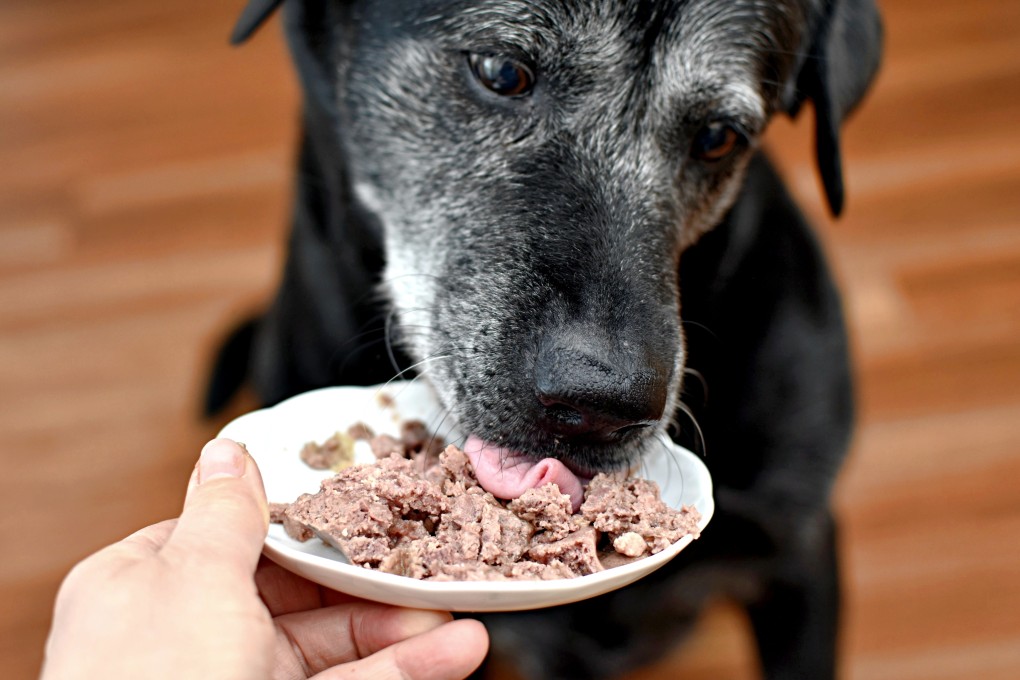
Dehydration can happen quickly, especially in hot weather. Watch for dry gums, sunken eyes, and lethargy. These signs indicate your dog needs water now.
Other symptoms include panting heavily and loss of skin elasticity. Check hydration by gently lifting the skin on the neck. If it stays up, your dog may be dehydrated.
Credit: www.scmp.com
Special Nutritional Needs
Dogs need different nutrients at different life stages and conditions. Special nutritional needs help keep dogs healthy and active. Feeding the right diet supports growth, energy, and overall well-being.
Puppies Vs Adult Dogs
Puppies need more protein and calories than adult dogs. Their bodies grow fast and require extra nutrients. Puppy food supports bone growth and brain development. Adult dogs need balanced nutrition to maintain weight and energy. Too many calories can cause obesity in adults.
Senior Dog Nutrition
Older dogs need fewer calories but more fiber. Their metabolism slows down, so less fat is best. Senior diets often include joint-supporting ingredients like glucosamine. Antioxidants help protect aging cells. Keeping weight in check prevents health problems.
Breed-specific Diets
Different breeds have unique nutritional needs. Large breeds need food that supports joint health. Small breeds require smaller kibble and higher calorie density. Some breeds are prone to allergies or sensitivities. Choosing breed-specific diets can improve their quality of life.
Health Conditions And Diet
Dogs with health issues need special diets. Kidney disease calls for low protein and phosphorus. Diabetic dogs benefit from controlled carbohydrate intake. Food allergies require limited ingredient diets. Proper nutrition helps manage symptoms and supports recovery.
Feeding Tips For Healthy Pets
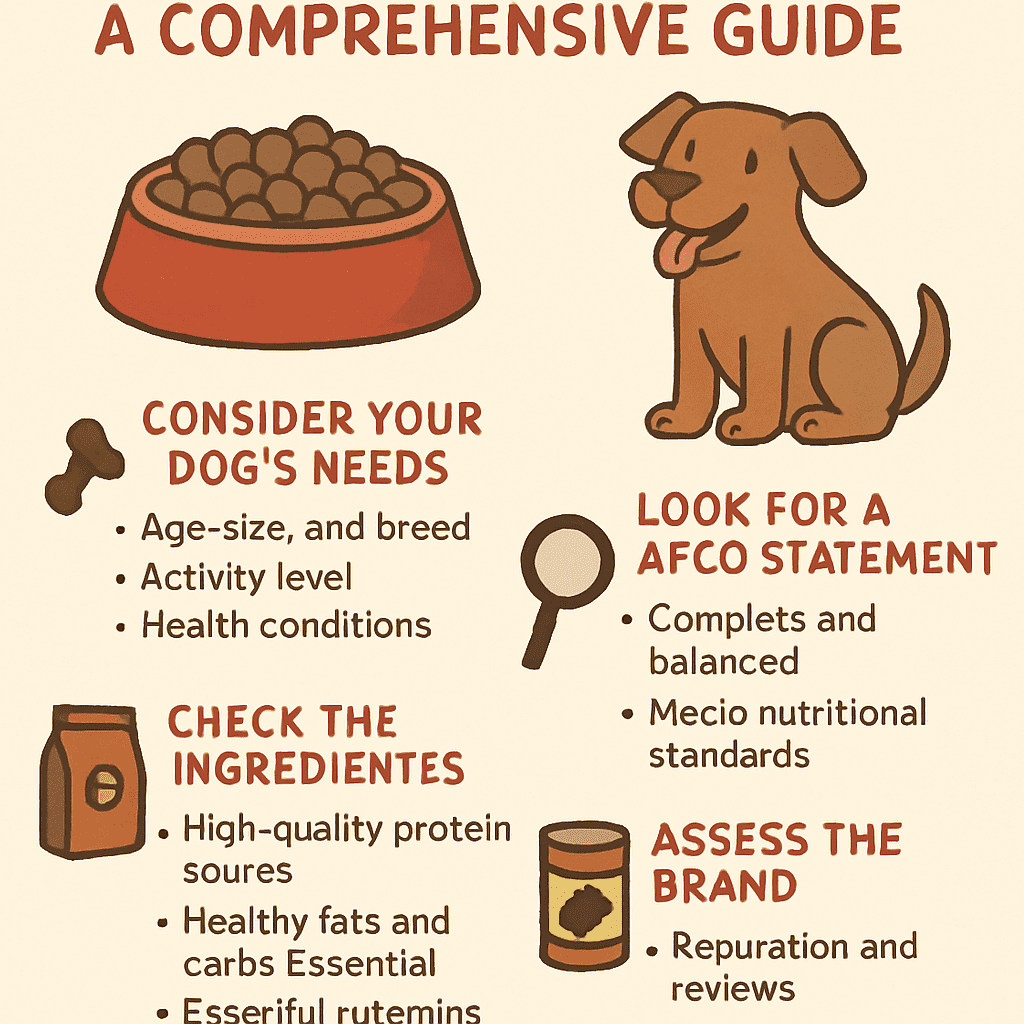
Feeding your dog the right way supports their health and happiness. Proper feeding habits help maintain energy, weight, and a shiny coat. Knowing how often to feed and what to avoid is key. Treats and supplements also play a role in balanced nutrition.
Meal Frequency And Portion Control
Feed adult dogs twice a day to keep their energy steady. Puppies need more frequent meals, usually three to four times daily. Measure portions carefully to prevent overfeeding. Use the dog food label as a guide, adjusting for activity and size. Keep feeding times consistent to build a routine your dog trusts.
Avoiding Harmful Foods
Certain foods can harm your dog. Avoid chocolate, grapes, raisins, and onions. These can cause serious illness or even death. Steer clear of fatty and salty human foods. Also, never give your dog bones that splinter easily. Always check if a new food is safe before feeding.
Supplements And Treats
Supplements help fill nutrition gaps but are not always needed. Consult a vet before adding any to your dog’s diet. Choose treats low in sugar and artificial ingredients. Use treats to reward good behavior, not to replace meals. Keep treat portions small to avoid weight gain.
Credit: dogfoodsy.com
Monitoring And Adjusting Diet
Monitoring and adjusting your dog’s diet is important for their health. Dogs have changing needs at different life stages and activity levels. Regular checks on their food and body condition help spot problems early. Small changes in diet can keep your dog strong and happy.
Recognizing Nutritional Deficiencies
Watch for signs like dull fur, weight loss, or low energy. These may indicate a lack of important nutrients. Poor growth in puppies or slow healing of wounds can also be warning signs. Changes in appetite or digestion issues might mean the diet is not right.
When To Consult A Veterinarian
Visit a vet if you notice any health changes. Professional advice helps find the right diet for your dog’s needs. Vets can run tests to check for nutrient shortages. They also recommend supplements or special food if necessary.
Credit: www.sportmix.com
Frequently Asked Questions
What Are The Essential Nutrients Dogs Need Daily?
Dogs need proteins, fats, carbohydrates, vitamins, and minerals daily. Proteins help muscle growth, fats provide energy, and vitamins support overall health. Balanced nutrition ensures a dog’s well-being and vitality.
How Much Protein Should A Dog Consume?
Dogs require 18-25% protein in their diet, depending on age and activity. Protein supports muscle development and repair. High-quality animal proteins like chicken, beef, or fish are ideal.
Why Are Fats Important In A Dog’s Diet?
Fats provide energy and support healthy skin and coat. They also help absorb fat-soluble vitamins like A, D, E, and K. Omega-3 and omega-6 fatty acids are vital for inflammation control.
Can Dogs Digest Carbohydrates Effectively?
Yes, dogs can digest carbohydrates, which provide energy and fiber. Whole grains, vegetables, and fruits are good carbohydrate sources. They also aid digestive health and maintain steady blood sugar levels.
Conclusion
Dogs need balanced nutrition to stay healthy and happy. Proteins, fats, vitamins, and minerals all play key roles. Fresh water is important too. Feeding the right amounts helps avoid weight problems. Quality dog food supports energy and strong bones. Watch your dog’s needs as they grow or age.
Good nutrition means a better life for your pet. Keep learning about what your dog needs to thrive. Simple care makes a big difference every day.


