

If your dog’s behavior is causing frustration or stress, you’re not alone. You want your furry friend to be happy and well-behaved, but sometimes training feels overwhelming or ineffective.
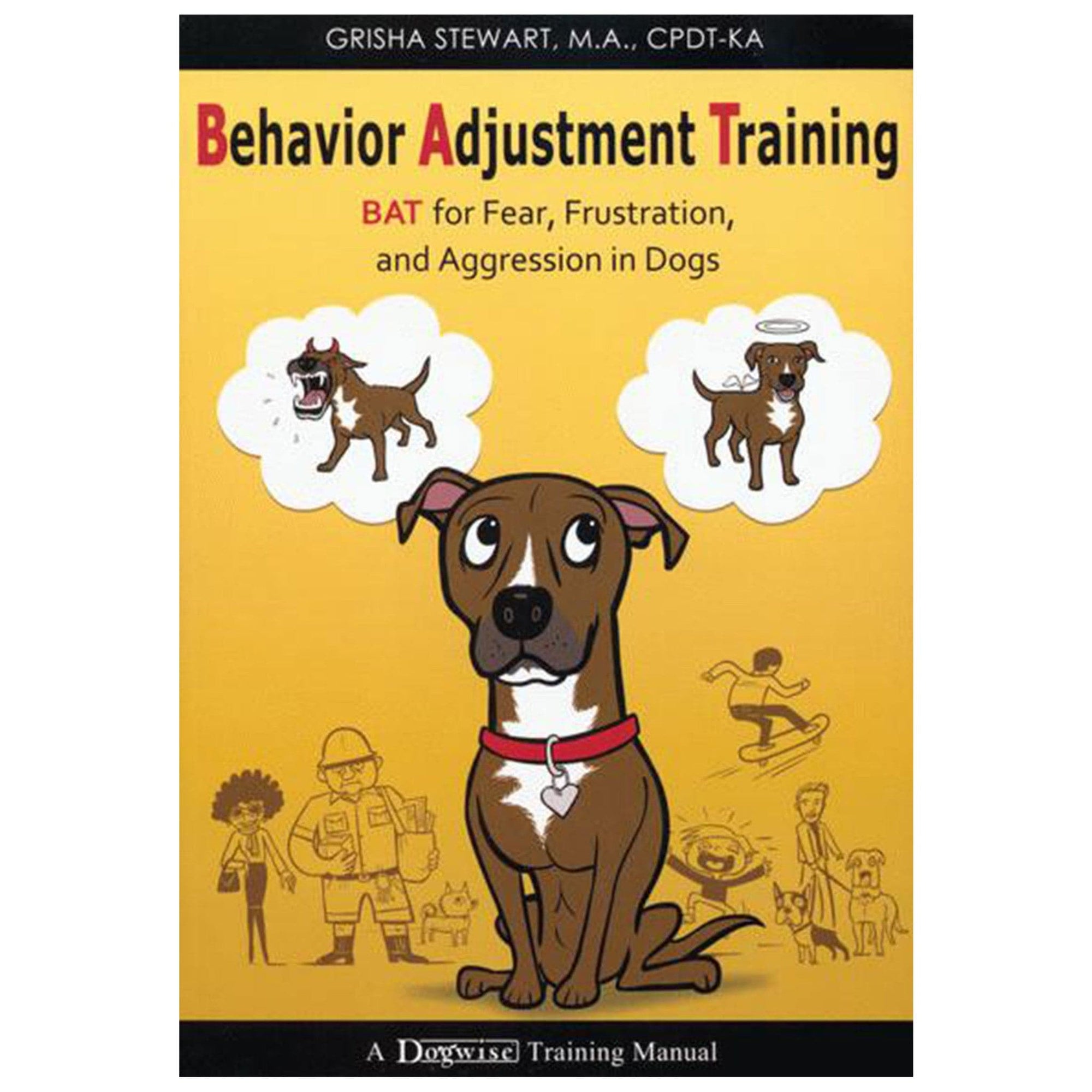
That’s where Behavior Adjustment Training (BAT) comes in. This method helps you change your dog’s reactions in a gentle, effective way—so you can enjoy walks, playtime, and quiet moments without worry. Keep reading to discover how BAT can transform your relationship with your dog and bring calm back into your home.
Credit: shop.clickertraining.com
Causes Of Aggressive Behavior
Aggressive behavior in dogs can be challenging for owners and trainers. Understanding the causes helps in shaping better behavior through training. Aggression rarely appears without reasons. It often stems from a mix of factors that affect a dog’s mind and body.
Genetic Factors
Some dogs inherit traits that make them more prone to aggression. Certain breeds may have stronger protective instincts. Genes can influence how a dog reacts to threats or strangers. Aggression linked to genetics can show early in a dog’s life. Knowing this helps trainers focus on managing inherited traits.
Environmental Influences
Dogs learn from their surroundings and experiences. Fear or bad past experiences can cause aggressive reactions. Lack of socialization with people or other dogs often leads to fear-based aggression. Stressful environments increase a dog’s chances of acting aggressively. Positive, calm settings reduce aggressive tendencies over time.
Health Issues
Illness or pain can trigger sudden aggression in dogs. Conditions like arthritis or dental problems cause discomfort and irritability. Some neurological disorders affect behavior and mood. Always check a dog’s health before starting behavior training. Treating medical problems often lowers aggressive behavior significantly.
Credit: store.grishastewart.com
Principles Of Behavior Adjustment Training
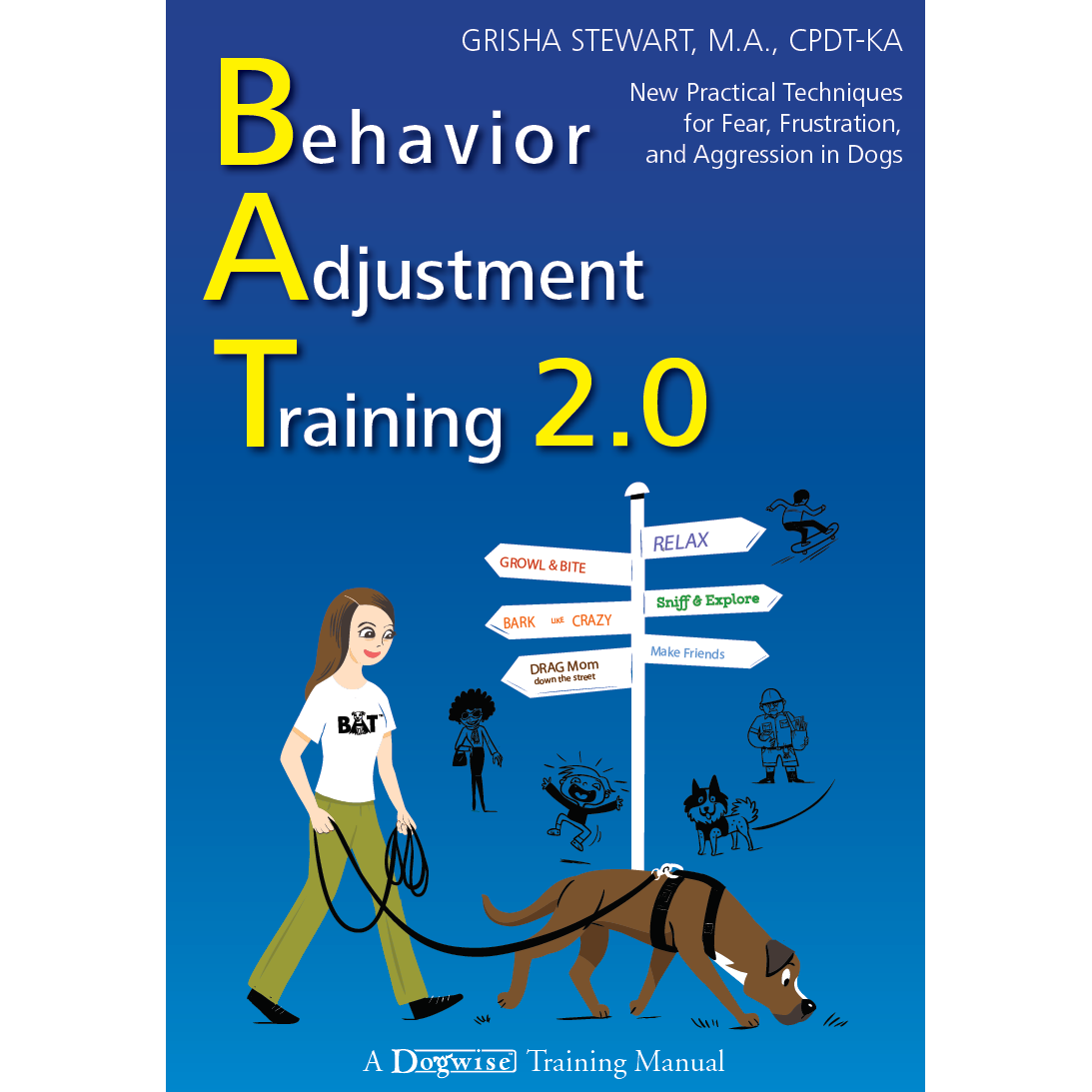
Behavior Adjustment Training (BAT) helps dogs change unwanted behaviors safely. It builds positive experiences and trust. BAT uses gentle methods to guide dogs toward calm actions.
The principles of BAT focus on changing how dogs feel and react. This training works with the dog’s natural instincts. It uses rewards and gradual exposure to new situations.
Positive Reinforcement
Positive reinforcement means giving rewards for good behavior. Dogs learn fast when they get treats or praise. Rewards encourage dogs to repeat calm and friendly actions. This method strengthens the bond between you and your dog.
Desensitization Techniques
Desensitization means slowly exposing dogs to things that scare them. It starts with low levels of the trigger. Over time, the dog becomes less afraid. This process helps dogs stay calm in real-life situations.
Counter-conditioning
Counter-conditioning changes a dog’s emotional response. It pairs something scary with something good. For example, giving treats when the dog sees a trigger. This helps the dog feel positive instead of scared or angry.
Preparing For Training
Preparing for behavior adjustment training with your dog is essential for success. It sets a clear path for both you and your pet. Proper preparation helps reduce stress and confusion. It makes the training process smoother and more effective. Begin by understanding your dog’s current behavior and needs.
Assessing Your Dog’s Behavior
Start by watching how your dog acts daily. Notice signs of fear, aggression, or anxiety. Write down specific behaviors that concern you. Understanding your dog’s triggers helps target training effectively. This step creates a strong foundation for behavior adjustment.
Setting Realistic Goals
Choose goals that fit your dog’s personality and progress speed. Small, clear goals work best for steady improvement. Avoid expecting big changes overnight. Patience and consistency bring lasting results. Set goals that you can measure and track easily.
Gathering Necessary Tools
Collect items needed for training sessions before you begin. Use a leash, treats, and a clicker or marker word. Prepare a quiet space free from distractions. Having everything ready saves time and keeps your dog focused. Proper tools support positive learning and good habits.
Step-by-step Training Process
Behavior Adjustment Training (BAT) helps dogs change their reactions calmly. It uses careful steps to guide dogs through new experiences. Each step builds trust and confidence. The process helps dogs feel safe while learning better behaviors.
Establishing A Calm Environment
Start training in a quiet, peaceful place. Remove distractions and loud noises. A calm space helps the dog focus and relax. The handler should stay calm and patient. This creates a safe feeling for the dog.
Introducing Controlled Stimuli
Bring in the triggers slowly, at a distance. Keep the dog far enough to avoid stress. Use controlled situations to show the stimulus. Let the dog observe without pressure. This step helps the dog get used to the trigger.
Reinforcing Desired Responses
Praise the dog for calm and positive reactions. Use treats or gentle words as rewards. Avoid punishing or scolding the dog. Rewards encourage the dog to repeat good behavior. This builds positive associations with the trigger.
Gradual Exposure To Triggers
Slowly decrease the distance to the trigger over time. Move closer only when the dog stays calm. Repeat exposure in short sessions daily. This helps the dog grow confident and less fearful. Patience is key throughout this process.
Common Challenges And Solutions
Behavior Adjustment Training (BAT) can be very effective for dogs. Still, it comes with challenges. Understanding these common problems helps trainers and owners improve results.
Each dog reacts differently during BAT. Patience and the right approach make a big difference. Here are some typical challenges and practical solutions to keep your training on track.
Managing Setbacks
Setbacks are normal during BAT. Dogs may show unwanted behaviors again. It does not mean failure. Stay calm and review your training steps.
Identify what caused the setback. Was the dog stressed or distracted? Adjust the training environment or timing. Small steps build lasting progress.
Celebrate small wins. This keeps motivation high for you and your dog. Consistency over time beats quick fixes.
Avoiding Overstimulation
Dogs can get overwhelmed during BAT sessions. Overstimulation causes anxiety and poor responses. Watch your dog closely for signs like panting or pacing.
Keep sessions short and focused. Use quiet places at first. Gradually increase distractions as your dog improves. This helps your dog stay calm and learn better.
Break training into manageable parts. Allow rest between sessions. This prevents burnout and builds positive habits.
Maintaining Consistency
Consistency is key to successful BAT. Use the same commands and signals every time. Mixed messages confuse your dog.
All family members should follow the same training rules. This creates a clear routine. Dogs learn faster with steady guidance.
Keep training sessions regular. Even short daily practice helps. Consistent effort leads to long-term behavior change.
Measuring Progress
Measuring progress in Behavior Adjustment Training (BAT) is key to helping your dog change unwanted behaviors. It shows how well your dog is learning and adapting. Tracking progress helps keep training on the right path and boosts your dog’s confidence over time.
Tracking Behavioral Changes
Watch your dog closely during each training session. Note small improvements like less barking or calmer body language. Use a journal to record what happens each day. Look for patterns and signs of positive change. This helps you see real progress clearly.
Adjusting Training Methods
Training is not one-size-fits-all. If your dog is not improving, try new techniques. Change rewards, timing, or distance from triggers. Be patient and flexible. Adjust methods based on your dog’s response for better results.
When To Seek Professional Help
Some behaviors need expert advice. If progress stops or aggression worsens, contact a trainer or behaviorist. Professionals provide guidance and tools you might not have. They support your dog’s safety and well-being.
Maintaining Long-term Success
Maintaining long-term success with Behavior Adjustment Training (BAT) is vital for a happy, well-behaved dog. The training builds new habits, but these habits need regular care. Consistency helps your dog stay confident and calm in different situations. This section covers key methods to keep progress steady and lasting.
Ongoing Practice
Practice is the heart of lasting behavior change. Regular sessions help your dog remember what to do. Short, frequent practices work better than long, rare ones. Use real-life situations to reinforce good behavior. This helps your dog apply lessons every day. Keep training fun and positive to hold your dog’s interest.
Socialization Strategies
Socialization helps dogs feel safe around others. Slowly introduce your dog to new people, dogs, and places. Watch their reactions and adjust the pace as needed. Positive experiences build trust and reduce fear. Use treats and praise to reward calm behavior. A well-socialized dog is less likely to react badly in new settings.
Creating A Supportive Environment
Your home and routine shape your dog’s behavior. Remove triggers that cause stress or fear. Provide a quiet space for your dog to relax. Use calming tools like toys or blankets. Family members should follow the same rules and commands. A calm, consistent environment helps your dog stay balanced and secure.

Credit: www.amazon.com
Frequently Asked Questions
What Is Behavior Adjustment Training For Dogs?
Behavior Adjustment Training (BAT) helps dogs change problematic behaviors by using positive reinforcement. It focuses on teaching dogs to remain calm and confident in triggering situations. BAT aims to reduce fear and aggression safely without punishment.
How Does Bat Help Aggressive Dogs?
BAT helps aggressive dogs by gradually exposing them to triggers at a safe distance. It rewards calm responses to reduce anxiety and aggression. Over time, dogs learn to associate triggers with positive experiences, lowering aggressive reactions.
Can Bat Be Done At Home By Owners?
Yes, owners can do BAT at home with proper guidance. It requires patience, consistency, and understanding of dog body language. Following a step-by-step BAT plan ensures safe and effective behavior modification.
How Long Does Behavior Adjustment Training Take?
BAT duration varies by dog and behavior severity. Some dogs show improvement in weeks; others may need months. Consistent training and positive reinforcement accelerate progress for lasting behavior change.
Conclusion
Behavior Adjustment Training helps dogs change unwanted actions. It takes patience and clear steps. Trainers work with dogs to build trust and calmness. Small progress shows the dog is learning new ways. Consistency is key to lasting good behavior. Every dog can improve with the right help.
Remember, training creates a happier life for both. Keep trying, stay kind, and enjoy the journey. Your dog will thank you in many ways.


