

Have you noticed your dog acting a little different after their vaccination? It’s normal to wonder if those changes in behavior are a cause for concern.
Your furry friend might seem quieter, more tired, or even a bit grumpy. But why does this happen, and how long will it last? Understanding these changes can help you care for your dog better and keep them comfortable. Keep reading to learn what to expect and how to support your pet after vaccination.

Credit: www.tlcanimalclinic.com
Common Vaccine Side Effects
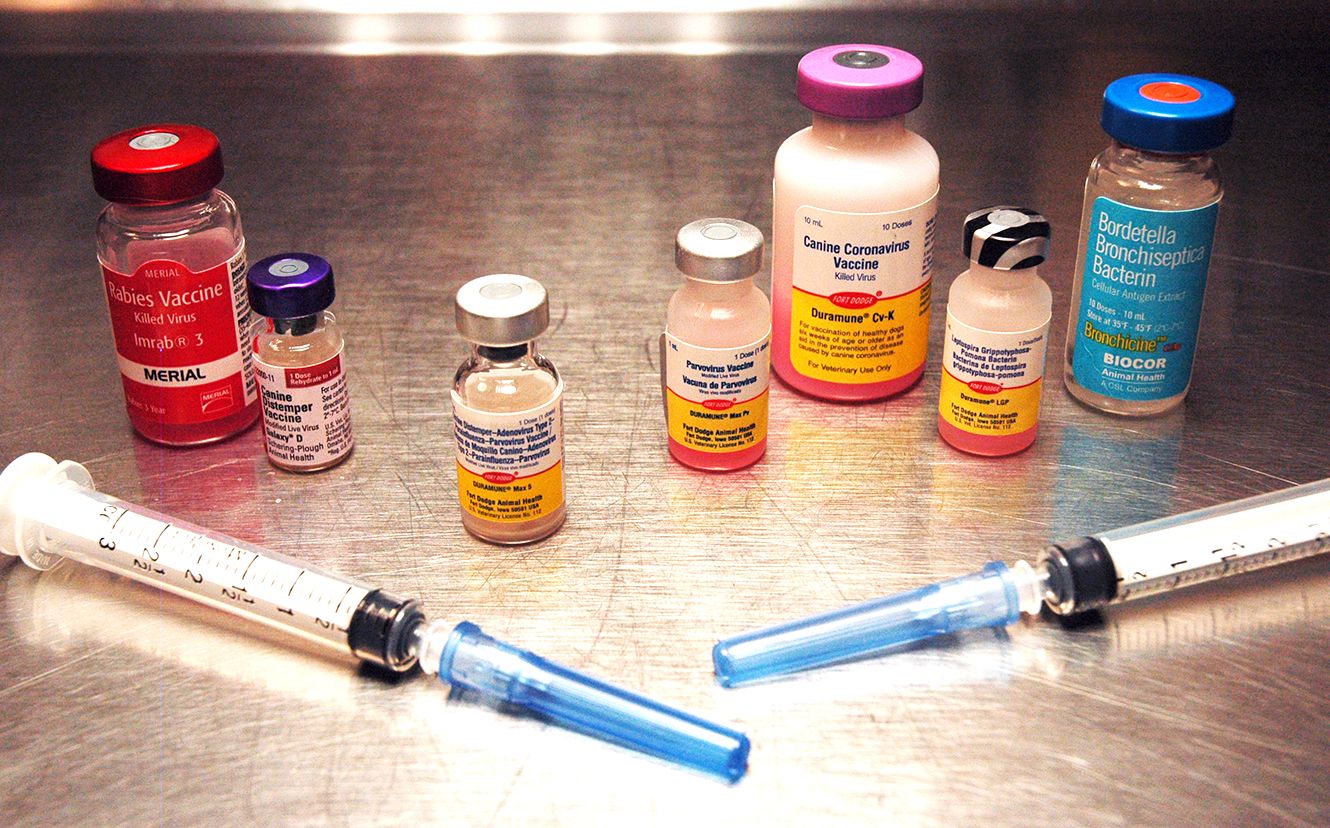
Vaccines help protect dogs from many serious diseases. After vaccination, some dogs may show changes in behavior or health. These changes usually happen because their body is reacting to the vaccine. Most side effects are mild and go away quickly. Knowing what to expect helps you care for your dog better. Watch your dog closely for any unusual signs after vaccination. Below are common side effects categorized by their severity.
Mild Reactions
Mild reactions are common and often last a short time. Your dog may feel tired or sleepy. A slight fever can occur. Some dogs have a small swelling or redness at the injection site. These signs usually go away within a day or two. Mild reactions do not need special treatment but keep an eye on your dog.
Moderate Symptoms
Moderate symptoms happen less often but need attention. Your dog might have a loss of appetite. Vomiting or diarrhea can appear. Some dogs become more withdrawn or show slight pain. These symptoms can last several days. Contact your vet if your dog does not improve or if symptoms worsen.
Rare Severe Responses
Severe responses are very rare but can be serious. Your dog may have trouble breathing or swelling of the face. Seizures or collapse could happen. These signs need emergency care. Get veterinary help immediately if your dog shows any severe reactions. Quick action can save your dog’s life.
Behavioral Changes To Expect
After vaccination, dogs may show some changes in behavior. These changes are usually mild and short-lived. Knowing what to expect helps you care for your pet better. Watch your dog closely for any signs of change. Understanding these behaviors can ease your worry and help your dog recover comfortably.
Temporary Lethargy
Many dogs feel tired after a shot. They may sleep more than usual or seem less active. This tiredness usually lasts a day or two. Let your dog rest and avoid too much play. Rest helps their body heal and build protection.
Changes In Appetite
Your dog might eat less after vaccination. A reduced appetite is common and not dangerous. Offer small meals and fresh water often. If your dog refuses food for more than two days, contact a vet. Eating well supports recovery and strength.
Increased Irritability
Some dogs become more grumpy or sensitive after shots. They may not want to be touched or played with. This mood change is normal and usually fades quickly. Give your dog space and gentle care during this time. Patience helps your pet feel safe and calm.
When To Seek Veterinary Help
Vaccinations are important for your dog’s health. Sometimes, behavior changes can happen after vaccination. Most changes are mild and short. Some signs need quick veterinary care. Knowing when to seek help protects your dog’s health.
Signs Of Allergic Reaction
Watch for swelling around the face or neck. Trouble breathing is a serious sign. Hives or rash on the skin can appear. Vomiting or diarrhea may happen. These signs need immediate vet attention.
Persistent Behavioral Issues
Behavior that lasts more than two days is a concern. If your dog is unusually aggressive or scared, call your vet. Loss of appetite or hiding can indicate a problem. Sudden changes in energy or sleep patterns matter too.
Emergency Situations
Seizures or collapse require urgent care. Difficulty standing or walking is serious. Continuous vomiting or diarrhea can cause dehydration. Bleeding or severe pain needs emergency vet help. Act fast to keep your dog safe.
Factors Influencing Behavior Changes
Dogs may show changes in behavior after vaccination. These changes depend on several factors. Understanding these helps pet owners respond better to their dogs’ needs. Factors like age, health, and vaccine type play a key role. Past vaccination history also affects how dogs react.
Age And Health Status
Young puppies and older dogs react differently to vaccines. Puppies have developing immune systems that can cause mild behavior changes. Older dogs may have weaker health, leading to longer recovery times. Dogs with illness or weak immune systems show more noticeable behavior shifts. Healthy dogs usually bounce back quickly after vaccination.
Type Of Vaccine Administered
Different vaccines affect dogs in different ways. Some vaccines cause mild soreness or fatigue. Others may cause temporary fever or discomfort. Live vaccines might trigger stronger immune responses. Killed vaccines tend to cause fewer side effects. The vaccine type influences how much behavior changes.
Previous Vaccination History
Dogs vaccinated regularly often handle shots better. Their immune systems recognize the vaccine and react less strongly. Dogs with no prior vaccines may show stronger reactions. Past vaccine reactions can predict future behavior changes. Veterinarians use this history to plan safe vaccination schedules.
How To Support Your Dog Post-vaccination
Vaccination can cause small changes in your dog’s behavior. These changes are usually mild and short-lived. Supporting your dog after vaccination helps them feel safe and recover quickly. Simple care steps can make a big difference in their comfort and well-being.
Comfort And Rest
Your dog needs a quiet place to rest after vaccination. Avoid loud noises and busy areas. Let them lie down in a soft, warm spot. Rest helps their body heal and reduces stress. Do not force play or exercise during this time. Gentle petting can calm your dog and show support.
Monitoring Behavior
Watch your dog closely for unusual signs. Look for swelling, redness, or pain at the injection site. Note any changes in appetite, energy, or mood. Mild tiredness or soreness is normal. Alert your vet if symptoms get worse or last more than two days. Early care prevents small problems from becoming serious.
Nutrition And Hydration
Offer fresh water often to keep your dog hydrated. Vaccination can cause mild fever or discomfort, so fluids are important. Feed small, healthy meals to encourage eating. Avoid giving new treats or foods that may upset their stomach. Proper nutrition helps your dog regain strength quickly.
Credit: www.whole-dog-journal.com
Preventing And Minimizing Side Effects
Vaccination is important for your dog’s health. Sometimes, vaccines cause mild side effects. These can include tiredness, slight fever, or swelling. Preventing and reducing these effects helps your dog feel better fast. Careful planning and good care make a big difference.
Choosing The Right Vaccine Schedule
Follow a vaccine schedule made for your dog’s age and health. Puppies and older dogs need different vaccines. Spreading out vaccines can lower side effects. Avoid giving many vaccines on the same day. This helps your dog’s immune system handle vaccines better.
Pre-vaccination Health Checks
Check your dog’s health before vaccination. A healthy dog reacts better to vaccines. Your vet may check temperature, weight, and overall condition. Postpone vaccines if your dog is sick. This prevents stronger side effects and keeps your dog safe.
Consulting Your Veterinarian
Talk with your vet about any concerns. Your vet can suggest the best vaccines for your dog. Share your dog’s health history and past vaccine reactions. Your vet can give advice to prevent or manage side effects. Always follow your vet’s instructions closely.
Myths About Vaccination And Behavior
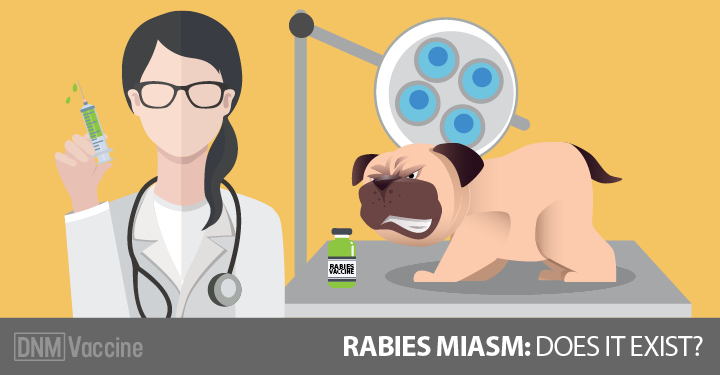
Many dog owners worry about changes in their pet’s behavior after vaccinations. Myths about vaccines causing aggression or fear often spread. These myths create unnecessary fear and confusion. Understanding what is true helps keep dogs healthy and happy.
Common Misconceptions
Some believe vaccines cause dogs to become aggressive. Others say vaccines make dogs scared or shy. These ideas come from stories, not science. Vaccines protect dogs from serious diseases. Side effects are usually mild and brief.
Behavior changes after vaccination often result from stress. The vet visit itself may upset a dog. Pain at the injection site can cause temporary discomfort. These factors explain most behavior changes, not the vaccine itself.
Separating Fact From Fiction
Research shows no link between vaccines and lasting behavior changes. Dogs do not develop bad habits or fears from vaccines. Temporary tiredness or soreness is normal after shots. These signs fade quickly and do not affect personality.
Good care before and after vaccination eases stress. Calm voices and treats help dogs relax. Watch for real health issues, not myths, to protect your dog.
Credit: www.dogsnaturallymagazine.com
Frequently Asked Questions
Why Does Dog Behavior Change After Vaccination?
Dogs may feel tired or uncomfortable after vaccination. Mild side effects like soreness or fever can cause temporary mood changes. These symptoms usually pass within a day or two, leading to normal behavior returning.
How Long Do Behavior Changes Last Post-vaccination?
Behavior changes typically last 24 to 48 hours. If your dog remains lethargic or shows unusual signs beyond this, consult your vet promptly for advice.
Can Vaccination Cause Aggression In Dogs?
Vaccination rarely causes aggression. Temporary discomfort or stress may make a dog irritable, but true aggression is uncommon. Monitor your dog and seek help if aggressive behavior persists.
What Signs Indicate A Serious Vaccine Reaction?
Serious reactions include swelling, difficulty breathing, vomiting, or collapse. These need immediate veterinary attention. Early recognition ensures prompt treatment and better outcomes for your dog.
Conclusion
Vaccinations can cause small, short changes in dog behavior. Most dogs feel tired or a bit grumpy for a day or two. These signs usually go away without any problem. Watch your dog closely after shots for any unusual signs.
Contact your vet if your dog acts very different or sick. Vaccines keep dogs safe from many diseases. Understanding these small changes helps you care for your dog better. Stay calm and patient during this time. Your dog will soon feel happy and healthy again.


