
Are you sure your dog is getting all the nutrients they need from their food? You want the best for your furry friend, but with so many dog food options out there, it’s hard to know if their diet truly covers everything.
Missing key nutrients can affect your dog’s energy, coat, and overall health. Keep reading to discover whether your dog’s food really delivers full nutrition and how you can make sure your pet stays healthy and happy every day.

Credit: www.bowlerspets.com
Nutritional Needs Of Dogs
Dogs need a balanced diet to stay healthy and active. Their food must include the right nutrients for growth, energy, and repair. Different dogs have different needs. Age, breed, and health affect what they should eat. Understanding these needs helps owners choose the best food.
Essential Nutrients For Canines
Dogs require protein, fat, carbohydrates, vitamins, and minerals. Protein builds muscles and repairs tissues. Fat provides energy and supports skin and coat health. Carbohydrates supply fuel for daily activities. Vitamins and minerals keep the body working properly.
Variations By Age And Breed
Puppies need more protein and calories for growth. Adult dogs need balanced nutrients to maintain health. Senior dogs benefit from lower calories and joint support. Large breeds require different nutrients than small breeds. Each breed’s needs vary with size and activity level.
Common Dietary Deficiencies
Some dogs lack essential vitamins like A, D, or E. Calcium and phosphorus imbalance can cause bone problems. Deficiency in fatty acids leads to dry skin and dull fur. Poor nutrition may cause weak immunity and slow healing. Choosing complete dog food prevents these issues.
Types Of Commercial Dog Food
Dog food comes in several types. Each type offers different nutrition and benefits. Knowing these types helps you choose the best option for your dog’s health and happiness.
Dry Kibble
Dry kibble is the most common dog food. It is easy to store and serve. Kibble has balanced nutrients needed for daily health. Many brands add vitamins and minerals to kibble. It helps keep dogs strong and active. Kibble also helps clean teeth by reducing tartar buildup.
Canned Food
Canned dog food has a soft texture and strong smell. It contains more moisture than dry kibble. This helps keep dogs hydrated. Canned food often has higher protein levels. It is good for picky eaters or dogs with dental issues. The packaging keeps the food fresh and safe.
Raw And Homemade Diets
Raw and homemade diets use fresh ingredients. Many owners prepare meat, vegetables, and grains at home. These diets give control over what dogs eat. They can be rich in natural nutrients. Care is needed to balance meals and avoid harmful bacteria. Consulting a vet is important for these diets.
Quality Standards And Regulations
Quality standards and regulations ensure dog food provides proper nutrition. They help pet owners choose safe and balanced products. These rules guide manufacturers to meet dogs’ dietary needs.
Understanding these standards gives confidence in the food you buy. It helps avoid poor-quality products that may harm your dog’s health.
Aafco Guidelines
The Association of American Feed Control Officials (AAFCO) sets nutrition rules. These guidelines define nutrient levels for dog food. They make sure foods meet minimum health needs.
AAFCO approval means the food has passed essential tests. It shows the product supports growth, maintenance, or all life stages. Check if the label states AAFCO compliance.
Label Reading Tips
Labels show important information about dog food quality. Look for guaranteed analysis, ingredient list, and feeding instructions.
Check protein, fat, fiber, and moisture percentages. Recognize common ingredients and avoid fillers or by-products. Feeding instructions help avoid overfeeding or underfeeding.
Certifications To Look For
Certifications prove third-party testing and safety standards. Look for USDA Organic, Non-GMO Project, or similar marks. These confirm the food meets stricter quality controls.
Some brands also have veterinary or nutritional expert endorsements. These can add trust but verify their credibility first.
How To Assess Dog Food Nutrition
Assessing dog food nutrition helps ensure your pet gets the right nutrients. It involves checking the food’s ingredients, nutrient balance, and any added supplements. Understanding these parts can guide you to better choices for your dog’s health.
Analyzing Ingredients
Start by reading the ingredient list carefully. Look for real meat or fish as the first item. Avoid foods with too many fillers like corn or wheat. Natural ingredients often provide better nutrition. Watch out for artificial colors or preservatives. These add no nutritional value and may harm your dog.
Understanding Nutrient Profiles
Check the guaranteed analysis on the package. It shows protein, fat, fiber, and moisture levels. Dogs need a balance of protein and fat for energy and health. Fiber supports digestion and keeps the gut healthy. Too much or too little of any nutrient can cause problems. Ensure the food meets your dog’s age and size needs.
Role Of Supplements
Supplements can improve dog food nutrition. Vitamins like A, D, and E support immune health and skin. Minerals such as calcium and phosphorus build strong bones and teeth. Omega-3 fatty acids help with coat shine and joint health. Some dog foods include these extras. Sometimes, your vet may recommend adding supplements for special needs.
Expert Opinions On Dog Food Completeness
Experts have different views on whether dog food gives complete nutrition. Many study dog food ingredients and how dogs digest them. Their opinions help pet owners choose the best food for their dogs. Understanding these views clears up confusion and helps dogs stay healthy.
Veterinarians’ Perspectives
Veterinarians often stress the importance of balanced dog food. They say good dog food has the right mix of protein, fats, and vitamins. Many vets recommend commercial dog food because it meets strict nutrition rules. They also suggest checking labels for complete and balanced claims. Some vets warn that homemade diets may miss key nutrients.
Nutritionists’ Advice
Animal nutritionists study dog diets deeply. They agree that dog food must include essential amino acids and minerals. Nutritionists highlight the role of carbohydrates and fiber in digestion. They advise pet owners to select food made from quality ingredients. Nutritionists also encourage variety to cover all nutrient needs.
Common Misconceptions
Many people think all dog food is the same. Some believe fresh or raw food is always better than dry food. Others assume dogs need meat only and ignore other nutrients. These ideas can lead to unbalanced diets. Experts stress that quality and balance matter more than food type.

Credit: www.houndsy.com
Signs Of Nutritional Deficiency In Dogs
Dogs need the right nutrients to stay healthy and active. Sometimes, their food may lack important vitamins and minerals. This lack can cause signs that show your dog is not getting full nutrition. Recognizing these signs early helps keep your dog safe and well.
Physical Symptoms
Look for dull or dry fur. Hair loss can also occur. Thin or weak muscles may develop over time. Your dog might have dry, flaky skin. Pale gums can signal anemia or poor nutrition. Slow healing of wounds is another sign. Weight loss without a clear cause is alarming.
Behavioral Changes
Your dog may seem tired or weak. Less play and exercise can mean low energy. Some dogs become irritable or grumpy. Loss of appetite is common with poor nutrition. Confusion or lack of focus may appear. Sudden changes in behavior need attention.
When To Consult A Vet
Visit a vet if you notice any signs above. Early diagnosis helps prevent serious problems. The vet can run tests to find deficiencies. They offer treatment plans and diet advice. Regular check-ups keep your dog’s nutrition on track. Don’t wait for symptoms to worsen.
Tips For Choosing Balanced Dog Food
Choosing balanced dog food means providing your pet with all the nutrients needed for good health. Dogs need a mix of protein, fats, vitamins, and minerals. The right food helps maintain energy, supports growth, and keeps their coat shiny. Not all dog foods are the same. Some suit certain dogs better than others. Here are some tips to help pick balanced dog food.
Matching Food To Your Dog’s Needs
Each dog has unique needs based on age, size, and activity level. Puppies require more protein and calories for growth. Adult dogs need balanced meals to maintain weight. Older dogs benefit from food that supports joint health and digestion. Choose dog food that fits your pet’s life stage and energy use. Check the label to confirm nutrient amounts meet your dog’s needs.
Considering Special Dietary Requirements
Some dogs have allergies or health issues that affect their diet. Sensitive stomachs may need gentle, easy-to-digest food. Dogs with allergies might require grain-free or limited ingredient diets. Pets with medical conditions like kidney disease or diabetes need special formulas. Always consult your vet about special dietary needs before choosing food. This ensures your dog stays healthy and happy.
Monitoring And Adjusting Diet
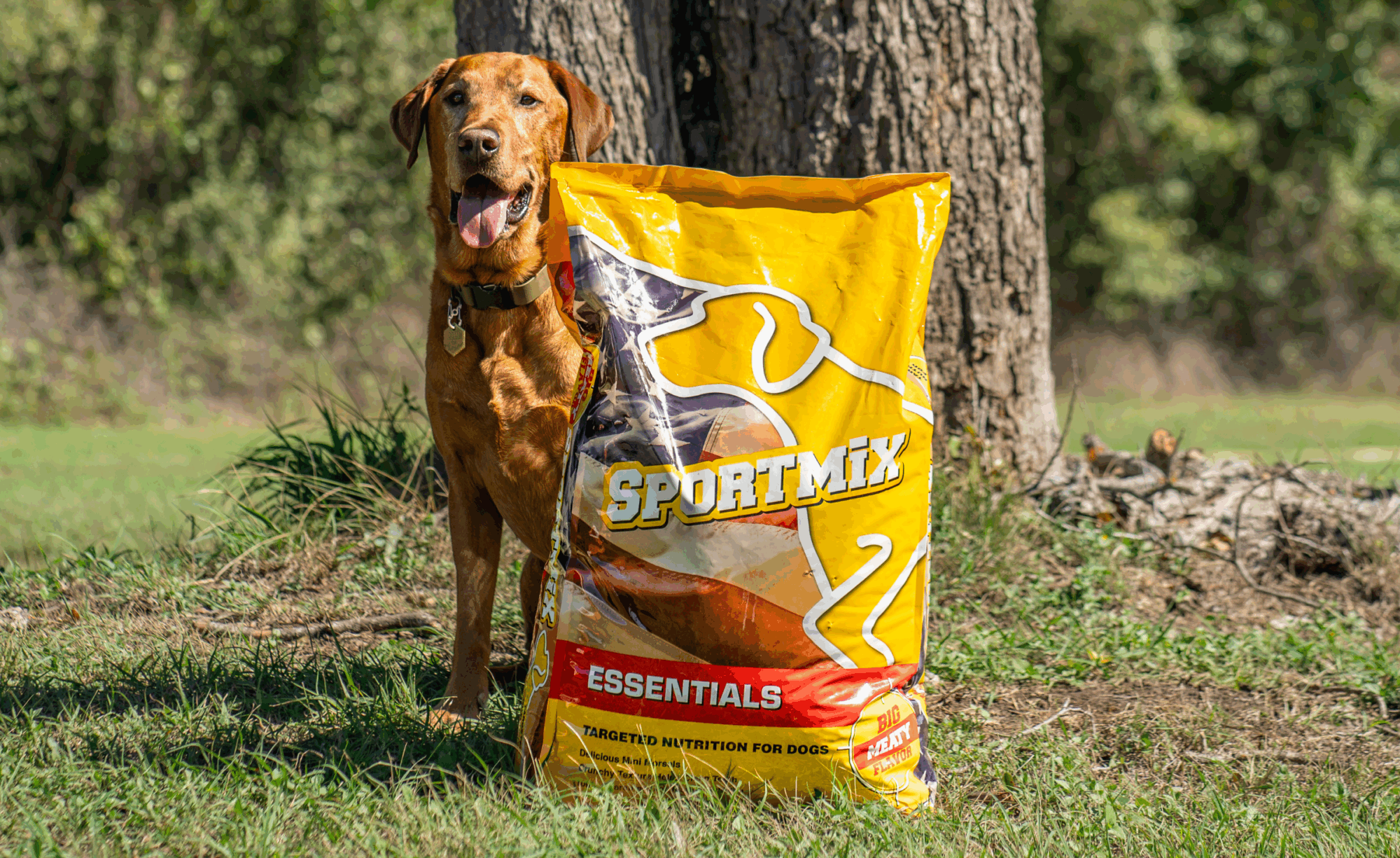
Watch your dog’s weight and energy closely after changing food. If your dog gains too much weight, reduce portion size or switch to a lower-calorie food. If energy drops or coat looks dull, nutrient levels might be low. Adjust the diet based on your dog’s health and behavior. Regular check-ups with a vet help keep the diet balanced over time.
Credit: www.sportmix.com
Frequently Asked Questions
Do Commercial Dog Foods Provide Complete Nutrition?
Yes, most commercial dog foods are formulated to meet AAFCO standards. They contain essential nutrients for balanced canine health. However, quality varies, so choose reputable brands to ensure your dog gets full nutrition.
Can Homemade Dog Food Meet Nutritional Needs?
Homemade dog food can be nutritious but requires careful planning. It must include proteins, fats, vitamins, and minerals. Consulting a vet or pet nutritionist ensures your dog’s diet is balanced and complete.
How To Identify If Dog Food Is Nutritious?
Check the label for AAFCO approval and balanced nutrient profiles. Ingredients should include quality proteins, fats, and essential vitamins. Avoid foods with fillers, artificial additives, and low-quality ingredients for optimal nutrition.
Do All Dogs Require The Same Nutritional Content?
No, nutritional needs vary by age, size, breed, and health. Puppies, adults, and seniors have different requirements. Tailor your dog’s diet to their specific life stage and health status for full nutrition.
Conclusion
Dogs need balanced food to stay healthy and strong. Not all dog foods provide full nutrition. Check labels carefully for essential vitamins and minerals. Some dogs may need extra supplements or fresh food. Talk to a vet to find the best diet.
Good nutrition supports energy, coat health, and growth. Feeding your dog well helps them live a happy life. Always choose quality food tailored to your dog’s needs. Nutrition matters for every stage, from puppy to senior. Keep your furry friend healthy with the right food.
Simple steps make a big difference in their health.


