

Are you wondering if your playful puppy needs more food than your adult dog? It’s a common question many dog owners have.
Feeding your furry friend the right amount is crucial for their health and growth. Too little food can leave your puppy weak, while too much might cause unwanted weight gain. You’ll discover exactly how much your puppy should be eating compared to an adult dog—and why it matters for their energy, development, and happiness.
Keep reading to make sure you’re giving your pup the best start in life.
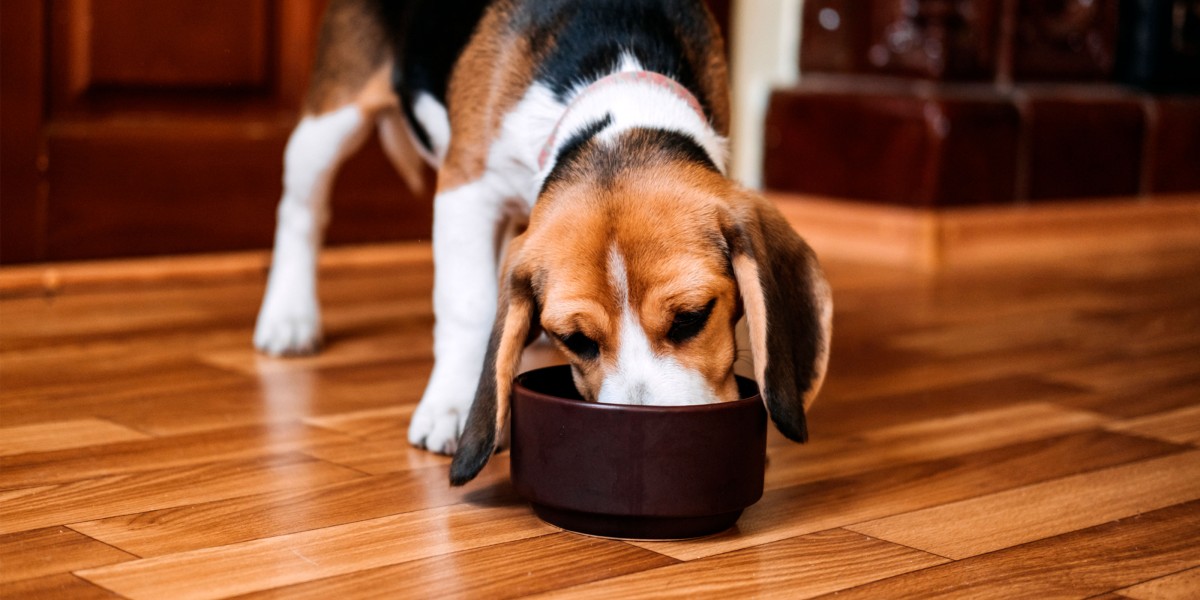
Credit: www.purina.com
Puppy Vs Adult Dog Nutrition
Puppies and adult dogs have different nutritional needs. Puppies grow fast and need more nutrients. Adult dogs need food for maintenance and energy. Understanding these differences helps give the right food amount. Proper nutrition supports health and development.
Let’s explore how their nutrition needs vary in detail.
Growth And Energy Needs
Puppies grow quickly and need more energy than adults. Their bodies build muscles, bones, and organs. This growth requires a lot of calories and nutrients. Adult dogs use energy mostly for daily activities. They do not need extra food for growth.
Caloric Differences
Puppies burn calories fast because of their fast growth. They need more calories per pound of body weight. Adult dogs need fewer calories to keep a healthy weight. Overfeeding adult dogs can cause obesity and health issues. Feeding the right calories is key for both.
Nutrient Priorities
Puppies need more protein and fat to support growth. Proteins help build muscles and repair tissues. Fat provides energy and supports brain development. Adults need balanced nutrients to maintain health. Their diet focuses on protein, fat, and fiber for digestion.
Factors Influencing Puppy Feeding
Puppies need special care with their food. Feeding a puppy is not the same as feeding an adult dog. Several factors decide how much food a puppy needs. These factors help keep puppies healthy and growing well.
Understanding these factors helps you give the right amount of food. It stops problems like overfeeding or underfeeding. Let’s explore the main influences on puppy feeding.
Breed Size Impact
Small breeds eat less food but need more calories per pound. Large breeds eat more but grow slower. Their food must support bone and muscle growth. Feeding too much or too little can cause health issues.
Age And Development Stage
Puppies need more food as they grow fast. Very young puppies eat often in small amounts. Older puppies eat larger meals but fewer times a day. Food changes as they move from milk to solid food.
Activity Level
Active puppies burn more energy and need extra food. Less active puppies require less food to avoid weight gain. Playtime and exercise affect how much food suits a puppy’s needs.
How Much To Feed Your Puppy
Knowing how much to feed your puppy is key for healthy growth. Puppies need more food than adult dogs because they burn lots of energy. Their tiny bodies are growing fast and need plenty of nutrients. Feeding the right amount helps keep your puppy active and strong.
Daily Portion Guidelines
Feed your puppy based on weight and age. Young puppies need about twice the food per pound as adult dogs. Check the dog food package for portion advice. Adjust portions as your puppy grows. Avoid free feeding to prevent overeating.
Meal Frequency
Divide your puppy’s daily food into several small meals. Feed puppies under six months old three to four times daily. Older puppies can eat twice a day. Regular meals help digestion and energy levels. Stick to a schedule for best results.
Signs Of Proper Feeding
Your puppy should have a healthy weight and shiny coat. Look for steady energy and good muscle tone. Avoid signs like begging, weight loss, or bloating. Check your puppy’s body condition regularly. Proper feeding keeps your puppy happy and growing well.
Choosing The Right Puppy Food
Choosing the right food for your puppy is very important. Puppies grow fast and need special nutrition. Their food should support strong bones, healthy muscles, and good energy. It also helps their brain and immune system develop well. Picking the best food helps your puppy stay happy and healthy.
Essential Ingredients
Puppy food must have the right balance of protein, fat, and vitamins. Protein helps build muscles. Fat gives energy for play and growth. Vitamins and minerals support bones and teeth. Look for foods with real meat as the first ingredient. Whole grains and vegetables add fiber and nutrients.
Avoiding Harmful Additives
Some foods have artificial colors, flavors, or preservatives. These can upset your puppy’s stomach or cause allergies. Choose foods without these additives. Natural ingredients are safer and healthier. Always check the label to avoid harmful chemicals.
Special Formulas
Some puppy foods have extra nutrients for specific needs. Large breed puppies may need food that supports joint health. Small breed puppies may need smaller kibble for easy chewing. Some formulas include DHA for brain development. Pick a formula that fits your puppy’s breed and size.
Feeding Tips For Adult Dogs
Adult dogs have different food needs than puppies. Their growth slows, and their energy levels change. Feeding adult dogs the right amount helps keep them healthy and happy.
Understanding how to feed adult dogs properly can save you money and avoid health problems. Here are some important tips to guide you.
Adjusting Portions Over Time
Portion sizes should change as your dog ages. Puppies need more food to grow. Adults need less to maintain their weight. Watch your dog’s body shape and adjust portions if needed. Too much food can cause weight gain. Too little food can lead to weakness.
Maintaining Ideal Weight
Keep your dog’s weight steady for good health. Check their ribs and waist regularly. You should feel ribs but not see them. A healthy weight lowers the risk of illness. Use a scale or measure food to avoid overfeeding. Speak to your vet if you notice weight changes.
Activity-based Feeding
Match food amount with your dog’s activity level. Active dogs need more energy and nutrients. Less active dogs need fewer calories to prevent weight gain. Adjust food on days with more exercise. Keep treats within daily calorie limits. This helps your dog stay fit and energetic.
:strip_icc()/Puppy-food-feeding-schedule-2804779-a35fb27f23bd427cbea6ed24236fee22.jpg)
Credit: www.thesprucepets.com
Common Feeding Mistakes
Feeding puppies can be tricky. Many pet owners make common mistakes that affect their puppy’s growth and health. Understanding these errors helps keep puppies strong and happy. Feeding the right amount matters a lot.
Some mistakes cause problems like weight gain or poor development. Others happen because owners don’t notice their puppy’s special needs. Knowing what to avoid makes feeding easier and safer.
Overfeeding Risks
Giving too much food can harm puppies. They may gain too much weight quickly. This puts stress on bones and joints. Overweight puppies often face health problems later. It can also cause stomach upset or diarrhea. Feeding the right portion keeps puppies fit and healthy.
Underfeeding Consequences
Not feeding enough slows puppy growth. They may lack energy and look weak. Poor nutrition can hurt their immune system. This makes puppies more likely to get sick. Underfeeding also delays brain and muscle development. Puppies need enough food to grow strong and smart.
Ignoring Individual Needs
Every puppy is different. Some need more food, others less. Age, breed, and activity level change food needs. Ignoring these can cause health issues. Watch your puppy’s weight and energy daily. Adjust food amounts based on their unique needs. Personalized feeding helps puppies thrive.
Monitoring Growth And Health
Monitoring your puppy’s growth and health is key to raising a happy dog. Puppies grow fast, and their needs change quickly. Watching their progress helps you feed them the right amount. It also keeps them healthy and strong during these early months.
Tracking Weight Progress
Weigh your puppy regularly to track growth. Use a small scale or visit the vet for accurate results. Healthy weight gain shows your puppy gets enough food. Sudden weight loss or gain can signal problems. Keep a log of their weight for easy tracking.
Regular Vet Checkups
Take your puppy to the vet often during their first year. The vet checks growth, health, and nutrition needs. Vaccinations and deworming happen at these visits too. The vet can spot issues you might miss. Follow the vet’s advice to keep your puppy healthy.
Adapting Diet As Needed
Your puppy’s diet should change as they grow. More food is needed during fast growth stages. Watch your puppy’s energy and weight to adjust meals. Too much food can cause obesity; too little slows growth. Use vet guidance to find the right diet plan.
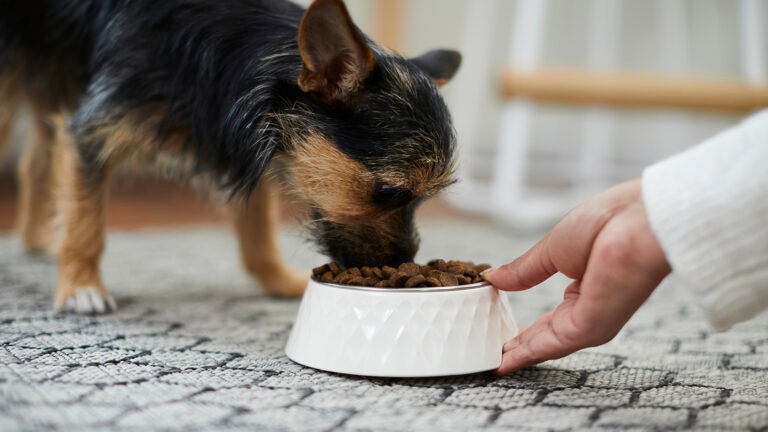
Credit: www.chewy.com
Frequently Asked Questions
Do Puppies Require More Calories Than Adult Dogs?
Yes, puppies need more calories due to rapid growth and higher energy levels. Their metabolism is faster, requiring nutrient-rich food for development.
How Often Should I Feed A Puppy Compared To An Adult Dog?
Puppies need more frequent meals, typically 3-4 times daily. Adult dogs usually eat twice a day, reflecting their slower metabolism.
What Nutrients Are Essential For Puppy Growth Versus Adult Dogs?
Puppies need higher protein, fat, and calcium for bones and muscle growth. Adult dogs require balanced nutrients to maintain health and energy.
Can Overfeeding Puppies Cause Health Problems Later?
Yes, overfeeding puppies can lead to obesity and joint issues. Proper portion control supports healthy growth and prevents future health risks.
Conclusion
Puppies need more food than adult dogs because they grow fast. Their bodies use extra energy to build muscles and bones. Feeding them well helps keep them healthy and strong. Adult dogs eat less since they do not grow anymore.
Always watch your dog’s weight and adjust food as needed. Feeding the right amount supports your pet’s happiness and long life. Remember, every dog is different. Talk to a vet to find the best feeding plan for your furry friend.
Good food leads to a happy dog!


