

Is your dog constantly barking every time someone approaches the door? It can be frustrating and exhausting, especially when you just want a moment of peace.
But don’t worry—you can teach your dog to stay calm and quiet at the door. You’ll discover simple, effective steps to stop the barking and bring harmony back to your home. Keep reading, and you’ll soon enjoy a calmer, happier dog and a quieter environment.
Why Dogs Bark At The Door
Dogs often bark at the door. It can be loud and distracting. Understanding why dogs bark at the door helps in training them better. This behavior has reasons rooted in their instincts and surroundings. Recognizing these reasons is the first step to stop unwanted barking.
Common Triggers
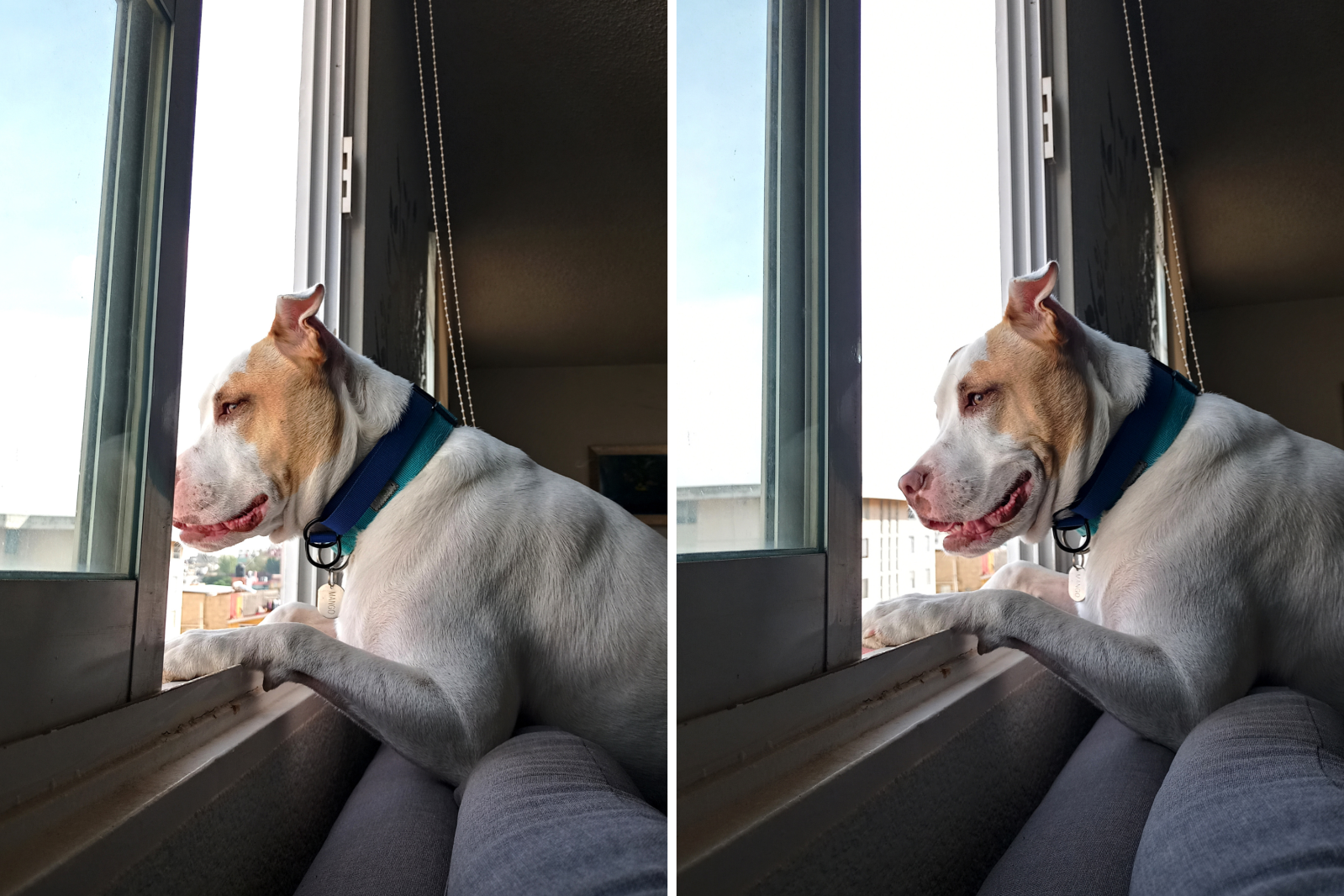
Dogs react to many things at the door. Visitors, delivery people, or strange noises can trigger barking. Some dogs bark at shadows or moving objects outside. They may also bark when they hear other dogs. These triggers cause dogs to alert their owners.
Instinct And Behavior
Barking at the door is natural for dogs. It comes from their guarding instincts. Dogs protect their home and family by alerting to intruders. Barking is a way to communicate danger or excitement. This behavior helped wild dogs survive long ago.

Credit: tug-e-nuff.com
Preparing For Training
Preparing for training your dog not to bark at the door is an important step. It helps your dog understand what you expect. Preparation makes training easier and more effective. You need the right tools and a good space. This sets your dog up for success.
Gathering Supplies
Start by collecting all the items needed for training. Treats are a great way to reward good behavior. Use small, soft treats that your dog likes. A clicker can help mark the right moment. A leash keeps your dog close and focused. Have a favorite toy ready for distraction if needed. Prepare these items before training starts.
Setting Up A Calm Environment
Choose a quiet room with few distractions. Turn off the TV and music to keep noise low. Close windows to reduce outside sounds. Make sure the dog feels safe and relaxed. A calm space helps your dog focus better. Keep everyone calm to avoid excitement. This peaceful setting improves training success.
Teaching Quiet Commands
Teaching quiet commands helps control your dog’s barking at the door. It guides your dog to stop barking on command. This method builds calm behavior and reduces noise. Training your dog to be quiet takes patience and clear signals.
Choosing The Right Command
Pick a simple word for quiet, like “quiet” or “enough.” Use the same word every time. Your dog learns faster with a consistent command. Avoid long phrases that confuse your dog. A clear, short word works best.
Using Positive Reinforcement
Reward your dog when it stops barking after the command. Use treats, praise, or petting as a reward. Positive reinforcement makes your dog want to obey. Repeat the process often for better results. Rewards help your dog connect the command with quiet behavior.
Desensitizing Door Triggers
Desensitizing door triggers helps reduce your dog’s barking at the door. This method teaches your dog to stay calm when the door opens or closes. It lowers their excitement and alertness to door sounds and movements. Patience and consistency are key to success. Small steps create big changes in your dog’s behavior.
Controlled Door Openings
Start by opening the door just a little bit. Watch your dog’s reaction closely. If your dog stays quiet, give praise or a treat. If barking starts, close the door calmly and wait. Repeat this several times a day. Each time, open the door a bit more. This helps your dog get used to door movements without barking.
Gradual Exposure Techniques
Use short sessions to expose your dog to door sounds. Make a noise like the door opening or closing without actually opening it. Reward your dog for calm behavior. Slowly increase the noise level over time. Add real door openings when your dog is ready. This slow exposure helps reduce fear or excitement linked to the door.
Redirecting Barking Behavior
Redirecting barking behavior helps manage your dog’s urge to bark at the door. It changes their focus from barking to something positive. This method reduces noise and stress for both you and your dog. Consistent redirection builds better habits over time.
Using Distractions
Distractions shift your dog’s attention away from the door. Offer a favorite toy or a treat. Use a simple command like “look” or “focus” to guide their mind. Play a quick game to engage their senses. These actions stop barking before it starts.
Encouraging Alternative Behaviors
Teach your dog what to do instead of barking. Ask for a sit or a calm lie down near the door. Reward them with praise or treats for quiet behavior. Practice often to make this new habit strong. Alternative actions help your dog feel calm and controlled.
Maintaining Calmness Over Time
Keeping your dog calm at the door takes time and patience. Dogs learn best with steady routines and clear signals. Maintaining calmness over time helps prevent barking from becoming a habit. It creates a peaceful home for you and your pet. Consistency is key to long-lasting results.
Consistent Practice
Train your dog every day for a few minutes. Use the same commands and actions each time. Practice during quiet moments and busier times. This helps your dog understand what you expect. Repetition builds good habits and reduces barking. Avoid sudden changes in your routine.
Rewarding Long-term Success
Give treats or praise when your dog stays calm. Reward only calm behavior near the door. This shows your dog that quiet is good. Over time, your dog will want to be calm. Rewards keep your dog motivated and focused. Patience and rewards together create lasting calmness.
Common Challenges And Solutions
Training a dog not to bark at the door can be tricky. Many owners face challenges during this process. Understanding common problems helps find the right solutions. Each dog is unique, so training must fit their needs. Patience and consistency are key to success.
Dealing With Stubborn Barkers
Some dogs do not stop barking easily. They may bark louder or more often. Stay calm and avoid yelling. Use a firm, gentle voice to give commands. Reward quiet behavior with treats or praise. Repeat training sessions daily for better results. Avoid punishing the dog, as it may increase barking. Consistent practice helps even stubborn dogs improve.
Adjusting Techniques For Different Breeds
Different breeds have different barking habits. Small dogs might bark more out of fear. Large dogs may bark to protect their home. Tailor your training to fit your dog’s breed. Use softer commands for sensitive dogs. More energetic breeds need extra exercise to reduce barking. Know your dog’s nature to choose the best method. This approach leads to faster, lasting changes.
Credit: www.newsweek.com
Credit: www.amazon.com
Frequently Asked Questions
How Can I Stop My Dog Barking At The Door?
Train your dog using positive reinforcement. Reward quiet behavior and redirect attention away from the door. Consistent practice helps reduce barking over time.
Why Does My Dog Bark When Someone Knocks?
Dogs bark at knocks due to alertness or anxiety. They react to unfamiliar sounds to protect their territory. Training can help manage this behavior.
What Tools Help Reduce Barking At The Door?
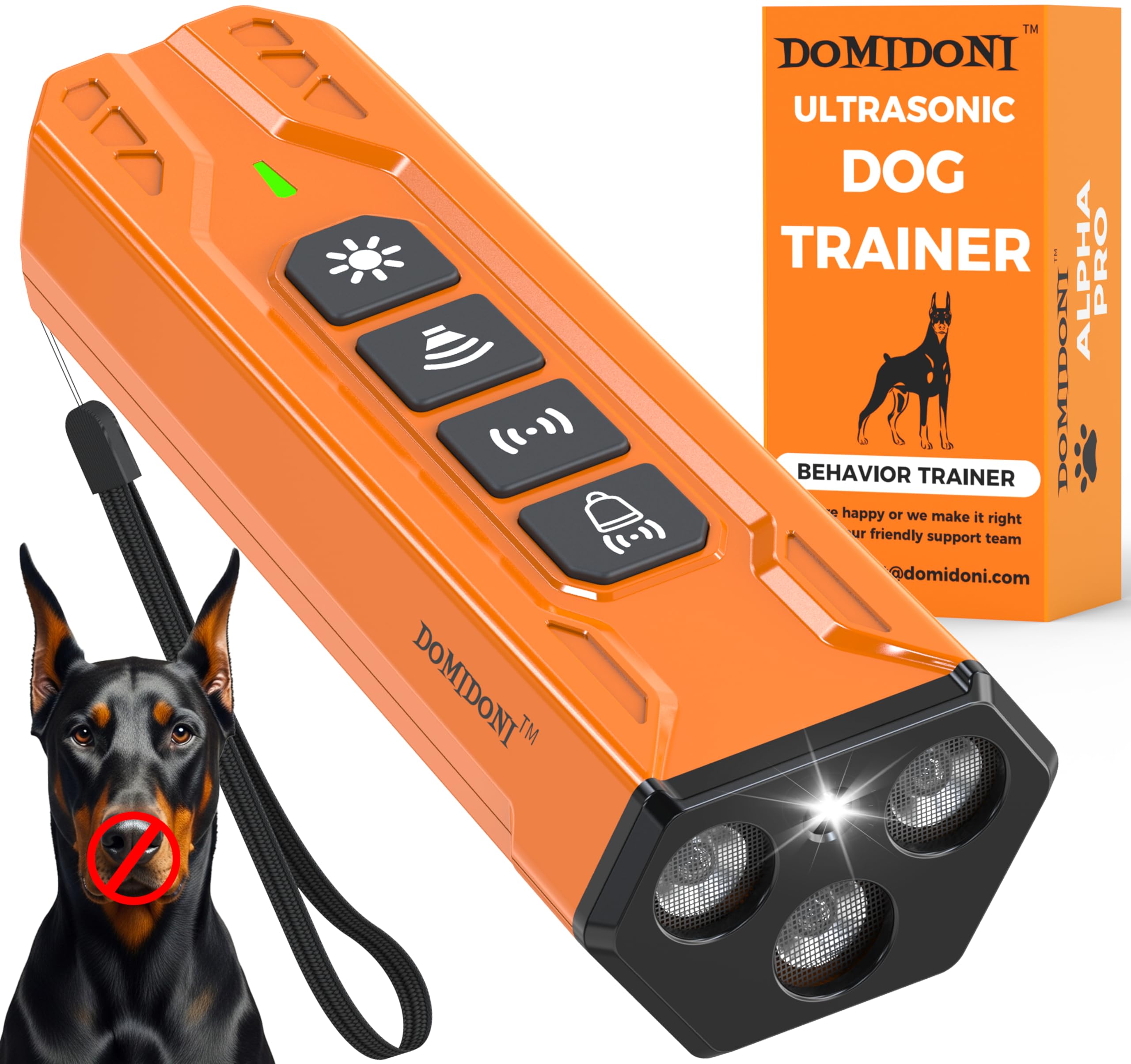
Use tools like clickers, treats, and calming sprays. These aid in training and reduce stress. Avoid harsh punishments as they increase anxiety.
How Long Does It Take To Train A Dog Not To Bark?
Training duration varies by dog and consistency. Typically, noticeable improvement occurs within a few weeks. Patience and regular practice are essential.
Conclusion
Training your dog not to bark at the door takes time and patience. Stay calm and consistent with your approach. Reward quiet behavior to encourage good habits. Avoid yelling or punishing, as it may confuse your dog. Remember, every dog learns at its own pace.
Practice daily, and you will see progress. A peaceful home is possible with steady training. Keep trying, and enjoy the quiet moments together.


