

If your dog starts panting heavily every time you get in the car, you know how stressful it can be—for both of you. You want to keep your furry friend calm and comfortable, but it’s not always easy to know what to do.
Luckily, there are simple, effective ways to help your dog relax during car rides. You’ll discover practical tips that work, so your next trip can be smooth and stress-free for your dog and you. Keep reading to find out how to turn those anxious panting moments into calm, peaceful rides.
Credit: www.reddit.com
Reasons Dogs Pant In Cars
Dogs pant in cars for several reasons. Understanding these reasons helps calm your dog during rides. Panting is a normal way for dogs to cool down. It also shows how they feel inside the car. Let’s explore the main causes of panting in cars.
Heat And Temperature
Cars can get hot quickly, even with windows slightly open. Dogs cannot sweat like humans. They pant to release heat from their bodies. Warm air inside the car makes panting worse. Keeping the car cool helps reduce panting.
Anxiety And Stress
Many dogs feel nervous in cars. Strange sounds and motion can cause fear. This stress makes dogs breathe faster and pant more. Anxiety also raises their heart rate. A calm environment helps lower stress and panting.
Motion Sickness
Some dogs get sick during car rides. The movement upsets their stomach. Panting is a sign of nausea and discomfort. Motion sickness causes heavy breathing and drooling. Treating this issue can reduce panting in cars.
Preparing Your Dog For Car Rides
Preparing your dog for car rides helps reduce stress and panting. It builds comfort and trust during trips. Start early and be patient as your dog learns.
Short Practice Trips
Begin with very short rides around the block. This helps your dog get used to the car’s motion and sounds. Gradually increase the trip length. Stop for breaks and praise your dog often. Keep these trips positive and calm.
Comfort Items
Bring your dog’s favorite blanket or toy. Familiar smells make the car feel safer. Use a soft bed or cushion to create a cozy spot. Avoid new items that might cause confusion or stress. These comfort items help your dog relax during the ride.
Hydration Tips
Offer water before and after the trip. Avoid giving too much water right before driving to prevent nausea. Use a travel water bottle or bowl made for dogs. Keep water fresh and clean. Hydrated dogs pant less and stay cooler.
Cooling Techniques In The Car
Keeping your dog cool in the car is very important. Dogs can get hot fast and start panting a lot. Panting helps them cool down, but it is not always enough. Using cooling techniques inside the car helps your dog feel better and safer. Here are some simple ways to cool your dog in the car.
Using Air Conditioning
Air conditioning is one of the best ways to cool a dog in the car. It lowers the temperature quickly. Set the AC to a comfortable, cool setting. Make sure the airflow reaches your dog’s area. Keep windows closed while using AC for best effect. This helps avoid letting hot air enter the car.
Portable Fans
Portable fans are great for extra airflow in the car. Small battery-powered fans work well. Place a fan near your dog but not too close. The moving air helps your dog feel cooler. Fans also help dry off any saliva from panting. They are useful when air conditioning is not available.
Cooling Mats
Cooling mats provide a cool surface for your dog to lie on. These mats absorb heat and stay cool for hours. Place the mat on the car seat or floor. Your dog will feel relief by lying on it. Cooling mats are easy to carry and use during trips.
Calming Methods To Reduce Panting
Panting is a normal way dogs cool down. But in a car, it can mean stress or heat. Reducing panting helps your dog feel safe and calm. Try gentle, simple methods to soothe your dog during car rides.
Gentle Massage And Touch
Soft petting calms many dogs. Use slow, gentle strokes on the neck and chest. Avoid sudden moves or touching the face. A calm touch lowers your dog’s heartbeat. This helps slow heavy breathing and panting.
Calming Music
Quiet music can relax dogs in cars. Choose soft, slow tunes without loud beats. Play the music at a low volume. Calm sounds help lower stress and reduce panting. Keep the car environment peaceful with music.
Natural Calming Sprays
Natural sprays with scents like lavender ease anxiety. Lightly spray the car or your dog’s bedding. Avoid spraying directly on your dog. These sprays create a soothing space and cut down on panting. Use only pet-safe products for safety.
Managing Anxiety During Travel
Travel can make dogs nervous. The car’s noise, movement, and new smells cause stress. Managing your dog’s anxiety helps calm their panting. It also makes trips safer and more pleasant. Start early to build calm habits during travel.
Behavioral Training
Teach your dog to enjoy car rides. Begin with short trips near home. Use treats and praise to reward calm behavior. Practice getting in and out without stress. Gradually increase trip length to build confidence. Consistent training lowers anxiety over time.
Safe Space Creation
Make the car feel like a safe place. Use a comfortable crate or a dog seat belt. Add familiar blankets or toys inside. These items remind your dog of home. A cozy spot helps reduce fear and panting. Keep the temperature cool and airflow fresh.
Professional Help
Some dogs need extra support for travel anxiety. A vet or animal behaviorist can help. They may suggest calming techniques or medication. Professional advice creates a better travel plan. Early intervention prevents worsening anxiety.

Credit: www.reddit.com
When To Seek Veterinary Advice
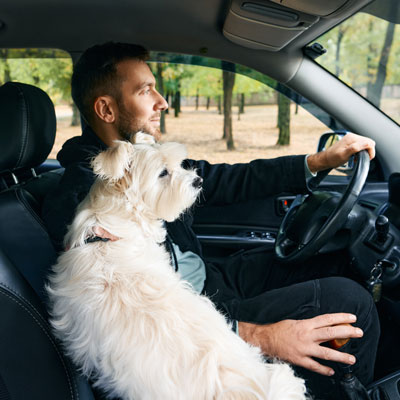
Knowing when to seek veterinary advice is key for your dog’s health. Panting is normal in cars but can signal serious problems. Watch your dog closely for signs that need professional help.
Signs Of Overheating
Overheating is a common danger in cars. Look for heavy panting, drooling, or bright red gums. Your dog may also seem weak or dizzy. These signs require immediate veterinary attention.
Persistent Panting
Panting that does not stop even after cooling can be serious. If your dog keeps panting hard, it may be in distress. Persistent panting needs a vet to check for underlying problems.
Underlying Health Issues
Some dogs pant due to health conditions like heart or lung problems. Older dogs or those with known illnesses need extra care. If panting seems unusual or intense, ask your vet for advice.
Credit: tailschirocare.com
Frequently Asked Questions
Why Is My Dog Panting Excessively In The Car?
Dogs pant in cars due to heat, anxiety, or motion sickness. Panting helps them cool down but can also signal stress or discomfort during travel.
How Can I Reduce My Dog’s Car Anxiety?
Use calming aids, play soothing music, and offer treats. Regular short trips help your dog get used to car rides and reduce anxiety over time.
Is It Safe To Leave A Panting Dog Alone In The Car?
No, leaving a panting dog alone in a car can be dangerous. Overheating happens quickly, even with windows open, risking heatstroke and serious health issues.
What Should I Do If My Dog Overheats In The Car?
Immediately move your dog to a cooler place and offer water. Use a damp cloth to cool their paws and seek veterinary help if symptoms worsen.
Conclusion
Calming a panting dog in the car takes patience and care. Keep the car cool and offer water often. Speak softly to help your dog feel safe. Stop for breaks on long trips to let your dog relax. Watch your dog’s behavior to spot stress early.
Small actions make a big difference in comfort. Your dog will thank you with calm and happy rides. Safe and calm trips start with simple steps.


